

Free Qadisiyyah Travel Guide & Mobile App
Explore Qadisiyyah with free travel guides. Discover regional history, expert tips, proposed trips, and audio guides on web or mobile app.


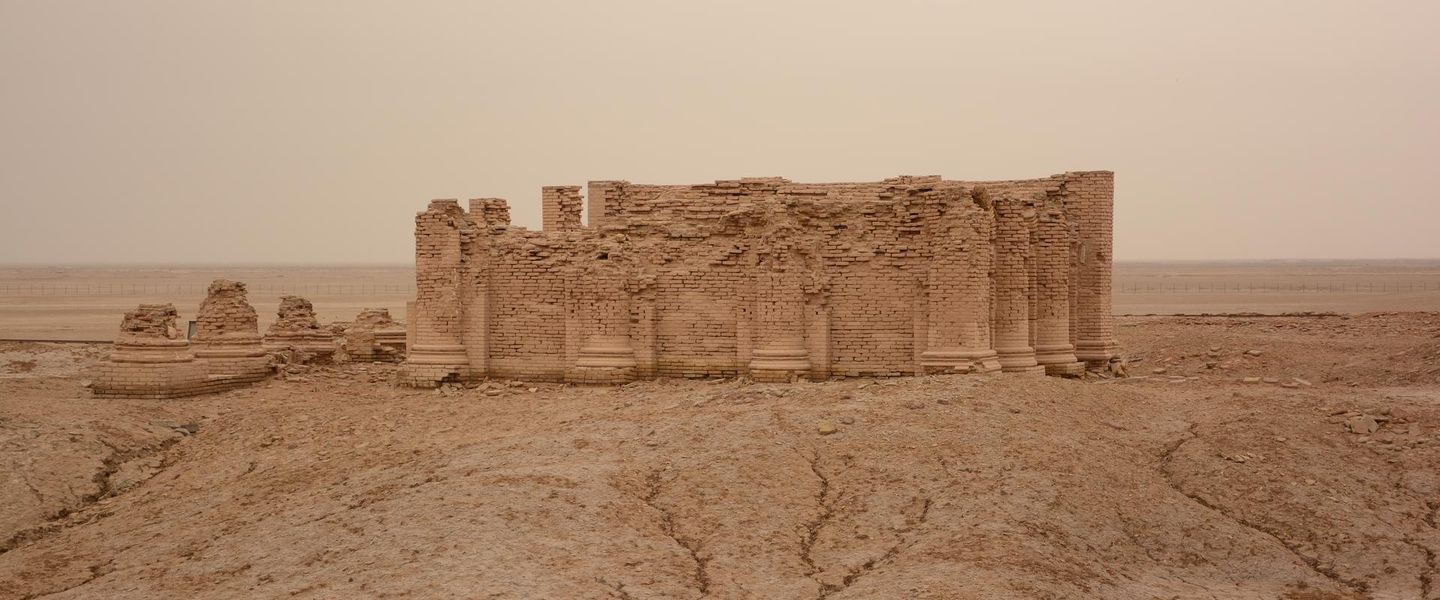


Explore Qadisiyyah in Iraq for Sumerian archaeological sites, Euphrates landscapes, rice-growing plains and the everyday culture of Al-Diwaniyah.
Read more about Qadisiyyah
When is the best time to visit Qadisiyyah?
Best: March–April, November · 22–30°C| Month | High (°C) | Rainfall (mm) |
|---|---|---|
| January | 15 | 30 |
| February | 18 | 25 |
| March (best) | 24 | 20 |
| April (best) | 30 | 10 |
| May | 36 | 5 |
| June | 40 | 1 |
| July | 43 | 0 |
| August | 42 | 0 |
| September | 37 | 1 |
| October | 31 | 5 |
| November (best) | 22 | 10 |
| December | 16 | 20 |
Getting to and around Qadisiyyah
How to get there
Transportation
Top city travel guides in Qadisiyyah
The cities of Qadisiyyah, and the easiest places to base yourself.

Swipe for more cities
Best attractions in Qadisiyyah
Qadisiyyah’s attractions are concentrated in archaeology, riverine agriculture and provincial town life rather than in a conventional sightseeing circuit. The principal historical draw is Nippur, near Afak, where the remains of a major Sumerian religious and scholarly centre spread across broad archaeological mounds. Isin, at Ishan al-Bahriyat, offers a different perspective on the city-states and dynasties of the early second millennium BCE. Both sites require preparation, local guidance and realistic expectations: excavation areas are exposed landscapes rather than furnished museums, and access arrangements may change. Al-Diwaniyah provides the region’s main urban experience, with markets, cafés, public buildings and the waterways that underpin its agricultural setting. Road journeys through the governorate reveal rice fields, date palms, canals and villages shaped by the Euphrates system. Seasonal agricultural activity and local food markets can be informative for visitors interested in contemporary Iraq, while birdlife and open wetland or canal environments may appeal to those studying the wider Mesopotamian plain. The attractions are best approached as connected cultural landscapes, where ancient settlement, irrigation and present-day rural life remain closely related.
-
Erbil Citadel
Explore the ancient Erbil Citadel, a UNESCO World Heritage Site and one of the world's oldest continuously inhabited settlements, rich in history and culture.
-
Al-Zawraa Park
Escape to Baghdad's largest park! Al-Zawraa offers gardens, a zoo, amusement rides, and a tranquil retreat from the city.
-
Samî Abdulrahman Park
Escape to Erbil's largest park: a green oasis with gardens, trails, and cultural attractions for all ages.
-
Imam al-Kazim & Imam al-Jawad Shrine
Discover the spiritual splendor of Baghdad's Imam al-Kazim & Imam al-Jawad Shrine, a beacon of Islamic heritage and architectural beauty.



Best landmarks in Qadisiyyah
Nippur is Qadisiyyah’s most internationally significant landmark: its extensive mound preserves the remains of a city whose sanctuary of Enlil influenced the religious and political order of Sumer. The location of the ziggurat and temple complex is especially important for understanding how ancient Mesopotamian cities were organised, even though visitors encounter archaeological earthworks rather than a restored monument. The mound of Ishan al-Bahriyat, identified with Isin, is another major landmark of the southern Iraqi plain. Its layered settlement records the rise of a city that exercised power after the fall of Ur and participated in the struggles of the early second millennium BCE. In Al-Diwaniyah, the Euphrates-related waterways and urban river setting are significant contemporary landmarks, showing how irrigation continues to shape the capital’s geography. Across the countryside, canals, date palms, rice fields and low settlement mounds form a cultural landscape rather than a single monumental vista. The historic battle associated with the name al-Qadisiyyah is important in Iraqi and Islamic history, but the traditionally cited battlefield should not be treated as a clearly marked landmark within the governorate without local confirmation.
-
Castle
Erbil Citadel
Explore the ancient Erbil Citadel, a UNESCO World Heritage Site and one of the world's oldest continuously inhabited settlements, in the heart of Iraqi Kurdistan.
-
State park
Al-Zawraa Park
Escape to Baghdad's largest park: Al-Zawraa, a green haven with a zoo, amusement rides, gardens, and cultural events for all ages.
-
Shrine
Imam Ali Holy Shrine
Discover the spiritual heart of Najaf at the Imam Ali Holy Shrine, a beacon of faith, history, and architectural brilliance for millions.
-
Mosque
Al-Sahla Great Mosque
Discover Al-Sahla Great Mosque in Najaf, a historic sanctuary of profound spiritual significance for Shia Muslims since the 7th century.

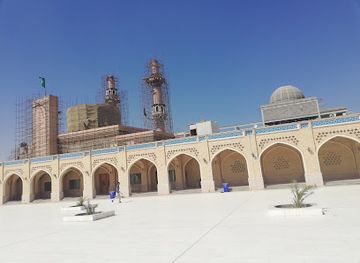
Explore Qadisiyyah on the map
Plan your trip on one map. See where the top cities, national parks and sights are, and book hotels and experiences in a few clicks.
Best hotels in Qadisiyyah
Best restaurants in Qadisiyyah
Eating in Qadisiyyah is primarily a local, informal experience centred on Al-Diwaniyah and the larger towns. Rice is central to the cuisine, and the governorate is associated with the cultivation of amber rice, a fragrant local variety whose availability depends on harvest and season. Meals commonly combine rice with grilled meat, chicken, stews, vegetables, yoghurt, flatbread and pickles, while freshwater fish reflects the river and canal environment. Dates, tea and simple sweets appear frequently in homes, markets and cafés. Restaurants tend to range from modest family establishments and kebab houses to hotel dining rooms, with rural roadside options more limited. Markets are useful places to see seasonal produce and locally traded staples, although visitors should choose food that is freshly prepared and served hot. Regional cooking forms part of the broader Iraqi culinary tradition, so dishes such as masgouf should not automatically be presented as exclusive to Qadisiyyah; the local distinction lies more in the rice-growing landscape, agricultural produce and everyday preparation.
-
Restaurant
Samad Restaurant
Experience the essence of Iraqi cuisine at Samad Restaurant in Erbil - where tradition meets flavor in every dish.
-
Restaurant
Jadiriyah Floating Restaurant
Discover exquisite Iraqi cuisine on the serene Tigris River at Jadiriyah Floating Restaurant – where flavor meets tranquility.
-
Restaurant
Alsajad Kebab Restaurant
Experience authentic Middle Eastern cuisine at Alsajad Kebab Restaurant in Al Diwaniyah—home to delicious kebabs and warm hospitality.
-
Doner kebab restaurant
Karam Baghdadi Restaurant and Gardens
Experience authentic Iraqi cuisine at Karam Baghdadi Restaurant, famous for its doner kebabs amidst lush gardens in Baghdad.


Best bars in Qadisiyyah
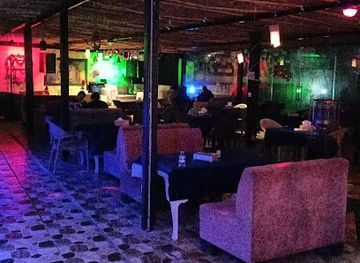
Qadisiyyah does not have a large international-style nightlife scene. Evening social life is more commonly found in tea houses, cafés, family restaurants and traditional meeting places, especially in Al-Diwaniyah. Men may gather over strong tea, conversation and football, while restaurants remain active into the evening according to local custom and prevailing conditions. In smaller towns, nightlife is quieter and usually connected to family visits, cafés or food rather than dedicated entertainment venues. Visitors should not expect a concentrated club district, and alcohol is not central to public social life; availability and acceptability vary, with many establishments not serving it. Any live music, cultural programming or seasonal public event should be checked locally because schedules and security arrangements can change. Modest dress, respectful behaviour and sensitivity to religious and family settings are important after dark as well as during the day.
-
Artist's Bar
Experience the lively atmosphere and diverse flavors at Artist's Bar, a top grill destination in Duhok, perfect for culinary enthusiasts.
-
Samarra terminal
Discover comfort and culture at Samarra Terminal, your relaxing lounge experience at Baghdad International Airport.
-

Generosity markets management and Walid Jassim
Discover the vibrant social scene at Generosity Markets, a local bar in Hor Rajab offering a unique taste of Babylon's nightlife and culture.
-
Live music bar
نفر
Discover the lively vibes of نفر Bar in Afak, where great drinks and local culture come together for an unforgettable experience.


Best nightclubs in Qadisiyyah
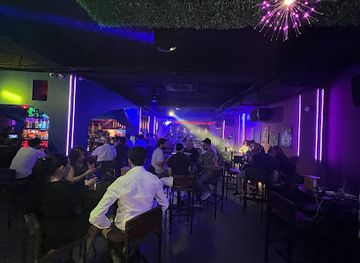
Qadisiyyah does not have a large international-style nightlife scene. Evening social life is more commonly found in tea houses, cafés, family restaurants and traditional meeting places, especially in Al-Diwaniyah. Men may gather over strong tea, conversation and football, while restaurants remain active into the evening according to local custom and prevailing conditions. In smaller towns, nightlife is quieter and usually connected to family visits, cafés or food rather than dedicated entertainment venues. Visitors should not expect a concentrated club district, and alcohol is not central to public social life; availability and acceptability vary, with many establishments not serving it. Any live music, cultural programming or seasonal public event should be checked locally because schedules and security arrangements can change. Modest dress, respectful behaviour and sensitivity to religious and family settings are important after dark as well as during the day.
-
Disco club
HERA Club
Discover the energetic nightlife at HERA Club, Erbil's top disco destination for unforgettable dance and music experiences.
-
Night club
Love time club
Discover the vibrant nightlife of Erbil at Love Time Club, where the music never stops and the fun is endless.
-
Night club
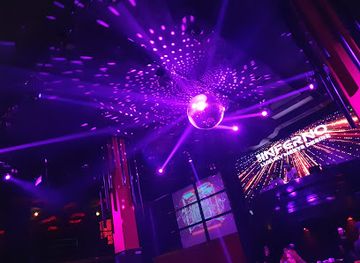
Inferno Erbil
Discover the electrifying nightlife at Inferno Erbil, where top DJs and vibrant vibes create an unforgettable experience.
-
Night club
LOTUS NIGHT CLUB
Dive into the nightlife at Lotus Night Club in Erbil, where vibrant energy and modern elegance create an unforgettable disco experience.


Best shops in Qadisiyyah
Shopping in Qadisiyyah is oriented towards everyday markets and locally produced food rather than destination retail. Al-Diwaniyah has the widest selection of shops, with traditional souqs and commercial streets selling clothing, household goods, spices, dates, rice and sweets. Smaller-town markets are useful for observing the agricultural economy and buying seasonal produce, but opening arrangements and product selection vary. Packaged Iraqi dates, locally grown rice and regional pantry goods can make appropriate souvenirs when labelled and transported in line with customs rules. Visitors may also find ordinary handicrafts, textiles and religious items, although Qadisiyyah is not primarily known for a single export craft comparable to Iraq’s historic carpet or metalworking centres elsewhere. Bargaining may occur in traditional markets, while prices in established shops are more often fixed; ask politely and pay in Iraqi dinars. Avoid purchasing unverified antiquities or ancient-looking objects, since archaeological material is protected and its export can create serious legal problems.
-
Shopping mall
Mansour Mall
Discover Mansour Mall: Baghdad's premier shopping destination for fashion, dining, and entertainment, blending local charm with modern amenities.
-
Store
Babylon Mall
Experience shopping, dining, and entertainment at Babylon Mall, the ultimate destination in Baghdad for a vibrant day out.
-
Shopping mall
Majidi Mall Sulaimaniyah
Discover Majidi Mall in Sulaymaniyah: a vibrant shopping center blending local charm with international brands, dining, and entertainment.
-
Shopping mall
Family Mall Duhok
Discover Family Mall Duhok: A vibrant shopping hub with diverse stores, delightful dining, and family-friendly entertainment in the heart of Duhok.


Get your free copy of our complete guide to Qadisiyyah, delivered straight to you.
Everything on this page, from attractions and restaurants to essentials and local phrases, in one PDF you can read offline, print or share.
Already have an account? Sign in
Your Qadisiyyah guide is ready.
We'll send it to · Not you? Sign out

Getting your guide ready…
We are putting together a fresh copy of the Qadisiyyah guide. This can take up to a minute.
This can take a few moments. If your browser asks, choose Allow so the download can start. You'll find the guide in your Downloads folder.
Nothing happened? Download it again
Sorry, the guide is taking longer than usual. Please try again in a minute, or get it by email instead.
Qadisiyyah essentials
Currency and Payment
Safety
Emergency Situations
Do's and Don'ts
Local Tips
From Eve
Local phrases worth knowing
You don't need to get them perfect. A few words go a long way, and locals appreciate the effort.
Basics
| English | Local | Say it |
|---|---|---|
| Hello | مرحبا | [Marhaba] |
| Goodbye | مع السلامة | [Ma'a as-salama] |
| Yes | نعم | [Na'am] |
| No | لا | [La] |
| Please/You're welcome | من فضلك | [Min fadlik] |
| Thank you | شكرا | [Shukran] |
| Excuse me/Sorry | عفوا | [Afwan] |
| How are you? | كيف حالك؟ | [Kayfa halak?] |
| Fine. And you? | بخير. وأنت؟ | [Bikhayr. Wa anta?] |
| Do you speak English? | هل تتحدث الإنجليزية؟ | [Hal tatahadath al-ingliziyya?] |
| I don't understand | لا أفهم | [La afham] |
Eating & Drinking
| English | Local | Say it |
|---|---|---|
| I'd like to see the menu, please | أود رؤية القائمة، من فضلك | [Awad ru'yat al-qa'ima, min fadlik] |
| I don't eat meat | لا آكل اللحم | [La akul al-lahm] |
| Cheers! | في صحتك! | [Fi sihtik!] |
| I would like to pay, please | أود الدفع، من فضلك | [Awad al-daf', min fadlik] |
Emergencies
| English | Local | Say it |
|---|---|---|
| Help! | مساعدة! | [Musada'a!] |
| Go away! | ابتعد! | [Ibt'id!] |
| Call the Police! | اتصل بالشرطة! | [Ittasil bil-shurta!] |
| Call a doctor! | اتصل بطبيب! | [Ittasil bi-tabeeb!] |
| I'm lost | أنا ضائع | [Ana da'i'] |
| I'm ill | أنا مريض | [Ana marid] |
Shopping
| English | Local | Say it |
|---|---|---|
| I'd like to buy... | أود شراء... | [Awad shira'a...] |
| I'm just looking | أنا فقط أنظر | [Ana faqat anthur] |
| How much is it? | كم ثمنه؟ | [Kam thamanuh?] |
| That's too expensive | هذا غالي جدا | [Hatha ghali jidan] |
| Can you lower the price? | هل يمكنك تخفيض السعر؟ | [Hal yumkinuka takhfid al-si'r?] |
Time & Numbers
| English | Local | Say it |
|---|---|---|
| What time is it? | كم الساعة؟ | [Kam al-sa'a?] |
| It's one o'clock | الساعة واحدة | [Al-sa'a wahida] |
| Half past (10) | نصف الساعة (10) | [Nisf al-sa'a (10)] |
| Morning | صباحا | [Sabahan] |
| Afternoon | بعد الظهر | [Ba'd al-zuhur] |
| Evening | مساء | [Masa'a] |
| Yesterday | أمس | [Ams] |
| Today | اليوم | [Al-yawm] |
| Tomorrow | غدا | [Ghadan] |
| 1 | واحد | [Wahid] |
| 2 | اثنان | [Ithnain] |
| 3 | ثلاثة | [Thalatha] |
| 4 | أربعة | [Arba'a] |
| 5 | خمسة | [Khamsa] |
| 6 | ستة | [Sitta] |
| 7 | سبعة | [Sab'a] |
| 8 | ثمانية | [Thamaniya] |
| 9 | تسعة | [Tis'a] |
| 10 | عشرة | [Ashara] |
Transport & Directions
| English | Local | Say it |
|---|---|---|
| Where's a/the...? | أين الـ...؟ | [Ayna al...?] |
| What's the address? | ما هو العنوان؟ | [Ma huwa al-'unwan?] |
| Can you show me (on the map)? | هل يمكنك أن تريني (على الخريطة)؟ | [Hal yumkinuka an turini (ala al-kharita)?] |
| When's the next (bus)? | متى تكون الحافلة القادمة؟ | [Mata takun al-hafila al-qadima?] |
| A ticket (to ....) | تذكرة (إلى ...) | [Tadhkarah (ila ...)] |
History of Qadisiyyah
Nippur and the Sumerian Religious World
Nippur, near modern Afak, was one of the most influential cities of ancient Sumer. Its principal sanctuary was dedicated to Enlil, whose religious authority gave the city importance even when other rulers controlled southern Mesopotamia. Nippur was also a centre of scribal education, administration and literary production. Thousands of cuneiform tablets found there record economic transactions, legal matters, hymns and works of literature. The site demonstrates how temples functioned not only as places of worship but also as institutions involved in landholding, labour and political legitimacy. Its remains are among Qadisiyyah’s clearest links with the formative urban civilisation of Mesopotamia.
Isin and the Early Second Millennium BCE
Isin, generally identified with the mound of Ishan al-Bahriyat in Qadisiyyah, became prominent after the collapse of the Third Dynasty of Ur at the end of the third millennium BCE. Its rulers claimed authority over parts of southern Mesopotamia and helped preserve administrative and literary traditions that had developed in earlier Sumerian cities. The city was involved in the political competition that also included Larsa and Babylon. Although its power eventually declined, Isin remained an important urban centre for centuries. The archaeological mound records the succession of settlements that transformed the Euphrates plain into one of the world’s most intensively urbanised early landscapes.
Imperial Rule in the Euphrates Plain
The territory of modern Qadisiyyah passed through the political systems that controlled southern Mesopotamia, including Babylonian, Achaemenid Persian, Seleucid, Parthian and Sasanian rule. Irrigation agriculture remained the foundation of settlement, while cities and canals connected local communities to larger imperial economies. Over time, waterways shifted and some ancient urban centres were abandoned or moved, leaving the low archaeological tells visible today. The region’s history was therefore shaped not only by dynasties but also by the management of the Euphrates, whose changing channels could sustain cities, damage fields or isolate settlements.
The Arab-Muslim Conquest and the Battle of al-Qadisiyyah
The governorate’s name refers to al-Qadisiyyah, the battle traditionally dated to 636 CE during the Arab-Muslim conquest of the Sasanian Empire. The exact location of the battlefield remains a matter of historical and geographical discussion, and it should not be confused automatically with a single modern site in the governorate. In the wider Iraqi historical imagination, however, the battle marks the defeat of Sasanian forces and the beginning of a major political and religious transformation in Iraq. The name preserves that association, while the Euphrates plain continued to develop through new settlements, irrigation systems and Islamic institutions.
Ottoman Administration and Agricultural Continuity
For much of the early modern period, the region formed part of the Ottoman domains in Iraq. Ottoman administration was uneven across the countryside, where tribal relationships, local landholders and irrigation needs strongly influenced daily life. Settlements expanded and contracted according to the condition of canals and the security of routes linking the Euphrates towns. Al-Diwaniyah developed as a regional administrative and commercial centre in the modern Ottoman period, and its name reflects the administrative institutions associated with a diwan. Agriculture, especially grain and rice cultivation, remained central to the local economy.
The Modern Governorate and Al-Diwaniyah
Qadisiyyah emerged as a distinct modern Iraqi governorate during the administrative reorganisation of the twentieth century, with Al-Diwaniyah as its capital. Modern roads, public services and agricultural schemes altered the relationship between towns, villages and the river system, while national political changes affected land ownership and rural society. The governorate was named for the historic battle and became part of the contemporary state of Iraq after the end of the monarchy in 1958. Today its identity combines provincial urban life, intensive agriculture and an archaeological legacy that links present communities with the ancient cities of southern Mesopotamia.
Qadisiyyah in Photos
Browse through our photo collection highlighting the charm and character of the destination.
Neighbouring regions of Qadisiyyah
The closest regions to Qadisiyyah, if you have time for more than one.
-

-

-

-
-


Swipe for more regions
Explore more

Explore more of Iraq
Explore the cradle of civilization in Iraq, where ancient history, rich culture, and diverse landscapes create an unforgettable travel experience.
Explore Iraq