Slemani Museum, Sulaymaniyah Travel Guide
Free Guide: Explore millennia of Kurdish history at the Slemani Museum, showcasing artifacts from prehistoric times to the Ottoman era.


A brief summary of Slemani Museum
Explore millennia of Kurdish history at the Slemani Museum, showcasing artifacts from prehistoric times to the Ottoman era.
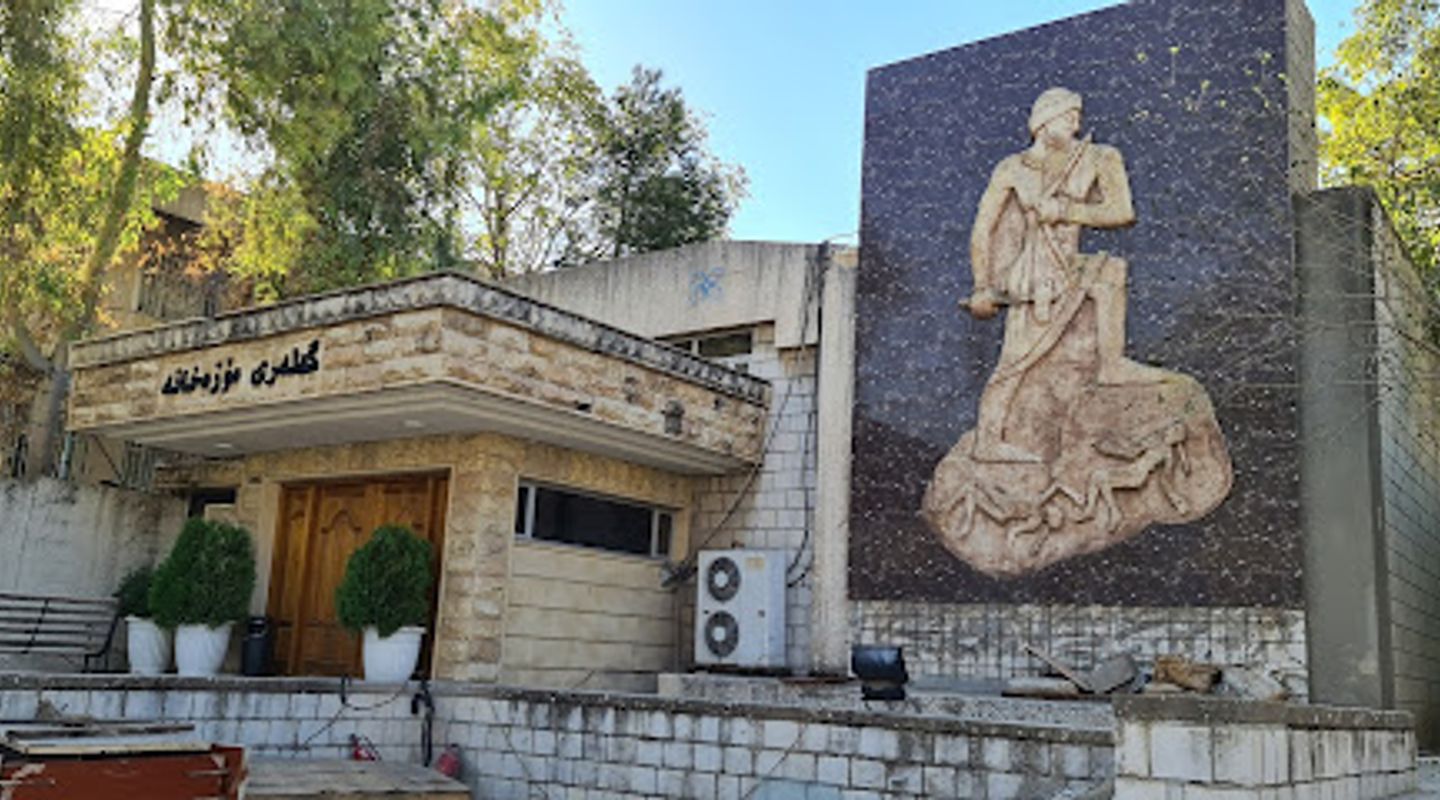
The Slemani Museum in Sulaymaniyah, Iraq, is the second-largest museum in the country, showcasing artifacts from prehistoric times through the Ottoman period. It offers a rich glimpse into the region's diverse cultural heritage and is a must-see for history enthusiasts.
Opening hours
- Every day8 am–5 pm
Opening hours as listed on the venue’s Google Business Profile. Hours can change for services and special events, so check with the venue before you go.
- Address
- Sulaymany museum, Şeqamî Bêxud, Sulaymaniyah, Sulaymaniyah Governorate
- Phone
- Website
Getting there
Taxi
Walking
Discover more about Slemani Museum
Overview
The Slemani Museum, also known as Slemani or Sulaymaniyah Museum, is an archaeological museum located in the heart of Sulaymaniyah in the Kurdistan Region of Iraq. Established in 1961, it stands as the second largest museum in Iraq after the National Museum in Baghdad. The museum's collection spans from the prehistoric era to the late Islamic and Ottoman periods, providing a comprehensive overview of the region's history.The museum initially occupied a small building in the Al-Shorsh neighborhood before moving to its current, larger location on Salem Street in 1980. The building covers 6,000 square meters and consists of a single floor. The artifacts are displayed in halls that were renovated by UNESCO. The Slemani Museum houses a diverse collection of artifacts, including pottery, tools, sculptures, and epigraphical inscriptions. These items tell the stories of the Mesopotamian era and the evolution of human civilization in the region. The museum also features a Prehistory Gallery, opened in 2021, with exhibits focusing on climate change, sustainability, and community development.The museum has played a crucial role in preserving and recovering stolen artifacts, particularly after the 2003 invasion of Iraq. It has also collaborated with international organizations like UNESCO to renovate and expand its facilities.
Evendo Review Centre
 Google
Guest reviews
Explore Slemani Museum on the map
A handpicked selection of must-see spots near Slemani Museum, mapped for you.
Get your free copy of our complete guide to Slemani Museum, delivered straight to you.
Everything on this page, from opening hours and how to get there to Eve’s tips and the best time to go, in one PDF you can read offline, print or share.
Already have an account? Sign in
Your Slemani Museum guide is ready.
We'll send it to · Not you? Sign out

Getting your guide ready…
We are putting together a fresh copy of the Slemani Museum guide. This can take up to a minute.
This can take a few moments. If your browser asks, choose Allow so the download can start. You'll find the guide in your Downloads folder.
Nothing happened? Download it again
Sorry, the guide is taking longer than usual. Please try again in a minute, or get it by email instead.
Other nearby places you may find interesting
The closest places of the same kind, if this one is not quite what you had in mind.
-
-
-
-
-


Swipe for more places
More to explore near Slemani Museum

 Best experiences near Slemani Museum
 Best hotels near Slemani Museum
 Best landmarks near Slemani Museum
 Best attractions near Slemani Museum
 Best shops near Slemani Museum
 Best restaurants near Slemani Museum
 Best bars near Slemani Museum
Do you manage this location?
Take control to get all the benefits, like improved information, better appearance, and stronger visibility across AI-powered discovery.
Explore more

Explore more of Sulaymaniyah
Discover Sulaymaniyah, a city where modernity meets tradition, offering a unique blend of cultural richness, historical treasures, and breathtaking natural beauty.
Explore Sulaymaniyah
Explore more of Iraq
Explore the cradle of civilization in Iraq, where ancient history, rich culture, and diverse landscapes create an unforgettable travel experience.
Explore Iraq