Tigris, Tigris Region Travel Guide
Explore the Tigris River: Witness the legacy of ancient Mesopotamia and the enduring lifeline of civilization in the Middle East.
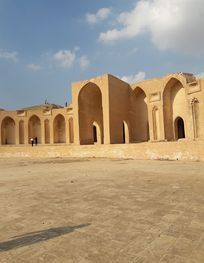
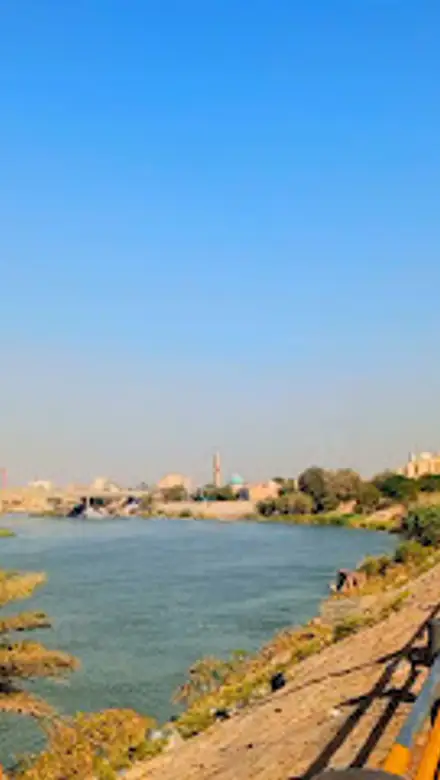
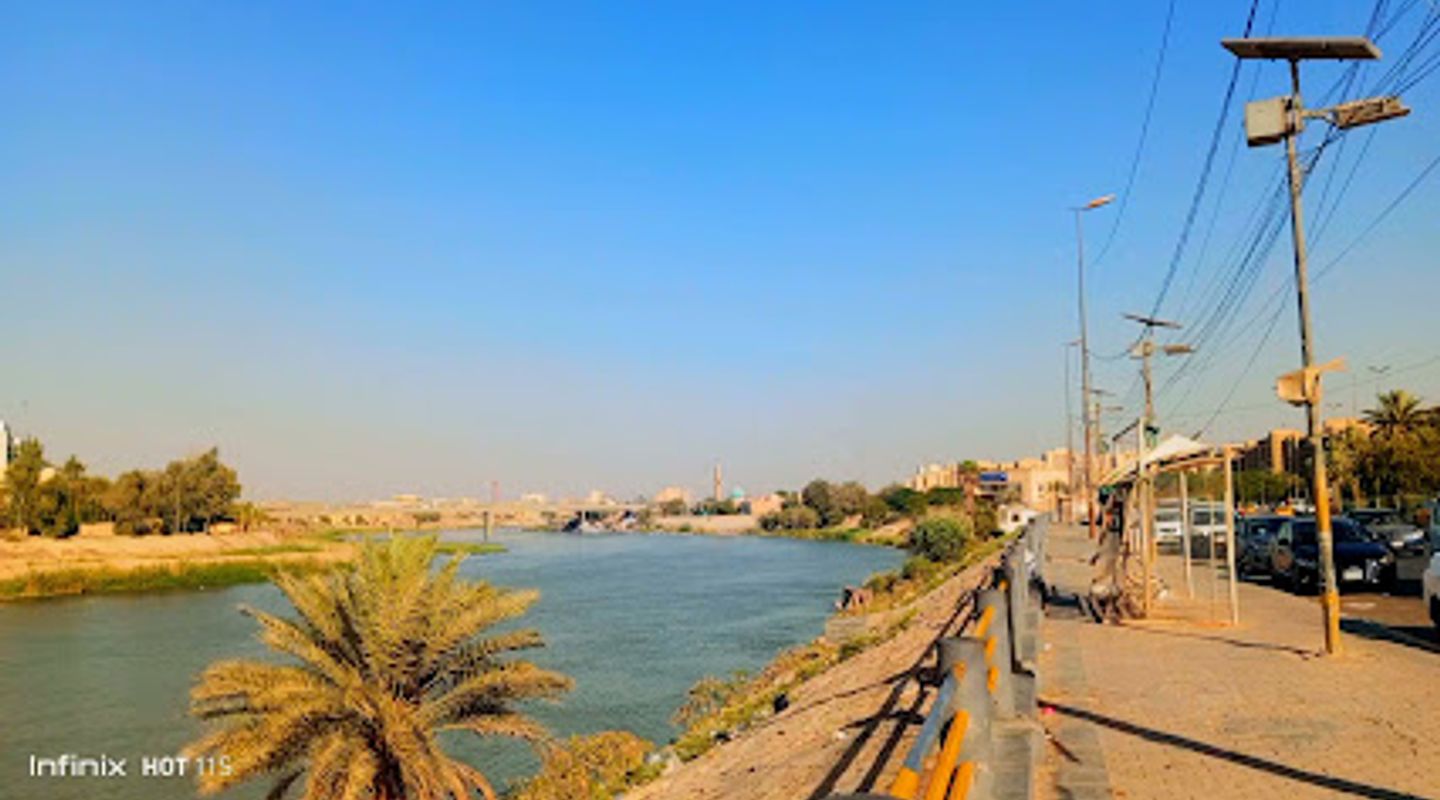
The Tigris River, the eastern lifeline of Mesopotamia, flows through Turkey, Syria, and Iraq. It's a historical water source that enabled the rise of ancient civilizations like Sumer, Akkad, Assyria, and Babylonia, shaping the region's culture and landscape.
A brief summary to Tigris

Know before you go
Hi, I'm Eve. Here are a few practical things to know before exploring Tigris.
- Check local travel advisories and regulations before planning your visit to ensure a safe and smooth trip.
- Explore the historical cities along the Tigris, such as Baghdad, to experience the blend of ancient heritage and modern life.
- Try local Iraqi cuisine, which reflects the region's rich culinary traditions and agricultural history.
- Consider a boat trip on the Tigris to appreciate the landscapes and gain a unique perspective on the region's geography.
Do you manage this location?
Take control to get all the benefits, like improved information, better appearance, and stronger visibility across AI-powered discovery. Learn more about listing your business on Evendo
Activate your presenceOther nearby places you may find interesting
The closest places of the same kind, if this one is not quite what you had in mind.
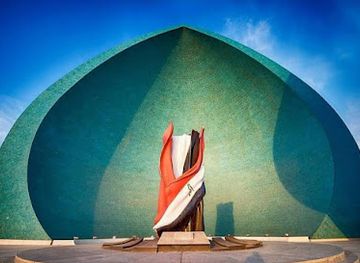
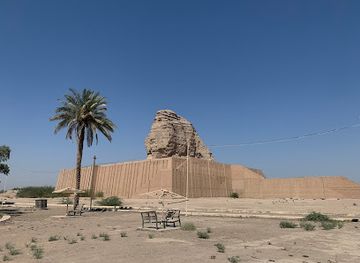
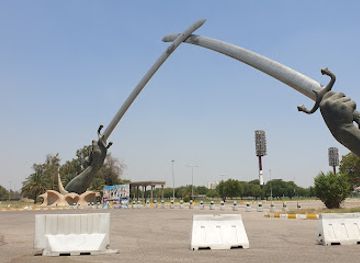
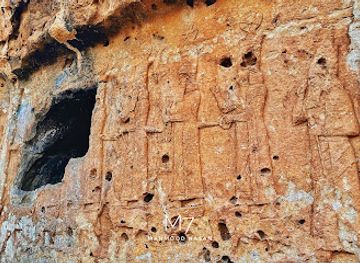

Explore Tigris on the Map
A handpicked selection of must-see spots near Tigris, mapped for you.
Unlock the Best of Tigris
Buy tickets
-
No tickets available
Book tours with entry


Book tours without entry
-
No tours available
Getting There
-
Walking
In Baghdad, many key sites are near the Tigris River. From the National Museum of Iraq, walk east towards the riverfront. The walk is approximately 15-20 minutes. Enjoy the views of the river as you approach. Note that walkways may be uneven in places.
-
Taxi
Taxis are readily available in Baghdad. A short taxi ride from Al-Mutanabbi Street to a location along the Tigris River, such as near the Baghdad Museum, will typically cost between 3,000 to 5,000 Iraqi Dinar. Ensure the meter is running or negotiate the fare beforehand.
Discover more about Tigris













Your all‑in‑one travel companion app
Explore expert travel guides, compare and book tours, experiences, hotels, and more—all from the palm of your hand. Download now for seamless trip planning wherever your wanderlust takes you.


Explore More of Tigris Region
Looking beyond Tigris? Discover Tigris Region for broader travel guides, local hot-spots, and regional highlights.
Explore Tigris Region