

Free Tigris Region Travel Guide & Mobile App
Explore Tigris Region with free travel guides. Discover regional history, expert tips, proposed trips, and audio guides on web or mobile app.


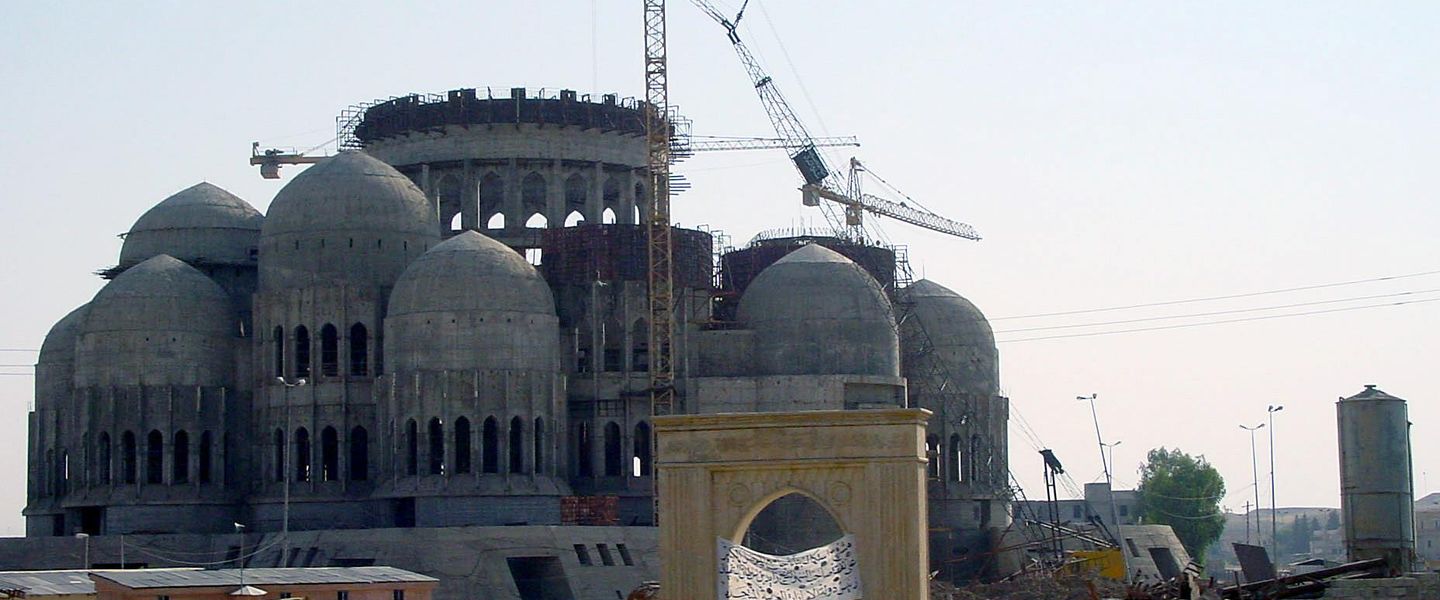


Explore Iraq’s Tigris Region from Baghdad to Mosul, tracing Assyrian, Abbasid and modern history through river cities, markets and monuments.
Read more about Tigris Region
When is the best time to visit Tigris Region?
Best: April, October–November · 20–28°C| Month | High (°C) | Rainfall (mm) |
|---|---|---|
| January | 13 | 40 |
| February | 15 | 35 |
| March | 20 | 30 |
| April (best) | 26 | 25 |
| May | 33 | 10 |
| June | 38 | 5 |
| July | 41 | 0 |
| August | 41 | 0 |
| September | 36 | 5 |
| October (best) | 28 | 10 |
| November (best) | 20 | 20 |
| December | 14 | 30 |
Getting to and around Tigris Region
How to get there
Transportation
Top city travel guides in Tigris Region
The cities of Tigris Region, and the easiest places to base yourself.
-

-

-


Swipe for more cities
Destinations in Tigris Region
Resorts, valleys and scenic spots worth a trip of their own.

Swipe for more destinations
Best attractions in Tigris Region
The Tigris Region’s attractions are defined by a sequence of river cities, archaeological landscapes and living urban cultures rather than by a single resort or concentrated sightseeing district. Baghdad offers museums, historic quarters, book culture and public spaces along the river, while Ctesiphon, south of the capital, preserves the monumental Taq Kasra from the imperial age. Samarra is known for its Abbasid remains and the Malwiya spiral minaret, although access to religious and archaeological areas needs current confirmation. Tikrit provides a historic river setting with connections to ancient, Islamic and modern Iraqi history. Near Ash-Shirqat, Ashur presents an extensive Assyrian archaeological landscape, and around Mosul the remains of Nimrud and the old city express the scale of northern Mesopotamian civilisation. Visitors should distinguish between accessible heritage, active reconstruction zones and restricted archaeological areas. The river itself, agricultural scenery and changing urban environments add context, but outdoor visits require heat protection, local guidance and respect for security boundaries.
-
Lake
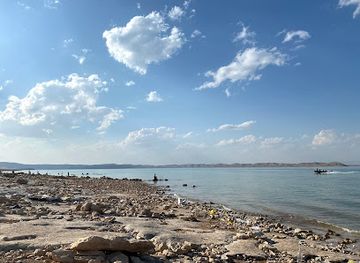
Mosul Dam Lake
Explore the vast reservoir of Mosul Dam Lake: a place of scenic beauty, vital resources, and a symbol of Iraq's enduring spirit.
-
Park
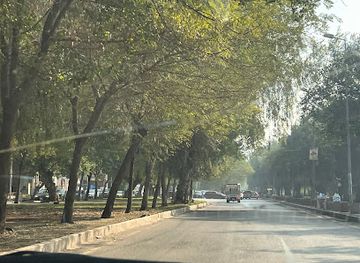
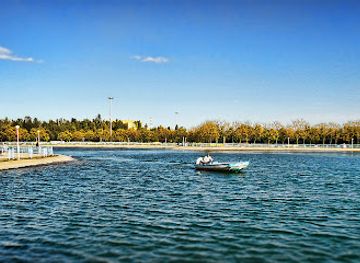
Tigris Park
Escape to serenity in the heart of Baghdad at Tigris Park, a lush green space along the historic Tigris River.
Best landmarks in Tigris Region
The Tigris corridor contains landmarks that represent several distinct eras of Iraqi history. Baghdad’s riverfront skyline and historic urban quarters express the continuing importance of the capital, while al-Mutanabbi Street is a cultural landmark associated with books, scholarship and public life. The Taq Kasra at Ctesiphon, south of Baghdad, is the surviving vaulted hall of a major Parthian and Sasanian royal complex and one of the region’s most recognisable pre-Islamic structures. Samarra’s Malwiya minaret is an extraordinary spiral monument of Abbasid architecture, rising above the remains of the former caliphal city. Ashur’s temples, defensive walls and elevated river setting illuminate the origins of Assyrian imperial power. In Mosul, the old city, the Tigris bridges and the al-Nuri mosque complex are important symbols of urban heritage, though reconstruction and access remain ongoing. These places should be approached as living heritage, not merely photographic backdrops.
-
Castle
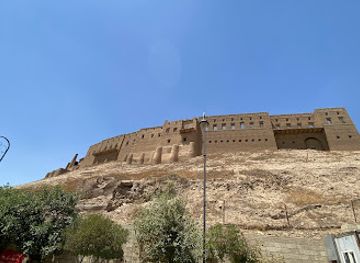
Erbil Citadel
Explore Erbil Citadel, a UNESCO World Heritage Site and one of the world's oldest continuously inhabited cities, in the heart of Iraqi Kurdistan.
-
Park
Samî Abdulrahman Park
Escape to Erbil's largest green space: gardens, lakes, sports, and cultural events in a peaceful, family-friendly environment.
-
River
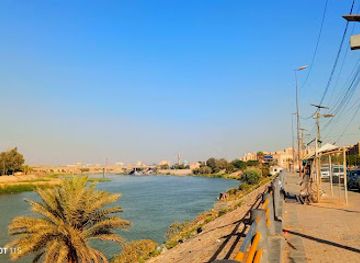
Tigris
Explore the Tigris River: Witness the legacy of ancient Mesopotamia and the enduring lifeline of civilization in the Middle East.
-
Bridge
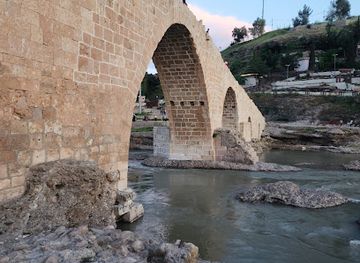
Dalal Bridge
Discover the ancient beauty of Dalal Bridge in Zakho, a timeless landmark with stunning views and rich history.
Explore Tigris Region on the map
Plan your trip on one map. See where the top cities, national parks and sights are, and book hotels and experiences in a few clicks.
Best hotels in Tigris Region
Best restaurants in Tigris Region
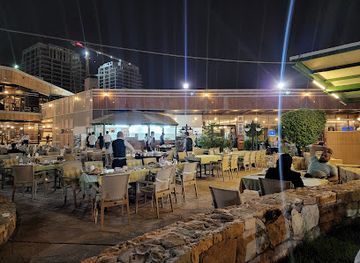
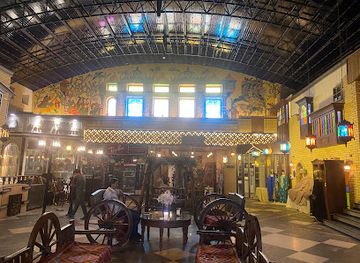
Dining along the Tigris corridor reflects Iraq’s wider culinary culture while varying between capital-city restaurants, family kitchens, cafés and roadside establishments. In Baghdad, visitors can find broad choices of grilled meats, rice dishes, stews, soups, flatbreads, falafel, kubba and sweets, with more contemporary dining concentrated in established commercial districts. Northern cities add their own preferences in seasoning, breads and meat preparations, while Mosul is associated with dishes such as Mosuli kubba and a strong tradition of pastries and savoury filled breads. Dates, pickles, yoghurt, tea and cardamom coffee are common features of Iraqi hospitality. Restaurants may be informal, and menus are not always written in English, so a local guide can help with ordering and dietary questions. Street food should be chosen from busy, well-maintained premises, and visitors should drink treated or bottled water.
-
Restaurant
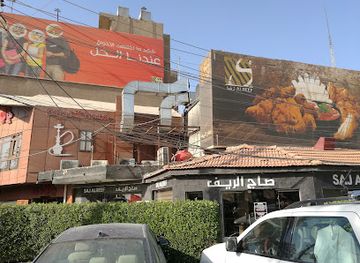
Saj Alreef Restaurant - Karada
Discover traditional Iraqi cuisine at Saj Alreef Restaurant in Karada - a delightful dining experience awaits you in Baghdad.
-
Restaurant
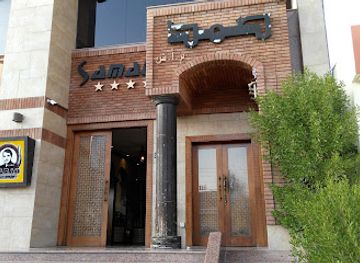
Samad Restaurant
Experience authentic Iraqi cuisine at Samad Restaurant in Erbil—where tradition meets flavor in a vibrant dining atmosphere.
-
Restaurant
Abu Shahab City Restaurant
Experience authentic Iraqi cuisine at Abu Shahab City Restaurant in Erbil - where tradition meets modern culinary excellence.
-
Restaurant
Oyoon Baghdad Restaurants
Experience authentic Iraqi cuisine with stunning views at Oyoon Baghdad – where tradition meets taste along the Tigris River.
Best bars in Tigris Region
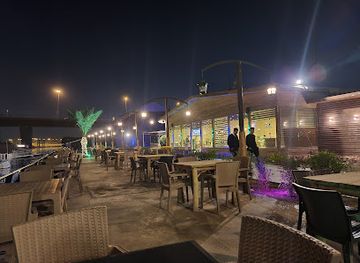
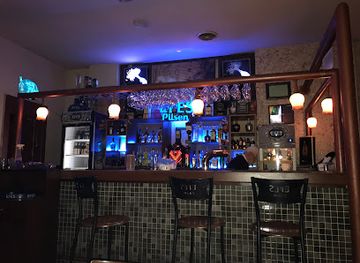
Nightlife in the Tigris Region is generally centred on cafés, restaurants, hotel lounges and evening gatherings rather than a large international club scene. Baghdad has the widest choice of late-opening dining, tea houses, cultural events and contemporary cafés, while the capital’s book and literary culture gives some central areas an evening identity beyond entertainment. In Mosul, Tikrit and smaller river towns, evenings are more likely to involve family restaurants, tea shops and private social occasions; availability can be limited by security conditions and local custom. Alcohol is not a defining part of public life and is inappropriate near shrines, mosques and religious settings. Visitors should confirm venue status locally, avoid isolated areas after dark and keep transport arranged rather than relying on spontaneous late-night travel.
-
Bar
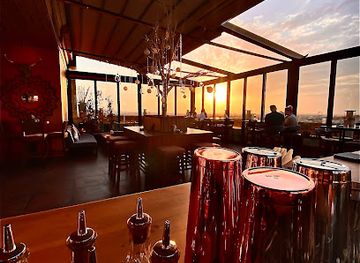
Mars Rooftop
Experience the captivating views and lively atmosphere at Mars Rooftop, Erbil's premier bar offering exquisite drinks and unforgettable moments.
-
Bar
D lounge & Restaurant
Experience the vibrant nightlife of Baghdad at D Lounge & Restaurant, where delicious cuisine meets an energetic bar atmosphere.
-
Bar
EFES BAR DUHOK
Discover the festive spirit of Kurdistan at EFES BAR DUHOK, where great drinks and lively music create unforgettable memories.
-
Pub
Siduri Pub - رێستورانتی سیدووری
Experience the vibrant atmosphere and exquisite flavors at Siduri Pub in Erbil, a perfect blend of culture and cuisine for every traveler.

Best nightclubs in Tigris Region
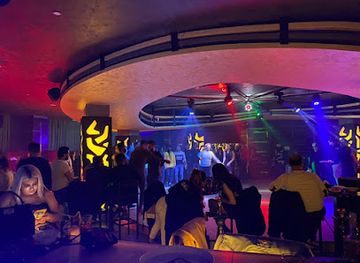
Nightlife in the Tigris Region is generally centred on cafés, restaurants, hotel lounges and evening gatherings rather than a large international club scene. Baghdad has the widest choice of late-opening dining, tea houses, cultural events and contemporary cafés, while the capital’s book and literary culture gives some central areas an evening identity beyond entertainment. In Mosul, Tikrit and smaller river towns, evenings are more likely to involve family restaurants, tea shops and private social occasions; availability can be limited by security conditions and local custom. Alcohol is not a defining part of public life and is inappropriate near shrines, mosques and religious settings. Visitors should confirm venue status locally, avoid isolated areas after dark and keep transport arranged rather than relying on spontaneous late-night travel.
-
Disco club
HERA Club
Experience the vibrant nightlife of Erbil at HERA Club, a premier disco destination with electrifying music and an unforgettable atmosphere.
-
Night club
Love time club
Discover the vibrant nightlife of Erbil at Love Time Club, where music, dance, and Kurdish hospitality come together for an unforgettable experience.
-
Night club
Inferno Erbil
Experience the vibrant nightlife of Erbil at Inferno, where electrifying music and a pulsating atmosphere create unforgettable moments.
-
Night club
LOTUS NIGHT CLUB
Discover the vibrant nightlife of Erbil at Lotus Night Club, where unforgettable music and dance await in a stylish atmosphere.



Best shops in Tigris Region
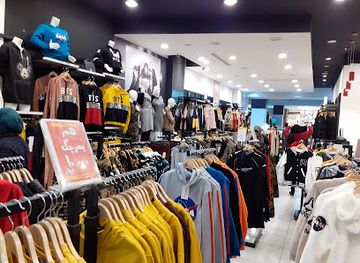
Shopping is most varied in Baghdad, where traditional bookshops, food sellers, craft businesses and modern commercial areas coexist with older markets. Al-Mutanabbi Street is particularly associated with books and literary culture, while the copper workers’ market traditionally known as Souq al-Safafeer represents Baghdad’s historic metalworking identity, though visitors should check current conditions and business activity. In Mosul, traditional market areas and the Qaysariyah bazaar reflect the city’s historic role as a commercial centre, but post-conflict reconstruction has affected premises and access. Across the region, useful purchases include dates, spices, sweets, tea, textiles, copperware, ceramics and locally made craft items. Buy through established sellers, avoid antiquities and archaeological objects entirely, and confirm customs rules before exporting antiques, artworks or objects that might be considered cultural property.
-
Shopping mall
Family Mall Erbil
Experience the best of shopping, dining, and entertainment at Family Mall Erbil, a vibrant hub for tourists and locals alike.
-
Shopping mall
Mansour Mall
Explore Mansour Mall: A bustling hub of shopping, dining, and entertainment in the heart of Baghdad.
-
Store
Babylon Mall
Experience the best of shopping, dining, and entertainment at Babylon Mall in Baghdad – a family-friendly destination with something for everyone.
-
Shopping mall
Family Mall Duhok
Discover the ultimate shopping experience at Family Mall Duhok, blending local culture with modern retail and dining in a vibrant atmosphere.
Get your free copy of our complete guide to Tigris Region, delivered straight to you.
Everything on this page, from attractions and restaurants to essentials and local phrases, in one PDF you can read offline, print or share.
Already have an account? Sign in
Your Tigris Region guide is ready.
We'll send it to · Not you? Sign out

Getting your guide ready…
We are putting together a fresh copy of the Tigris Region guide. This can take up to a minute.
This can take a few moments. If your browser asks, choose Allow so the download can start. You'll find the guide in your Downloads folder.
Nothing happened? Download it again
Sorry, the guide is taking longer than usual. Please try again in a minute, or get it by email instead.
Tigris Region essentials
Currency and Payment
Safety
Emergency Situations
Do's and Don'ts
Local Tips
From Eve
Local phrases worth knowing
You don't need to get them perfect. A few words go a long way, and locals appreciate the effort.
Basics
| English | Local | Say it |
|---|---|---|
| Hello | مرحبا | [Marhaban] |
| Goodbye | وداعا | [Wada'an] |
| Yes | نعم | [Na'am] |
| No | لا | [La] |
| Please/You're welcome | من فضلك | [Min fadlik] |
| Thank you | شكرا | [Shukran] |
| Excuse me/Sorry | عفوا | [Afwan] |
| How are you? | كيف حالك؟ | [Kayfa halak?] |
| Fine. And you? | بخير. وأنت؟ | [Bikhair. Wa anta?] |
| Do you speak English? | هل تتحدث الإنجليزية؟ | [Hal tatahaddath al-ingliziyya?] |
| I don't understand | لا أفهم | [La afham] |
Eating & Drinking
| English | Local | Say it |
|---|---|---|
| I'd like to see the menu, please | أود رؤية القائمة، من فضلك | [Awad ru'yat al-qa'ima, min fadlik] |
| I don't eat meat | لا آكل اللحم | [La akul al-lahm] |
| Cheers! | صحتين | [Sahteen] |
| I would like to pay, please | أود الدفع، من فضلك | [Awad al-daf', min fadlik] |
Emergencies
| English | Local | Say it |
|---|---|---|
| Help! | نجدة! | [Najda!] |
| Go away! | اذهب بعيدا! | [Idhhab ba'idan!] |
| Call the Police! | اتصل بالشرطة! | [Ittasil bil-shurta!] |
| Call a doctor! | اتصل بالطبيب! | [Ittasil bil-tabeeb!] |
| I'm lost | أنا ضائع | [Ana da'i'] |
| I'm ill | أنا مريض | [Ana marid] |
Shopping
| English | Local | Say it |
|---|---|---|
| I'd like to buy... | أود شراء... | [Awad shira'] |
| I'm just looking | أنا فقط أنظر | [Ana faqat anzur] |
| How much is it? | كم ثمنه؟ | [Kam thamanu?] |
| That's too expensive | هذا غالي جدا | [Hatha ghali jidan] |
| Can you lower the price? | هل يمكنك تخفيض السعر؟ | [Hal yumkinuka takhfid al-si'r?] |
Time & Numbers
| English | Local | Say it |
|---|---|---|
| What time is it? | كم الساعة؟ | [Kam al-sa'ah?] |
| It's one o'clock | الساعة الواحدة | [Al-sa'ah al-wahidah] |
| Half past (10) | نصف الساعة (10) | [Nisf al-sa'ah (10)] |
| Morning | صباح | [Sabah] |
| Afternoon | ظهر | [Zuhr] |
| Evening | مساء | [Masa'] |
| Yesterday | أمس | [Ams] |
| Today | اليوم | [Al-yawm] |
| Tomorrow | غدا | [Ghadan] |
| 1 | ١ | [1] |
| 2 | ٢ | [2] |
| 3 | ٣ | [3] |
| 4 | ٤ | [4] |
| 5 | ٥ | [5] |
| 6 | ٦ | [6] |
| 7 | ٧ | [7] |
| 8 | ٨ | [8] |
| 9 | ٩ | [9] |
| 10 | ١٠ | [10] |
Transport & Directions
| English | Local | Say it |
|---|---|---|
| Where's a/the...? | أين الـ...؟ | [Ayn al...?] |
| What's the address? | ما هو العنوان؟ | [Ma huwa al-‘unwan?] |
| Can you show me (on the map)? | هل يمكنك أن تريني (على الخريطة)؟ | [Hal yumkinuka an turini (ala al-kharita)?] |
| When's the next (bus)? | متى يكون (الباص) القادم؟ | [Mata yakun (al-bus) al-qadim?] |
| A ticket (to ....) | تذكرة (إلى ....) | [Tadhkara (ila ....)] |
History of Tigris Region
Early Mesopotamian Settlement and the Tigris
The Tigris formed one of the principal settings for the development of Mesopotamian civilisation. Communities along its banks farmed irrigated land, traded by river and built increasingly complex cities and states. Southern and central Iraq are more closely associated with the Euphrates and lower alluvial plain, but the Tigris corridor was essential to the movement of people, goods and political influence across the country. Archaeological landscapes along the river preserve evidence of settlement, religious institutions and administrative systems that helped shape the ancient Near East.
Ashur and the Assyrian Empire
Ashur, on the west bank of the Tigris near modern Ash-Shirqat, was the earliest capital and religious centre of Assyria. From the second millennium BC, Assyrian rulers developed a state whose influence eventually extended across much of the Near East. The city’s temples, palaces and fortifications reveal the close relationship between royal authority and the worship of the god Ashur. Later Assyrian capitals, including Nimrud and Nineveh farther north, expanded this imperial tradition. Their surviving ruins are among the most important archaeological legacies of the Tigris corridor.
Ctesiphon and the Sasanian Age
Near the Tigris south of modern Baghdad, Ctesiphon became the principal capital of the Parthian and later Sasanian empires. Its enormous vaulted hall, commonly known as the Taq Kasra, belonged to a royal complex that symbolised the power of the Persian empires governing Mesopotamia before the Arab-Islamic conquests. Ctesiphon stood at a strategic point between the Iranian plateau and the cities of the western Near East. Its remains demonstrate how the Tigris supported imperial administration, commerce and movement long before the rise of Baghdad.
The Abbasid Golden Age in Baghdad and Samarra
The Abbasid caliphate made Baghdad its capital in the eighth century, establishing a new centre of politics, learning, translation and long-distance trade on the Tigris. In the ninth century, the court moved to Samarra, where a vast planned capital developed along the river. The Great Mosque and its spiral minaret are the most famous surviving monuments of this period. Although the political centre later returned to Baghdad, both cities retain the imprint of Abbasid urban ambition and the intellectual networks that connected Iraq with the wider Islamic world.
Mongol Conquest and the Transformation of the River Cities
The Mongol capture of Baghdad in 1258 ended Abbasid political power in the city and marked a major rupture in the history of the Tigris corridor. Urban institutions, irrigation systems and patterns of regional authority were disrupted, although Baghdad and other river settlements continued to recover and adapt under successive dynasties. Samarra, Tikrit and Mosul remained important local centres, while the Tigris continued to support agriculture and transport. The period illustrates both the vulnerability and resilience of cities dependent on river systems and imperial networks.
Ottoman Rule, Modern State Formation and Conflict
For several centuries, Baghdad, Mosul and the central Tigris districts were incorporated into the Ottoman administrative and commercial world, with local notables, tribal relationships and river trade shaping everyday life. After the First World War, these territories became part of the modern state of Iraq, whose political centre was Baghdad. The Tigris corridor later experienced rapid urbanisation, military conflict, authoritarian rule and the upheavals following 2003. In Mosul and other northern districts, the destruction caused by the Islamic State conflict has left reconstruction, heritage protection and community recovery as defining contemporary issues.
Tigris Region in Photos
Browse through our photo collection highlighting the charm and character of the destination.
Neighbouring regions of Tigris Region
The closest regions to Tigris Region, if you have time for more than one.
-

-

-

-

-
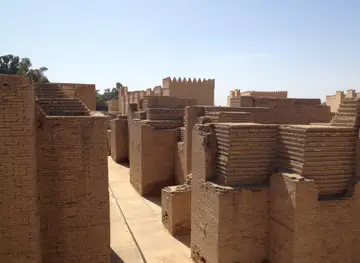


Swipe for more regions
Explore more

Explore more of Iraq
Explore the cradle of civilization in Iraq, where ancient history, rich culture, and diverse landscapes create an unforgettable travel experience.
Explore Iraq