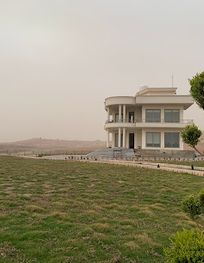
Tigris River, Tigris Region Travel Guide
Explore the Tigris River, a cradle of civilization and a vital waterway in the heart of the Middle East.
The Tigris River, flowing through southeastern Turkey and Iraq, is a historic waterway that shaped ancient Mesopotamian civilizations. Today, it remains a vital source of water for irrigation, hydroelectric power, and transportation, sustaining modern Iraqi life.
A brief summary to Tigris River
- Duhok Governorate, IQ

Know before you go
Hi, I'm Eve. Here are a few practical things to know before exploring Tigris River.
- Check local travel advisories and regulations before visiting to ensure a safe and enriching journey.
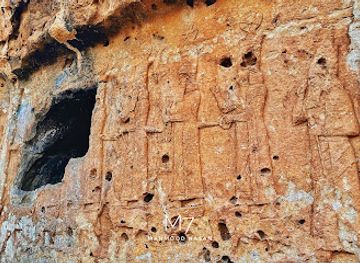
- Explore the ancient city of Amedi, near the Tigris, for a blend of Kurdish, Assyrian, and Jewish heritage.
- Visit the Duhok Dam for picturesque views and recreational activities.
Do you manage this location?
Take control to get all the benefits, like improved information, better appearance, and stronger visibility across AI-powered discovery. Learn more about listing your business on Evendo
Activate your presenceOther nearby places you may find interesting
The closest places of the same kind, if this one is not quite what you had in mind.
Explore Tigris River on the Map
A handpicked selection of must-see spots near Tigris River, mapped for you.
Getting There
-
Taxi
From Duhok city center, a taxi is a convenient way to reach the Tigris River. Taxis are readily available throughout Duhok. A 5km ride in Duhok costs approximately 12.1 USD. You can hail a taxi on the street or use a ride-hailing app. Be sure to agree on the fare before starting your journey.
-
Public Transport
Local buses and shared taxis are available from the Duhok bus station to various points along the Tigris River. Buses stop in front of Hotel Baghdad. Check with local operators for specific routes and schedules. Bus fares are generally inexpensive.
Discover more about Tigris River













Your all‑in‑one travel companion app
Explore expert travel guides, compare and book tours, experiences, hotels, and more—all from the palm of your hand. Download now for seamless trip planning wherever your wanderlust takes you.


Explore More of Tigris Region
Looking beyond Tigris River? Discover Tigris Region for broader travel guides, local hot-spots, and regional highlights.
Explore Tigris Region