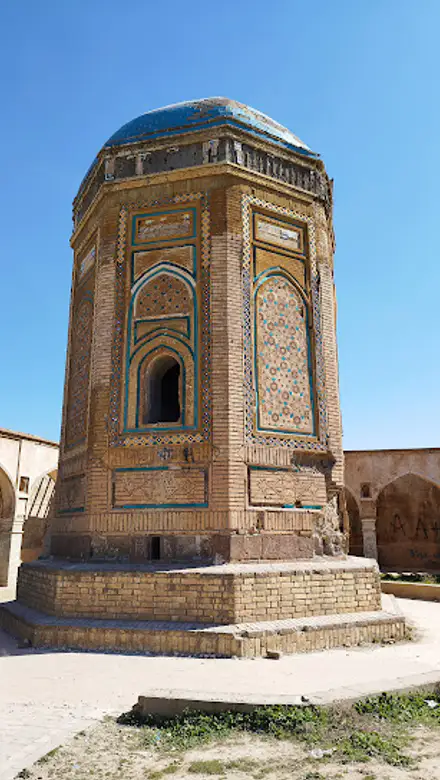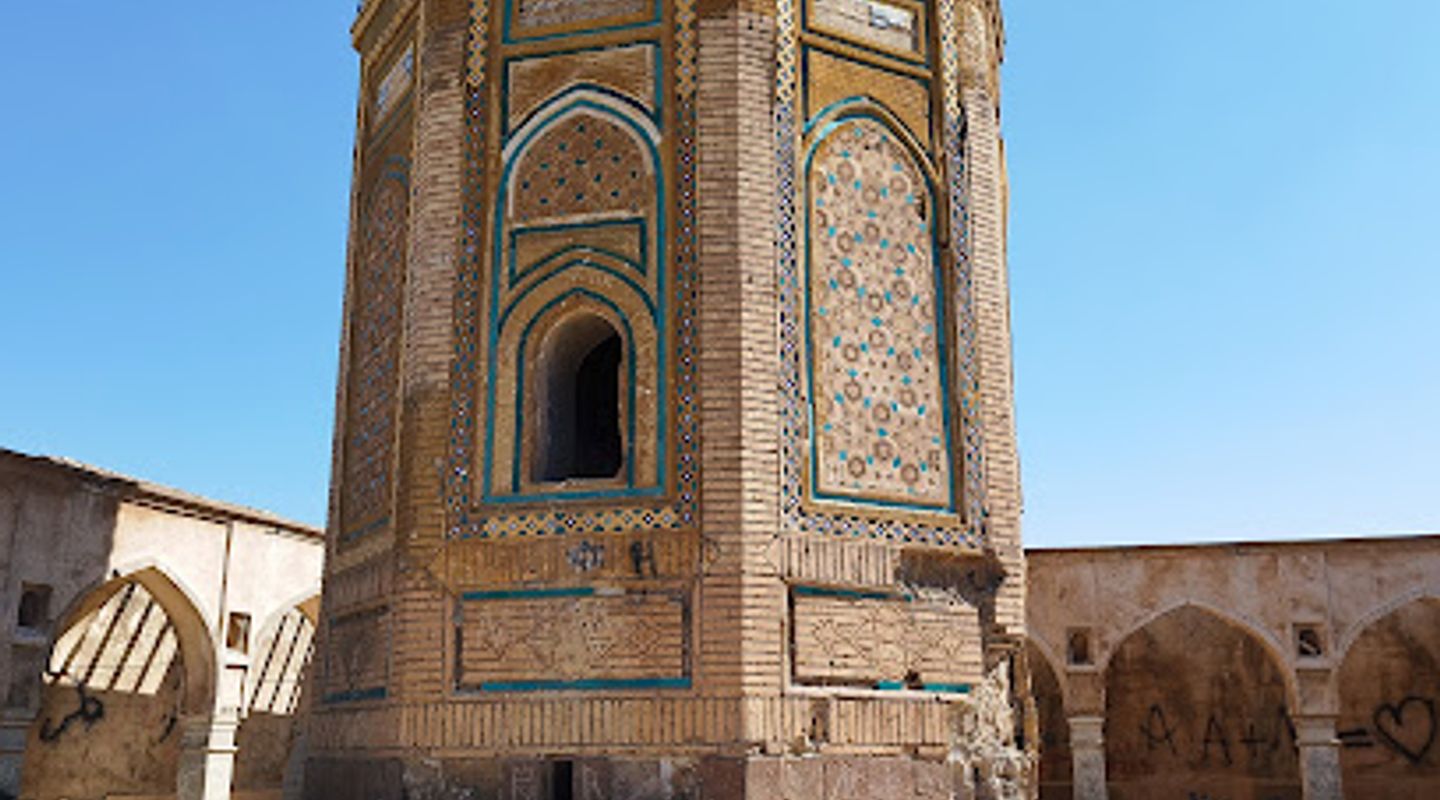
Kirkuk Citadel, Wasit Travel Guide
Explore the ancient Kirkuk Citadel, a historical treasure trove showcasing millennia of Mesopotamian history and cultural diversity.
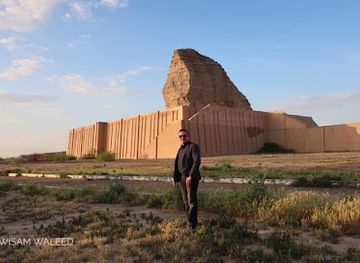
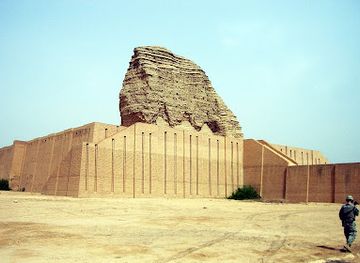
The Kirkuk Citadel, a historical fortress in the heart of Kirkuk, Iraq, is considered the city's oldest part, dating back to at least 850 BCE. Rising 40 meters above the Khasa River, it offers a glimpse into the region's diverse past, with structures reflecting Assyrian, Babylonian, and Ottoman influences.
A brief summary to Kirkuk Citadel
- F99V+FX9, Kirkuk, Nahiyat Hammam, Kirkuk Governorate, 36001, IQ

Know before you go
Hi, I'm Eve. Here are a few practical things to know before exploring Kirkuk Citadel.
- Visit early in the morning to avoid the midday heat and enjoy a more tranquil experience.
- Wear comfortable shoes, as exploring the citadel involves walking on uneven surfaces.
- Consider hiring a local guide to gain deeper insights into the history and significance of the citadel.
Do you manage this location?
Take control to get all the benefits, like improved information, better appearance, and stronger visibility across AI-powered discovery. Learn more about listing your business on Evendo
Activate your presenceOther nearby places you may find interesting
The closest places of the same kind, if this one is not quite what you had in mind.

Explore Kirkuk Citadel on the Map
A handpicked selection of must-see spots near Kirkuk Citadel, mapped for you.
Getting There
-
Walking
The Kirkuk Citadel is located in the center of Kirkuk, easily accessible on foot from many points in the city center. From Cumhuriyet Caddesi, head north towards the Citadel. You'll see it rising on its tell. No costs are involved in approaching the Citadel on foot.
-
Taxi
Taxis are readily available throughout Kirkuk. A short taxi ride to the Citadel from locations within the city typically costs between 2,000 to 5,000 IQD, but confirm the price before you set off.
Discover more about Kirkuk Citadel













Your all‑in‑one travel companion app
Explore expert travel guides, compare and book tours, experiences, hotels, and more—all from the palm of your hand. Download now for seamless trip planning wherever your wanderlust takes you.


Explore More of Wasit
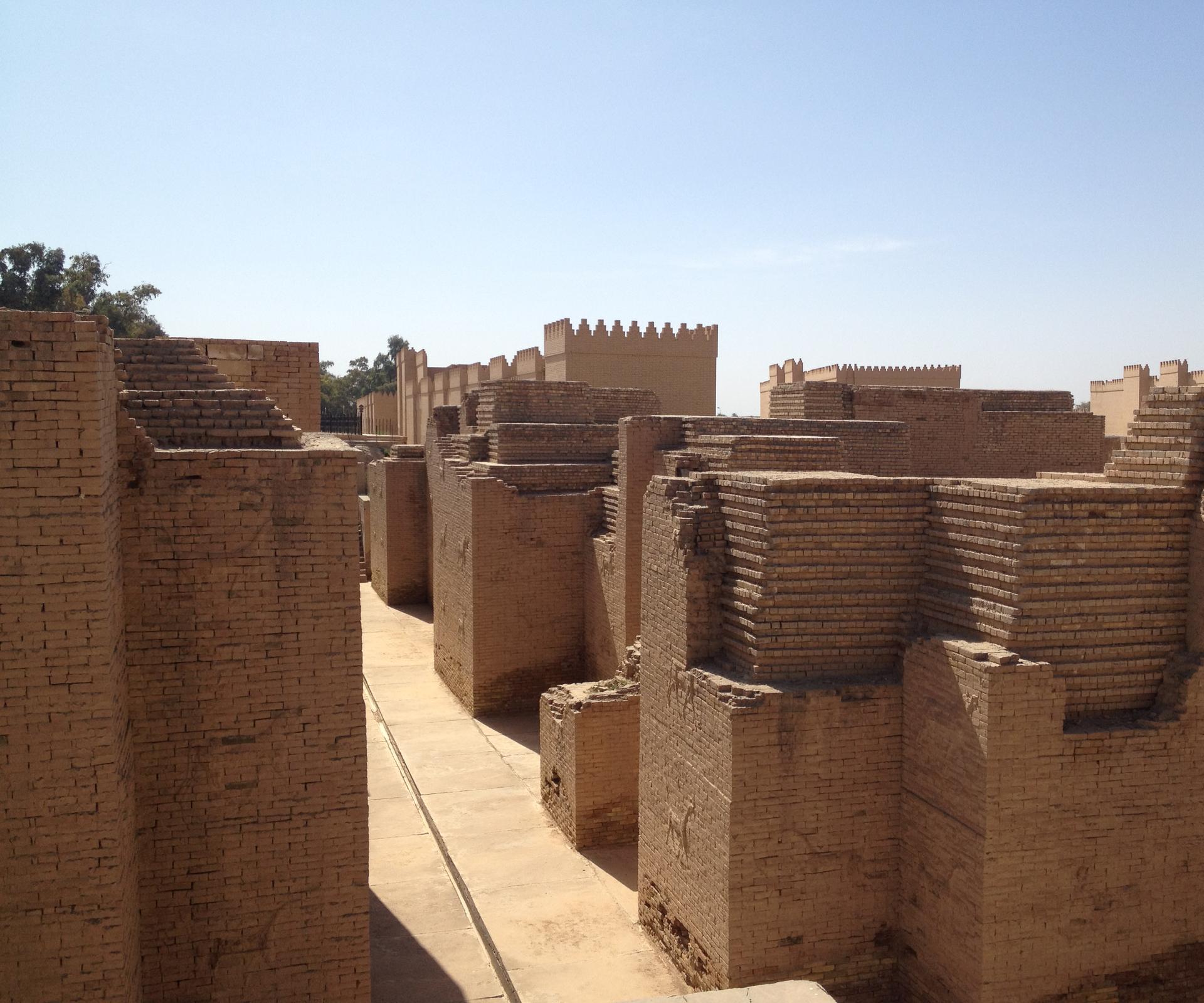
Looking beyond Kirkuk Citadel? Discover Wasit for broader travel guides, local hot-spots, and regional highlights.
Explore Wasit
Discover a tranquil escape in the heart of Kirkuk at Kirkuk Park, offering lush greenery, peaceful pathways, and a vibrant local atmosphere.
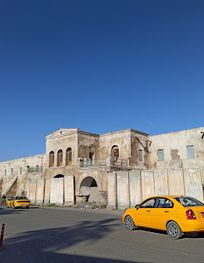
Explore Kirkuk Kishla, a historic Ottoman barrack turned archaeological museum, showcasing the diverse heritage of Kirkuk and its ancient civilizations.