

Free Wasit Travel Guide & Mobile App
Explore Wasit with free travel guides. Discover regional history, expert tips, proposed trips, and audio guides on web or mobile app.


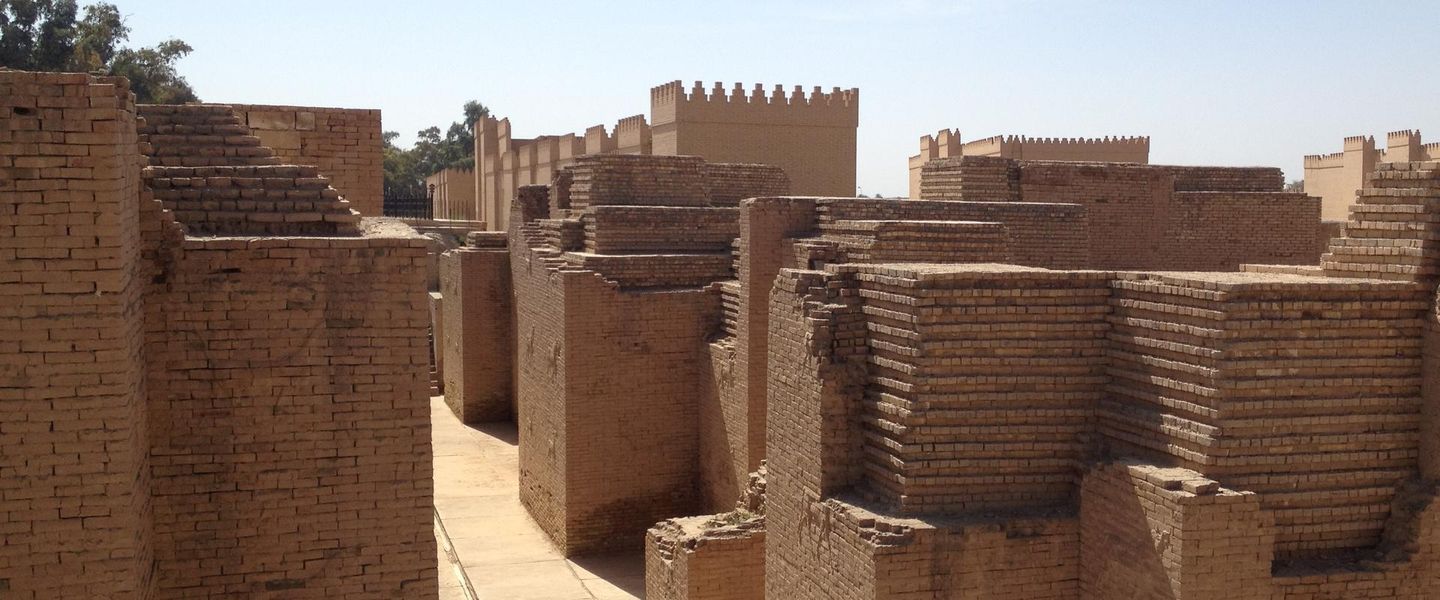


Explore Wasit in Iraq for Tigris landscapes, Kut’s river life, early Islamic archaeology and the agricultural heritage of Mesopotamia.
Read more about Wasit
When is the best time to visit Wasit?
Best: March–April, November · 22–29°C| Month | High (°C) | Rainfall (mm) |
|---|---|---|
| January | 15 | 20 |
| February | 17 | 18 |
| March (best) | 22 | 17 |
| April (best) | 29 | 15 |
| May | 35 | 13 |
| June | 40 | 11 |
| July | 43 | 10 |
| August | 42 | 10 |
| September | 38 | 11 |
| October | 31 | 15 |
| November (best) | 23 | 18 |
| December | 18 | 20 |
Getting to and around Wasit
How to get there
Transportation
Top city travel guides in Wasit
The cities of Wasit, and the easiest places to base yourself.

Swipe for more cities
Best attractions in Wasit
Wasit’s attractions are primarily archaeological, riverine and agricultural rather than a large collection of formal museums or commercial visitor facilities. The ruins of historic Wasit are the governorate’s most important heritage site, offering a direct connection with the early Islamic city founded beside the Tigris in the eighth century. Around Al-Kut, the riverfront, bridges and working waterside environment show how the city continues to depend on its geographical setting. The Kut Barrage is significant both as a landmark of modern water engineering and as part of the irrigation system that supports cultivation across the plain. Rural districts provide views of date palms, grain fields, canals and villages, although access should be arranged locally and visitors should not assume that every area is open for independent exploration. The Tigris and associated waterways also create opportunities for boat journeys or riverside observation when locally organised and permitted. Wasit is best suited to travellers interested in Mesopotamian history, water management, archaeology and everyday life in central Iraq; it is not a destination built around a conventional circuit of ticketed attractions, and facilities at historic or rural sites may be minimal.
-
Khan Murjan
Explore Khan Murjan, a historic caravanserai in Baghdad, where Islamic architecture, Iraqi heritage, and vibrant market traditions converge.
-
Uruk
Discover Uruk, the ancient Mesopotamian city and cradle of civilization, where writing and monumental architecture were born.
Best landmarks in Wasit
The archaeological remains of Wasit are the governorate’s defining historic landmark. Founded by Al-Hajjaj ibn Yusuf around the beginning of the eighth century, the city occupied a strategic position on the Tigris and developed as an administrative, military and commercial centre. Its surviving traces are valuable not because they form a completely preserved city, but because they reveal the scale and planning of an early Islamic urban foundation in Iraq. In Al-Kut, the Tigris itself is the most recognisable geographical landmark, crossed by bridges and integrated into the city’s daily movement and visual identity. The Kut Barrage represents a different period of history: its gates, channels and associated works demonstrate the twentieth-century effort to control the river and distribute water for agriculture. Across the governorate, canals, date-palm belts and irrigated fields provide a living landscape shaped by Mesopotamia’s oldest environmental principle—settlement depends on managed water. These places should be viewed with respect for their practical function, and access to archaeological or engineering areas may require permission.
-
Erbil Citadel
Explore the ancient Erbil Citadel, a UNESCO World Heritage Site with 8,000 years of history, offering a unique glimpse into Mesopotamian civilization.
-
Al-Zawraa Park
Escape to Baghdad's largest park: lush gardens, a zoo, amusement rides, and a tranquil lake await at Al-Zawraa Park.
-
Samî Abdulrahman Park
Discover Erbil's largest park: a green escape with gardens, lakes, and cultural monuments, perfect for recreation and relaxation.
-
Park
Baghdad Island Park
Escape to Baghdad Island Park: A green oasis offering recreation, culture, and tranquility in the heart of Baghdad.
Explore Wasit on the map
Plan your trip on one map. See where the top cities, national parks and sights are, and book hotels and experiences in a few clicks.
Best hotels in Wasit
Best restaurants in Wasit
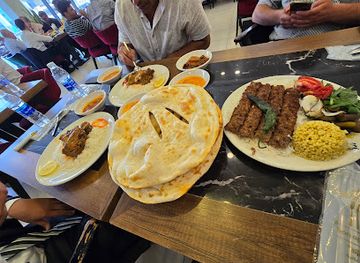
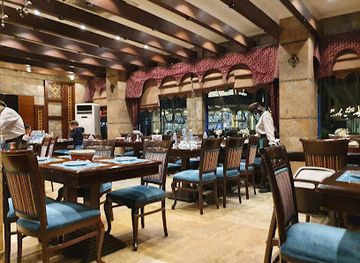
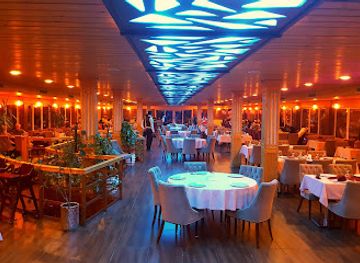
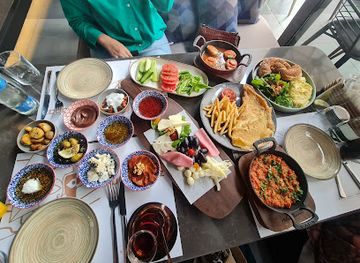
Dining in Wasit is centred on Iraqi home-style cooking, neighbourhood restaurants, cafés and market food rather than a heavily branded restaurant scene. Visitors to Al-Kut can expect rice-based meals, grilled meat, stews, flatbreads, soups, salads and dishes using vegetables from the irrigated plain. Dates, grains and locally grown produce are important parts of the regional food landscape, while tea is a constant feature of social and commercial life. Masgouf, Iraq’s celebrated river fish dish, is associated with the country’s rivers and may be available where suitable fish and preparation facilities exist, though it should not be treated as exclusive to Wasit. Simple eateries often offer kebabs, shawarma and rice meals alongside more traditional cooking, and cafés are useful places for tea and conversation. Hygiene standards and opening arrangements vary, so eat at busy, well-regarded establishments, carry bottled water and use a local contact to identify dependable places. In smaller settlements, food choices are more limited and advance planning is sensible.
-
Restaurant
Royal Galaxy Restaurant
Savor authentic Iraqi cuisine at Royal Galaxy Restaurant – where tradition meets flavor in the heart of Baghdad.
-
Restaurant
Restaurant Beeston Samad
Discover authentic Iraqi cuisine at Restaurant Beeston Samad in Baghdad – where tradition meets flavor in a cozy atmosphere.
-
Restaurant
Jadiriyah Floating Restaurant
Savor exquisite Iraqi cuisine on the tranquil waters of Baghdad at Jadiriyah Floating Restaurant.
-
Restaurant
HuQQabaz Baghdad
Experience authentic Iraqi cuisine at HuQQabaz Baghdad—where tradition meets modernity in every delicious bite.
Best bars in Wasit
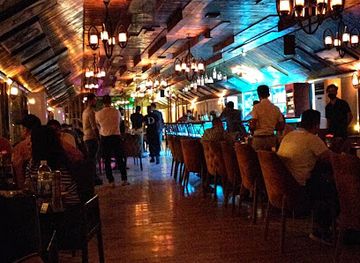
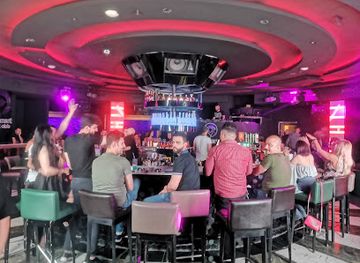
Wasit does not have a major nightlife or nightclub economy aimed at international visitors. Evening life in Al-Kut is more likely to centre on tea houses, cafés, family restaurants, riverside gatherings and ordinary commercial activity than on bars or late-night clubs. Social visits, conversation and shared meals are important forms of leisure, while entertainment arrangements in smaller towns and rural districts are considerably quieter. Alcohol is not central to public life and may be unavailable or inappropriate in many settings; visitors should respect local and religious sensibilities rather than expecting a Western-style bar scene. Any live performances or seasonal cultural events should be confirmed locally because programmes and venues can change. For practical reasons, visitors should arrange evening transport in advance, remain aware of local advice and avoid walking alone in unfamiliar areas after dark.
-
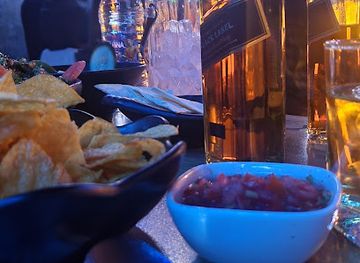
D lounge & Restaurant
Discover the vibrant atmosphere and diverse culinary offerings at D Lounge & Restaurant in Baghdad, where culture meets modern dining.
-
Bar
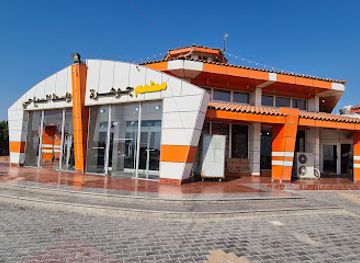
مطعم جوهرة واسط
Discover authentic Iraqi cuisine at مطعم جوهرة واسط, a beloved dining spot in Wasit Governorate, where local flavors and warm hospitality await.
-
Irish pub
Discover the essence of Baghdad at the Irish Pub, where traditional Irish hospitality meets local flavors in a cozy, vibrant setting.
-
Bar
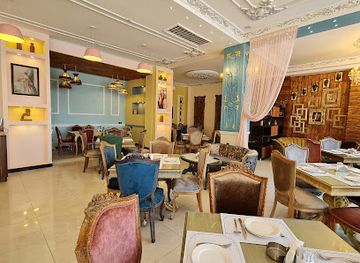
مطعم وكافيه ليفانت
Experience the flavors of Iraq at مطعم وكافيه ليفانت, where traditional cuisine meets modern ambiance in the heart of Kut.
Best nightclubs in Wasit
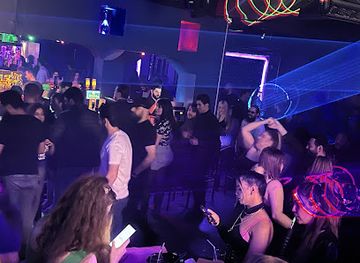
Wasit does not have a major nightlife or nightclub economy aimed at international visitors. Evening life in Al-Kut is more likely to centre on tea houses, cafés, family restaurants, riverside gatherings and ordinary commercial activity than on bars or late-night clubs. Social visits, conversation and shared meals are important forms of leisure, while entertainment arrangements in smaller towns and rural districts are considerably quieter. Alcohol is not central to public life and may be unavailable or inappropriate in many settings; visitors should respect local and religious sensibilities rather than expecting a Western-style bar scene. Any live performances or seasonal cultural events should be confirmed locally because programmes and venues can change. For practical reasons, visitors should arrange evening transport in advance, remain aware of local advice and avoid walking alone in unfamiliar areas after dark.
-
HERA Club
Dive into Erbil's nightlife at HERA Club, where music, dancing, and unforgettable memories await in a modern and vibrant setting.
-
Love time club
Discover Erbil's nightlife at Love Time Club, where dance, music, and unforgettable moments come alive every night.
-
Inferno Erbil
Discover the thrilling nightlife at Inferno Erbil, a top-rated club offering vibrant music, refreshing drinks, and an unforgettable party experience.
-
LOTUS NIGHT CLUB
Experience Erbil's nightlife at Lotus Night Club, the ultimate destination for music, dance, and unforgettable memories.


Best shops in Wasit
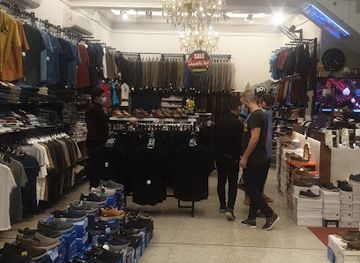
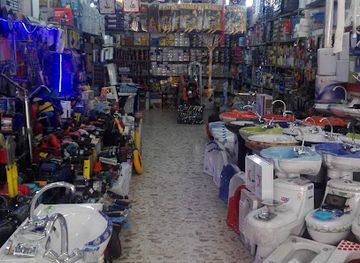
Shopping in Wasit is concentrated in Al-Kut’s traditional markets, ordinary high-street businesses and food shops rather than large destination malls or specialist luxury retail. Markets are useful for seeing the commercial life of the governorate and buying dates, rice, grains, spices, sweets, tea and other products associated with the agricultural plain. Small shops may sell household goods, clothing, perfumes and locally used foodstuffs, while modest craft and souvenir choices are more likely to be found through personal introductions than in formal tourist outlets. Bargaining can be part of market transactions, but it should be conducted politely and without turning every purchase into a prolonged negotiation. Rural settlements offer fewer options and may have limited payment facilities, so make purchases and obtain essentials in Kut. Visitors should not remove archaeological objects, stones or artefacts from heritage sites, and should check customs rules before carrying agricultural products, antiques or culturally sensitive items across borders.
-
Men's clothing store
Men's Fashion Messenger dressed Turkish
Explore the finest men's clothing and accessories in Al-Sanad, combining contemporary style with traditional craftsmanship.
-
Supermarket
Exhibition Complex Azzawi
Discover the essence of local culture at Exhibition Complex Azzawi, a vibrant supermarket in Kut offering diverse shopping experiences.
-
 Supermarket
Goods Albraism
Discover a world of local flavors and international products at Goods Albraism, the top supermarket in Wasit Governorate.
-
Electronics store
خدمات انترنت Earthlink BAHAA
Connect with the world at Earthlink BAHAA, your go-to electronics store in Kut for all your internet needs and electronic essentials.
Get your free copy of our complete guide to Wasit, delivered straight to you.
Everything on this page, from attractions and restaurants to essentials and local phrases, in one PDF you can read offline, print or share.
Already have an account? Sign in
Your Wasit guide is ready.
We'll send it to · Not you? Sign out

Getting your guide ready…
We are putting together a fresh copy of the Wasit guide. This can take up to a minute.
This can take a few moments. If your browser asks, choose Allow so the download can start. You'll find the guide in your Downloads folder.
Nothing happened? Download it again
Sorry, the guide is taking longer than usual. Please try again in a minute, or get it by email instead.
Wasit essentials
Currency and Payment
Safety
Emergency Situations
Do's and Don'ts
Local Tips
From Eve
Local phrases worth knowing
You don't need to get them perfect. A few words go a long way, and locals appreciate the effort.
Basics
| English | Local | Say it |
|---|---|---|
| Hello | مرحبا | [Marhaban] |
| Goodbye | وداعا | [Wada'an] |
| Yes | نعم | [Na'am] |
| No | لا | [La] |
| Please/You're welcome | عفوا | [Afwan] |
| Thank you | شكرا | [Shukran] |
| Excuse me/Sorry | عذرًا | [Udhuran] |
| How are you? | كيف حالك؟ | [Kayfa halak?] |
| Fine. And you? | بخير، وأنت؟ | [Bi khayr, wa anta?] |
| Do you speak English? | هل تتحدث الإنجليزية؟ | [Hal tatahaddath al-ingliziya?] |
| I don't understand | لا أفهم | [La afham] |
Eating & Drinking
| English | Local | Say it |
|---|---|---|
| I'd like to see the menu, please | أود رؤية القائمة، من فضلك | [Awad ru'yat al-qaimah, min fadlik] |
| I don't eat meat | أنا لا آكل اللحم | [Ana la akul al-lahm] |
| Cheers! | في صحتك! | [Fi sihtak!] |
| I would like to pay, please | أود الدفع، من فضلك | [Awad al-daf'a, min fadlik] |
Emergencies
| English | Local | Say it |
|---|---|---|
| Help! | نجدة! | [Najdah!] |
| Go away! | اذهب بعيدا! | [Idhhab ba'eedan!] |
| Call the Police! | اتصل بالشرطة! | [Ittasil bil-shurtah!] |
| Call a doctor! | اتصل بطبيب! | [Ittasil bi-tabib!] |
| I'm lost | أنا ضائع | [Ana da'i'] |
| I'm ill | أنا مريض | [Ana marid] |
Shopping
| English | Local | Say it |
|---|---|---|
| I'd like to buy... | أود شراء... | [Awad shira'a...] |
| I'm just looking | أنا فقط أتفرج | [Ana faqat atfarraj] |
| How much is it? | كم ثمنه؟ | [Kam thamanuh?] |
| That's too expensive | هذا مكلف جدا | [Hatha mukallif jiddan] |
| Can you lower the price? | هل يمكنك خفض السعر؟ | [Hal yumkinuka khafd al-si'r?] |
Time & Numbers
| English | Local | Say it |
|---|---|---|
| What time is it? | كم الساعة؟ | [Kam al-saa'ah?] |
| It's one o'clock | الساعة الواحدة | [Al-saa'ah al-wahidah] |
| Half past (10) | نصف الساعة (10) | [Nisf al-saa'ah (10)] |
| Morning | صباحا | [Sabahan] |
| Afternoon | بعد الظهر | [Ba'd al-zhuhr] |
| Evening | مساء | [Masa'an] |
| Yesterday | أمس | [Ams] |
| Today | اليوم | [Al-yawm] |
| Tomorrow | غدا | [Ghadan] |
| 1 | واحد | [Wahid] |
| 2 | اثنان | [Ithnan] |
| 3 | ثلاثة | [Thalatha] |
| 4 | أربعة | [Arba'a] |
| 5 | خمسة | [Khamsa] |
| 6 | ستة | [Sitta] |
| 7 | سبعة | [Sab'a] |
| 8 | ثمانية | [Thamaniya] |
| 9 | تسعة | [Tis'a] |
| 10 | عشرة | [Ashra] |
Transport & Directions
| English | Local | Say it |
|---|---|---|
| Where's a/the...? | أين ...؟ | [Ayna ...?] |
| What's the address? | ما هو العنوان؟ | [Ma huwa al-einwan?] |
| Can you show me (on the map)? | هل يمكنك أن تريني (على الخريطة)؟ | [Hal yumkinuka an turini (ala al-kharita)?] |
| When's the next (bus)? | متى يأتي (الحافلة) التالية؟ | [Mata yati (al-hafila) al-taliya?] |
| A ticket (to ....) | تذكرة (إلى ...) | [Tadhkirah (ila ...)] |
History of Wasit
Mesopotamian River Civilisations
Wasit lies within the ancient alluvial plain formed by the Tigris and its associated channels, an environment that supported settlement through irrigation for thousands of years. Although many of Iraq’s most famous archaeological sites lie elsewhere, the wider Wasit plain belongs to the same interconnected Mesopotamian zone in which farming, canal construction and river transport shaped political power. Ancient communities depended on controlling water and maintaining embankments, practices that continued in different forms through later imperial periods and remain visible in the agricultural geography of the governorate today.
The Islamic Foundation of Wasit, c. 702–703
The historic city of Wasit was founded in the early eighth century by Al-Hajjaj ibn Yusuf, the powerful Umayyad governor of Iraq. Its name, meaning a central or midway place, reflected its position between major centres such as Kufa and Basra. The new settlement was designed as an administrative and military base, with a mosque, governor’s residence, garrison and planned urban quarters. Its location beside the Tigris allowed it to supervise movement, taxation and communications across southern and central Iraq.
Wasit under the Abbasids and Later Dynasties
After the Abbasid revolution, Wasit remained an important regional city even as Baghdad became the principal imperial capital. Its location on the river and on routes linking Iraq’s major urban centres supported trade, administration and religious scholarship. The city experienced the political changes that affected Iraq under successive dynasties, including periods of decentralisation and conflict. Over time, shifts in river channels, changing political priorities and the rise of other centres reduced its importance, leaving the archaeological remains of Wasit as evidence of a once-prominent urban foundation.
Ottoman Rule and the Tigris Corridor
For several centuries Wasit formed part of the Ottoman domains in Iraq, a period during which the Tigris remained essential for administration, communication and the movement of agricultural goods. Settlements along the river were influenced by provincial politics, tribal relationships, taxation and the uneven maintenance of irrigation works. The region did not develop as an isolated unit: its fortunes were tied to Baghdad, Basra, the southern Iraqi plain and routes towards Persia. Ottoman-era patterns of riverine settlement and agriculture contributed to the landscape encountered by later travellers and administrators.
The Siege of Kut, 1915–1916
Al-Kut became internationally known during the First World War, when British and Indian forces advancing along the Tigris were surrounded by Ottoman forces. The siege lasted from late 1915 until the surrender of the garrison in April 1916, and it was one of the most serious British defeats of the war. The episode caused heavy loss of life and prolonged captivity for many survivors. Its significance remains part of Kut’s historical identity, although the wider city is also a living regional capital rather than simply a battlefield memorial.
Iraq’s Monarchy, Republic and Modern Irrigation
Following the creation of the modern Iraqi state, Wasit’s economy continued to depend heavily on farming, water control and the Tigris corridor. The development of barrages and irrigation infrastructure, including the Kut Barrage, aimed to regulate river flows, protect cultivation and expand reliable agricultural production. These projects formed part of wider national efforts to manage Iraq’s rivers during the twentieth century. Later decades brought political upheaval, war, sanctions and water pressures, all of which affected rural livelihoods and the condition of infrastructure across the governorate.
Wasit in Photos
Browse through our photo collection highlighting the charm and character of the destination.
Neighbouring regions of Wasit
The closest regions to Wasit, if you have time for more than one.
-

-

-

-

-


Swipe for more regions
Explore more

Explore more of Iraq
Explore the cradle of civilization in Iraq, where ancient history, rich culture, and diverse landscapes create an unforgettable travel experience.
Explore Iraq