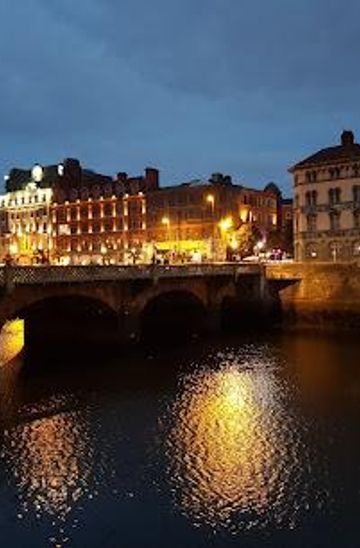
Wood Quay: Dublin's Viking Past Unearthed
Explore Dublin's Viking roots at Wood Quay, where ancient history meets modern city life along the River Liffey.
Wood Quay, situated along the River Liffey, marks the site of Dublin's original Viking settlement in 841 AD. Today, it's home to Dublin City Council offices, but historical remnants, including a preserved section of the Hiberno-Norse City Wall dating back to 1100 AD, offer glimpses into its fascinating past.
A brief summary to Wood Quay
- Dublin, Wood Quay, IE
Local tips
- Visit the National Museum of Ireland to see artifacts discovered during the Wood Quay excavations.
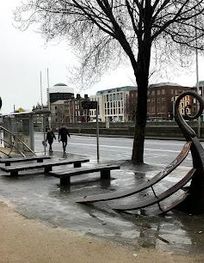
- Take a stroll along the River Liffey to view the Viking longship sculpture and bronze plaques.
- Explore the remains of the Hiberno-Norse City Wall inside the Dublin City Council building.

Do you manage this location?
Take control to get all the benefits, like improved information, better appearance, and stronger visibility across AI-powered discovery. Learn more
Activate your presence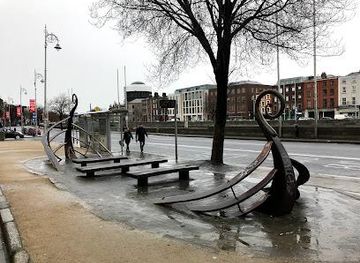
Getting There
-
Walking
From Dublin Castle, head east towards the River Liffey. Cross the bridge and follow the riverbank path south for about 10 minutes. Wood Quay will be on your left, just past the historic buildings.
-
Public Transport
If you are near O'Connell Street, head to the nearest bus stop and take bus routes 25, 27, or 151. Get off at the 'Civic Offices' stop. Wood Quay will be a short walk away. A single fare is approximately €3.
-
Taxi/Ride-Share
Take a taxi or use a ride-sharing app and input 'Wood Quay, Dublin' as your destination. A short taxi ride from the city center will cost approximately €8-€11.
Discover more about Wood Quay
Explore the best of what Wood Quay has to offer















More about Bray
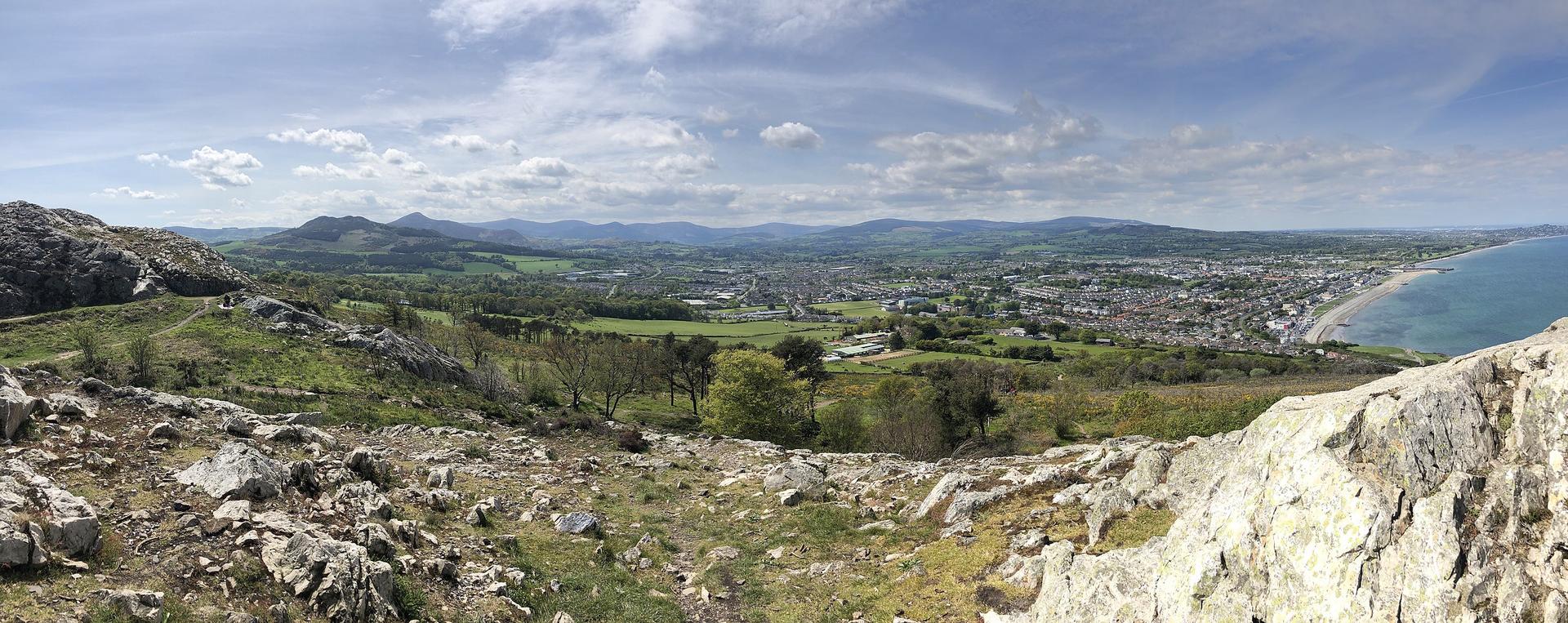
Discover Bray, Ireland's picturesque seaside town, with its scenic promenade, historic landmarks, and vibrant arts scene. Perfect for nature lovers and culture enthusiasts alike.
Tell me more about Bray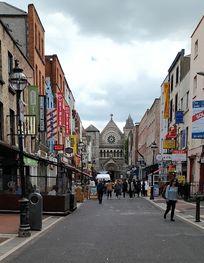
Discover Dublin's musical heritage at the iconic Phil Lynott Statue, a tribute to the legendary Thin Lizzy frontman in the heart of the city.
Explore Temple Bar, Dublin's vibrant cultural quarter filled with art, music, and the rich heritage of Irish life.