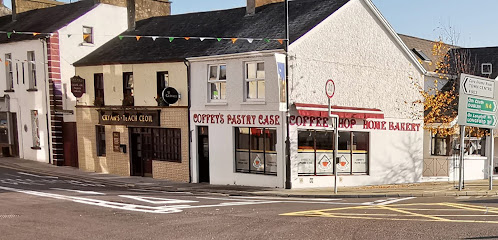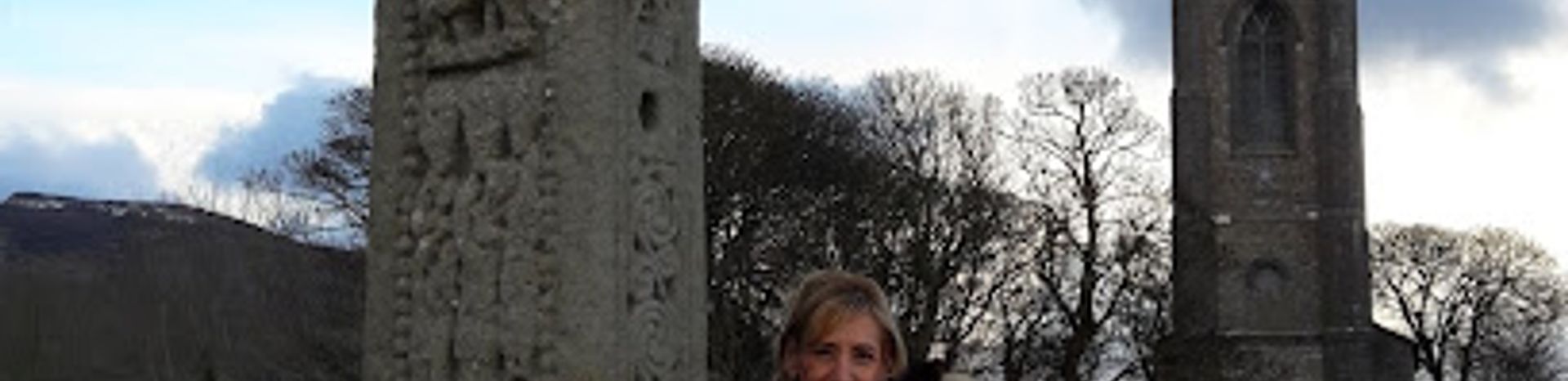
Drumcliffe Church & W.B. Yeats' Grave
Discover the ancient monastic site of Drumcliffe Church, the final resting place of W.B. Yeats, nestled under the majestic Ben Bulben in County Sligo.
Nestled in the shadow of Ben Bulben mountain, Drumcliffe Church is an ancient monastic site and the final resting place of the renowned Irish poet William Butler Yeats. Visitors can explore the historic churchyard, view the simple grave of Yeats, and discover remnants of a 6th-century monastery, including a high cross and round tower.
A brief summary to Drumcliffe Church & W. B Yeat's Grave
- Drumcliffe Church, Drumcliffe North, Drumcliff South, Co. Sligo, IE
- +353719143815
- Visit website
Local tips
- Visit during the spring or summer months to enjoy the colorful scenery and full opening hours of the church and on-site facilities.
- Take time to explore the Teach Bán Art Gallery for unique Irish crafts and artwork reflecting Yeats's themes.
- Enjoy a cup of tea or a light meal at the Pink Clover Café, known for its home-baked goods and tribute to W.B. Yeats.

Getting There
-
Car
From Sligo town, take the N15 (Sligo-Donegal Road) north for approximately 7.5 km (about 10 minutes). Drumcliffe Church and its parking area will be on the right-hand side. Parking is free.
-
Public Transport
The TFI Local Link 982 and Bus Éireann Route 64 stop near Drumcliffe Church. The bus stop (southbound: Stop 555091; northbound: 555092 (Local Link), 551571 (Bus Éireann)) is approximately 200m from the site, accessible via a good pedestrian pathway. Bus Éireann tickets from Sligo to Drumcliffe range from €3-€14.
Discover more about Drumcliffe Church & W. B Yeat's Grave
Iconic landmarks you can’t miss

Drumcliffe Church & W. B Yeat's Grave
0.0 km
Explore the tranquil beauty of Drumcliffe Church, the final resting place of W.B. Yeats, in the heart of County Sligo, Ireland.
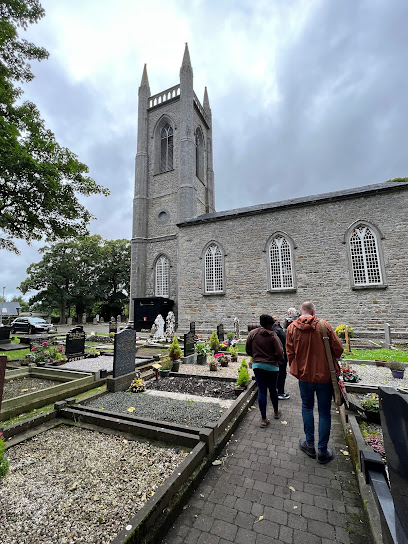
Lisnalurg Neolithic Henge
3.5 km
Explore the captivating Lisnalurg Neolithic Henge in County Sligo, a historical landmark steeped in ancient culture and breathtaking natural beauty.
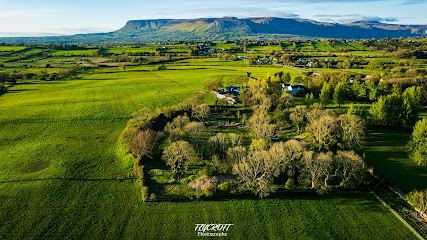
Benbulben Forest Walk
4.0 km
Experience the breathtaking beauty of Benbulben Forest Walk in County Sligo, where nature meets adventure in Ireland's serene landscapes.
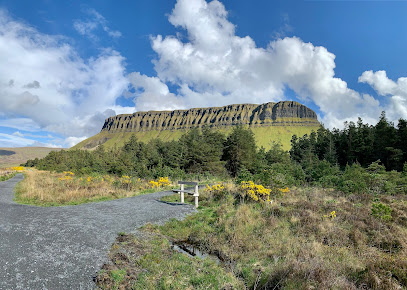
Dock84
5.9 km
Experience the best of brunch at Dock84 in Sligo, where locally sourced ingredients meet innovative culinary creations in a cozy atmosphere.
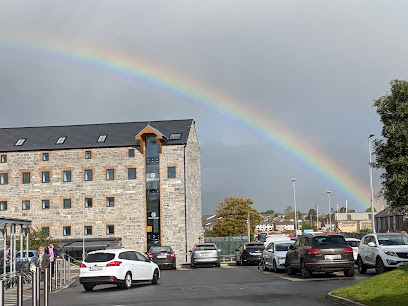
The Glasshouse Hotel
6.1 km
Experience luxury and charm at The Glasshouse Hotel in Sligo, where modern amenities meet the beauty of Ireland's landscapes.

Swagman Bar
6.1 km
Discover the welcoming atmosphere and authentic Irish cuisine at Swagman Bar, a must-visit pub in the heart of Sligo.
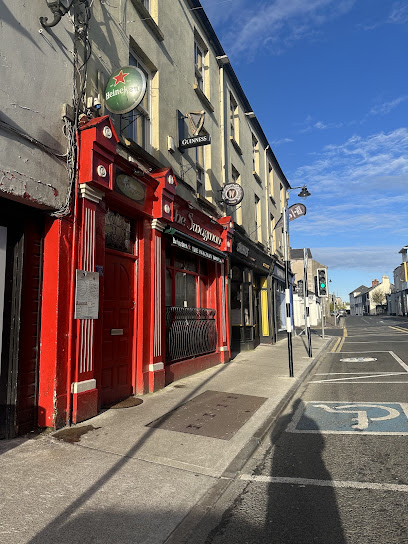
Coach Lane Restaurant @ Donaghy's Bar
6.1 km
Discover the best of Sligo's culinary scene at Coach Lane Restaurant @ Donaghy's Bar, where eclectic flavors meet local ingredients in a vibrant setting.
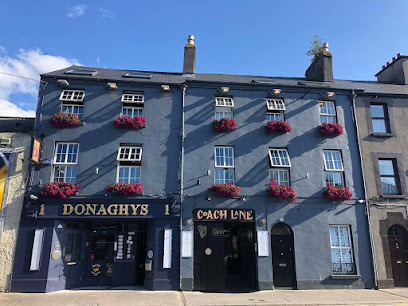
Tourist Office Sligo
6.2 km
Explore Sligo with expert guidance at the Tourist Office, your gateway to local attractions, history, and stunning landscapes.
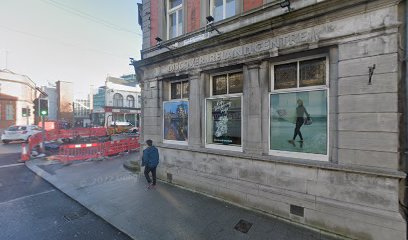
The Garavogue Bar
6.2 km
Discover Sligo's vibrant nightlife at The Garavogue Bar, a cocktail haven with live music and an electric atmosphere that captivates every visitor.
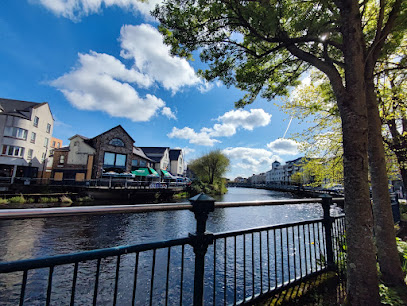
Walker 1781
6.2 km
Experience the best of European cuisine at Walker 1781 in Sligo, where local ingredients meet exceptional culinary artistry.
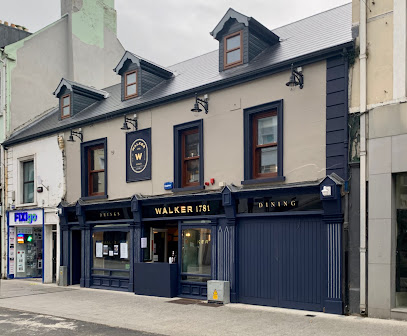
Rugantino
6.3 km
Experience authentic Italian flavors at Rugantino in Sligo, where fresh ingredients and traditional recipes create a culinary delight.
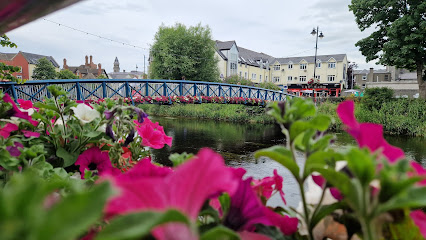
Hargadon Bros
6.3 km
Discover the essence of Irish culture at Hargadon Bros, Sligo's iconic gastropub with a rich history and delicious local cuisine.
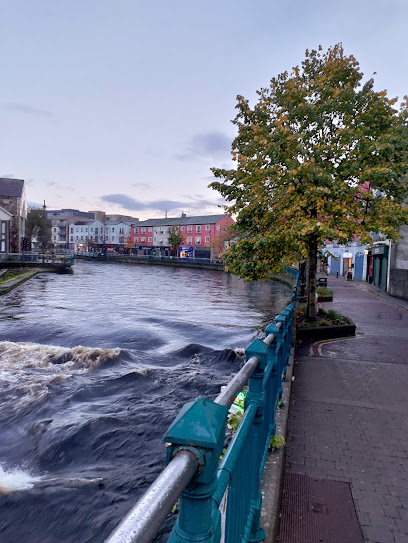
Bridgefoot House
6.3 km
Experience the best of modern European cuisine at Bridgefoot House, where local flavors meet innovative dishes in the heart of Sligo.
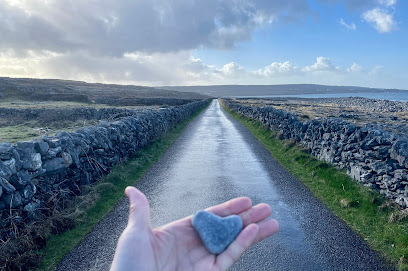
Eala Bhan
6.3 km
Discover the culinary excellence of Eala Bhan, where fresh local seafood and gourmet steaks meet a warm, inviting atmosphere in the heart of Sligo.
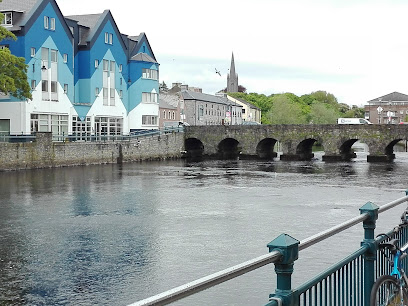
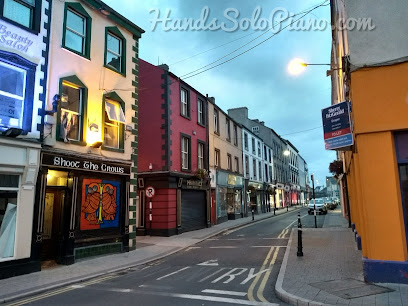
Shoot the Crows
6.3 km
Discover the heart of Sligo at Shoot the Crows, a cozy pub offering traditional Irish fare, local brews, and vibrant live music.
Unmissable attractions to see

The rocks
5.4 km
Explore the stunning natural beauty of The Rocks in Sligo, a must-visit tourist attraction surrounded by majestic landscapes and rich history.
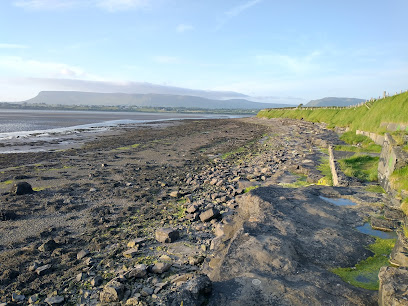
Rosses Point Beach
5.4 km
Experience the serene beauty of Rosses Point Beach, a stunning public beach in County Sligo, perfect for relaxation and adventure along the Wild Atlantic Way.
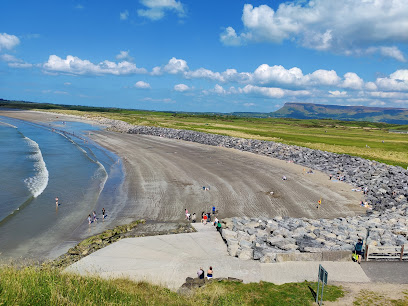
Lissadell beach
5.5 km
Discover the stunning natural beauty of Lissadell Beach, a serene coastal escape in County Sligo, Ireland, perfect for adventure and relaxation.
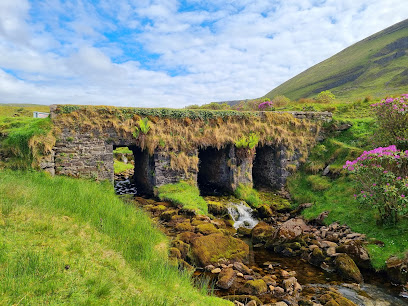
Luke's Bridge (start of Benbulbin walk)
5.6 km
Explore Luke's Bridge in Cloyragh, Co. Sligo, the enchanting starting point for the scenic Benbulbin walk, where nature and culture intertwine.
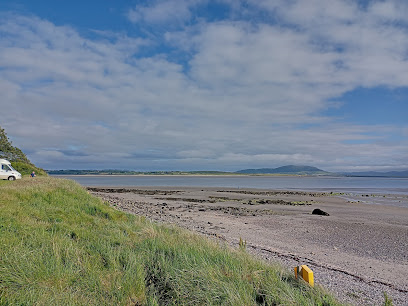
Wild Atlantic Way Discovery Point @Rosses Point Beach
5.6 km
Experience the natural beauty and cultural charm of Rosses Point Beach, a gem along Ireland's Wild Atlantic Way.
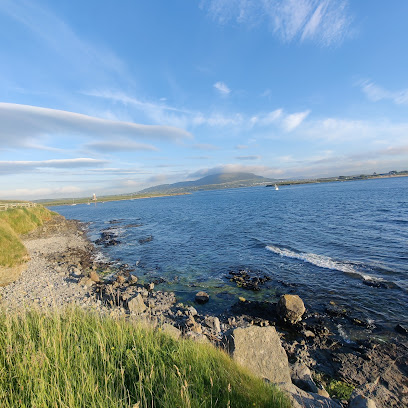
The Metal Man
5.9 km
Explore the historic Metal Man at Rosses Point, a maritime landmark offering stunning coastal views and rich local stories in County Sligo.
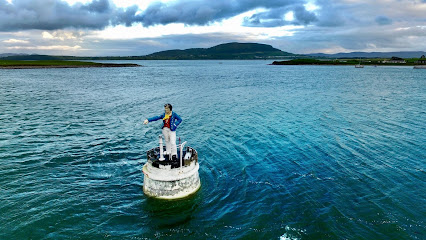
Famine Memorial
5.9 km
Explore the Famine Memorial in Sligo, a poignant tribute to Ireland's resilience during the Great Famine, set against stunning natural beauty.
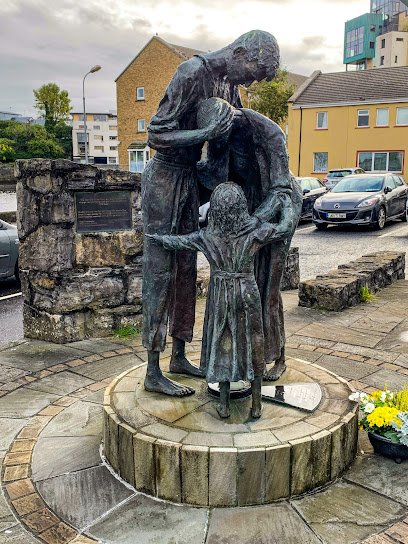
Lisadell House and Gardens
6.1 km
Explore Lissadell House and Gardens, a historical gem in County Sligo, where stunning architecture meets breathtaking landscapes.
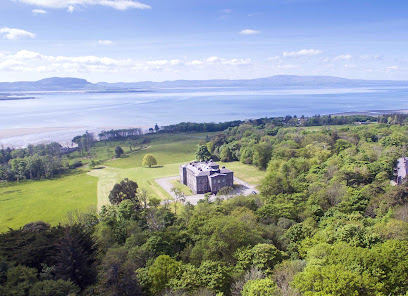
Sligo County Museum
6.1 km
Explore Sligo's rich history through engaging exhibits and artifacts at the Sligo County Museum, where the past comes alive.
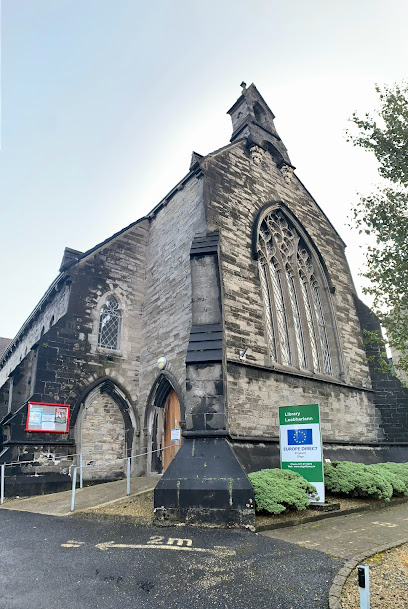
W.B. Yeats
6.1 km
Discover the poetic legacy of W.B. Yeats in Sligo, where stunning landscapes meet the brilliance of Ireland's literary heritage.
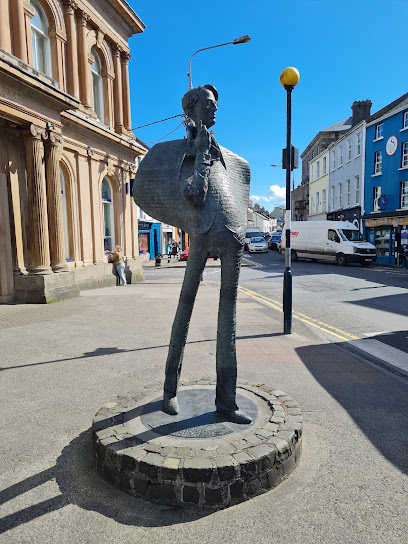
Yeats Society Sligo
6.1 km
Explore the literary legacy of W.B. Yeats at Yeats Society Sligo, a cultural hub celebrating poetry and the stunning landscapes of Ireland.
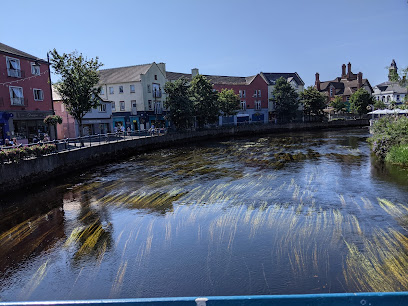
The Model. Home of The Niland Collection.
6.2 km
Explore The Model in Sligo, home to The Niland Collection and a vibrant hub for art, music, and cultural events, perfect for every traveler.
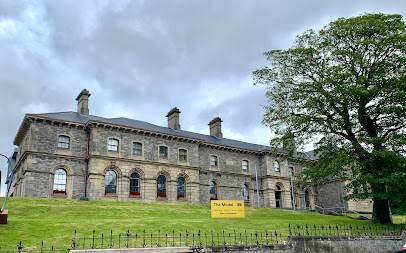
taste of sligo tours
6.3 km
Embark on a culinary adventure with Taste of Sligo Tours, showcasing the rich flavors and culture of this beautiful Irish region.
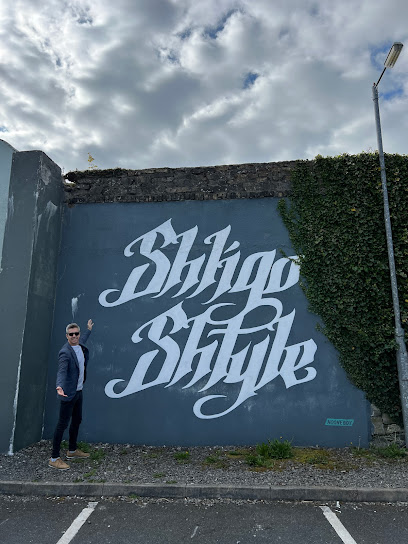
Shligo Shtyle mural
6.3 km
Discover the captivating Shligo Shtyle mural, a vibrant celebration of Sligo's culture and artistic spirit, perfect for photo opportunities.
Sligo Abbey
6.4 km
Discover the timeless allure of Sligo Abbey, a historical landmark that offers a glimpse into Ireland's medieval past amidst stunning architecture.

Essential places to dine

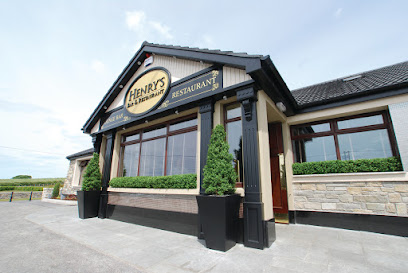
Henrys Bar & Restaurant
4.2 km
Experience authentic Irish cuisine at Henry's Bar & Restaurant in Co. Sligo - where tradition meets flavor in every dish.
The Driftwood
4.8 km
Discover The Driftwood in Rosses Point: where traditional Irish cuisine meets breathtaking coastal views.
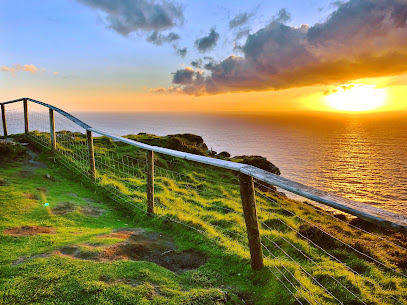
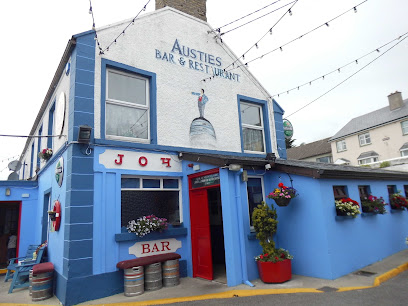
Austies Pub & Kitchen
5.2 km
Discover Austies Pub & Kitchen in Rosses Point – where delicious grill cuisine meets stunning coastal views in a welcoming gastropub atmosphere.
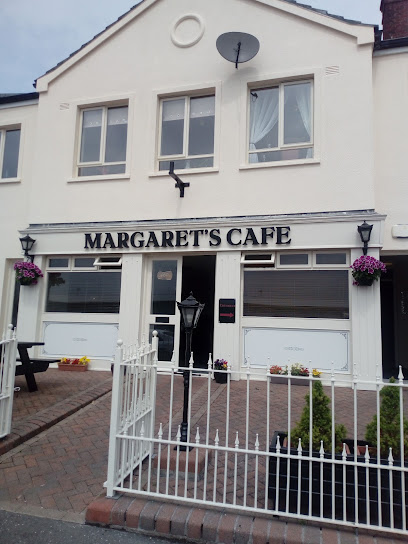
Margaret's Cafe
5.4 km
Discover the heart of Irish cuisine at Margaret's Cafe in Sligo – where tradition meets taste in every bite.
Sinergie Restaurant
5.4 km
Experience authentic Italian cuisine at Sinergie Restaurant in Sligo - where every meal is crafted with passion and fresh ingredients.
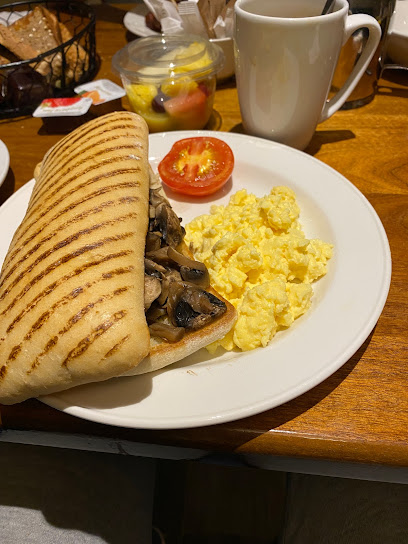
Bulbens Bar & Bistro
5.4 km
Experience exceptional dining at Bulbens Bar & Bistro in Sligo – where local flavors meet contemporary cuisine.
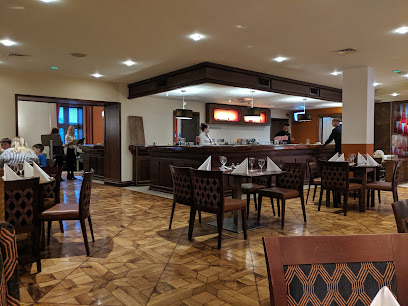
Yahya Restaurant
5.4 km
Experience the flavors of Sligo at Yahya Restaurant – where local ingredients meet international cuisine in a cozy setting.
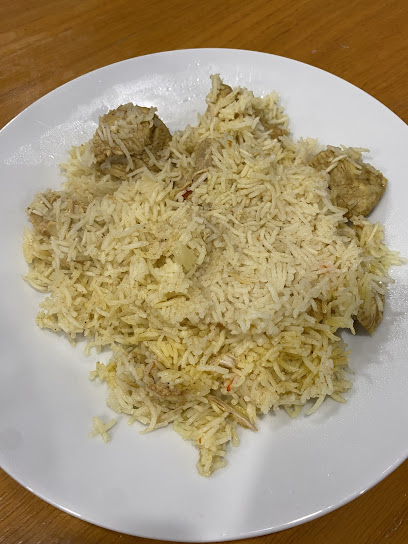
Fish & Bean
5.8 km
Discover the finest seafood dining at Fish & Bean in Rosses Point, where fresh flavors meet stunning coastal views.
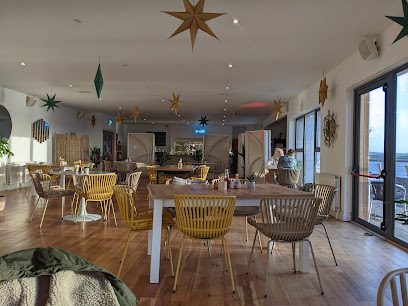
The Harp Tavern
6.0 km
Discover exceptional cuisine at The Harp Tavern, where traditional Irish flavors meet modern gastropub charm in the heart of Sligo.
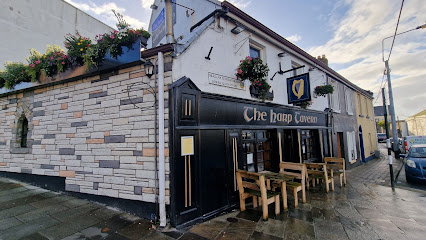
NORTH Restaurant at The Address Sligo
6.0 km
Experience the best of Irish cuisine at NORTH Restaurant in Sligo - where local flavors meet modern culinary artistry.
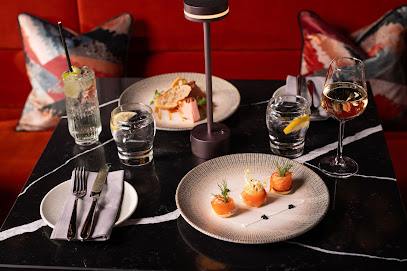
Quay’s Bar & Restaurant
6.0 km
Experience authentic Irish flavors at Quay's Bar & Restaurant in Sligo - where delicious grilled dishes meet warm hospitality.
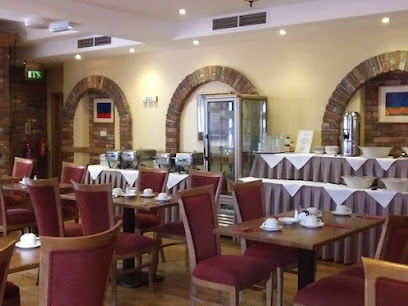
Little Branch Bistro
6.1 km
Experience delightful breakfasts and cozy café vibes at Little Branch Bistro in Rathedmond, Sligo – A must-visit culinary destination.
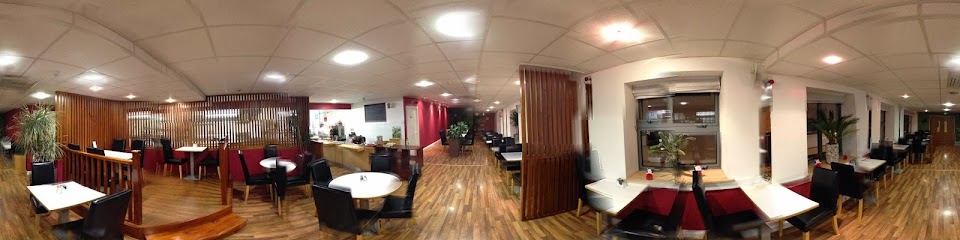
Lyons Café and Bakeshop
6.1 km
Experience the warmth of Lyons Café and Bakeshop in Sligo – where delicious food meets artisanal coffee in a cozy atmosphere.
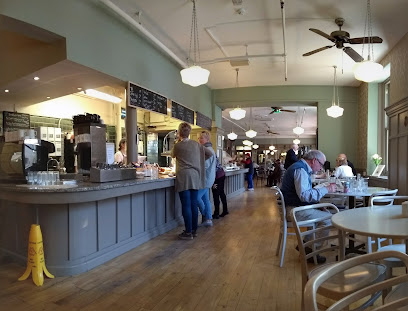
Garden Room Restaurant
6.1 km
Experience authentic Irish cuisine at the Garden Room Restaurant in Sligo - where local ingredients meet culinary creativity.
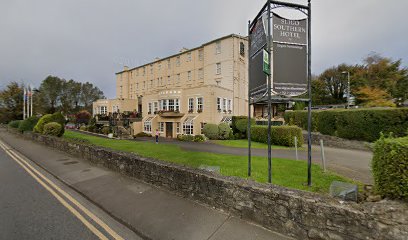
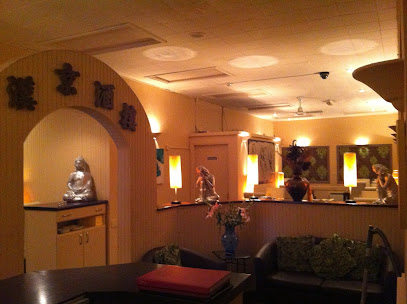
Mandarin Court Chinese Restaurant
6.1 km
Experience the vibrant flavors of China at Mandarin Court Chinese Restaurant in Rathedmond, Sligo - where culinary tradition meets modern dining.
Markets, malls and hidden boutiques

Blind Stitch
5.2 km
Explore Blind Stitch in Sligo for unique Irish gifts, crafts, and baby items, capturing the essence of Ireland in every purchase.

MACE Holborn St, Sligo
5.9 km
Discover the charm of MACE Holborn St, a local grocery store in Sligo offering fresh produce and authentic Irish flavors.

Allure
6.0 km
Discover unique styles and local craftsmanship at Allure in Sligo's Quayside Shopping Centre, your go-to destination for quality shopping.
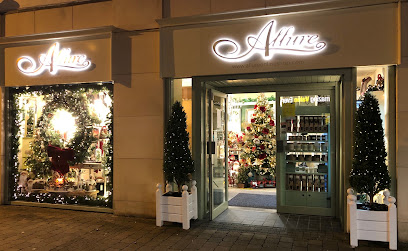
Quayside Shopping Centre
6.0 km
Uncover a delightful array of shops and dining experiences at Quayside Shopping Centre, Sligo's premier shopping destination.
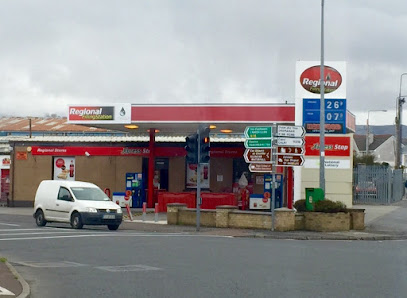
The Regional Stores
6.0 km
Explore the charm of Sligo at The Regional Stores, where convenience meets quality, offering local delicacies and friendly service.
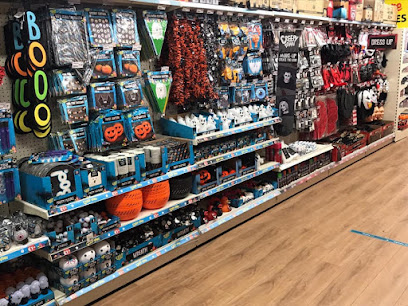
Dealz
6.0 km
Explore Sligo's Dealz: Your one-stop shop for affordable essentials, trendy clothing, and unique gifts in the heart of Ireland.
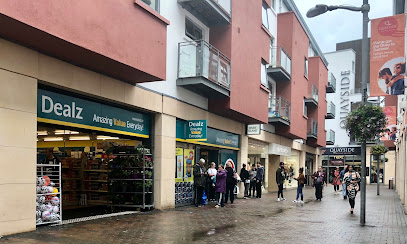
Next
6.0 km
Explore Next in Sligo for trendy clothing, stylish accessories, and family-friendly fashion at affordable prices.
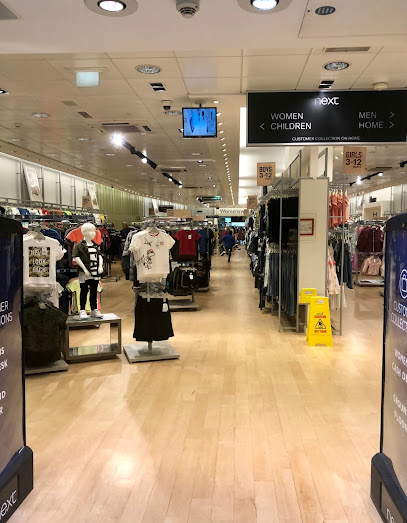
Regatta Sligo
6.0 km
Shop at Regatta Sligo for stylish outdoor clothing in the heart of Sligo’s vibrant Quayside Shopping Centre, perfect for any adventure.
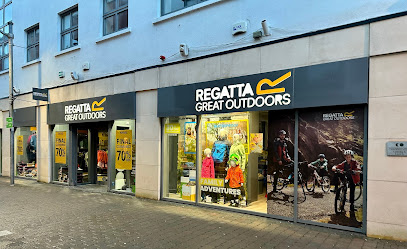
Zodi Ladies Shoe Boutique
6.1 km
Discover stylish footwear at Zodi Ladies Shoe Boutique in Sligo, a haven for shoe lovers seeking unique designs and exceptional service.
Henry Lyons Co. Ltd.
6.1 km
Explore stylish clothing and footwear at Henry Lyons Co. Ltd. in Sligo – your premier shopping destination for quality fashion.
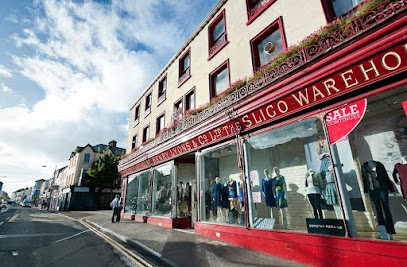
Sligo Store
6.1 km
Explore Sligo Store for unique souvenirs and local crafts that capture the essence of Sligo's vibrant culture.

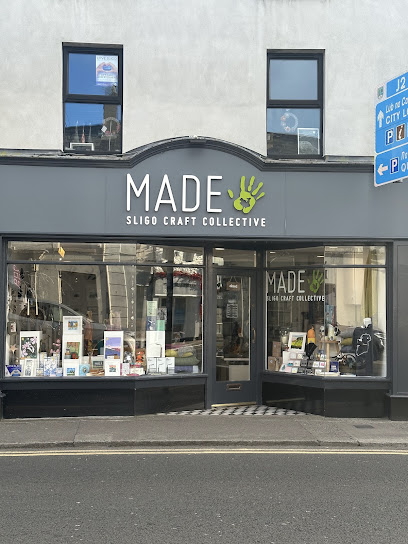
MADE Sligo Craft Collective
6.1 km
Explore the vibrant world of local craftsmanship at MADE Sligo Craft Collective, where every piece tells a unique story of artistry and tradition.
Choice Boutique Sligo
6.1 km
Explore contemporary women's fashion at Choice Boutique Sligo, where style meets local charm in the heart of the city.

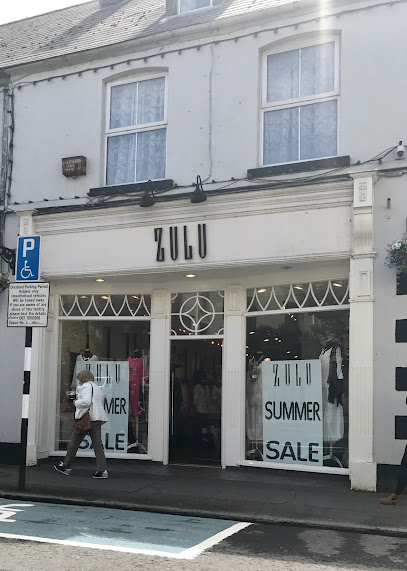
Zulu Fashion Boutique
6.1 km
Explore Zulu Fashion Boutique in Sligo for unique women's clothing that blends contemporary style with local charm.
Angel & Gift World Ltd
6.1 km
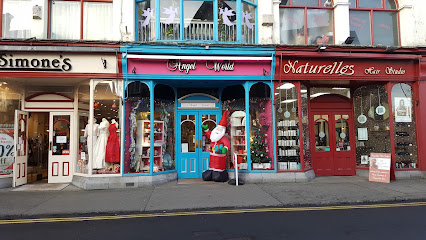
Explore a tranquil gift shop in Sligo, offering holistic treasures, unique gifts, and a serene shopping experience.
Essential bars & hidden hideouts

Harrys Bar
4.7 km
Experience the heart of Irish hospitality at Harry's Bar in Sligo, where great food, drinks, and live music create unforgettable memories.
Yeats Country Winery Bar & Grill
5.1 km
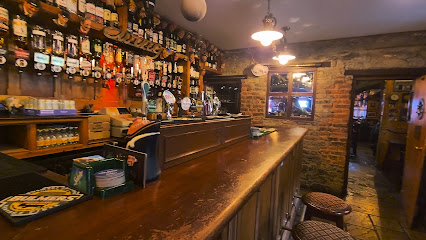
Experience the best of local wines and delicious cuisine at Yeats Country Winery Bar & Grill, nestled in the enchanting Yeats Country.
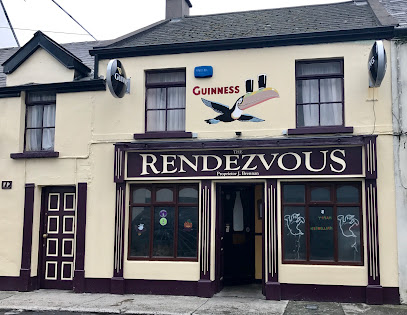
Rendezvous Bar
6.0 km
Discover the warmth and lively atmosphere of Rendezvous Bar in Sligo, where great drinks and good company await every visitor.
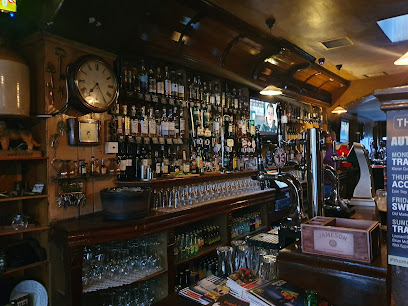
Thomas Connolly Bar
6.1 km
Discover the charm of Thomas Connolly Bar, a heritage Irish pub in Sligo, where tradition meets friendly hospitality and local flavors.
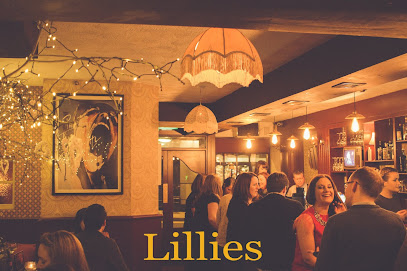
Lillie's Cocktail Bar Sligo
6.1 km
Experience the vibrant nightlife at Lillie's Cocktail Bar Sligo, where craft cocktails, live music, and local culture come together.
The Leitrim Bar
6.2 km
Discover the heart of Sligo at The Leitrim Bar, a welcoming pub perfect for experiencing local culture and vibrant nightlife.
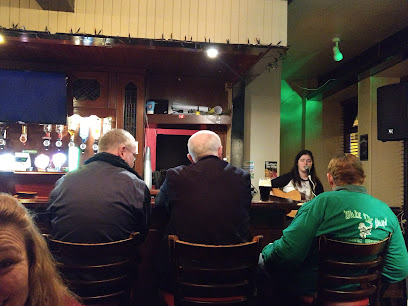
The Snug Bar
6.2 km
Discover the charm of The Snug Bar in Sligo, where traditional Irish hospitality meets a vibrant atmosphere and local brews.
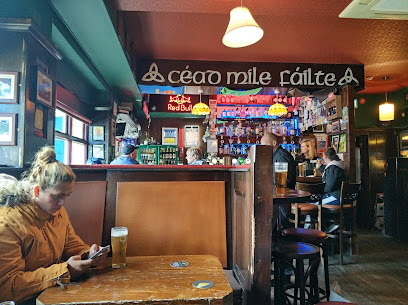
Maeves Bar
6.2 km
Experience the vibrant atmosphere and exquisite cocktails at Maeves Bar in Sligo's Queen Maeve's Square.
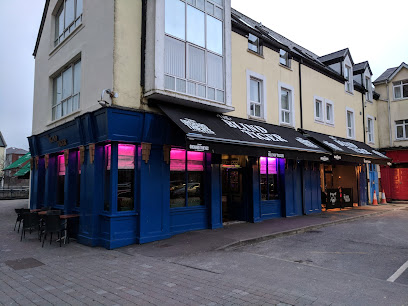
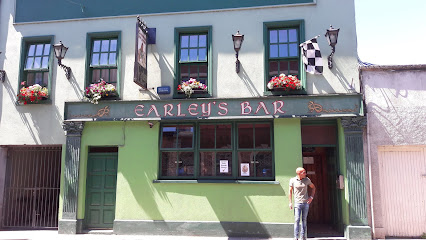
Earley's Bar
6.2 km
Discover the heart of Irish hospitality at Earley's Bar in Sligo, where traditional music and hearty cuisine create unforgettable moments.
Fureys Pub Sligo
6.2 km
Discover the heart of Irish culture at Fureys Pub Sligo with live music, delicious food, and a warm, welcoming atmosphere.
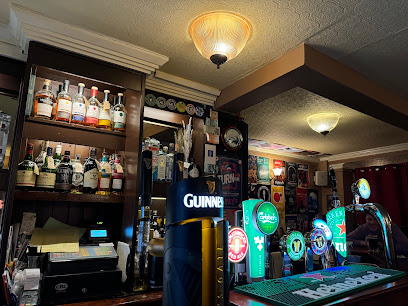
Bourbon Bar
6.3 km
Experience the vibrant nightlife at Bourbon Bar in Sligo, where expertly crafted cocktails meet a welcoming atmosphere.
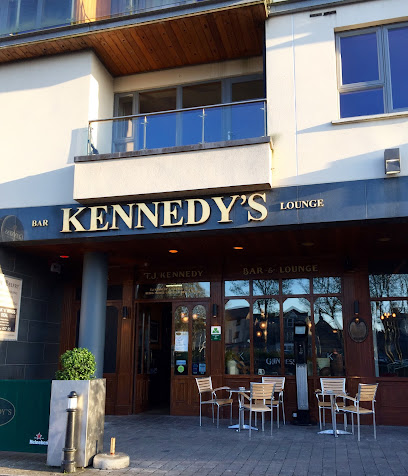
Jenny's Bar
6.3 km
Experience the warmth and culture of Sligo at Jenny's Bar, a hub of friendly service, live music, and local flavors.
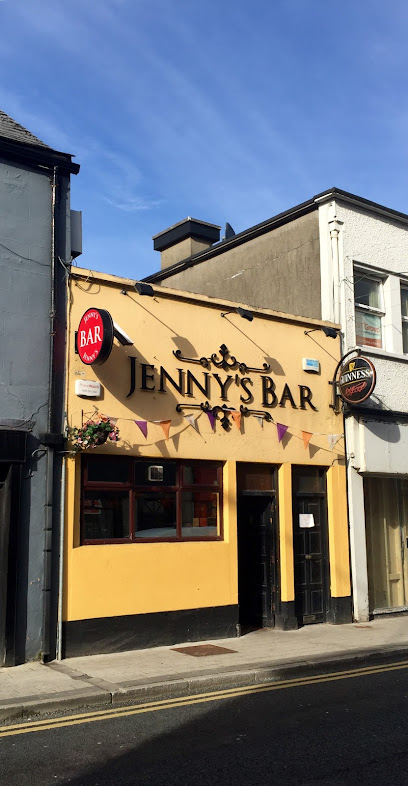
Gracie's Bar Sligo
6.3 km
Discover the charm of Gracie's Bar in Sligo, where authentic Irish cuisine meets a welcoming atmosphere, perfect for any traveler.
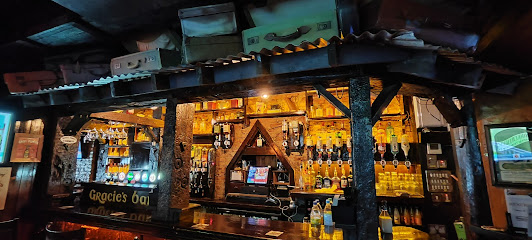
O'Neill's Bar
6.3 km
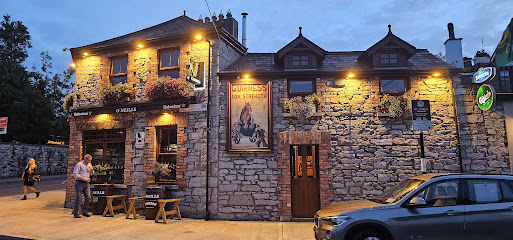
Discover O'Neill's Bar in Sligo - a lively Irish pub known for its warm hospitality, extensive drink selection, and live music events.
The Mill Bar and Lounge
6.3 km
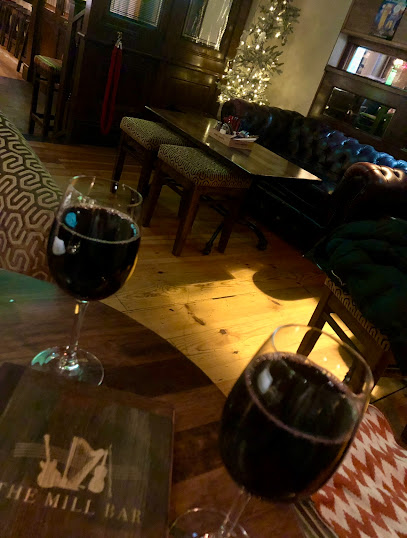
Experience the charm of Sligo at The Mill Bar and Lounge, where riverside views meet a vibrant drink selection in a cozy atmosphere.
Nightclubs & after hour spots

Cocktail Club
6.1 km
Discover the vibrant atmosphere and expertly crafted cocktails at Sligo's Cocktail Club, a must-visit for nightlife enthusiasts.
Garavoguehenstag.ie - Sligo's Number 1 Hen and Stag Provider
6.2 km
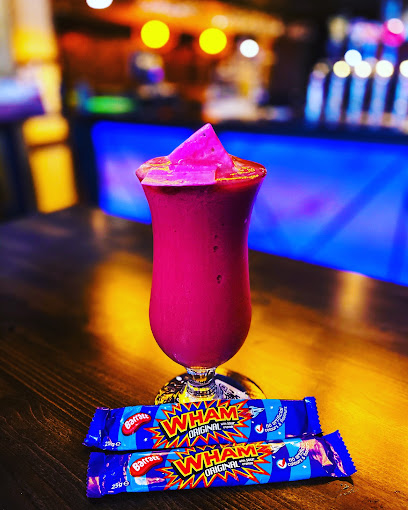
Discover Sligo's vibrant nightlife at Garavoguehenstag.ie, the ultimate destination for unforgettable hen and stag parties in Ireland.
Toffs Niteclub
6.3 km
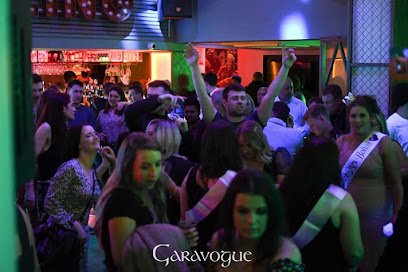
Discover the vibrant nightlife of Sligo at Toffs Niteclub, where music, dance, and friendly faces create an unforgettable experience.
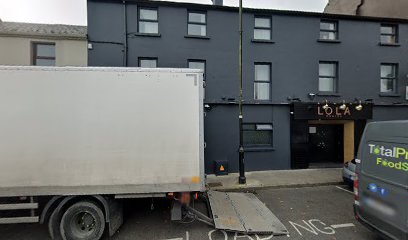
Lola Montez
6.3 km
Discover the lively nightlife at Lola Montez, Sligo's intimate night club known for great music, friendly atmosphere, and unforgettable evenings.

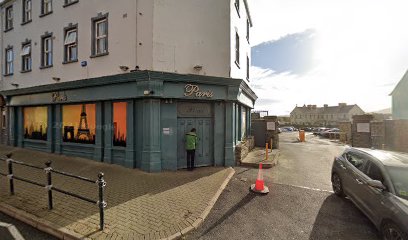
Paris
21.9 km
Discover the energetic nightlife of Bundoran, where vibrant nightclubs and stunning coastal views create unforgettable memories.
Slieve League
37.0 km
Experience the breathtaking beauty of Slieve League, home to Europe's highest sea cliffs, where adventure meets stunning coastal views.
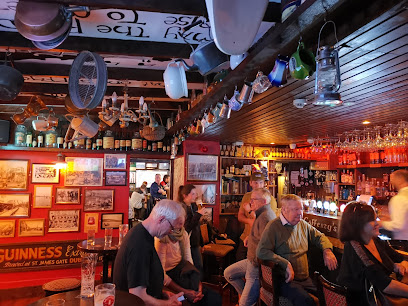
McCafferty's Bar, Donegal Town
44.0 km
Discover the lively atmosphere of McCafferty's Bar in Donegal Town, offering great food, drinks, and live music in a welcoming Irish pub setting.
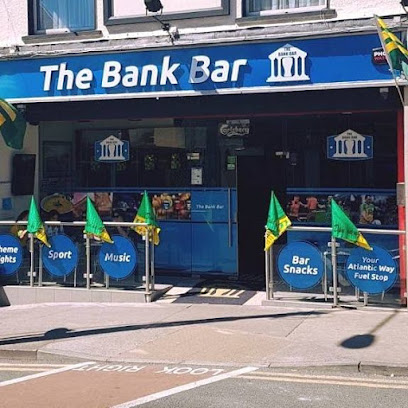
The Bank Bar
44.0 km
Experience local hospitality and vibrant nightlife at The Bank Bar in Donegal, a cozy bar with a rich history and exceptional drink selection.
Donnellans Lounge Bar
46.7 km
Donnellans Lounge Bar in Tullylannan offers a warm atmosphere, great music, and a taste of authentic Irish hospitality.
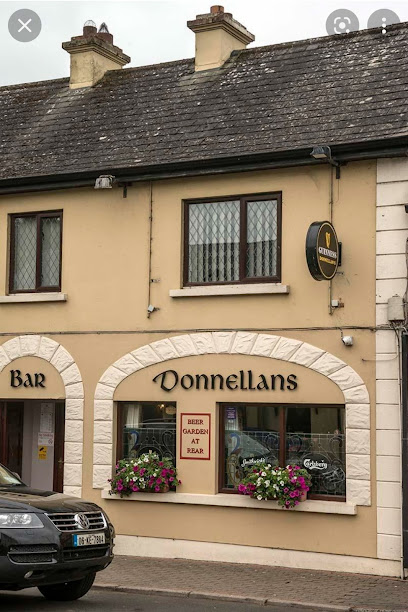
The Sheemore Inn
47.3 km
Discover The Sheemore Inn in Kilclaremore, Co. Leitrim – a cozy bar offering traditional Irish hospitality and a vibrant atmosphere.
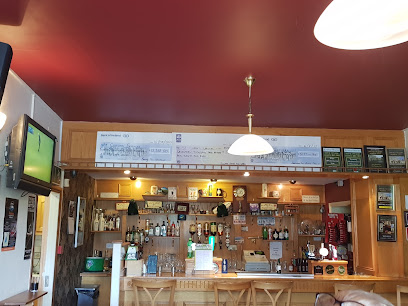
Infinity Nightclub The Castlemore Ballaghaderreen
47.7 km
Discover the pulse of Ballaghaderreen's nightlife at Infinity Nightclub, where music, dance, and vibrant energy collide for an unforgettable experience.
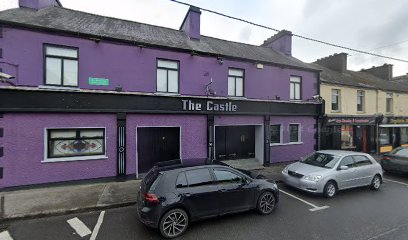
Murtagh's Bar
49.6 km
Experience the vibrant Irish spirit at Murtagh's Bar in Carrick-On-Shannon, where friendly staff and lively music create unforgettable nights.
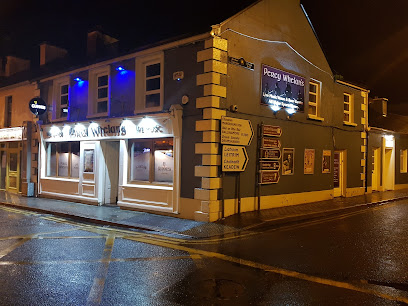
Basement Club
49.6 km
Discover the vibrant atmosphere of Basement Club in Carrick-On-Shannon, where locals and tourists enjoy great drinks and live music.
McHugh's Pub
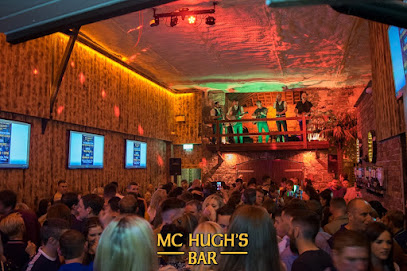
49.7 km
Discover the heart of Carrick-On-Shannon at McHugh's Pub, where tradition and camaraderie blend in a lively atmosphere.
Cryan's Teach Ceoil
49.8 km
Immerse yourself in Irish culture at Cryan's Teach Ceoil, where traditional music meets the perfect pint in the heart of Carrick-On-Shannon.