

Free Connacht Travel Guide & Mobile App
Explore Connacht with free travel guides. Discover regional history, expert tips, proposed trips, and audio guides on web or mobile app.


Explore Connacht in western Ireland for Atlantic scenery, Galway culture, ancient monuments, Irish-speaking communities and outdoor adventure.
Read more about Connacht
When is the best time to visit Connacht?
Best: June–August · 18–20°C| Month | High (°C) | Rainfall (mm) |
|---|---|---|
| January | 8 | 85 |
| February | 9 | 70 |
| March | 10 | 75 |
| April | 12 | 65 |
| May | 15 | 65 |
| June (best) | 18 | 60 |
| July (best) | 20 | 65 |
| August (best) | 19 | 70 |
| September | 17 | 75 |
| October | 14 | 85 |
| November | 10 | 90 |
| December | 8 | 95 |
Getting to and around Connacht
How to get there
Transportation
Top city travel guides in Connacht
The cities of Connacht, and the easiest places to base yourself.
-

-

-

-

-

-


Swipe for more cities
Destinations in Connacht
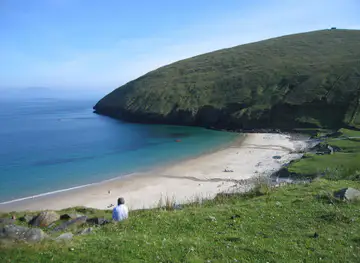
Resorts, valleys and scenic spots worth a trip of their own.
-

-

-

-

-
-


Swipe for more destinations
Best attractions in Connacht
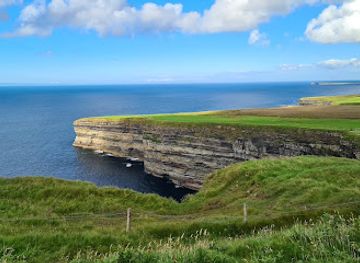
Connacht’s attractions are spread across a large and varied province. Galway city combines medieval streets, museums, theatres, galleries and a busy cultural calendar with access to the coast and the west. Connemara National Park offers mountain and bog landscapes, while the wider Connemara region is suited to scenic drives, walking, cycling and visits to Irish-speaking communities. The Aran Islands bring stone-built landscapes, sea views and distinctive island heritage. Mayo ranges from Achill Island and Clew Bay to Croagh Patrick, Westport and the Céide Fields, where prehistoric field walls lie beneath the bog. Sligo offers beaches, lakes, woodland walks and major megalithic sites such as Carrowmore. Inland Connacht is quieter, with boating and angling around the Shannon and Lough Key, woodland recreation near Boyle and archaeological landscapes around Rathcroghan. Museums, abbeys, castles, gardens and cultural venues provide alternatives when Atlantic weather changes, while the region’s network of walking routes makes its natural scenery a central part of the visitor experience.
-
Visitor center
Connemara National Park Visitor Centre
Discover Connemara National Park: Explore scenic trails, learn about local history, and witness stunning views in the heart of County Galway.
-
Farm
Glendeer Pet Farm
Experience animal encounters, playgrounds, and nature trails at this award-winning family farm in the heart of Ireland, near Athlone.
-
Tourist attraction
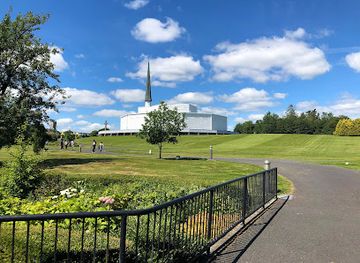
Knock Shrine
Discover Knock Shrine: A historic pilgrimage site in County Mayo, Ireland, offering spiritual solace and cultural enrichment.
-
Tourist attraction
Céide Fields
Explore the world's oldest field systems at Céide Fields, a unique Neolithic landscape on Ireland's dramatic Wild Atlantic Way.
Best landmarks in Connacht
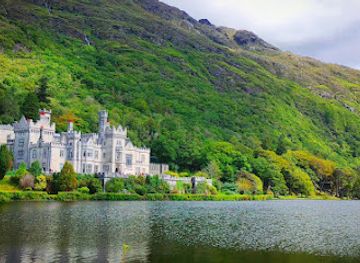
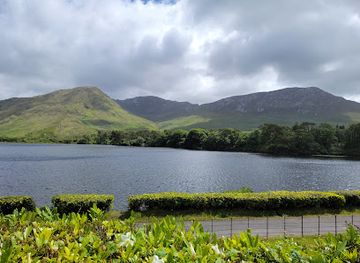
Connacht’s landmarks reveal the province’s prehistoric, Gaelic, religious and Atlantic histories. The Céide Fields in north Mayo are especially significant: their preserved Neolithic field system, house sites and boundary walls form an extensive archaeological landscape beneath the blanket bog. Carrowmore’s megalithic tombs in County Sligo and the cairn on Knocknarea give the area a powerful prehistoric identity, while Rathcroghan in Roscommon connects archaeological remains with the traditions of an ancient Gaelic royal centre. Croagh Patrick is both a prominent Mayo mountain and an important pilgrimage site, rising above Clew Bay. In Galway, the medieval city walls and Spanish Arch recall the port’s commercial past, while Kylemore Abbey and its setting in Connemara have become one of the west’s most recognisable architectural images. Boyle Abbey and the stone fort of Dún Aonghasa on Inis Mór add contrasting religious and defensive monuments. The natural landmarks of Achill’s coast, Sligo’s Benbulben and the granite ranges of Connemara complete a landscape in which geology is as visually important as built heritage.
-
Abbey
Kylemore Abbey & Victorian Walled Garden
Discover the beauty and history of Kylemore Abbey, a stunning lakeside castle in the heart of Connemara, County Galway, Ireland.
-
Park
Eyre Square
Discover Galway's vibrant heart: a historic park with monuments, events, and green spaces, surrounded by shops and restaurants.
-
National park
Connemara National Park
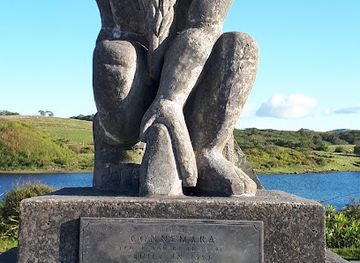
Explore the wild beauty of Connemara National Park: mountains, bogs, trails, and history await in this natural Irish treasure.
-
Tourist attraction
Glencar Waterfall
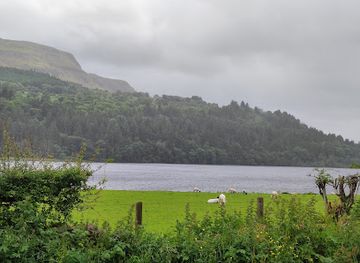
Discover the enchanting beauty of Glencar Waterfall in County Leitrim, where nature, poetry, and myth intertwine to create a magical experience.
Explore Connacht on the map
Plan your trip on one map. See where the top cities, national parks and sights are, and book hotels and experiences in a few clicks.
Best hotels in Connacht
Best restaurants in Connacht
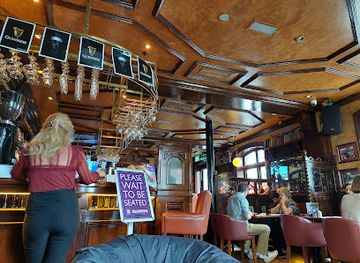
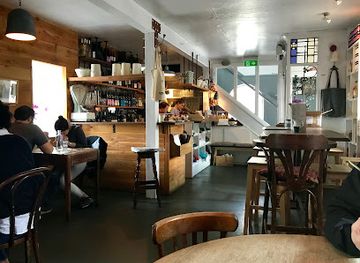
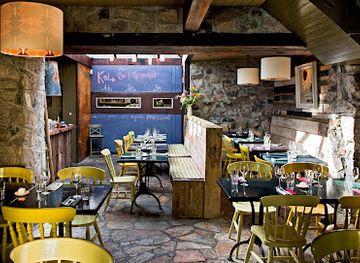
Connacht’s food reflects its Atlantic coastline, pastureland, lakes and small-scale producers. Galway is the province’s broadest dining centre, with restaurants, cafés, traditional pubs and food markets drawing on oysters, mussels, crab, smoked fish and other local seafood. Along the Mayo and Sligo coasts, fish and shellfish feature prominently, while inland menus often include lamb, beef, game when in season, farmhouse cheeses, root vegetables and substantial soups or stews. Connemara lamb and locally produced brown bread are familiar regional specialities, though many dishes are part of the wider food culture of Ireland rather than exclusive to Connacht. Rural pubs and cafés are useful places to find uncomplicated local cooking, while farmers’ markets and farm shops offer cheeses, baking, preserves and seasonal produce. Craft breweries and small drinks producers add variety, but availability differs by town and season, so remote areas benefit from advance planning.
-
Seafood
Brasserie On The Corner
Discover exquisite seafood and vibrant cocktails at Brasserie On The Corner - Galway's culinary gem!
-
Irish
Ard Bia at Nimmos
Discover the heart of Irish cuisine at Ard Bia at Nimmos - where tradition meets innovation in every bite.
-
Restaurant
Kai Restaurant
Discover the essence of Irish cuisine at Kai Restaurant in Galway - where local ingredients meet creative culinary artistry.
-
Restaurant
O'Gradys on the Pier
Experience fine Irish dining at O'Gradys on the Pier with stunning sea views and fresh seafood delicacies.

Best bars in Connacht
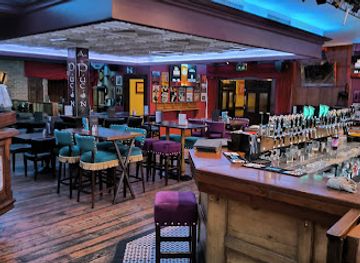
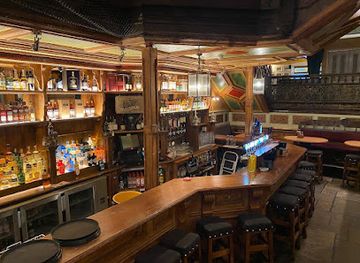
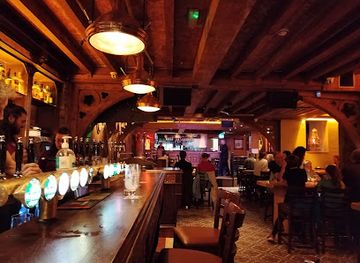
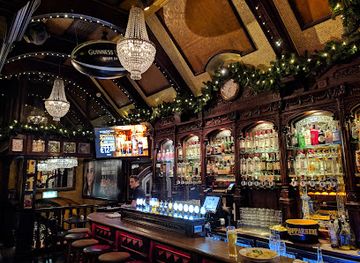
Evening life in Connacht ranges from Galway’s dense concentration of pubs, live-music venues, theatres and late bars to the more spread-out social life of Mayo, Sligo, Leitrim and Roscommon. Traditional music can be heard in pubs across the province, although sessions are community occasions rather than guaranteed nightly performances. Sligo has a strong musical and cultural identity, while towns such as Westport, Castlebar, Ballina, Roscommon and Carrick-on-Shannon provide additional pubs, restaurants and occasional live entertainment. In rural districts, the evening usually centres on a pub, local event or hotel rather than a large club scene. Galway has the widest choice of late-night venues, but opening arrangements and admissions change, particularly outside the main season. Non-alcoholic options, cafés and theatre performances provide alternatives to drinking-focused evenings.
-
Gastropub
An Púcán
Discover the heart of Galway at An Púcán, where rich Irish flavors meet vibrant live music in a welcoming gastropub atmosphere.
-
Grill
The Skeff Bar
Discover the perfect blend of modern grill and traditional pub at The Skeff Bar, a culinary hotspot in the heart of Galway.
-
Bar
The Quays Bar and Restaurant
Immerse yourself in Galway's vibrant culture at The Quays Bar and Restaurant, where delicious food meets live music in a warm, welcoming atmosphere.
-
Pub
The Front Door Pub
Experience the vibrant atmosphere and delicious offerings at The Front Door Pub in Galway, the perfect spot for every traveler seeking Irish hospitality.
Best nightclubs in Connacht
Evening life in Connacht ranges from Galway’s dense concentration of pubs, live-music venues, theatres and late bars to the more spread-out social life of Mayo, Sligo, Leitrim and Roscommon. Traditional music can be heard in pubs across the province, although sessions are community occasions rather than guaranteed nightly performances. Sligo has a strong musical and cultural identity, while towns such as Westport, Castlebar, Ballina, Roscommon and Carrick-on-Shannon provide additional pubs, restaurants and occasional live entertainment. In rural districts, the evening usually centres on a pub, local event or hotel rather than a large club scene. Galway has the widest choice of late-night venues, but opening arrangements and admissions change, particularly outside the main season. Non-alcoholic options, cafés and theatre performances provide alternatives to drinking-focused evenings.
-
Live Music
Róisín Dubh
Experience the heartbeat of Galway at Róisín Dubh, where live music, comedy, and a vibrant atmosphere come together for unforgettable nights.
-
Night club
The Phoenix Venue and Night Club
Discover the rhythm of Tullamore at The Phoenix Venue and Night Club, a premier destination for live music and unforgettable nights out.
-
Pub
Coyotes Late Bar
Coyotes Late Bar: A dynamic pub and restaurant in Galway, offering delicious food, vibrant atmosphere, and great entertainment for an unforgettable night out.
-
Comedy club
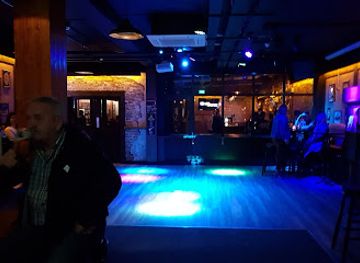
Ireland's Smallest Comedy Club
Discover the humor of Galway at Ireland's Smallest Comedy Club – an intimate venue where laughter and local talent shine.



Best shops in Connacht
Shopping in Connacht is concentrated in Galway, Sligo, larger Mayo towns and the principal inland market centres rather than in extensive retail districts across the countryside. Galway’s central streets combine national retailers with independent bookshops, design shops, galleries, craft outlets and food businesses. Sligo has a similar town-centre mix, with particular appeal for visitors seeking art, books, music and locally made products. Westport, Castlebar, Ballina, Roscommon and Carrick-on-Shannon provide practical high-street shopping alongside cafés, galleries and smaller specialist shops. Farmers’ markets and food shops are good places to look for farmhouse cheese, smoked fish, preserves, baking and other Irish produce, though market days vary. Regional craft traditions include pottery, textiles, knitwear, jewellery, woodwork and contemporary design; quality and provenance differ, so visitors should ask where an item was made. In Gaeltacht areas, Irish-language books, recordings and locally produced artwork can make more meaningful souvenirs than generic tourist merchandise.
-
Shopping mall
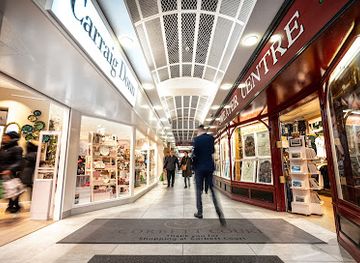
Corbett Court Shopping Centre
Explore Corbett Court Shopping Centre in Galway for a unique shopping experience with diverse stores and delightful dining options.
-
Gift shop
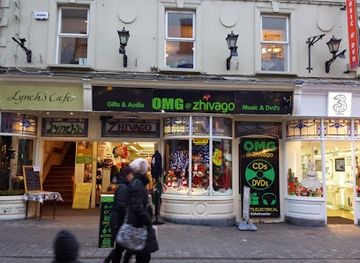
ZhivagoGifts.ie
Explore Zhivago Gifts in Galway for unique souvenirs, festive decorations, and a vast selection of music memorabilia in a charming atmosphere.
-
Jewelry store
Joyce's Craftshop
Explore Joyce's Craftshop in Co. Galway for unique handmade jewelry and crafts that showcase the essence of local artistry.
-
Leather goods store
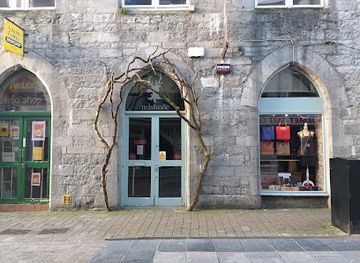
mishnóc
Explore Mishnóc in Galway for exquisite handcrafted leather goods, merging tradition and contemporary style in a vibrant shopping experience.
Get your free copy of our complete guide to Connacht, delivered straight to you.
Everything on this page, from attractions and restaurants to essentials and local phrases, in one PDF you can read offline, print or share.
Already have an account? Sign in
Your Connacht guide is ready.
We'll send it to · Not you? Sign out

Getting your guide ready…
We are putting together a fresh copy of the Connacht guide. This can take up to a minute.
This can take a few moments. If your browser asks, choose Allow so the download can start. You'll find the guide in your Downloads folder.
Nothing happened? Download it again
Sorry, the guide is taking longer than usual. Please try again in a minute, or get it by email instead.
Connacht essentials
Currency and Payment
Safety
Emergency Situations
Do's and Don'ts
Local Tips
From Eve
Local phrases worth knowing
You don't need to get them perfect. A few words go a long way, and locals appreciate the effort.
Basics
| English | Local | Say it |
|---|---|---|
| Hello | Dia dhuit | [dee-ah gwitch] |
| Goodbye | Slán | [slawn] |
| Yes | Tá | [taw] |
| No | Níl | [neel] |
| Please/You're welcome | Le do thoil | [leh duh hull] |
| Thank you | Go raibh maith agat | [guh rev mah agat] |
| Excuse me/Sorry | Gabh mo leithscéal | [gav muh lesh-kayl] |
| How are you? | Conas atá tú? | [kun-us ah-taw too] |
| Fine. And you? | Go maith. Agus tusa? | [guh mah. ah-gus too-sah] |
| Do you speak English? | An labhraíonn tú Béarla? | [an lov-reen too bay-rla] |
| I don't understand | Ní thuigim | [nee hig-im] |
Eating & Drinking
| English | Local | Say it |
|---|---|---|
| I'd like to see the menu, please | Ba bhreá liom an mhangla, le do thoil | [ba vraw lum an man-glah, leh duh hull] |
| I don't eat meat | Ní ithim feoil | [nee ee-im fail] |
| Cheers! | Sláinte! | [slawn-che] |
| I would like to pay, please | Ba bhreá liom íoc, le do thoil | [ba vraw lum eek, leh duh hull] |
Emergencies
| English | Local | Say it |
|---|---|---|
| Help! | Cabhair! | [kaw-ir] |
| Go away! | Imigh uait! | [ih-mig oo-it] |
| Call the Police! | Glaoigh ar na póilíní! | [glaw-ee ar nah polee-nee] |
| Call a doctor! | Glaoigh ar dochtúir! | [glaw-ee ar dock-teer] |
| I'm lost | Táim caillte | [taw-im kay-lte] |
| I'm ill | Táim tinn | [taw-im tin] |
Shopping
| English | Local | Say it |
|---|---|---|
| I'd like to buy... | Ba bhreá liom a cheannach... | [ba vraw lum a khan-ukh] |
| I'm just looking | Tá mé ag féachaint | [taw may egg fay-khint] |
| How much is it? | Cé mhéad atá air? | [kay vade ah-taw air] |
| That's too expensive | Tá sé róchostasach | [taw shay roh-kos-tahkh] |
| Can you lower the price? | An féidir leat an praghas a laghdú? | [an fay-dur lat an prah-gas a lag-doo] |
Time & Numbers
| English | Local | Say it |
|---|---|---|
| What time is it? | Cén t-am é? | [kane tahm ay] |
| It's one o'clock | Tá sé a haon a chlog | [taw shay a hayn a khlog] |
| Half past (10) | Leath tar éis (10) | [lah tar aysh (10)] |
| Morning | Maidin | [maw-din] |
| Afternoon | Tráthnóna | [trawn-oh-nah] |
| Evening | Tráthnóna | [trawn-oh-nah] |
| Yesterday | Inné | [in-yeh] |
| Today | Inniu | [in-nyoo] |
| Tomorrow | Amárach | [ah-mah-rahkh] |
| 1 | 1 | [1] |
| 2 | 2 | [2] |
| 3 | 3 | [3] |
| 4 | 4 | [4] |
| 5 | 5 | [5] |
| 6 | 6 | [6] |
| 7 | 7 | [7] |
| 8 | 8 | [8] |
| 9 | 9 | [9] |
| 10 | 10 | [10] |
Transport & Directions
| English | Local | Say it |
|---|---|---|
| Where's a/the...? | Cá bhfuil an...? | [kaw wil an...?] |
| What's the address? | Cad é an seoladh? | [kad ay an shol-ah] |
| Can you show me (on the map)? | An féidir leat dom a thaispeáint (ar an léarscáil)? | [an fay-dur lat dum a hash-paynt (ar an layr-skaal)?] |
| When's the next (bus)? | Cathain a bheidh an (bus) eile? | [ka-hin a vay an (bus) el-eh?] |
| A ticket (to ....) | Ticéad (go ....) | [tik-aid (guh ....)] |
History of Connacht
Prehistoric monuments and the first farmers
Connacht has some of Ireland’s most important prehistoric landscapes. The Céide Fields in north Mayo preserve an extensive Neolithic field system beneath blanket bog, while Carrowmore near Sligo contains one of Europe’s largest concentrations of megalithic tombs. Passage tombs, court tombs and standing stones across the province show that early farming societies organised land, burial and ritual on a considerable scale. At Knocknarea, the great cairn traditionally associated with Queen Medb dominates Sligo’s landscape, although the monument itself belongs to a much earlier prehistoric tradition.
The Gaelic kingdoms of Connacht
Before the Anglo-Norman expansion, Connacht was governed through a network of Gaelic kingdoms and lordships. The Uí Chonchobair dynasty, based in central Connacht, supplied several high kings of Ireland, while Rathcroghan in County Roscommon preserved associations with the ancient kingdom of Cruachain and the epic cycle of Táin Bó Cúailnge. Political power was personal and territorial rather than organised as a modern province, but the idea of Connacht as a distinct western kingdom endured in genealogy, literature and later political history.
Anglo-Norman expansion and medieval Galway
Anglo-Norman influence reached Connacht in the late twelfth and thirteenth centuries, although Gaelic lordships remained powerful in much of the west. The de Burgh family became especially influential, and Galway developed into a walled merchant town with strong trading links to Britain, continental Europe and the wider Atlantic. Medieval religious foundations, castles and town walls still mark this period across the province. The expansion changed landholding and commerce without eliminating Gaelic political and cultural traditions, which continued to shape western society.
Confederate and Cromwellian upheaval
Connacht became a major refuge and centre of resistance during the Wars of the Three Kingdoms in the seventeenth century. The Irish Confederate administration operated from Kilkenny and later Galway, while the west became the final area held by the Catholic Confederates against the forces of Oliver Cromwell. The subsequent Cromwellian settlement brought confiscations, transplantation and major changes in landownership. Its effects were uneven but long-lasting, reinforcing the dominance of large estates in some districts and contributing to the survival of Gaelic society in poorer and more remote areas.
Rebellion, famine and emigration
The French landing at Kilcummin near Killala in County Mayo in 1798 briefly turned Connacht into the centre of the United Irishmen’s rebellion. More devastatingly, the Great Famine of the 1840s struck a region where many families depended heavily on the potato and held small plots. Death, eviction, workhouse hardship and mass emigration reshaped Mayo, Galway, Sligo, Leitrim and Roscommon. Abandoned settlements, famine roads, graveyards and altered population patterns remain part of the region’s historical landscape.
The Irish-language west and cultural revival
Connacht retained some of Ireland’s strongest Irish-speaking communities, particularly in Connemara, the Aran Islands and parts of Mayo. During the nineteenth- and early twentieth-century cultural revival, writers, collectors and political activists looked to western speech, folklore and landscape as important elements of Irish identity. The work of Douglas Hyde from Roscommon and the influence of Galway and Sligo on writers such as W. B. Yeats helped place Connacht at the centre of modern debates about language, literature and national culture.
Modern transport, tourism and regional change
Railways and improved roads connected Connacht’s towns to Dublin and the wider Irish economy during the nineteenth and twentieth centuries, while ports and fishing remained important along the Atlantic coast. The twentieth century brought population decline in many rural districts, followed later by growth in Galway through education, technology, medicine and cultural activity. Tourism developed around landscapes such as Connemara, Achill, Sligo’s mountains and the Shannon lakes, but agriculture, fishing, craft production and the Irish language remain essential parts of the region’s contemporary identity.
Connacht in Photos
Browse through our photo collection highlighting the charm and character of the destination.
Neighbouring regions of Connacht
The closest regions to Connacht, if you have time for more than one.
-

-

-

-

-


Swipe for more regions
Explore more
Explore more of Ireland
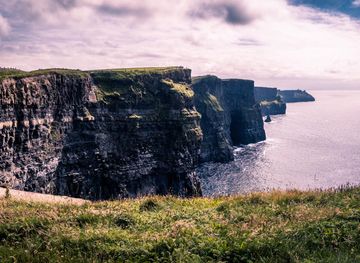
Discover Ireland: A land of enchanting landscapes, rich history, and vibrant culture, where every corner tells a story and every visit feels like coming home.
Explore Ireland