
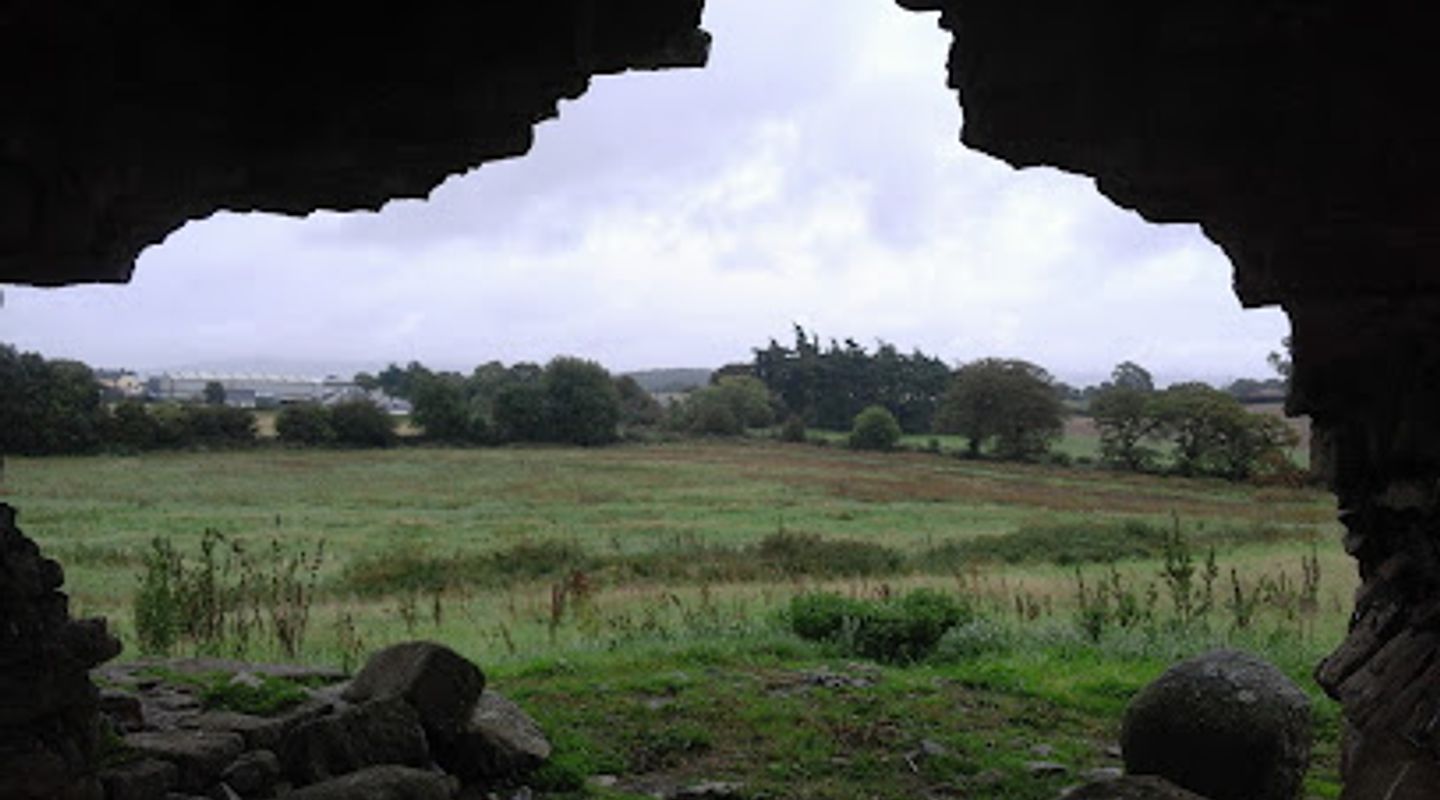
Ballymoon Castle, County Carlow Travel Guide
Explore the imposing ruins of Ballymoon Castle in County Carlow, a unique and mysterious monument from the 13th or 14th century.
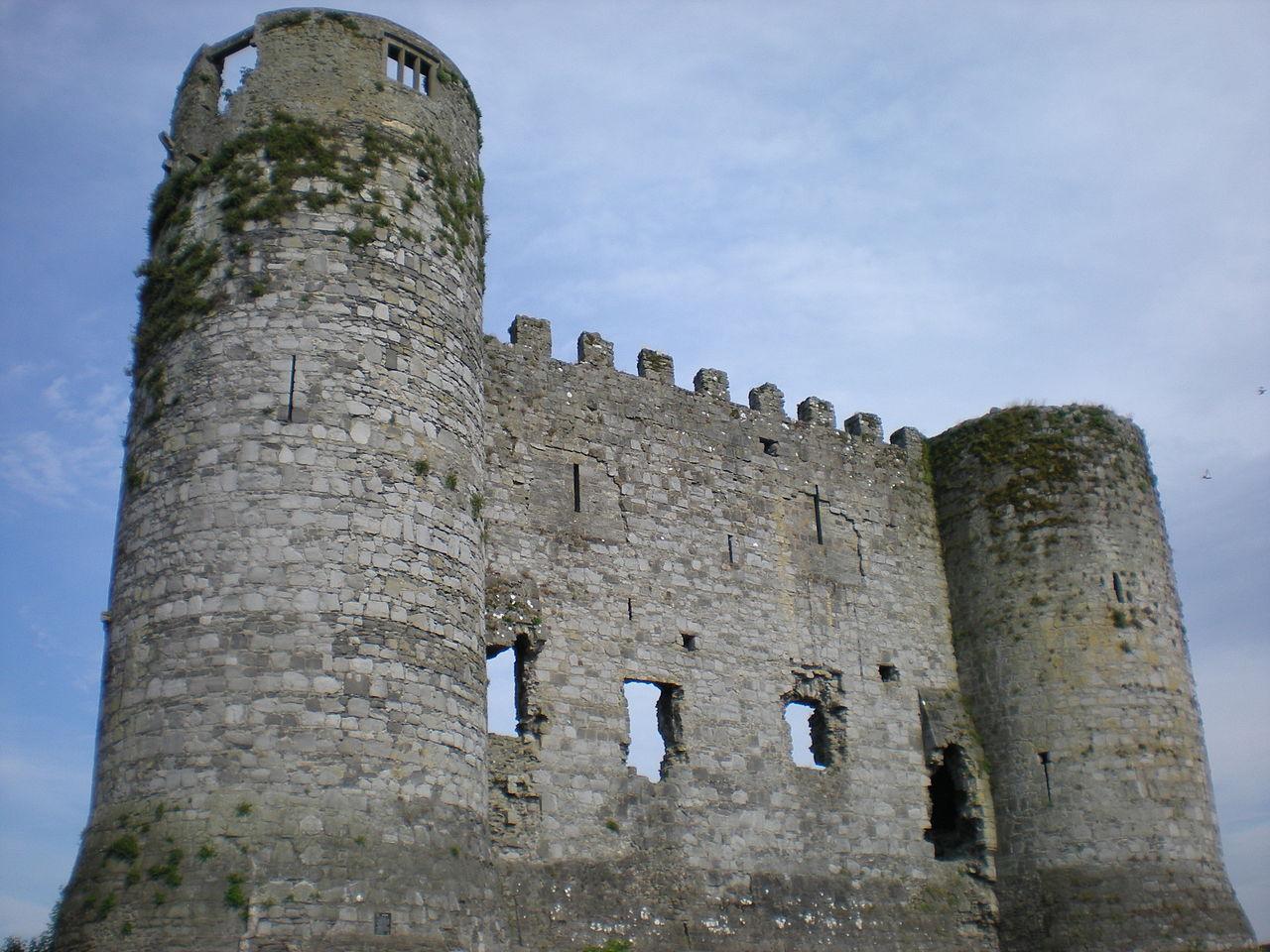
Ballymoon Castle, near Bagenalstown in County Carlow, is a striking yet mysterious 13th or 14th-century ruin. Its massive granite walls and imposing gatehouse hint at a grand design that was never completed, leaving visitors to ponder its intended purpose and lost history.
A brief summary to Ballymoon Castle
- Ballymoon, Co. Carlow, IE
- Click to display

Know before you go
Hi, I'm Eve. Here are a few practical things to know before exploring Ballymoon Castle.
- Wear sturdy shoes, as the ground within the castle walls is uneven.
- Visit in the late afternoon for the best light for photography.
- Combine your visit with a trip to nearby Ballyloughan Castle, which is only a short drive away.
Do you manage this location?
Take control to get all the benefits, like improved information, better appearance, and stronger visibility across AI-powered discovery. Learn more about listing your business on Evendo
Activate your presenceOther nearby places you may find interesting
The closest places of the same kind, if this one is not quite what you had in mind.
Explore Ballymoon Castle on the Map
A handpicked selection of must-see spots near Ballymoon Castle, mapped for you.
Getting There
-
Driving
Ballymoon Castle is located just off the R724, approximately 3.5 km east of Bagenalstown. From Bagenalstown, follow the R724 towards Fenagh. The castle will be visible on your left. Limited parking is available at a gated entrance to a field opposite the castle; space for only one car, so be cautious.
-
Walking
From Bagenalstown, it's approximately a 3.5 km walk to Ballymoon Castle along the R724. Follow the R724 east out of town. Exercise caution as the R724 can be a busy road. Once you arrive, access to the castle is via a small wooden footbridge.
Discover more about Ballymoon Castle













Your all‑in‑one travel companion app
Explore expert travel guides, compare and book tours, experiences, hotels, and more—all from the palm of your hand. Download now for seamless trip planning wherever your wanderlust takes you.


Explore More of County Carlow
Looking beyond Ballymoon Castle? Discover County Carlow for broader travel guides, local hot-spots, and regional highlights.
Explore County Carlow
Explore the scenic beauty and rich culture of the Barrow Valley at the Tourism Hub in Graiguenamanagh, County Kilkenny.

Discover a serene wildlife haven in County Carlow, offering unique observation opportunities and contributing to vital conservation efforts.
