Fitzwilliam Square, County Dublin Travel Guide
Discover Dublin's Fitzwilliam Square: A beautifully preserved Georgian square with a rich history and tranquil atmosphere.
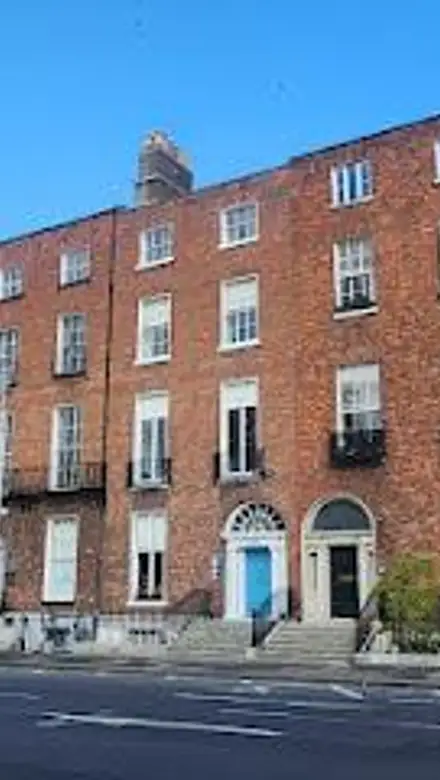
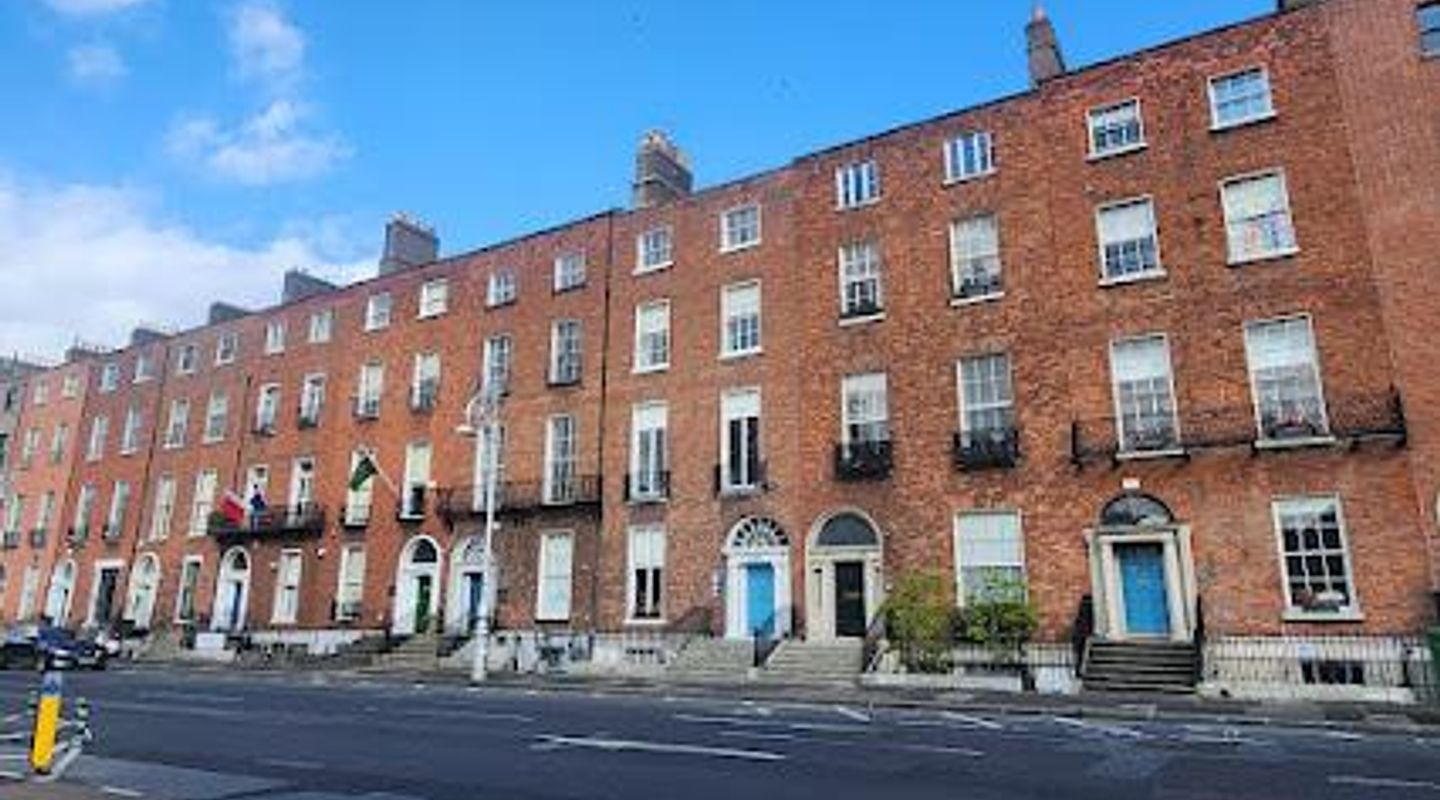
Fitzwilliam Square, the last and smallest of Dublin's five Georgian squares, offers a tranquil escape with its preserved Georgian architecture and private central park. Developed in the late 18th century, it provides a glimpse into Dublin's aristocratic past and architectural elegance.
A brief summary to Fitzwilliam Square
- 2 Fitzwilliam Pl, Dublin, D02 K227, IE
- Click to display
- Click to display
- Monday 10 am-10 pm
- Tuesday 10 am-10 pm
- Wednesday 10 am-10 pm
- Thursday 10 am-10 pm
- Friday 10 am-10 pm
- Saturday 10 am-10 pm
- Sunday 10 am-10 pm

Know before you go
Hi, I'm Eve. Here are a few practical things to know before exploring Fitzwilliam Square.
- Take a stroll around the square to admire the well-preserved Georgian architecture.
- Visit early in the morning or late in the afternoon to enjoy a peaceful atmosphere.
- Note that the park in the center of the square is private and not accessible to the public.
Do you manage this location?
Take control to get all the benefits, like improved information, better appearance, and stronger visibility across AI-powered discovery. Learn more about listing your business on Evendo
Activate your presenceOther nearby places you may find interesting
The closest places of the same kind, if this one is not quite what you had in mind.
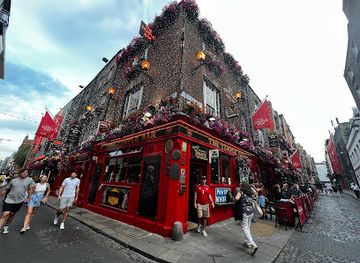
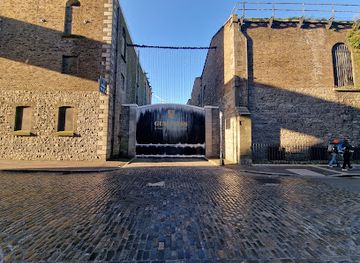
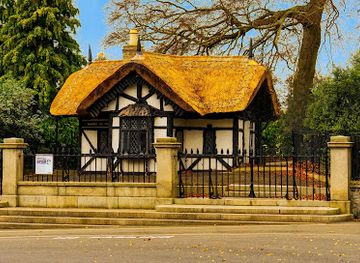
Explore Fitzwilliam Square on the Map
A handpicked selection of must-see spots near Fitzwilliam Square, mapped for you.
Unlock the Best of Fitzwilliam Square
Buy tickets
-
No tickets available
Book tours with entry

Book tours without entry

Getting There
-
Walking
From St. Stephen's Green, walk east along the south side of the park. Continue onto Upper Fitzwilliam Street. Fitzwilliam Square will be on your left. The walk is approximately 5-10 minutes.
-
Public Transport
Several bus routes stop near Fitzwilliam Square. Check the TFI Journey Planner app for the most direct route from your location. A single journey within Dublin's Zone 1 costs €2.00 for adults using a Leap Card. Cash fares are also available but are more expensive.
-
Taxi
Taxis are readily available throughout Dublin. A short taxi ride from the city center to Fitzwilliam Square typically costs between €8 and €15, depending on traffic and time of day. Note that fares are metered and regulated by the National Transport Authority.
Discover more about Fitzwilliam Square













Your all‑in‑one travel companion app
Explore expert travel guides, compare and book tours, experiences, hotels, and more—all from the palm of your hand. Download now for seamless trip planning wherever your wanderlust takes you.


Explore More of County Dublin
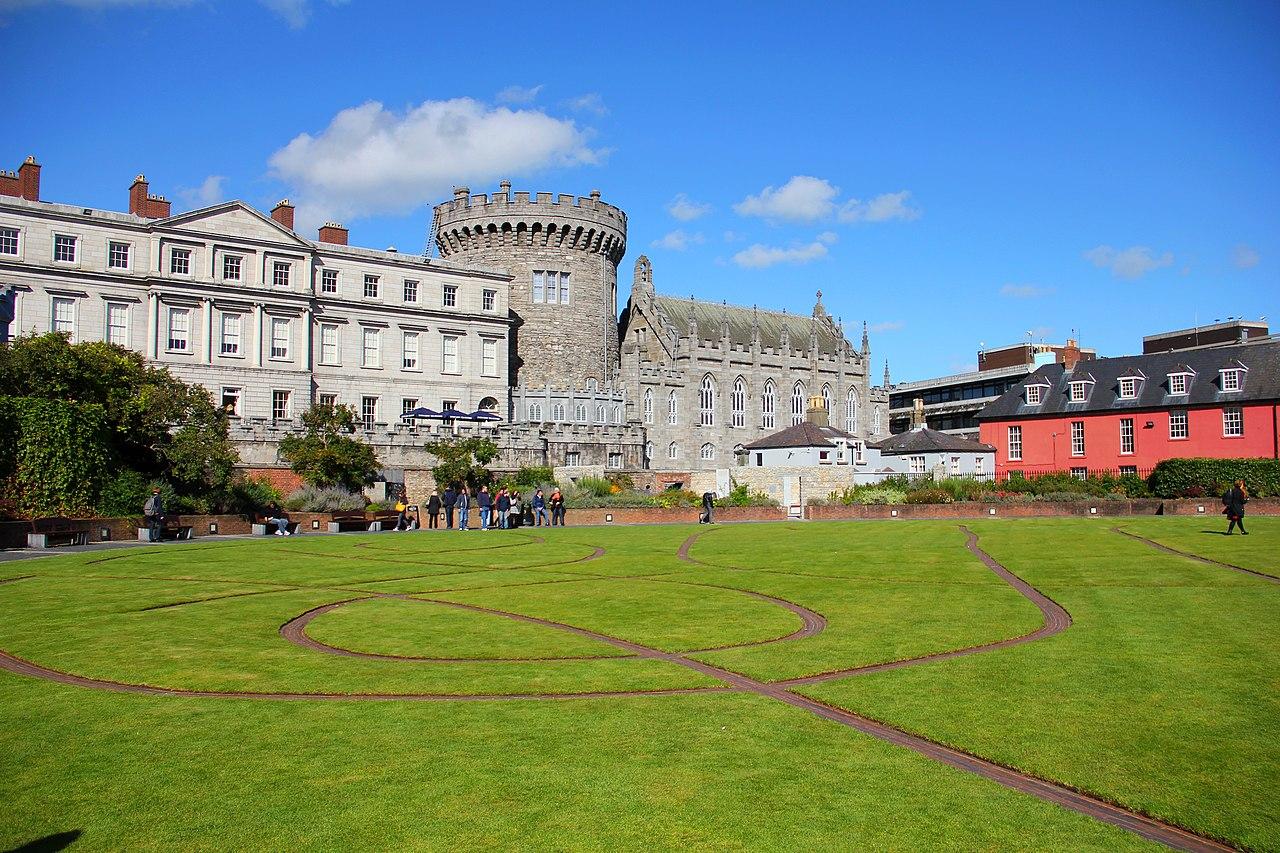
Looking beyond Fitzwilliam Square? Discover County Dublin for broader travel guides, local hot-spots, and regional highlights.
Explore County Dublin
Experience the heart of Dublin at Doheny & Nesbitt, where traditional Irish hospitality meets a lively pub atmosphere.
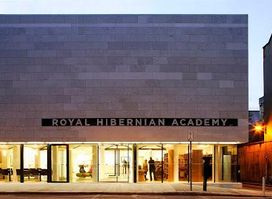
Explore contemporary Irish art at the Royal Hibernian Academy of Arts, a cultural gem in Dublin showcasing dynamic exhibitions and educational programs.