

Free County Dublin Travel Guide & Mobile App
Explore County Dublin with free travel guides. Discover regional history, expert tips, proposed trips, and audio guides on web or mobile app.


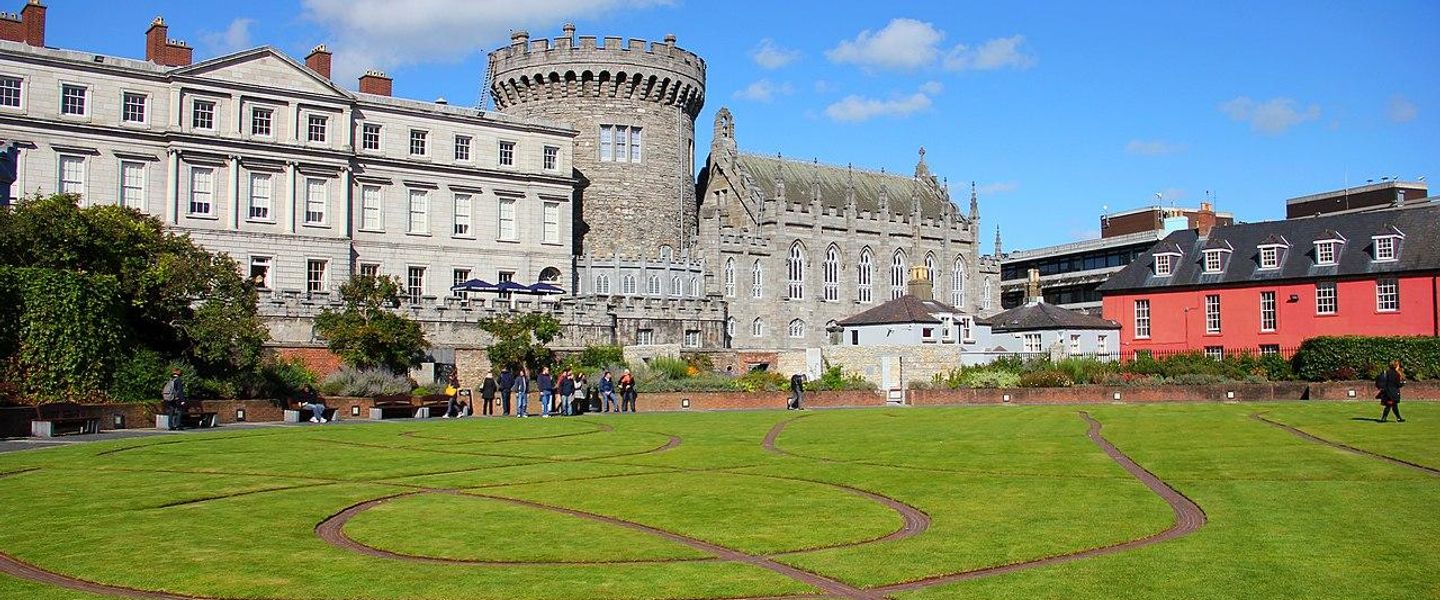


County Dublin combines Ireland’s capital with coastal villages, historic estates, cultural institutions and accessible walks around Dublin Bay.
Read more about County Dublin
When is the best time to visit County Dublin?
Best: June–August · 18–20°C| Month | High (°C) | Rainfall (mm) |
|---|---|---|
| January | 9 | 70 |
| February | 9 | 60 |
| March | 10 | 60 |
| April | 13 | 50 |
| May | 16 | 50 |
| June (best) | 18 | 60 |
| July (best) | 20 | 70 |
| August (best) | 19 | 70 |
| September | 17 | 60 |
| October | 14 | 80 |
| November | 11 | 70 |
| December | 8 | 80 |
Getting to and around County Dublin
How to get there
Transportation
Top city travel guides in County Dublin
The cities of County Dublin, and the easiest places to base yourself.
-

-

-


Swipe for more cities
Best attractions in County Dublin
County Dublin offers a broad mixture of urban culture, coastal scenery, historic houses and accessible countryside. In the city, Dublin Castle, the Chester Beatty, the National Museum of Ireland, the National Gallery and the Guinness Storehouse represent different aspects of political, artistic and industrial history. Kilmainham Gaol provides a powerful setting for understanding Ireland’s revolutionary era, while Trinity College and the Book of Kells are central to the city’s educational and literary identity. Phoenix Park, one of Europe’s largest enclosed urban parks, combines open grassland, tree-lined avenues and institutions including Dublin Zoo. Along the coast, Howth is suited to harbour walks and cliff scenery, while Dún Laoghaire, Sandymount and Dalkey offer promenades, bathing places and maritime character. Malahide Castle and Gardens, Ardgillan Castle and the north county’s beaches introduce a more spacious landscape. The Dublin Mountains provide upland walks and viewpoints south of the city, with routes ranging from accessible forest paths to more demanding open-ground hikes.
-
Park
Phoenix Park
Discover Dublin's vast green space: history, wildlife, gardens, and recreation in one of Europe's largest urban parks.
-
Irish pub
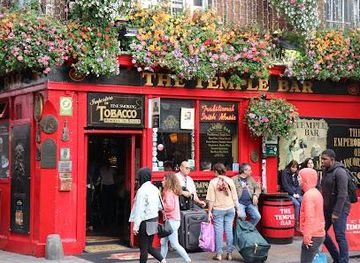
The Temple Bar Pub
Experience the heart of Dublin's vibrant pub culture at The Temple Bar Pub, a historic landmark offering traditional music, Irish hospitality, and a lively atmosphere.
-
Park
St Stephen's Green
Explore the serene beauty and historical charm of St Stephen's Green, Dublin's iconic park and perfect urban retreat.
-
Zoo
Dublin Zoo
Explore diverse animal habitats, conservation efforts, and family fun at Ireland's largest zoo, nestled in Dublin's Phoenix Park.


Best landmarks in County Dublin
Dublin Castle is one of County Dublin’s defining architectural and political landmarks, occupying the site of the medieval stronghold that became the centre of British administration in Ireland. Christ Church Cathedral and St Patrick’s Cathedral preserve the city’s major medieval ecclesiastical presence, while Trinity College represents centuries of educational history and is associated with the Book of Kells. The General Post Office on O’Connell Street is an enduring symbol of the 1916 Easter Rising, and Kilmainham Gaol carries the memory of imprisonment and political struggle. Along the coast, the East Pier at Dún Laoghaire, Howth Harbour and the Martello Tower at Sandycove express the county’s maritime and defensive history. Malahide Castle provides a prominent north-county estate landmark, while the Poolbeg chimneys form one of the most recognisable modern silhouettes on Dublin Bay. The Dublin Mountains, including the uplands around Ticknock and the Three Rock area, provide natural landmarks that contrast with the county’s densely built centre.
-
Castle
Dublin Castle
Discover the rich history and stunning architecture of Dublin Castle, a key landmark in the heart of Ireland's vibrant capital.
-
Sculpture
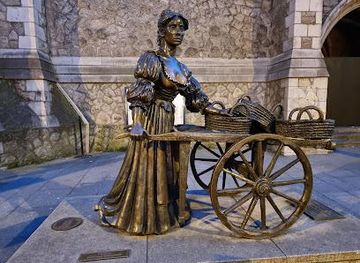
Molly Malone Statue
Discover the enchanting Molly Malone Statue in Dublin, a beloved symbol of the city and a must-visit for every traveler. Immerse yourself in local folklore and vibrant culture.
-
Garden
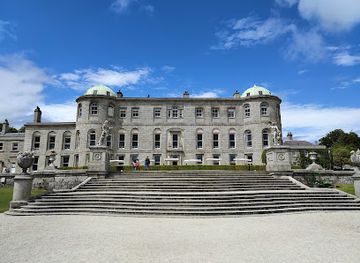
Powerscourt House & Gardens
Discover the beauty and history of Powerscourt House & Gardens, a world-renowned estate in the heart of County Wicklow, Ireland's garden.
-
Memorial park
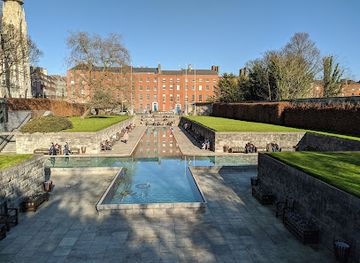
Garden of Remembrance
Discover the serene beauty and historical significance of the Garden of Remembrance in Dublin, a tranquil park dedicated to Ireland's heroes.

Explore County Dublin on the map
Plan your trip on one map. See where the top cities, national parks and sights are, and book hotels and experiences in a few clicks.
Best hotels in County Dublin
Best restaurants in County Dublin
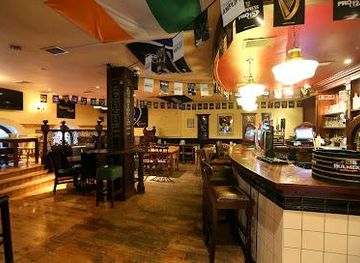
Dublin’s dining scene reflects both the capital’s international population and Ireland’s renewed interest in local produce. Traditional pubs and cafés remain useful places to encounter soda bread, seafood chowder, Irish stew and coddle, a Dublin dish associated with potatoes, sausages and bacon. Coastal areas such as Howth and Dún Laoghaire are particularly associated with fish and shellfish, although menus naturally vary by season and establishment. Across the city, contemporary Irish restaurants make use of beef, lamb, dairy produce, grains, apples and locally landed seafood without limiting themselves to historic recipes. Farmers’ markets and food halls provide opportunities to sample cheeses, breads, pastries and prepared foods, while village kitchens and suburban restaurants offer a broad range of international cuisines. Reservations are sensible for popular restaurants, especially at weekends; traditional pubs may offer food during set periods rather than throughout the evening.
-
Irish pub
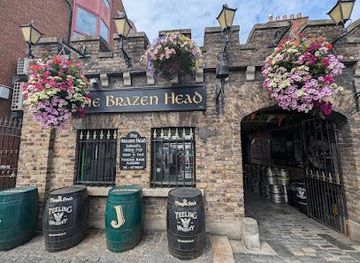
The Brazen Head
Ireland's oldest pub since 1198: Immerse in Dublin's living history with live trad music, hearty stews, perfect pints, and courtyard vibes near Christchurch Cathedral.
-
Irish pub
Slattery's
Dublin's authentic early house where tradition meets genuine local spirit, one perfect pint at a time.
-
Restaurant
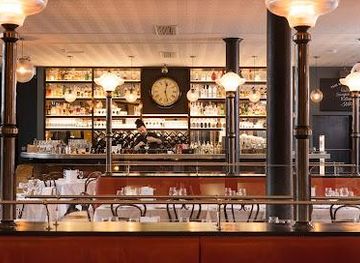
The Dining Room at Fallon & Byrne
Refined contemporary Irish dining in a historic Dublin landmark with seasonal menus and world-class wines.
-
Gastropub
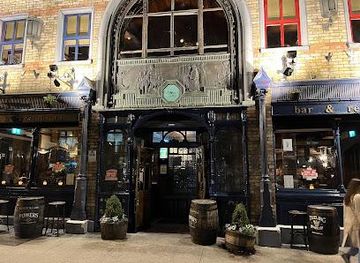
Nancy Hands Bar & Restaurant
Historic Dublin pub serving authentic Irish cuisine with live music and genuine warmth since 1876.
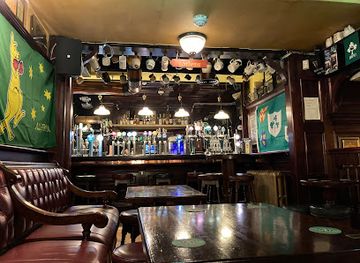
Best bars in County Dublin
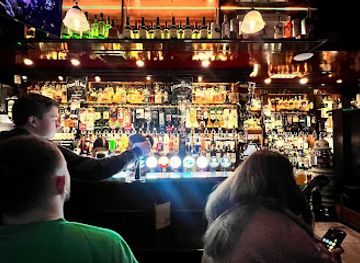
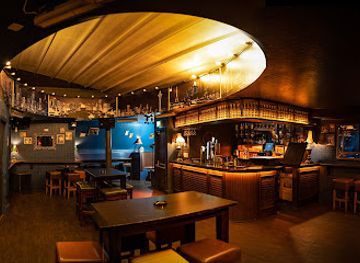
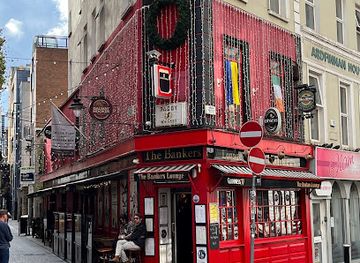
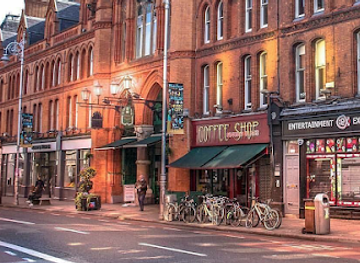
Evening life in County Dublin is centred on the capital’s traditional pubs, modern bars, theatres, music venues and restaurant districts rather than on one single nightlife quarter. Temple Bar is internationally recognised but is only one part of the city’s evening landscape; areas around Camden Street, South William Street, Capel Street and the Docklands offer different mixes of pubs, cocktail bars, live music and late venues. Traditional pubs remain important places for conversation and, in some establishments, Irish music, while breweries and contemporary bars reflect the city’s changing drinks culture. The coastal towns have a quieter evening character, with pubs, restaurants and harbour views rather than a large club scene. Nightlife can be busy at weekends, and opening arrangements vary by venue, so visitors should check current details and plan transport back to their accommodation.
-
Irish pub
The Temple Bar Pub
Experience the heart of Dublin at The Temple Bar Pub, a lively Irish pub known for its vibrant atmosphere, music, and rich cultural heritage.
-
Pub
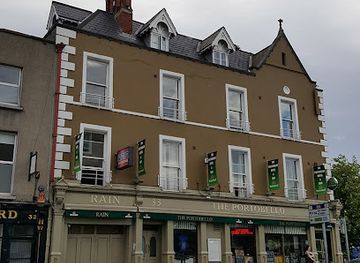
Porterhouse Temple Bar
Experience the best of Dublin at Porterhouse Temple Bar, where craft beer, delicious food, and live music create an unforgettable atmosphere.
-
Live music bar
Bad Bobs Temple Bar
Discover the electric atmosphere of Bad Bobs Temple Bar, a premier live music bar in Dublin's lively Temple Bar district, offering delicious food and drinks.
-
Irish pub
O'Neills Pub & Kitchen
Discover the heart of Dublin at O'Neills Pub & Kitchen - a vibrant Irish pub offering authentic cuisine, lively music, and a welcoming atmosphere.

Best nightclubs in County Dublin
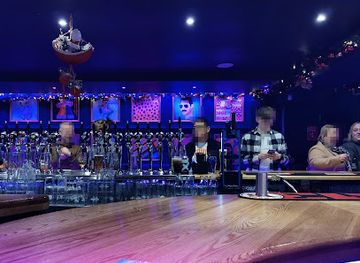
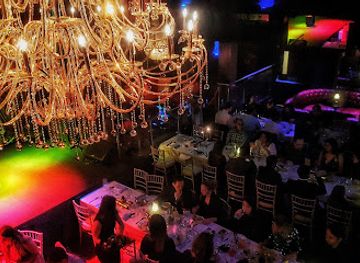
Evening life in County Dublin is centred on the capital’s traditional pubs, modern bars, theatres, music venues and restaurant districts rather than on one single nightlife quarter. Temple Bar is internationally recognised but is only one part of the city’s evening landscape; areas around Camden Street, South William Street, Capel Street and the Docklands offer different mixes of pubs, cocktail bars, live music and late venues. Traditional pubs remain important places for conversation and, in some establishments, Irish music, while breweries and contemporary bars reflect the city’s changing drinks culture. The coastal towns have a quieter evening character, with pubs, restaurants and harbour views rather than a large club scene. Nightlife can be busy at weekends, and opening arrangements vary by venue, so visitors should check current details and plan transport back to their accommodation.
-
Gay night club
The George
Experience the vibrant nightlife at The George, Dublin's premier gay nightclub, known for its lively atmosphere, drag shows, and inclusive community.
-
Night club
Twenty Two Night Club
Discover the vibrant nightlife at Twenty Two Night Club in Dublin, where electrifying music and a stylish atmosphere create unforgettable experiences.
-
Disco club
Rain Nightclub
Discover Dublin's nightlife at Rain Nightclub, where music meets energy in a pulsating disco atmosphere.
-
Night club
Club M
Dive into Dublin's nightlife at Club M, a vibrant night club in Temple Bar offering eclectic music and an unforgettable dance experience.
Best shops in County Dublin
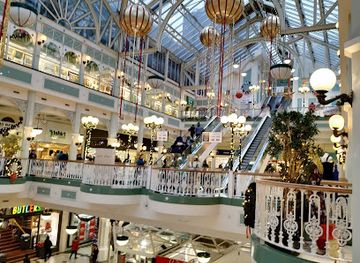
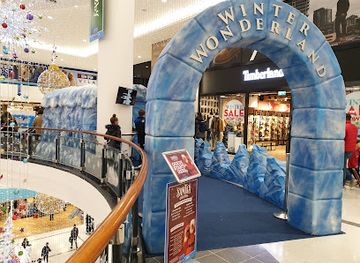
Shopping in County Dublin ranges from central department stores and international retailers to independent streets, design shops, bookshops and food markets. Dublin city centre is the county’s main retail concentration, with Grafton Street and the surrounding lanes offering mainstream shopping, while nearby areas such as South William Street and Drury Street are known for smaller fashion, design and lifestyle businesses. Henry Street and the surrounding north-side streets provide another major commercial area. Temple Bar and the creative quarters contain galleries, crafts and souvenirs, though visitors should compare quality and provenance before buying traditional-looking goods. Coastal towns such as Howth, Dalkey and Dún Laoghaire have independent shops, cafés, galleries and specialist food retailers, while Malahide combines village shopping with nearby heritage attractions. Farmers’ markets and food halls are useful for Irish cheeses, breads, preserves and confectionery, and Dublin-made design objects, books and contemporary crafts make more distinctive souvenirs than generic tourist merchandise.
-
Shopping mall
Stephen's Green Shopping Centre
Explore the unique shopping experience at Stephen's Green Shopping Centre, Dublin's premier destination for retail therapy and local culture.
-
Shopping mall
Jervis Shopping Centre
Explore Dublin's vibrant shopping scene at Jervis Shopping Centre, featuring top brands, diverse dining, and a lively atmosphere in the heart of the city.
-
Shopping mall
George's Street Arcade
Explore Dublin's historic George's Street Arcade, a vibrant hub of unique shops, delicious eateries, and cultural charm in the heart of the city.
-
Department store
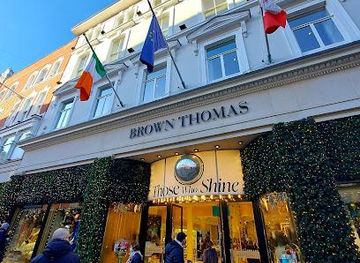
Brown Thomas Dublin
Experience luxury shopping at Brown Thomas Dublin, a premier department store on Grafton Street, showcasing renowned designer brands and exceptional service.
Get your free copy of our complete guide to County Dublin, delivered straight to you.
Everything on this page, from attractions and restaurants to essentials and local phrases, in one PDF you can read offline, print or share.
Already have an account? Sign in
Your County Dublin guide is ready.
We'll send it to · Not you? Sign out

Getting your guide ready…
We are putting together a fresh copy of the County Dublin guide. This can take up to a minute.
This can take a few moments. If your browser asks, choose Allow so the download can start. You'll find the guide in your Downloads folder.
Nothing happened? Download it again
Sorry, the guide is taking longer than usual. Please try again in a minute, or get it by email instead.
County Dublin essentials
Currency and Payment
Safety
Emergency Situations
Do's and Don'ts
Local Tips
From Eve
Local phrases worth knowing
You don't need to get them perfect. A few words go a long way, and locals appreciate the effort.
Basics
| English | Local | Say it |
|---|---|---|
| Hello | Howdy | [haʊdi] |
| Goodbye | See ya | [siː jə] |
| Yes | Yeah | [jɛə] |
| No | Nah | [nɑː] |
| Please/You're welcome | No bother | [noʊ ˈbɔːtər] |
| Thank you | Thanks a lot | [θæŋks ə lɒt] |
| Excuse me/Sorry | Sorry about that | [ˈsɔːri əˈbaʊt ðæt] |
| How are you? | How's it going? | [haʊz ɪt ˈɡoʊɪŋ] |
| Fine. And you? | Grand. And yourself? | [ɡrænd. ənd jərˈsɛlf] |
| Do you speak English? | Do ya talk English? | [duː jə tɔːk ˈɪŋɡlɪʃ] |
| I don't understand | I don't get it | [aɪ doʊnt ɡɛt ɪt] |
Eating & Drinking
| English | Local | Say it |
|---|---|---|
| I'd like to see the menu, please | Can I have a look at the menu? | [kæn aɪ hæv ə lʊk æt ðə ˈmɛnjuː] |
| I don't eat meat | I'm a veggie | [aɪm ə ˈvɛdʒi] |
| Cheers! | Cheers! | [tʃɪrz] |
| I would like to pay, please | Can I get the bill, please? | [kæn aɪ ɡɛt ðə bɪl, pliz] |
Emergencies
| English | Local | Say it |
|---|---|---|
| Help! | Help! | [hɛlp] |
| Go away! | Get lost! | [ɡɛt lɒst] |
| Call the Police! | Ring the cops! | [rɪŋ ðə kɒps] |
| Call a doctor! | Get a doctor! | [ɡɛt ə ˈdɒktər] |
| I'm lost | I'm all turned around | [aɪm ɔːl tɜrnd əˈraʊnd] |
| I'm ill | I'm feeling unwell | [aɪm ˈfiːlɪŋ ʌnˈwɛl] |
Shopping
| English | Local | Say it |
|---|---|---|
| I'd like to buy... | I'm looking to buy... | [aɪm ˈlʊkɪŋ tə baɪ] |
| I'm just looking | Just browsing | [dʒʌst ˈbraʊzɪŋ] |
| How much is it? | What's the price? | [wɒts ðə praɪs] |
| That's too expensive | That's a bit steep | [ðæts ə bɪt stiːp] |
| Can you lower the price? | Can you knock it down a bit? | [kæn jə nɒk ɪt daʊn ə bɪt] |
Time & Numbers
| English | Local | Say it |
|---|---|---|
| What time is it? | What time ya got? | [wɒt taɪm jə ɡɒt] |
| It's one o'clock | It's one o'clock | [ɪts wʌn əˈklɒk] |
| Half past (10) | Half ten | [hɑːf tɛn] |
| Morning | Morning | [ˈmɔrnɪŋ] |
| Afternoon | Afternoon | [ˌɑːftərˈnuːn] |
| Evening | Evening | [ˈiːvnɪŋ] |
| Yesterday | Yesterday | [ˈjɛstərdeɪ] |
| Today | Today | [təˈdeɪ] |
| Tomorrow | Tomorrow | [təˈmɔroʊ] |
| 1 | One | [wʌn] |
| 2 | Two | [tuː] |
| 3 | Three | [θriː] |
| 4 | Four | [fɔːr] |
| 5 | Five | [faɪv] |
| 6 | Six | [sɪks] |
| 7 | Seven | [ˈsɛvən] |
| 8 | Eight | [eɪt] |
| 9 | Nine | [naɪn] |
| 10 | Ten | [tɛn] |
Transport & Directions
| English | Local | Say it |
|---|---|---|
| Where's a/the...? | Where's the...? | [wɛrz ðə] |
| What's the address? | What's the address? | [wɒts ðə əˈdrɛs] |
| Can you show me (on the map)? | Can you point it out on the map? | [kæn jə pɔɪnt ɪt aʊt ɒn ðə mæp] |
| When's the next (bus)? | When's the next bus? | [wɛn's ðə nɛkst bʌs] |
| A ticket (to ....) | A ticket to... | [ə ˈtɪkɪt tə] |
History of County Dublin
Prehistoric settlement and coastal monuments
People have lived around Dublin Bay and the surrounding plain since prehistoric times, leaving traces of settlement, burial and farming. The portal tomb at Howth is among the county’s most visible prehistoric remains, while archaeological discoveries across the city and its suburbs reveal long-term occupation of the Liffey valley and coastal hinterland. These sites belong to a much wider Irish prehistoric tradition, but they demonstrate that County Dublin’s strategic coastal position mattered long before the foundation of the modern city.
Viking Dublin and the medieval city
Dublin developed as a significant Viking settlement beside the River Liffey from the ninth century, benefiting from maritime connections across the Irish Sea. The settlement’s trading and defensive role helped establish the city as a political and commercial centre. After the Anglo-Norman intervention in the late twelfth century, Dublin gained new fortifications, churches and administrative importance. Dublin Castle and the surviving cathedrals and street pattern of the historic centre reflect the city’s medieval development, even though later rebuilding has altered much of its appearance.
Dublin under English and British administration
For centuries Dublin was the principal seat of English and later British government in Ireland. The area around Dublin Castle housed administration, while institutions such as Trinity College, founded in 1592, became important centres of education. The city’s eighteenth-century prosperity produced Georgian squares, terraces and civic buildings, particularly around Merrion Square, Fitzwilliam Square and the former Parliament House. That prosperity was uneven, however, and the contrast between grand streets, crowded tenements and surrounding villages shaped the social history of the county.
Georgian expansion and the growth of the suburbs
Dublin expanded beyond its medieval core during the eighteenth and nineteenth centuries, with new residential districts, roads, parks and transport links reshaping the county. The construction of the Grand Canal and Royal Canal connected the capital to Ireland’s inland network, while the railway later encouraged growth along the coast and towards northern and western suburbs. Dún Laoghaire, originally known as Kingstown during the nineteenth century, developed as a major harbour and seaside settlement, linking Dublin more closely with Britain and the wider maritime world.
Revolution, 1916 and the foundation of the Irish state
County Dublin was the principal stage for the Easter Rising of 1916 and the political upheavals that followed. Buildings including the General Post Office, Boland’s Mill and Kilmainham Gaol are closely associated with the period, although the events affected the whole island. The rising, the War of Independence and the Civil War transformed Dublin’s political landscape and left a lasting memorial culture. The county’s streets, prisons, barracks and civic buildings remain important places for understanding Ireland’s transition from British rule to independence.
Port, industry and twentieth-century urban life
Dublin’s port, breweries, food processing, engineering and construction industries supported major employment and helped shape working-class neighbourhoods on both sides of the Liffey. The Guinness brewery at St James’s Gate became one of the city’s best-known industrial institutions, while docklands activity connected Dublin to international trade. During the twentieth century the county grew well beyond the historic centre through housing schemes, suburban development and new transport corridors, changing the relationship between the city and its surrounding villages.
Contemporary County Dublin
Since the late twentieth century, County Dublin has become Ireland’s principal centre for government, higher education, culture, technology and international business. Docklands redevelopment, new housing and expanding suburban districts have altered the urban landscape, while the county’s four local authorities continue to manage different areas: Dublin City, Fingal, Dún Laoghaire-Rathdown and South Dublin. At the same time, coastal villages, historic estates, parks and the Dublin Mountains preserve landscapes that predate the modern metropolitan area.
County Dublin in Photos
Browse through our photo collection highlighting the charm and character of the destination.
Neighbouring regions of County Dublin
The closest regions to County Dublin, if you have time for more than one.
-

-

-

-

-


Swipe for more regions
Explore more
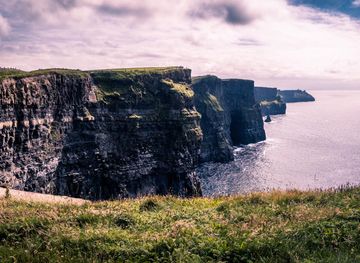
Explore more of Ireland
Discover Ireland: A land of enchanting landscapes, rich history, and vibrant culture, where every corner tells a story and every visit feels like coming home.
Explore Ireland