

Madonnella (Bari) Travel Guide - Free
Explore Madonnella in Bari with Evendo's free guide. Find the best shops, historic streets, restaurants, and gems on web or mobile.


Madonnella, Bari’s seafront neighbourhood, blends Adriatic promenades, historic churches, local dining, art at the Pinacoteca and relaxed city life.
Between the City and the Adriatic
\n\nMadonnella occupies Bari’s seafront edge immediately south-east of the old town, where broad avenues, apartment blocks and long views across the Adriatic create a distinctly open urban landscape. Its identity is tied to the waterfront rather than to a single monumental centre: the Lungomare Nazario Sauro, Piazza Armando Diaz and the smaller public spaces behind them are used by residents for walking, conversation, exercise and evening promenades. From here, the stone mass of Bari Vecchia appears across the water-facing road, while the Murat district begins nearby with its regular streets and commercial avenues.\n\nStreets, Churches and Public Rooms
\n\nThe neighbourhood developed largely during Bari’s modern expansion, and its architecture is predominantly late nineteenth- and twentieth-century rather than medieval. Residential façades, balconies, busy ground-floor businesses and quieter side streets surround churches including Santa Maria del Rosario, commonly known as the Madonnella, and San Giuseppe. The seafront gives the area its most recognisable civic spaces, while the Pinacoteca Metropolitana Corrado Giaquinto brings paintings and regional art into the Palazzo della Provincia on Lungomare Nazario Sauro.\n\nA Local Bari Experience
\n\nMadonnella is best understood through its daily rhythms: a coffee near the inland avenues, a stroll beneath the waterfront lamps, a visit to the art collection, and dinner in the streets linking the seafront with the commercial centre. Restaurants and bars are concentrated around roads such as Via Abbrescia and the adjoining streets, while shopping is more practical and local than destination retail. The atmosphere changes with the light, from working neighbourhood in the morning to sociable promenade after sunset, without losing its residential character.Best attractions in Madonnella
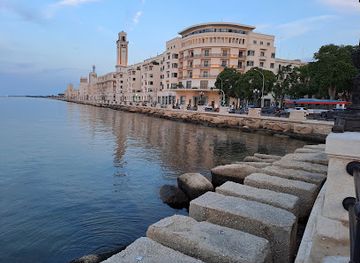
Madonnella’s principal attraction is its waterfront, where Lungomare Nazario Sauro offers a long promenade, open Adriatic views and changing perspectives towards Bari Vecchia. Piazza Armando Diaz provides another useful public space, with benches and broad views that make it a natural pause between the seafront and the inland streets. Art enthusiasts can visit the Pinacoteca Metropolitana Corrado Giaquinto inside the Palazzo della Provincia, whose collection introduces visitors to painting and visual culture from Puglia and southern Italy. The churches of Santa Maria del Rosario and San Giuseppe add a quieter architectural dimension, while the surrounding residential streets reveal the everyday character of modern Bari through balconies, local businesses and parish life. Madonnella is less about a concentration of ticketed monuments than about combining a civic waterfront, regional art and a walk through a lived-in urban quarter.
-
Tourist attraction
Direzione regionale Musei
Explore the treasures of Puglia at the Direzione Regionale Musei in Bari, a cultural hub celebrating the region's rich heritage and artistic splendor.
5 min drive · 1.7 km from neighbourhood centre
-
Tourist attraction
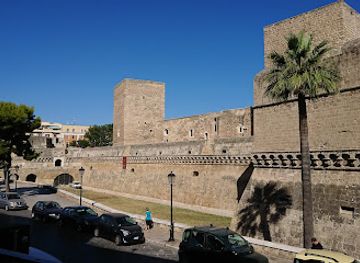
Castello Svevo di Bari
Discover the historic Castello Svevo di Bari, a majestic fortress and museum that unveils the rich heritage of Puglia through its stunning architecture and exhibits.
5 min drive · 1.6 km from neighbourhood centre
-
Tourist attraction
Pinacoteca metropolitana di Bari
Explore the rich artistic heritage at Pinacoteca Metropolitana di Bari, a must-visit art museum showcasing masterpieces from the Italian Renaissance to contemporary art.
2 min walk · 0.2 km from neighbourhood centre
-
Tourist attraction
Largo Albicocca - Piazza degli Innamorati
Experience the enchanting Largo Albicocca - Piazza degli Innamorati in Bari, where picturesque scenery meets vibrant local culture for an unforgettable visit.
18 min walk · 1.4 km from neighbourhood centre
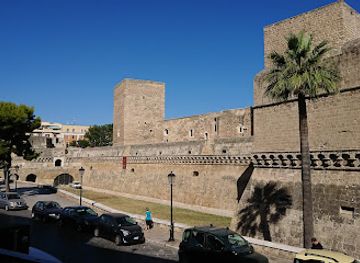
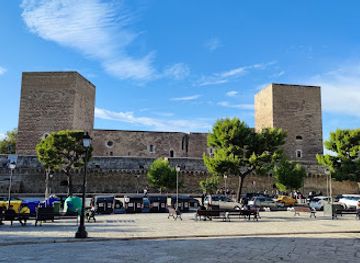
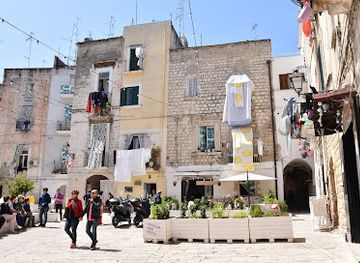
Best landmarks in Madonnella
The most defining physical landmark of Madonnella is Lungomare Nazario Sauro, whose stone parapets, lamps and broad seaward outlook express Bari’s relationship with the Adriatic. The Palazzo della Provincia gives the waterfront an institutional presence and houses the Pinacoteca Metropolitana Corrado Giaquinto, an important regional art collection. Within the neighbourhood, Santa Maria del Rosario is both a parish church and the source of the name by which Madonnella is commonly recognised, while San Giuseppe provides another religious reference point in the modern quarter. Piazza Armando Diaz functions as a civic terrace facing the sea, contrasting with the apartment-lined streets behind it. Together these places show how Madonnella was shaped not by medieval fortifications but by Bari’s modern expansion, public promenades, parish institutions and increasingly formalised coastal frontage.
-
Basilica
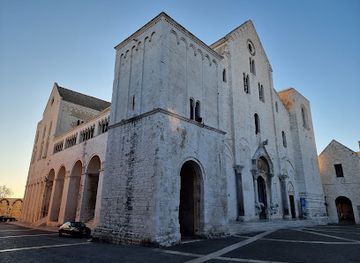
Basilica San Nicola
Discover the Basilica San Nicola, a stunning Romanesque church in Bari, Italy, rich in history and spirituality, dedicated to Saint Nicholas.
5 min drive · 1.5 km from neighbourhood centre
-
Opera house
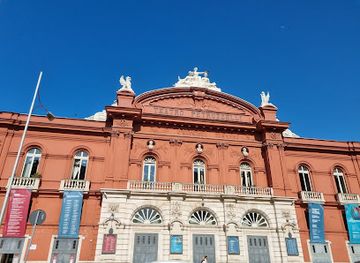
Teatro Petruzzelli
Discover the enchanting Teatro Petruzzelli in Bari, a historic opera house that offers a captivating blend of architecture, culture, and extraordinary performances.
11 min walk · 0.9 km from neighbourhood centre
-
Catholic cathedral
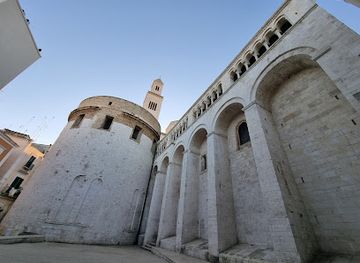
Basilica Cattedrale Metropolitana Primaziale San Sabino
Discover the historical and architectural marvel of the Basilica Cattedrale Metropolitana Primaziale San Sabino in Bari, a spiritual and cultural landmark.
18 min walk · 1.4 km from neighbourhood centre
-
County government office
Direzione regionale Musei
Explore the cultural treasures of Puglia at the Direzione Regionale Musei, a must-visit destination for art and history lovers in Bari.
5 min drive · 1.7 km from neighbourhood centre
Explore Madonnella on the map
A handpicked selection of must-see spots in Madonnella, mapped for you.
Best hotels in Madonnella
Best restaurants in Madonnella
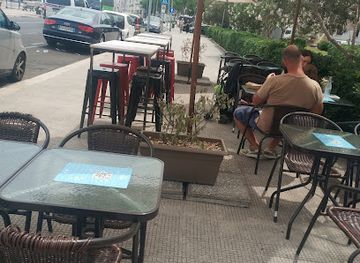
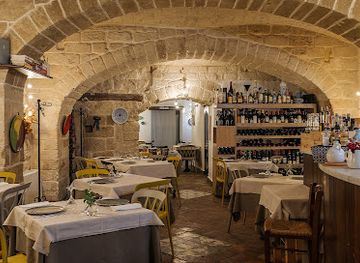
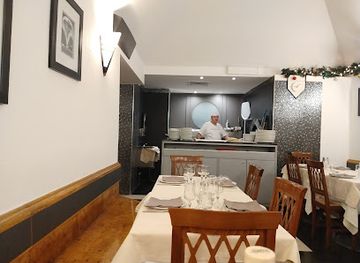
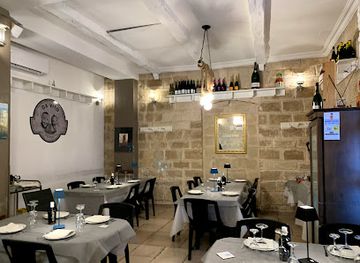
Madonnella’s food scene is shaped by its position between the waterfront, the central shopping streets and the residential lanes inland. Around Via Abbrescia, Via Imbriani and adjoining roads, visitors find the kind of everyday Bari dining that moves from morning coffee and pastries to pizzerias, seafood-focused restaurants, casual meals and aperitivo. Menus commonly draw on the wider cuisine of Bari and Puglia, including pasta with local vegetables, fresh fish, focaccia and simple dishes built around olive oil and seasonal produce, although individual menus vary. The seafront is useful for a drink or a meal with open views, while the inland streets tend to feel more connected to local evening routines. This is not primarily a market district, so the best way to understand Madonnella’s culinary character is to combine a waterfront promenade with a meal in its mixed residential-commercial streets.
-
Seafood
Pescobar
Savor fresh seafood at Pescobar in Bari - where flavor meets casual dining in a vibrant atmosphere.
7 min walk · 0.6 km from neighbourhood centre
-
Restaurant
La Cecchina - Ristorante di cucina italiana, gourmet, pugliese, miglior pesce e carne locale. Ristoranti a Bari Vecchia
Discover authentic Pugliese flavors at La Cecchina – Bari's premier destination for gourmet seafood and traditional Italian cuisine.
16 min walk · 1.3 km from neighbourhood centre
-
Restaurant
Taverna Verde
Experience authentic Italian cuisine at Taverna Verde, Bari's top spot for delicious pizzas and traditional dishes crafted with love.
8 min walk · 0.6 km from neighbourhood centre
-
Restaurant
Ristorante Tana Dei Lupi Da Vito Bari
Savor authentic Italian cuisine at Ristorante Tana Dei Lupi Da Vito in Bari – where every meal is a celebration of flavor.
7 min walk · 0.6 km from neighbourhood centre
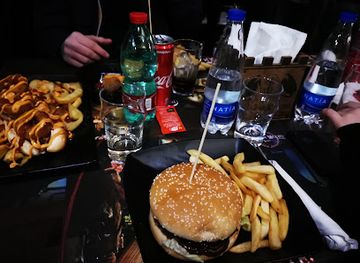
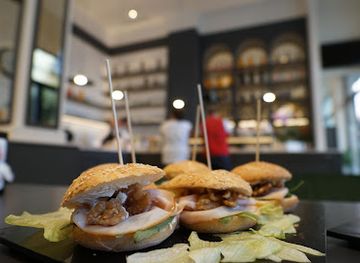
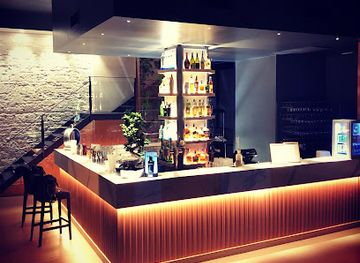
Best bars in Madonnella
Madonnella’s evenings are generally sociable rather than centred on large nightclubs. The Lungomare Nazario Sauro and Piazza Diaz fill with walkers after the heat of the day, while bars and small evening venues around Via Abbrescia, Via Imbriani and nearby streets provide places for aperitivo, conversation and late dinners. The atmosphere is strongest around the boundary with the Murat district, where the grid of central streets brings a wider choice of cafés and bars, but the neighbourhood itself retains a residential scale. Visitors should not expect a concentrated club strip; nightlife here is more closely tied to the traditional Italian passeggiata, waterfront views and relaxed gatherings. The nearby Teatro Petruzzelli lies in the Murat area rather than Madonnella, but its performances can form part of an evening itinerary when combined with a walk towards the seafront.
-
Pub
Terra di Mezzo | Beer Food & Fun
Discover the heart of Bari's nightlife at Terra di Mezzo, where craft beer meets delicious pizza in a vibrant pub setting.
8 min walk · 0.6 km from neighbourhood centre
-
Pub
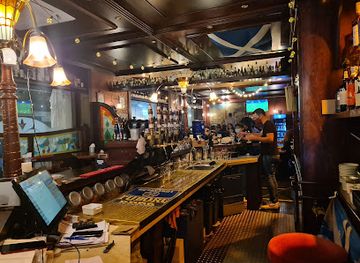
The Stuart, Scottish Pub
Experience the warmth of Scottish hospitality at The Stuart Pub in Bari, a perfect blend of cozy ambiance, craft beers, and hearty meals.
5 min walk · 0.4 km from neighbourhood centre
-
Bar
Viola
Discover the heart of Bari at Viola, your go-to bar and café for authentic Italian flavors in a warm, inviting atmosphere.
1 min walk · 0.1 km from neighbourhood centre
-
Cocktail bar
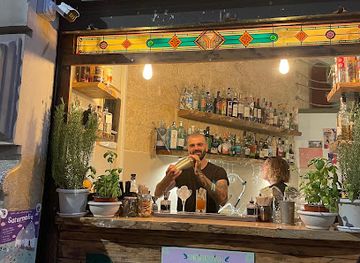
Arcimboldo spirits&fruit
Discover the vibrant nightlife of Bari at Arcimboldo Spirits & Fruit, where exquisite cocktails and a lively atmosphere come together for an unforgettable experience.
8 min walk · 0.6 km from neighbourhood centre
Best nightclubs in Madonnella
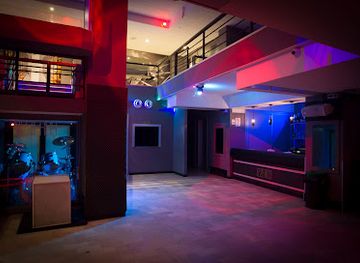
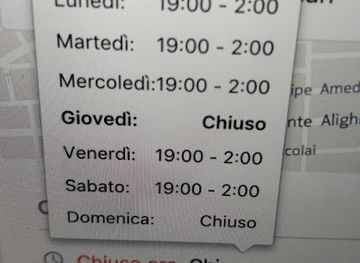
Madonnella’s evenings are generally sociable rather than centred on large nightclubs. The Lungomare Nazario Sauro and Piazza Diaz fill with walkers after the heat of the day, while bars and small evening venues around Via Abbrescia, Via Imbriani and nearby streets provide places for aperitivo, conversation and late dinners. The atmosphere is strongest around the boundary with the Murat district, where the grid of central streets brings a wider choice of cafés and bars, but the neighbourhood itself retains a residential scale. Visitors should not expect a concentrated club strip; nightlife here is more closely tied to the traditional Italian passeggiata, waterfront views and relaxed gatherings. The nearby Teatro Petruzzelli lies in the Murat area rather than Madonnella, but its performances can form part of an evening itinerary when combined with a walk towards the seafront.
-
Night club
12ZER03 | Discoclub
Discover the ultimate nightlife experience at 12ZER03 | Discoclub in Bari, where dining meets dancing in a captivating atmosphere.
6 min drive · 1.9 km from neighbourhood centre
-
Night club
Riva Club
Discover the vibrant nightlife at Riva Club in Bari, where electrifying music and an energetic atmosphere create unforgettable moments.
10 min walk · 0.8 km from neighbourhood centre
-
Night club
Checkpoint Charlie
Discover the heart of Bari's nightlife at Checkpoint Charlie, where music, dance, and vibrant energy collide in a memorable evening.
10 min walk · 0.8 km from neighbourhood centre
-
Night club
Al Chupito
Experience the vibrant nightlife of Bari at Al Chupito, a premier night club with exquisite cocktails and an electrifying atmosphere.
16 min walk · 1.3 km from neighbourhood centre

Best shops in Madonnella
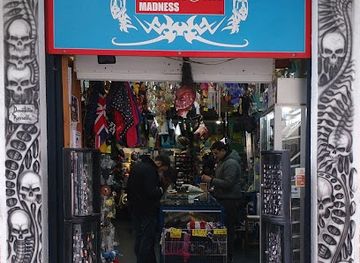
Shopping in Madonnella is mainly local and practical, with small food shops, cafés, everyday services and independent businesses distributed through the residential streets rather than concentrated in a major specialist market. Via Carulli, Via Imbriani and the roads towards Corso Cavour connect the neighbourhood with the broader commercial centre, where visitors find a denser selection of fashion, accessories and general retail; these streets also mark the gradual urban transition towards Murat. The waterfront is better suited to walking and people-watching than dedicated shopping, although its cafés and businesses make it useful for a pause between visits. Visitors interested in Puglian food products can look for regional specialities in local shops, while those seeking large-scale retail should continue towards the central shopping streets outside the neighbourhood. Madonnella’s commercial character is consequently understated, integrated into ordinary residential life rather than designed as a visitor shopping quarter.
-
Gift shop
Macedonia Bari (A)
Explore Macedonia Bari, a unique gift shop in Bari offering vintage clothing and local crafts that capture the spirit of Italy.
10 min walk · 0.8 km from neighbourhood centre
-
Vintage clothing store
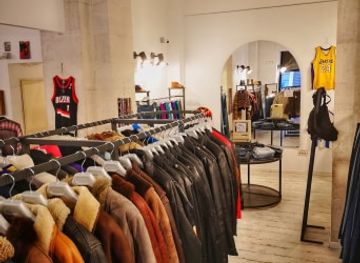
Scenario - Vintage Store Bari
Explore Scenario - Vintage Store in Bari for a unique vintage shopping experience filled with character and charm that tells a story.
9 min walk · 0.7 km from neighbourhood centre
-
Cannabis store
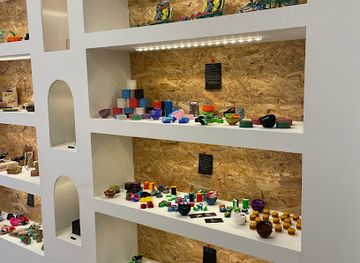
Sweedy Boutique - Cannabis Light Shop Delivery Dispensary Store Grow & Seed
Explore Sweedy Boutique in Bari, Italy, for an unforgettable cannabis shopping experience with collectibles, cosmetics, and local souvenirs.
3 min walk · 0.3 km from neighbourhood centre
-
Gift shop
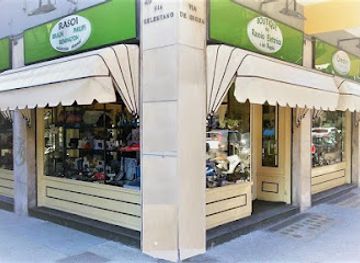
Boutique del Rasoio Bari
Explore Boutique del Rasoio in Bari, where exquisite gifts and luxury watches await, embodying the charm and elegance of Italy.
8 min walk · 0.7 km from neighbourhood centre
Madonnella essentials
Getting There
Getting Around
Safety
Emergency Situations
Do's and Don'ts
Local Tips

From Eve
Local phrases worth knowing
You don't need to get them perfect. A few words go a long way, and locals appreciate the effort.
Basics
| English | Local | Say it |
|---|---|---|
| Hello | Ciao | [chow] |
| Goodbye | Arrivederci | [ah-ree-veh-DEHR-chee] |
| Yes | Sì | [see] |
| No | No | [noh] |
| Please/You're welcome | Per favore/Prego | [pehr fah-VOH-reh/PRAY-goh] |
| Thank you | Grazie | [GRAH-tsyeh] |
| Excuse me/Sorry | Scusi/Mi dispiace | [SKOO-zee/MEE dees-PYAH-cheh] |
| How are you? | Come stai? | [KOH-meh stah-ee] |
| Fine. And you? | Bene. E tu? | [BEH-neh. Eh too] |
| Do you speak English? | Parli inglese? | [PAHR-lee een-GLEH-zeh] |
| I don't understand | Non capisco | [nohn kah-PEES-koh] |
Eating & Drinking
| English | Local | Say it |
|---|---|---|
| I'd like to see the menu, please | Vorrei vedere il menu, per favore | [vohr-RAY veh-DEH-reh eel MEH-noo, pehr fah-VOH-reh] |
| I don't eat meat | Non mangio carne | [nohn MAHN-joh KAR-neh] |
| Cheers! | Salute! | [sah-LOO-teh] |
| I would like to pay, please | Vorrei pagare, per favore | [vohr-RAY pah-GAH-reh, pehr fah-VOH-reh] |
Emergencies
| English | Local | Say it |
|---|---|---|
| Help! | Aiuto! | [ah-YOO-toh] |
| Go away! | Vai via! | [vy VEE-ah] |
| Call the Police! | Chiama la polizia! | [KYAH-mah lah poh-LEE-tsya] |
| Call a doctor! | Chiama un medico! | [KYAH-mah oon MEH-dee-koh] |
| I'm lost | Mi sono perso | [mee SOH-no PEHR-soh] |
| I'm ill | Mi sento male | [mee SEHN-toh MAH-leh] |
Shopping
| English | Local | Say it |
|---|---|---|
| I'd like to buy... | Vorrei comprare... | [vohr-RAY kohm-PRah-reh] |
| I'm just looking | Sto solo guardando | [stoh SOH-loh gwahr-DAHN-doh] |
| How much is it? | Quanto costa? | [KWAHN-toh KOH-stah] |
| That's too expensive | È troppo caro | [eh TROH-poh KAH-roh] |
| Can you lower the price? | Puoi abbassare il prezzo? | [PWOH-ee ahb-bah-SAH-reh eel PREH-tsoh] |
Time & Numbers
| English | Local | Say it |
|---|---|---|
| What time is it? | Che ora è? | [keh OH-rah eh] |
| It's one o'clock | È l'una | [eh LOO-nah] |
| Half past (10) | Sono le dieci e mezza | [SOH-no leh dee-EH-chee eh MEHT-sah] |
| Morning | Mattina | [mah-TEE-nah] |
| Afternoon | Pomeriggio | [poh-meh-REE-joh] |
| Evening | Sera | [SEH-rah] |
| Yesterday | Ieri | [YEH-ree] |
| Today | Oggi | [OH-jee] |
| Tomorrow | Domani | [doh-MAH-nee] |
| 1 | Uno | [OO-no] |
| 2 | Due | [DOO-eh] |
| 3 | Tre | [TREH] |
| 4 | Quattro | [KWAT-troh] |
| 5 | Cinque | [CHEEN-kweh] |
| 6 | Sei | [SEH-ee] |
| 7 | Sette | [SEHT-teh] |
| 8 | Otto | [OH-toh] |
| 9 | Nove | [NOH-veh] |
| 10 | Dieci | [dee-EH-chee] |
Transport & Directions
| English | Local | Say it |
|---|---|---|
| Where's a/the...? | Dov'è...? | [doh-VEH] |
| What's the address? | Qual è l'indirizzo? | [kwahl eh leen-DEER-eet-zoh] |
| Can you show me (on the map)? | Puoi mostrarmi (sulla mappa)? | [PWOI mohs-TRAHR-mee (SOOL-lah MAHP-pah)] |
| When's the next (bus)? | Quando è il prossimo (autobus)? | [KWAHN-doh eh eel PROSS-ee-moh (ow-toh-BOOS)] |
| A ticket (to ....) | Un biglietto (per ....) | [oon bee-LYET-toh (pehr)] |
History of Madonnella
From Coastal Edge to Urban Quarter
Madonnella was historically part of the area outside Bari’s medieval walls, on land used for cultivation and scattered settlement rather than dense urban life. Its name is generally associated with a devotional image or small shrine dedicated to the Madonna, a familiar form of roadside religious marker in southern Italy. As Bari expanded beyond the old city during the nineteenth century, the coastal zone became increasingly connected to the growing modern city, and the area began to acquire the streets, homes and institutions that would define its later identity.
Bari’s Nineteenth-Century Expansion
The formation of the Murat district and the extension of Bari’s built-up area changed Madonnella’s position from peripheral shore to urban neighbourhood. Regular roads and larger residential buildings spread towards the sea, while new civic and commercial connections linked the district with the railway station, the old town and the expanding centre. The architecture that visitors see today largely reflects this period of modernisation and the subsequent rebuilding of the early twentieth century, when Bari was becoming an important Adriatic port and regional capital.
Churches and Neighbourhood Institutions
As population and housing expanded, Madonnella developed the religious and civic institutions expected of a settled urban quarter. Churches such as Santa Maria del Rosario, which gave the district its familiar local name, and San Giuseppe became points of reference for worship and community life. Their presence reflects the way new Bari was organised around parish churches, schools, shops and public streets rather than the defensive structures that shaped Bari Vecchia. The neighbourhood’s identity consequently remained both coastal and residential.
The Seafront as Public Space
The creation and consolidation of Bari’s monumental waterfront gave Madonnella a powerful civic frontage. Lungomare Nazario Sauro brought broad promenades, stone balustrades and formal views of the Adriatic to the district, turning the shore into a place for public strolling rather than a purely working edge. The Palazzo della Provincia and its art collection strengthened this institutional character, while Piazza Diaz and adjoining open spaces provided settings for everyday recreation. Today, the waterfront continues to connect local routines with Bari’s wider image as an Adriatic city.
A Residential Quarter with a Cultural Shoreline
In the contemporary city, Madonnella sits between the historic centre, the commercial streets of Murat and the southern waterfront. Its housing remains an important part of its character, even as cafés, restaurants and evening venues have appeared along streets near the seafront. The district has not become a self-contained museum quarter: its churches, apartment buildings, public promenades and art institution continue to function within ordinary city life. This mixture of resident-focused streets and accessible cultural spaces is central to Madonnella’s present identity.
Madonnella in Photos
Browse through our photo collection highlighting the charm and character of the destination.
Neighbourhoods near Madonnella
The closest neighbourhoods to Madonnella, if you have time for more than one stop.
-

-

-


Swipe for more neighbourhoods
Explore more
Explore more of Bari
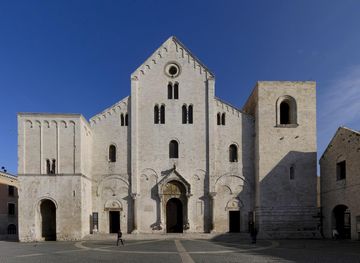
Bari blends a sea-facing old town, Romanesque churches, Puglian cuisine and lively streets, offering historic sights, Adriatic views and local culture.
Explore Bari