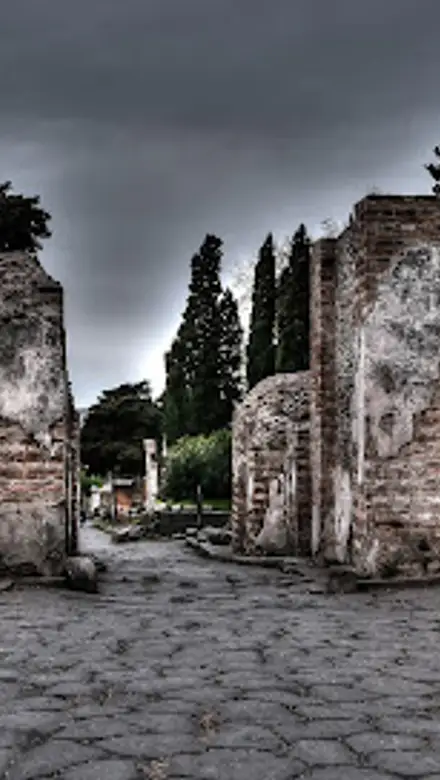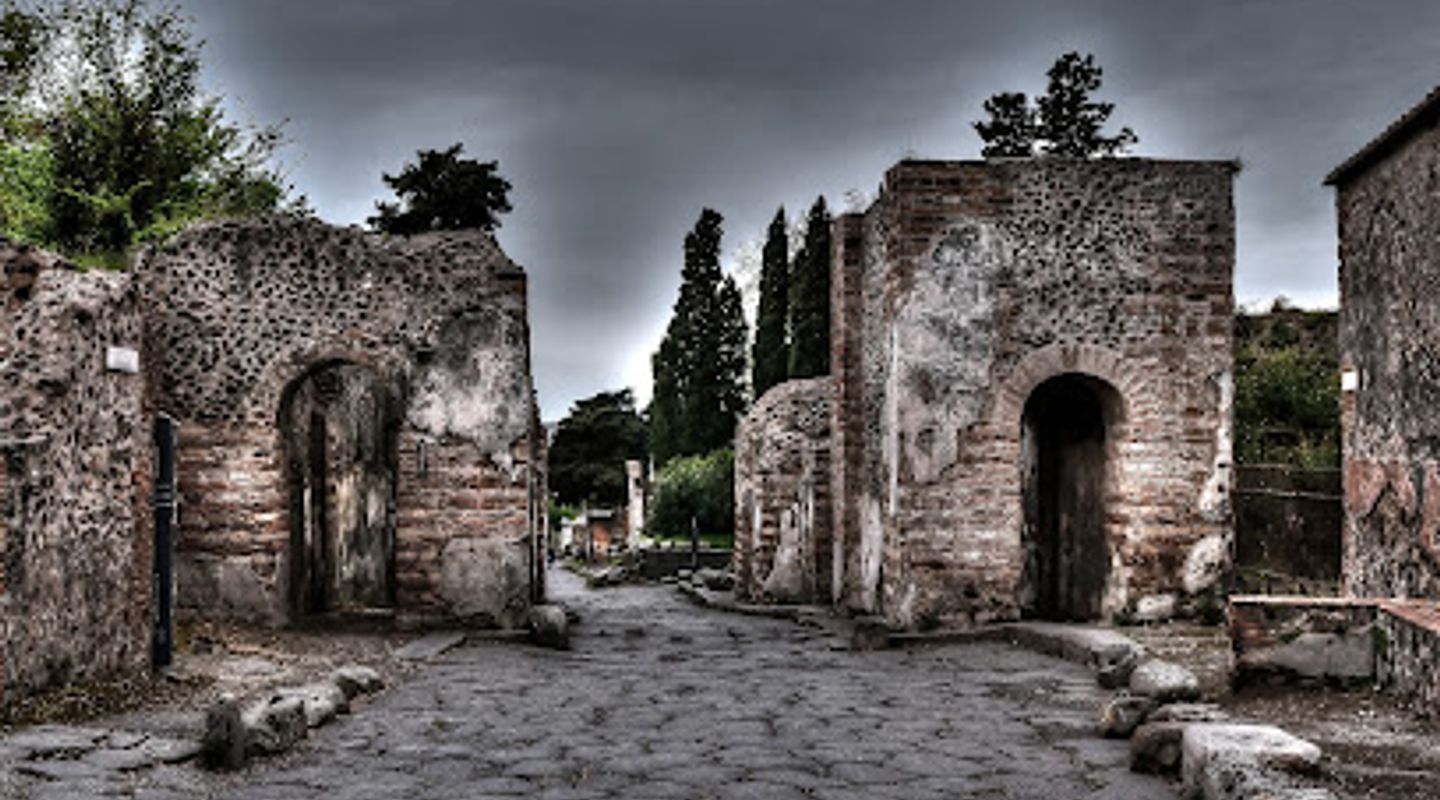
Porta Ercolano, Campania Travel Guide
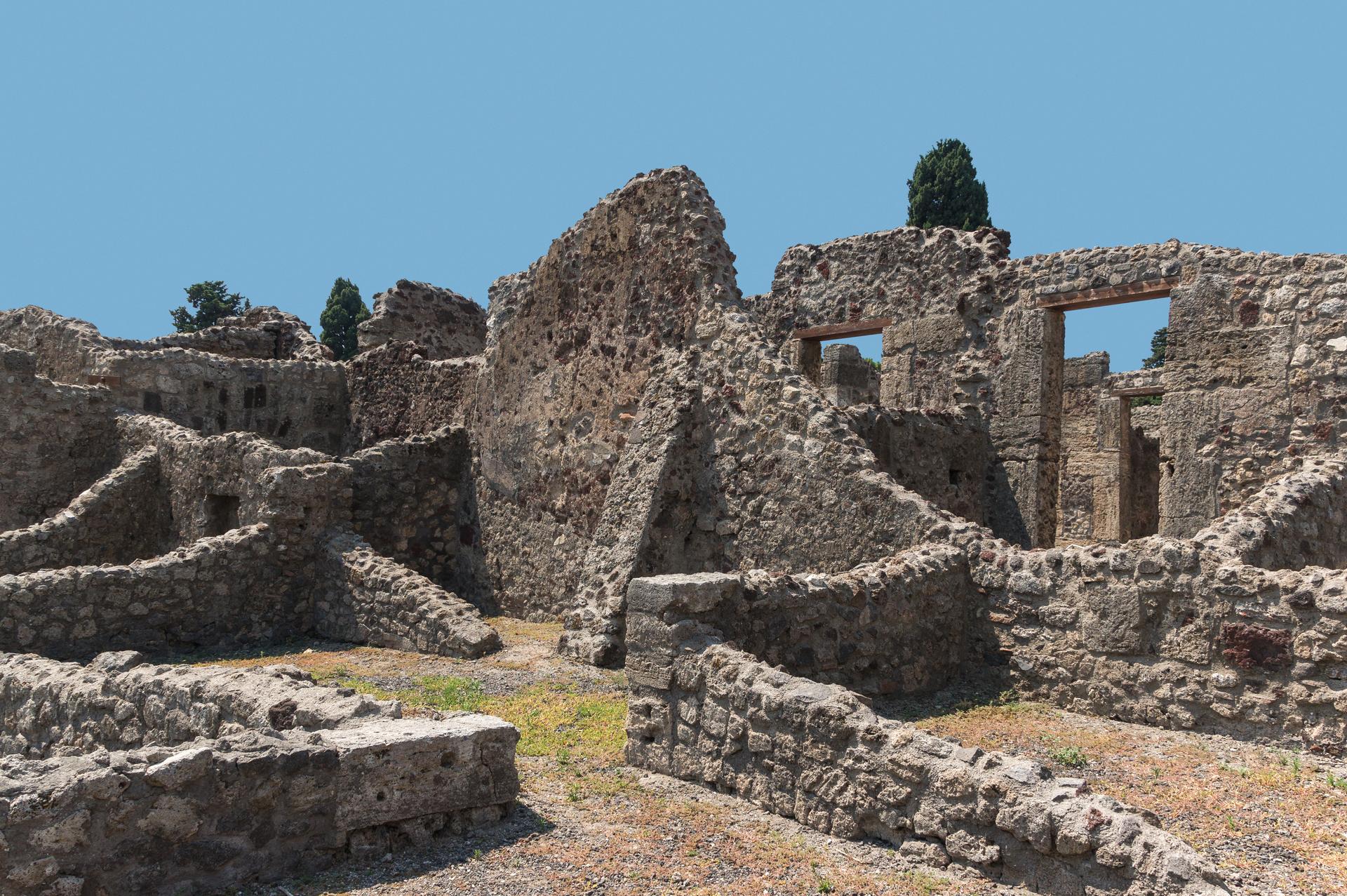
Explore Porta Ercolano, the iconic gateway to Pompeii, and immerse yourself in the rich history of ancient Rome amidst spectacular ruins.
Porta Ercolano is an iconic monument and one of the main entrances to the archaeological site of Pompeii, offering visitors a glimpse into the grandeur of ancient Roman architecture and the vibrant life that once flourished here. This monumental gateway not only serves as a historical landmark but also provides access to the fascinating ruins of Pompeii, where stories of the past come alive amid the remnants of a once-thriving city.
A brief summary to Porta Ercolano
- Pompeii Scavi, Pompei, Metropolitan City of Naples, IT
- Click to display
- Click to display
- Monday 8:30 am-7 pm
- Tuesday 8:30 am-7 pm
- Wednesday 8:30 am-7 pm
- Thursday 8:30 am-7 pm
- Friday 8:30 am-7 pm
- Saturday 8:30 am-7 pm
- Sunday 8:30 am-7 pm

Know before you go
Hi, I'm Eve. Here are a few practical things to know before exploring Porta Ercolano.
- Visit early in the morning to avoid crowds and enjoy a more tranquil experience.
- Wear comfortable shoes as you will be walking on uneven cobblestones throughout the archaeological site.
- Consider hiring a local guide to gain deeper insights into the history and significance of the ruins.
- Bring water and sun protection, as the area can get hot, especially during summer months.
- Check the opening hours before your visit, as they may vary seasonally.
Do you manage this location?
Take control to get all the benefits, like improved information, better appearance, and stronger visibility across AI-powered discovery. Learn more about listing your business on Evendo
Activate your presenceOther nearby places you may find interesting
The closest places of the same kind, if this one is not quite what you had in mind.



Explore Porta Ercolano on the Map
A handpicked selection of must-see spots near Porta Ercolano, mapped for you.
Getting There
-
Walking
From the center of Herculaneum, head towards the main road, Corso Resina. Walk along Corso Resina heading north for about 500 meters until you reach the intersection with Via Roma. Turn left onto Via Roma and continue walking for another 300 meters until you reach the entrance of the archaeological site of Herculaneum. Once there, you can explore the ruins, and to reach Porta Ercolano, exit the archaeological site and turn right. Continue walking for about 100 meters and you will see Porta Ercolano on your left.
-
Public Transport
If you are near the Herculaneum train station (Stazione di Ercolano), you can take a local bus or walk. If choosing to walk, exit the station and head north on Via Marconi, which becomes Corso Resina. Walk about 800 meters until you reach the archaeological site entrance. After visiting, exit and turn right to find Porta Ercolano about 100 meters down the road.
Discover more about Porta Ercolano













Your all‑in‑one travel companion app
Explore expert travel guides, compare and book tours, experiences, hotels, and more—all from the palm of your hand. Download now for seamless trip planning wherever your wanderlust takes you.


Explore More of Campania
Looking beyond Porta Ercolano? Discover Campania for broader travel guides, local hot-spots, and regional highlights.
Explore Campania
Explore Porta Vesuvio, the iconic gateway to Pompei, where history and ancient ruins come alive in a breathtaking archaeological adventure.
Discover the House of Sallust in Pompeii, where ancient history and remarkable Roman architecture come together in a fascinating archaeological experience.