Capo di Bove, Lazio Travel Guide
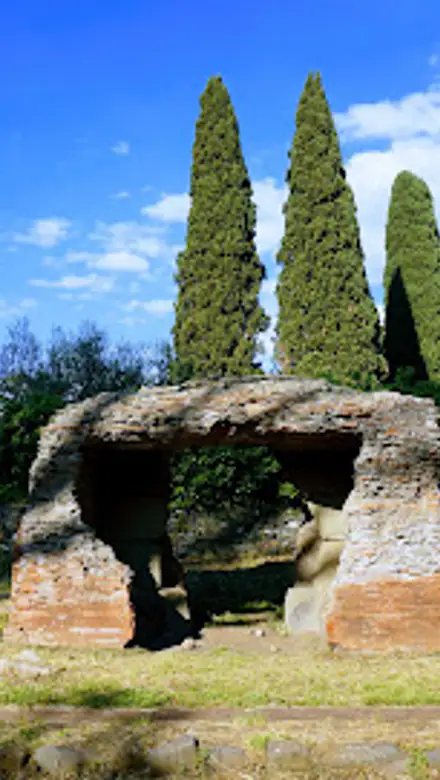
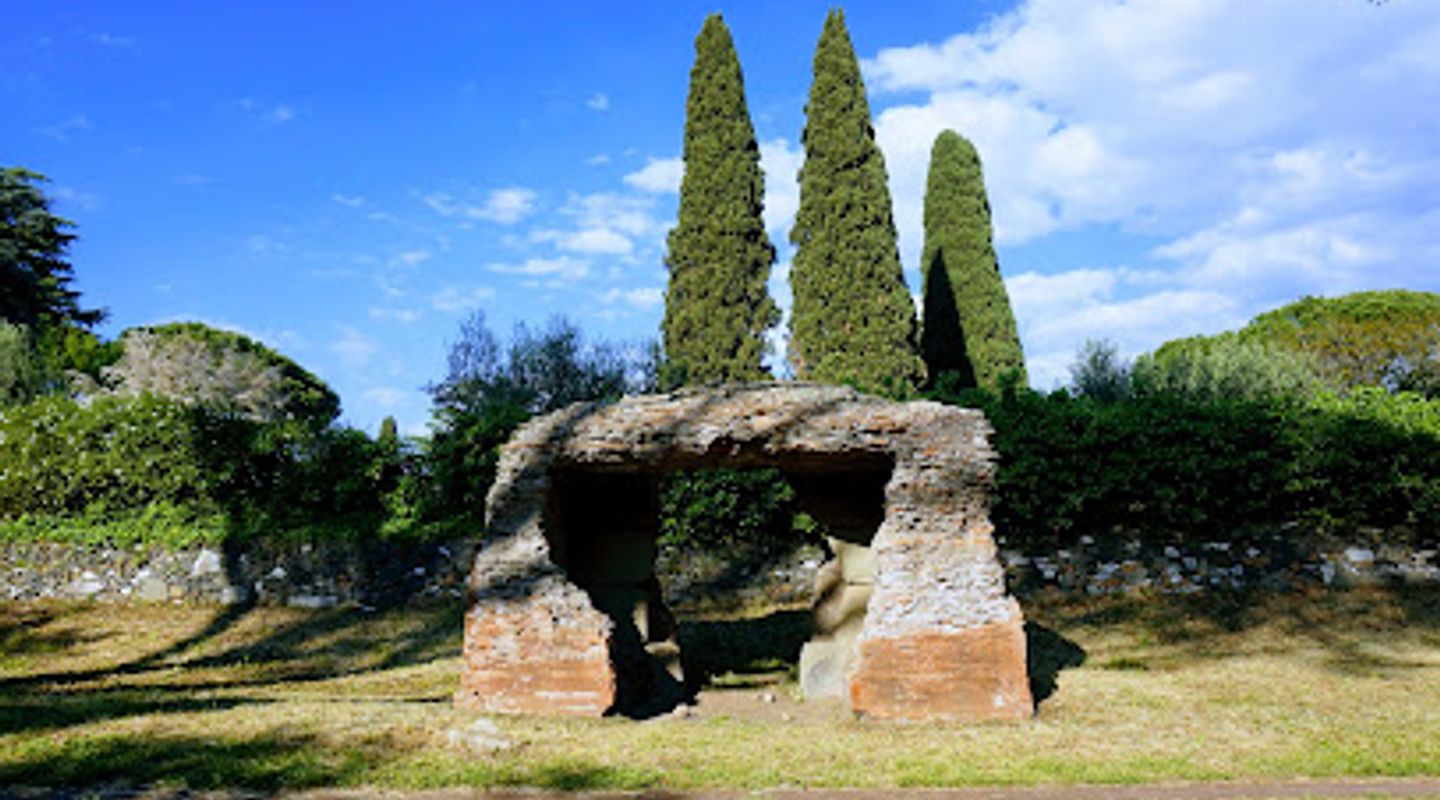
Explore the remarkably well-preserved ruins of a 2nd-century Roman bath complex along the ancient Appian Way in Rome.
Explore the ruins of a 2nd-century Roman bath complex, once part of a vast estate owned by Herodes Atticus and his wife, Annia Regilla, along the historic Appian Way. Discover well-preserved mosaics and the layout of these private thermal baths.
A brief summary to Capo di Bove
- Via Appia Antica, 222, Rome, Metropolitan City of Rome Capital, 00178, IT
- Click to display
- Click to display
- Tuesday 9 am-7:15 pm
- Wednesday 9 am-7:15 pm
- Thursday 9 am-7:15 pm
- Friday 9 am-7:15 pm
- Saturday 9 am-7:15 pm
- Sunday 9 am-7:15 pm

Know before you go
Hi, I'm Eve. Here are a few practical things to know before exploring Capo di Bove.
- Capo di Bove is open on Tuesdays, Thursdays, and Sundays. Check the official website for the most up-to-date opening hours.
- Combine your visit with other attractions along the Appian Way, such as the Mausoleum of Cecilia Metella and the Catacombs.
- Wear comfortable shoes as the Appian Way is an ancient road with uneven surfaces.
Do you manage this location?
Take control to get all the benefits, like improved information, better appearance, and stronger visibility across AI-powered discovery. Learn more about listing your business on Evendo
Activate your presenceOther nearby places you may find interesting
The closest places of the same kind, if this one is not quite what you had in mind.
Explore Capo di Bove on the Map
A handpicked selection of must-see spots near Capo di Bove, mapped for you.
Getting There
-
Public Transport
To reach Capo di Bove via public transport, take Metro Line A to Arco di Travertino or Colli Albani. From Arco di Travertino, take bus line 660. From Colli Albani, take bus line 663. Alternatively, from the city center, take bus 118 and get off at the S. Gregorio stop. A single ticket costs €1.50 and is valid for 100 minutes. A 24-hour ticket costs €7.00.
-
Walking
Capo di Bove is located on Via Appia Antica, approximately 4 miles from the city center. From the Catacombs of Callisto, continue along the Via Appia Antica for about 15 minutes to reach Capo di Bove. Note that the road can be uneven, so wear comfortable shoes.
-
Parking
Limited free parking is available on weekdays (Monday to Saturday until 6 PM) at Via Appia Antica 50. On Sundays and holidays, parking is available at Largo Galvaligi (intersection of Via Tito Omboni). Several parking garages are located near the Appian Way, though they may require taking public transport for the final leg of the journey. Examples include Appio Parking (Via Faleria 24) and Appia Car Service (Via Marino Laziale, 21). Daily parking rates range from €13-€20.
Discover more about Capo di Bove













Your all‑in‑one travel companion app
Explore expert travel guides, compare and book tours, experiences, hotels, and more—all from the palm of your hand. Download now for seamless trip planning wherever your wanderlust takes you.


Explore More of Lazio
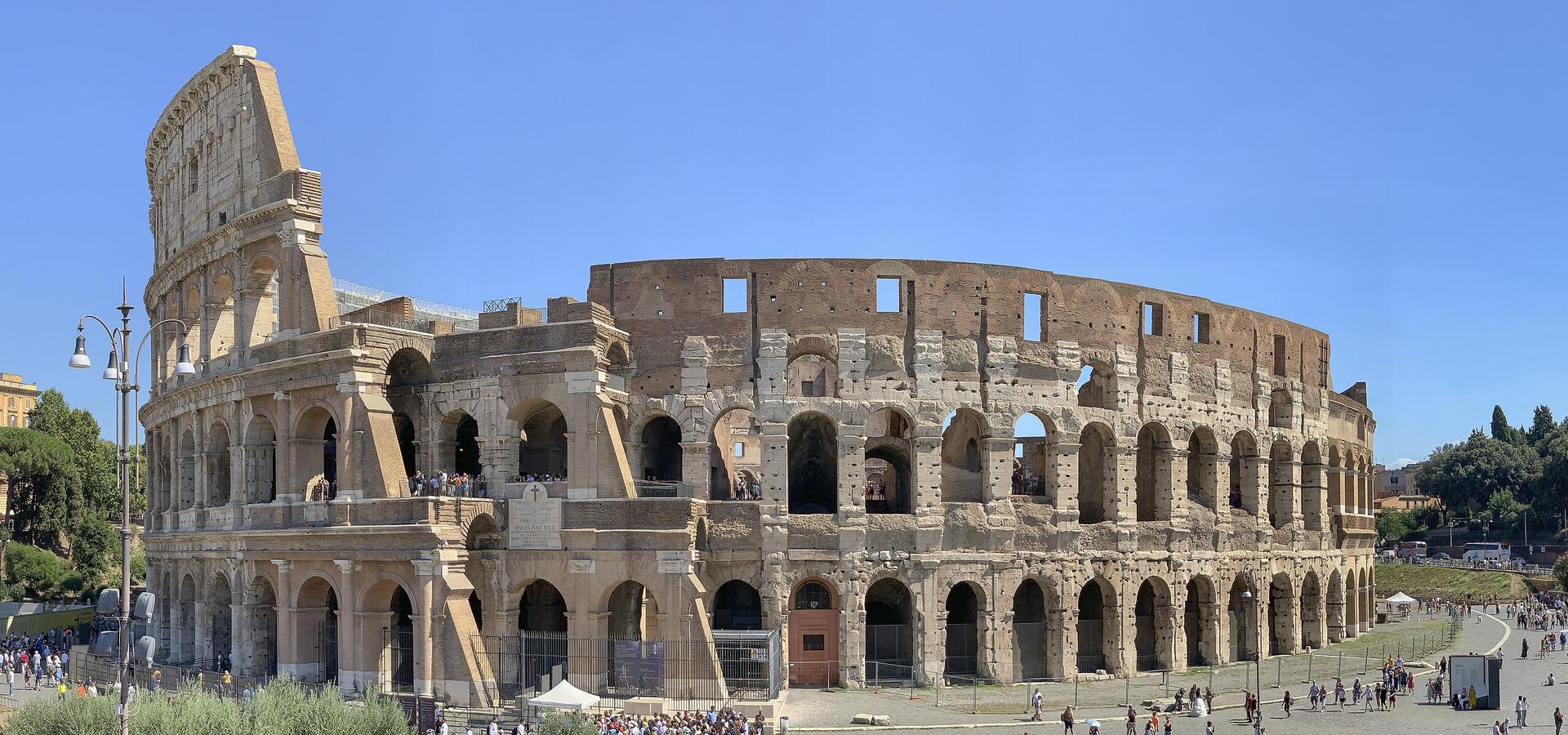
Looking beyond Capo di Bove? Discover Lazio for broader travel guides, local hot-spots, and regional highlights.
Explore Lazio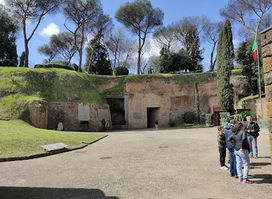
Explore the Mausoleo Delle Fosse Ardeatine in Rome, a touching memorial commemorating victims of World War II, where history and reflection meet.
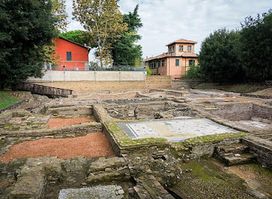
Explore Capo di Bove: An archaeological haven along the Appian Way, revealing the grandeur of ancient Rome's heritage and architecture.