

Free Lazio Travel Guide & Mobile App
Explore Lazio with free travel guides. Discover regional history, expert tips, proposed trips, and audio guides on web or mobile app.


Explore Lazio beyond Rome through ancient ruins, Etruscan towns, volcanic lakes, coastal landscapes, mountain villages and distinctive regional cuisine.
Read more about Lazio
When is the best time to visit Lazio?
Best: May–June, September · 23–27°C| Month | High (°C) | Rainfall (mm) |
|---|---|---|
| January | 11 | 60 |
| February | 13 | 55 |
| March | 16 | 65 |
| April | 18 | 60 |
| May (best) | 23 | 55 |
| June (best) | 27 | 50 |
| July | 31 | 35 |
| August | 30 | 40 |
| September (best) | 26 | 55 |
| October | 21 | 70 |
| November | 16 | 80 |
| December | 12 | 70 |
Getting to and around Lazio
How to get there
Transportation
Top city travel guides in Lazio
The cities of Lazio, and the easiest places to base yourself.
-

-

-
-

-


Swipe for more cities
Destinations in Lazio
Resorts, valleys and scenic spots worth a trip of their own.
-

-


Swipe for more destinations
Best attractions in Lazio
Lazio's attractions range from the archaeological fabric of Rome to quiet landscapes that require a separate itinerary. The capital contains the Colosseum, Roman Forum, Pantheon, Vatican Museums and countless churches, galleries and neighbourhood markets, while the archaeological park of Ostia Antica reveals the warehouses, baths and apartment blocks of Rome's ancient port. Around Tivoli, Hadrian's Villa and Villa d'Este demonstrate two very different forms of monumental design, one imperial and one Renaissance. Northern Lazio is particularly rewarding for Etruscan heritage at Cerveteri and Tarquinia, medieval streets in Viterbo and lakeside towns around Bolsena and Bracciano. South-east of Rome, the Castelli Romani combine volcanic scenery, gardens, food traditions and hill towns. The coast offers beaches, dunes, wetlands and the archaeological remains of ancient settlements, while the Circeo area supports walking and wildlife observation. Inland parks in the Monti Simbruini and Monti Lucretili, together with the higher Apennine country around Rieti and Frosinone, provide hiking and winter activities. The Pontine Islands add boat trips, swimming coves and maritime history, subject to seasonal transport and weather conditions.
-
Tourist attraction
Colosseum
Explore the Colosseum: Step back in time and witness the grandeur of ancient Rome's most iconic amphitheater. A must-see historical landmark.
-
Piazza Navona
Experience the grandeur of Baroque Rome in Piazza Navona, a vibrant square with stunning fountains and a rich history.
-
Park
Villa Borghese
Discover Rome's enchanting Villa Borghese: a harmonious blend of art, nature, and history in a sprawling green oasis.
-
Tourist attraction
Circus Maximus
Explore the grounds of Rome's largest ancient stadium, where chariot races and public games thrilled vast crowds for centuries.


Best landmarks in Lazio
Lazio's most recognisable landmark is Rome's Colosseum, whose massive amphitheatre remains a symbol of Roman imperial power and the city's archaeological identity. The Pantheon, with its ancient concrete dome and later Christian use, illustrates the continuity of Rome's built history, while St Peter's Basilica and the Vatican complex represent the capital's enduring religious and artistic importance within the separate city-state of Vatican City. Beyond Rome, the ruined harbour buildings of Ostia Antica provide a rare urban landscape of ancient warehouses, baths and streets. Tivoli's Villa Adriana is a vast imperial complex, whereas Villa d'Este is distinguished by its Renaissance terraces and fountains. In northern Lazio, the medieval Papal Palace at Viterbo and the volcanic basin of Lake Bolsena are powerful architectural and geographical markers. The Etruscan necropolises at Cerveteri and Tarquinia are especially important for their monumental tombs and painted chambers. Further south, the promontory and coastal landscapes of the Circeo area and the volcanic lakes of the Castelli Romani show how geology has shaped both settlement and regional identity.
-
Fountain
Trevi Fountain
Experience the enchanting beauty of the Trevi Fountain, a historical landmark in Rome, where art, culture, and tradition meet in a spectacular display of Baroque architecture.
-
 Historical landmark
Colosseum
Discover the grandeur of the Colosseum, Rome's iconic historical landmark where ancient history comes alive amidst stunning architecture.
-
Historical landmark
Pantheon
Discover the Pantheon, an architectural masterpiece in Rome showcasing ancient Roman engineering and rich historical significance, a must-visit for every traveler.
-
Plaza
Piazza Navona
Discover the enchanting beauty of Piazza Navona, Rome's iconic Baroque plaza filled with art, history, and vibrant local culture.


Explore Lazio on the map
Plan your trip on one map. See where the top cities, national parks and sights are, and book hotels and experiences in a few clicks.
Best hotels in Lazio
Best restaurants in Lazio
Lazio's food is strongly associated with robust, economical dishes built around pasta, pecorino, cured pork and seasonal vegetables. In Rome, carbonara, cacio e pepe, amatriciana and gricia are central to the trattoria tradition, while carciofi alla romana and carciofi alla giudia reflect the capital's vegetable culture. Amatrice, in the province of Rieti, is linked with amatriciana, and the Castelli Romani town of Ariccia is renowned for porchetta, usually served in simple local establishments and food shops. Rural areas offer pecorino cheeses, salumi, olive oil from Sabina and breads from village bakeries. Frascati and other Castelli Romani wines are common at countryside tables, while Lazio also produces Cesanese and Est! Est!! Est!!! di Montefiascone. Seafood appears along the coast and on the Pontine Islands, although menus vary with season and locality. Markets, enoteche, cafés, traditional osterie and modern restaurants provide different ways to explore the region's food without reducing it to Roman specialities alone.
-
Restaurant
Iari The Vino
Experience authentic Italian cuisine at Iari The Vino in Rome - home to exquisite ravioli and warm hospitality.
-
Italian
Taverna dei migliori
Discover authentic Italian flavors at Taverna dei Migliori in Rome—where tradition meets taste in every dish.
-
Southern Italian
Ce Stamo A Pensà
Experience authentic Southern Italian cuisine at Ce Stamo A Pensà in Rome—where every dish tells a story.
-
Italian
La Forchetta d´Oro
Experience authentic Roman flavors at La Forchetta d'Oro, where traditional Italian cuisine meets warm hospitality in the heart of Rome.


Best bars in Lazio
Rome provides Lazio's broadest evening scene, with wine bars, cocktail bars, live-music rooms, theatres and late cafés distributed across central neighbourhoods and residential districts. Trastevere, Monti, Testaccio and San Lorenzo are established areas for restaurants and bars, though their atmosphere and venues change over time and should be checked locally. Outside the capital, nightlife is generally more social and seasonal: university towns and larger provincial centres have bars and music venues, while the Castelli Romani, lakeside towns and coastal resorts concentrate activity around piazzas, promenades and restaurants. Viterbo offers an evening culture based largely on historic-centre bars, cafés and dining. On Ponza and other islands, summer nights bring more late dining and waterfront activity than the quieter off-season. Traditional pubs are less central to Italian life than cafés, enoteche and aperitivo bars, and visitors should not assume that rural districts have extensive nightclub options.
-
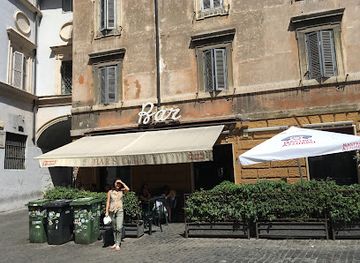
Bar
Bar San Calisto | Roma
Experience the authentic Roman café culture at Bar San Calisto, a beloved local bar in the heart of Trastevere, perfect for tourists and locals alike.
-
Cocktail bar
FRENI E FRIZIONI
Discover Freni e Frizioni, a vibrant cocktail bar in Rome, where innovative drinks and a lively atmosphere create an unforgettable experience.
-
Bar
Ristorante Bar del Fico
Experience the essence of Rome at Ristorante Bar del Fico, where delicious Italian cuisine meets vibrant cocktails in a charming atmosphere.
-
Cocktail bar
Salotto42
Experience the vibrant ambiance of Salotto42, a cocktail bar and brunch restaurant in the heart of Rome, blending exquisite drinks and delightful cuisine.


Best nightclubs in Lazio
Rome provides Lazio's broadest evening scene, with wine bars, cocktail bars, live-music rooms, theatres and late cafés distributed across central neighbourhoods and residential districts. Trastevere, Monti, Testaccio and San Lorenzo are established areas for restaurants and bars, though their atmosphere and venues change over time and should be checked locally. Outside the capital, nightlife is generally more social and seasonal: university towns and larger provincial centres have bars and music venues, while the Castelli Romani, lakeside towns and coastal resorts concentrate activity around piazzas, promenades and restaurants. Viterbo offers an evening culture based largely on historic-centre bars, cafés and dining. On Ponza and other islands, summer nights bring more late dining and waterfront activity than the quieter off-season. Traditional pubs are less central to Italian life than cafés, enoteche and aperitivo bars, and visitors should not assume that rural districts have extensive nightclub options.
-
Cocktail bar
Vinile
Experience the vibrant nightlife at Vinile, Rome's premier cocktail bar featuring live music, delicious food, and a lively disco atmosphere.
-
Night club
Ice Club Roma
Experience the frosty nightlife of Ice Club Roma, where cocktails and ice converge for an unforgettable evening in the heart of the Eternal City.
-
Disco club
Nice
Discover the pulse of Rome's nightlife at Nice Disco Club, where vibrant music and electrifying energy create unforgettable experiences.
-
Disco club
Goa Club
Unleash your inner party animal at Goa Club, Rome's premier disco club, where vibrant music and electrifying atmosphere await.


Best shops in Lazio
Shopping in Lazio ranges from Rome's major retail streets and department stores to the independent food shops, craft studios and weekly markets of smaller towns. Historic centres such as Viterbo, Tivoli, Frascati and Bracciano are useful for browsing ceramics, textiles, books, religious art and locally produced foods alongside everyday Italian high-street brands. Rome offers the widest choice of fashion, design, antiques and galleries, while neighbourhood markets can be better for seasonal produce and informal food shopping. Regional gifts include pecorino, cured meats, olive oil from Sabina, wines from the Castelli Romani and packaged Roman specialities, provided they can be transported safely. Ariccia and other Castelli Romani towns are associated with food production, while the Pontine Islands have small shops selling local provisions and maritime-themed goods rather than extensive retail collections. Farmers' markets and artisan fairs vary by town and season, so visitors should check local listings instead of relying on a permanent event calendar.
-
Outlet mall
Designer Outlet Castelromano McArthurGlen
Discover unbeatable deals and a delightful shopping experience at Designer Outlet Castelromano, your gateway to luxury brands at affordable prices.
-
Outlet mall
Valmontone Outlet
Discover unbeatable deals at Valmontone Outlet, the premier shopping destination near Rome with a diverse range of brands and delightful dining options.
-
Department store
RINASCENTE Rome Via del Tritone
Explore RINASCENTE Rome, the ultimate shopping destination offering luxury brands and local treasures in the heart of the Eternal City.
-
Shopping mall
Galleria Alberto Sordi
Explore Galleria Alberto Sordi, Rome's iconic shopping mall blending luxury, culture, and Italian charm in an architecturally stunning setting.


Get your free copy of our complete guide to Lazio, delivered straight to you.
Everything on this page, from attractions and restaurants to essentials and local phrases, in one PDF you can read offline, print or share.
Already have an account? Sign in
Your Lazio guide is ready.
We'll send it to · Not you? Sign out

Getting your guide ready…
We are putting together a fresh copy of the Lazio guide. This can take up to a minute.
This can take a few moments. If your browser asks, choose Allow so the download can start. You'll find the guide in your Downloads folder.
Nothing happened? Download it again
Sorry, the guide is taking longer than usual. Please try again in a minute, or get it by email instead.
Lazio essentials
Currency and Payment
Safety
Emergency Situations
Do's and Don'ts
Local Tips
From Eve
Local phrases worth knowing
You don't need to get them perfect. A few words go a long way, and locals appreciate the effort.
Basics
| English | Local | Say it |
|---|---|---|
| Hello | Ciao | [chow] |
| Goodbye | Arrivederci | [ah-ree-veh-DER-chee] |
| Yes | Sì | [see] |
| No | No | [noh] |
| Please/You're welcome | Per favore/Prego | [pehr fah-VOH-reh/PRAY-goh] |
| Thank you | Grazie | [GRAHT-see-eh] |
| Excuse me/Sorry | Scusa | [SKOO-zah] |
| How are you? | Come stai? | [KOH-meh stah-ee] |
| Fine. And you? | Bene. E tu? | [BEH-neh. eh too?] |
| Do you speak English? | Parli inglese? | [PAR-lee een-GLEH-zeh] |
| I don't understand | Non capisco | [nohn kah-PEE-skoh] |
Eating & Drinking
| English | Local | Say it |
|---|---|---|
| I'd like to see the menu, please | Vorrei vedere il menu, per favore | [vohr-RAY veh-DEH-reh eel meh-NOO, pehr fah-VOH-reh] |
| I don't eat meat | Non mangio carne | [nohn MAHN-joh KAR-neh] |
| Cheers! | Salute! | [sah-LOO-teh] |
| I would like to pay, please | Vorrei pagare, per favore | [vohr-RAY pah-GAH-reh, pehr fah-VOH-reh] |
Emergencies
| English | Local | Say it |
|---|---|---|
| Help! | Aiuto! | [ah-YOO-toh] |
| Go away! | Vai via! | [vy VEE-ah] |
| Call the Police! | Chiama la polizia! | [KYAH-mah lah poh-LEE-tsyah] |
| Call a doctor! | Chiama un dottore! | [KYAH-mah oon doh-TTOH-reh] |
| I'm lost | Mi sono perso | [mee SOH-noh PEHR-soh] |
| I'm ill | Sono malato | [SOH-noh mah-LAH-toh] |
Shopping
| English | Local | Say it |
|---|---|---|
| I'd like to buy... | Vorrei comprare... | [vohr-RAY kom-PRAH-reh...] |
| I'm just looking | Sto solo guardando | [stoh SOH-loh gwahr-DAHN-doh] |
| How much is it? | Quanto costa? | [KWAN-toh KOH-stah] |
| That's too expensive | È troppo costoso | [eh TROH-poh koh-STOH-soh] |
| Can you lower the price? | Puoi abbassare il prezzo? | [pwoy ahb-BAH-sah-reh eel PRET-soh] |
Time & Numbers
| English | Local | Say it |
|---|---|---|
| What time is it? | Che ore sono? | [keh OH-reh SOH-noh] |
| It's one o'clock | È l'una | [eh LOO-nah] |
| Half past (10) | Dieci e mezzo | [DEE-eh-chee eh MEH-tsoh] |
| Morning | Mattina | [maht-TEE-nah] |
| Afternoon | Pomeriggio | [poh-meh-REE-joh] |
| Evening | Sera | [SEH-rah] |
| Yesterday | Ieri | [YEH-ree] |
| Today | Oggi | [OH-gee] |
| Tomorrow | Domani | [doh-MAH-nee] |
| 1 | Uno | [OO-noh] |
| 2 | Due | [DOO-eh] |
| 3 | Tre | [TREH] |
| 4 | Quattro | [KWAHT-troh] |
| 5 | Cinque | [CHEEN-kweh] |
| 6 | Sei | [SAY] |
| 7 | Sette | [SET-teh] |
| 8 | Otto | [OHT-toh] |
| 9 | Nove | [NOH-veh] |
| 10 | Dieci | [DEE-eh-chee] |
Transport & Directions
| English | Local | Say it |
|---|---|---|
| Where's a/the...? | Dove si trova...? | [DOH-veh see TROH-vah...?] |
| What's the address? | Qual è l'indirizzo? | [kwahl eh leen-DEE-reet-soh] |
| Can you show me (on the map)? | Puoi mostrarmi (sulla mappa)? | [pwoy mohs-TRAR-mee (SOOL-lah MAH-pah)?] |
| When's the next (bus)? | Quando passa il prossimo (autobus)? | [KWAN-doh PAH-sah eel PROS-si-mo (OW-toh-boos)?] |
| A ticket (to ....) | Un biglietto (per ...) | [oon bee-LYEHT-toh (pehr ...)] |
History of Lazio
Prehistoric and Etruscan Lazio
Lazio was inhabited long before Rome emerged as a major power. Archaeological evidence records prehistoric communities, while the Etruscans established influential centres across northern Lazio, including Cerveteri and Tarquinia. Their monumental painted tombs, urban planning and Mediterranean trading links remain visible in the two UNESCO-listed necropolises. Other peoples, including the Latins, Sabines, Volscians and Hernici, occupied different parts of the region and shaped the political landscape encountered by early Rome. This layered pre-Roman history explains why Lazio contains such varied archaeological traditions rather than a single uniform cultural heritage.
The Rise of Rome
Rome developed beside the Tiber and gradually extended its control across Latium and neighbouring territories. The region's roads, settlements and agricultural estates became integral to Roman power, while the Appian Way connected Rome with southern Italy. Ostia grew into the capital's principal maritime gateway, and towns such as Tibur, modern Tivoli, became important residential and religious centres. Roman engineering transformed the landscape through roads, bridges, aqueducts, villas and drainage works. Many of Lazio's later towns and travel routes still follow patterns established during this period.
Imperial Villas and Roman Transformation
During the imperial age, Lazio became both the administrative heart of the Roman world and a landscape of elite residences. Hadrian's Villa at Tivoli combined palaces, gardens, theatres and water features on an extraordinary scale, while coastal and inland estates supported the capital's population. Ostia's apartments, warehouses, baths and temples show how commerce and ordinary urban life functioned. The countryside was also reorganised into estates and settlements connected to Rome. Although the western empire later fragmented, its architecture and infrastructure remained the foundation for the region's medieval and modern development.
The Papal States and Medieval Lazio
After the decline of imperial authority, Lazio became a contested landscape of fortified towns, monasteries, bishoprics and aristocratic territories. Rome's bishop gradually acquired temporal power, and much of the region came under the authority of the Papal States. Viterbo was particularly important in the Middle Ages: popes resided there, and the Palace of the Popes hosted significant conclaves. Hill towns such as Anagni, Subiaco and Orvieto's neighbouring Lazio landscapes reflected the influence of ecclesiastical institutions, local noble families and pilgrimage routes. Medieval walls and religious buildings remain prominent across the region.
Renaissance Courts and Villa Culture
From the fifteenth century, Rome and the surrounding countryside benefited from papal patronage, renewed interest in classical antiquity and competition among noble families. Architects, painters and gardeners transformed churches, palaces and country estates. Tivoli's Villa d'Este is a celebrated expression of this period, using terraces, fountains and water engineering to create a theatrical garden. The Castelli Romani and other hill districts also became favoured places for villas and retreats. Renaissance and Baroque investment helped give Lazio the historic urban and garden landscapes that visitors see today.
The Making of Modern Italy
Rome became the capital of the Kingdom of Italy in 1871 after the annexation of the Papal States, bringing major political and urban changes to Lazio. New government buildings, transport links and neighbourhoods were constructed around the older city, while the region's towns were incorporated into a modern national administration. Land reclamation and agricultural settlement transformed parts of the Pontine plain during the twentieth century. The growth of roads, railways and mass tourism then connected coastal resorts, volcanic lakes and historic towns more closely with Rome and the rest of Italy.
War, Reconstruction and Contemporary Lazio
The Second World War left deep marks on Lazio, from the fighting around Monte Cassino in the region's south to damage in Rome, the coast and inland towns. Post-war reconstruction and industrial growth expanded the capital and strengthened links with towns such as Latina, Frosinone and Rieti, while many rural communities experienced migration and economic change. Today Lazio combines a global capital with agricultural districts, protected landscapes, university towns, working ports and heritage centres. Its contemporary identity is therefore shaped by both Rome's international role and the enduring regional cultures beyond the capital.
Lazio in Photos
Browse through our photo collection highlighting the charm and character of the destination.
Neighbouring regions of Lazio
The closest regions to Lazio, if you have time for more than one.
-
-

-

-

-


Swipe for more regions
Explore more

Explore more of Italy
Discover Italy: A land of ancient history, artistic marvels, and culinary delights; where every corner reveals a new story and every meal is a celebration.
Explore Italy