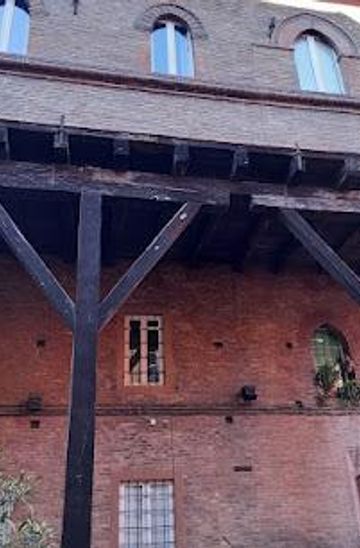
Discover the Charm of Palazzo Grassi in Bologna
Explore the historic elegance of Palazzo Grassi in Bologna, a stunning tourist attraction featuring exquisite art and architecture that reflects the city's rich cultural heritage.
Palazzo Grassi, an exquisite tourist attraction in Bologna, embodies the rich history and architectural beauty of the city. Visitors can explore its stunning interiors and captivating art collections that reflect Bologna's cultural heritage.
A brief summary to Palazzo Grassi
- Via Marsala, 12, Bologna, Metropolitan City of Bologna, 40126, IT
- Click to display
- Click to display

Know before you go
Hi, I'm Eve. Here are a few practical things to know before exploring Palazzo Grassi.
- Visit during the week to avoid crowds and enjoy a more intimate experience with the art and architecture.
- Check the schedule for special exhibitions or events that may offer unique insights into Bologna's cultural scene.
- Don't forget to explore the nearby streets for local eateries serving traditional Bolognese dishes.
Do you manage this location?
Take control to get all the benefits, like improved information, better appearance, and stronger visibility across AI-powered discovery. Learn more
Activate your presenceOther nearby places you may find interesting
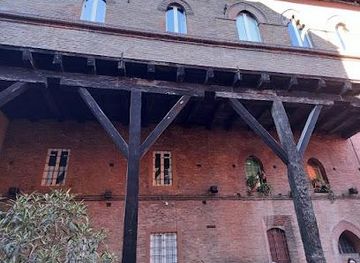
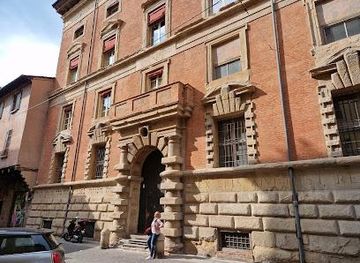
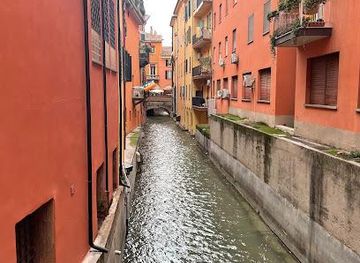
Getting There
-
Car
If you are driving, head towards Bologna city center. Use the A1 motorway if you are coming from cities like Modena or Florence. Take the exit for Bologna and follow signs for the city center. Once you are in the center, look for Via Indipendenza which is a major thoroughfare. Follow Via Indipendenza until you reach Piazza Maggiore. From there, take Via Rizzoli and continue straight until you reach Via Marsala. Turn left onto Via Marsala, and Palazzo Grassi will be on your right at number 12.
-
Public Transportation
To reach Palazzo Grassi via public transport, first, take a train to Bologna Centrale, the main train station. From the station, you can catch bus number 21 or 35, which will take you towards the city center. Get off at the stop 'Piazza Maggiore'. From there, it’s a short walk: head south along Via Rizzoli, then turn left onto Via Marsala. Palazzo Grassi is located at number 12, just a few minutes from the bus stop.
Discover more about Palazzo Grassi
Explore the best of what Palazzo Grassi has to offer













More about Emilia Romagna
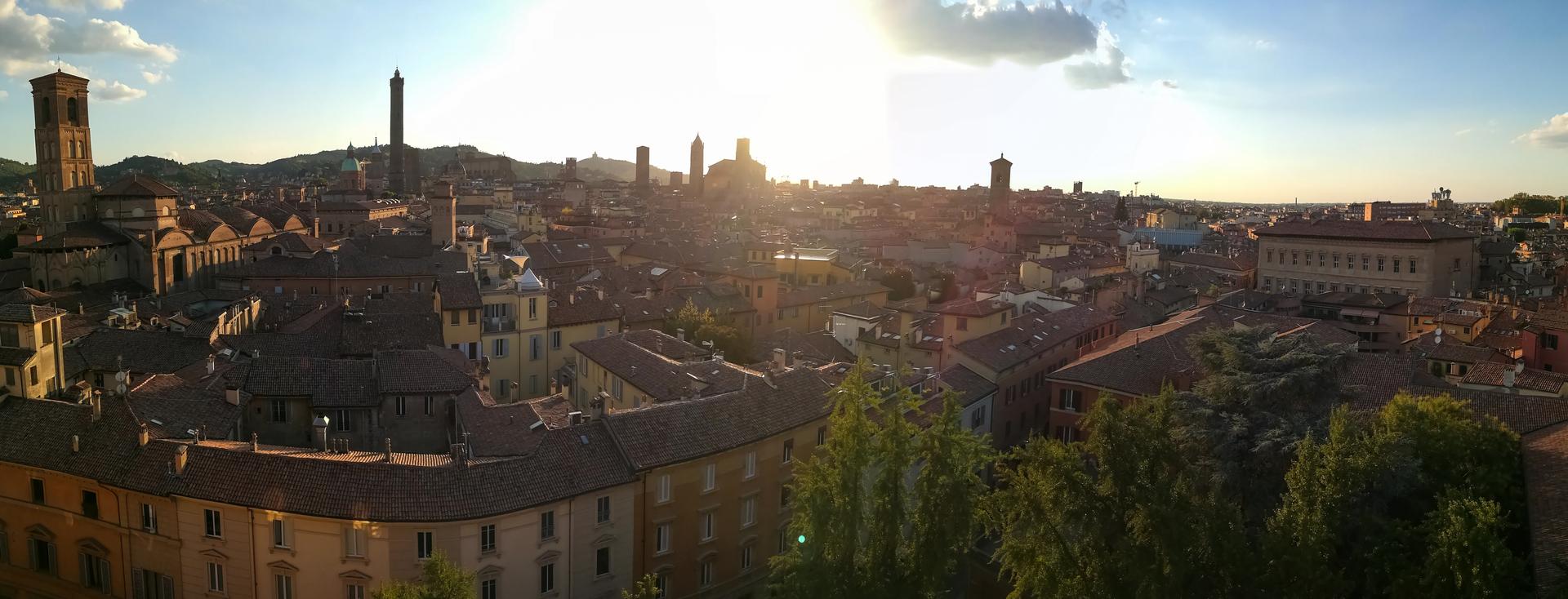
Discover Emilia-Romagna: Italy's culinary heartland, rich in history, culture, and stunning landscapes, perfect for an unforgettable travel experience.
Tell me more about Emilia Romagna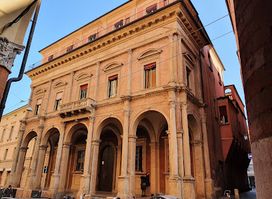
Experience the architectural beauty and rich history of Palazzo Gaudenzi Già dal Monte in Bologna, a must-see tourist attraction for all travelers.
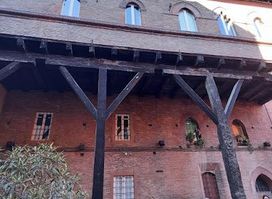
Explore the stunning Palazzo Grassi in Bologna, an architectural masterpiece reflecting the city's rich cultural heritage and artistic spirit.