

Free Modena Travel Guide & Mobile App
Plan your Modena trip with Evendo. Get free guides to top attractions, restaurants, hotels, and bars. Web access or download the mobile app.


Modena, Italy, pairs Romanesque architecture and UNESCO heritage with balsamic vinegar, Ferrari culture, opera and elegant Emilia-Romagna dining.
Heritage at the Heart of the City
Modena is a compact, cultivated city in Emilia-Romagna, situated between Bologna and Parma on the historic Via Emilia. Its centre gathers an extraordinary concentration of Romanesque architecture around Piazza Grande: the cathedral, the Ghirlandina bell tower and the civic buildings form a UNESCO World Heritage site whose pale stone, sculptural detail and measured proportions define Modena's visual identity. Medieval streets lead towards elegant palazzi, arcaded shopping avenues and quiet squares, while the University of Modena and Reggio Emilia gives the city a youthful intellectual presence.Read more about Modena
Engines, Music and Everyday Culture
A City of Measured Pleasures
When is the best time to visit Modena?
Best: May–June, September · 24–27°C| Month | High (°C) | Rainfall (mm) |
|---|---|---|
| January | 10 | 45 |
| February | 12 | 40 |
| March | 17 | 50 |
| April | 20 | 65 |
| May (best) | 24 | 75 |
| June (best) | 27 | 65 |
| July | 29 | 55 |
| August | 29 | 55 |
| September (best) | 26 | 60 |
| October | 20 | 70 |
| November | 14 | 55 |
| December | 11 | 50 |
Getting to and around Modena
How to get there
Transportation
Best attractions in Modena
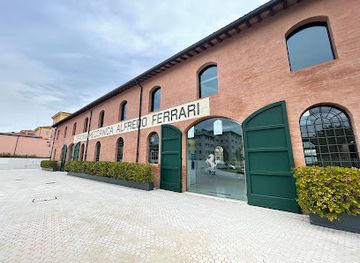
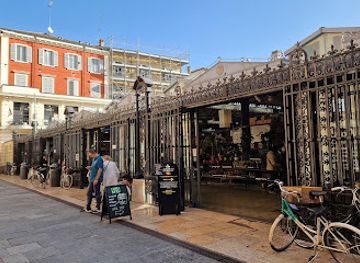
Modena's principal sightseeing circuit centres on Piazza Grande, where the cathedral and Ghirlandina form the city's defining medieval ensemble and the nearby Palazzo Comunale adds layers of civic history. The Galleria Estense presents paintings, sculpture and objects associated with the Este court, while the Biblioteca Estense offers a window into the city's manuscript and scholarly traditions. The covered Mercato Albinelli brings everyday food culture into the historic centre, with stalls selling produce and regional specialities. Motoring enthusiasts can explore the Museo Casa Enzo Ferrari, whose modern exhibition building stands beside the house and workshop associated with Enzo Ferrari's early life. The Teatro Comunale Pavarotti-Freni adds opera and performance to Modena's cultural landscape, and the Museo Civico di Modena broadens the picture through archaeology and local history. Together these sites show a city shaped by faith, court culture, food and engineering.
-
Museum
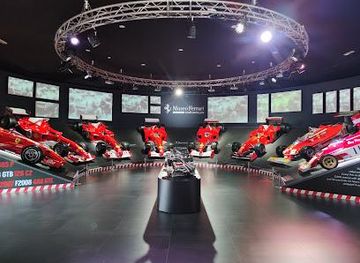
Museum Ferrari Maranello
Experience the thrill of Ferrari's legacy at the Museo Ferrari Maranello, showcasing iconic cars and racing history in the heart of Italy's Motor Valley.
34 min drive · 14 km from city centre
-
Museum
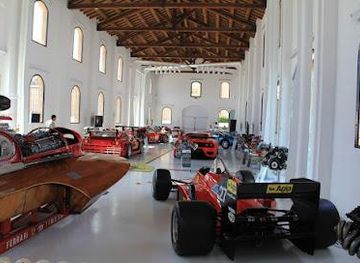
Enzo Ferrari Museum
Explore the life and legacy of Enzo Ferrari at his birthplace in Modena, a tribute to Italian automotive excellence.
13 min walk · 1.0 km from city centre
-
Cathedral
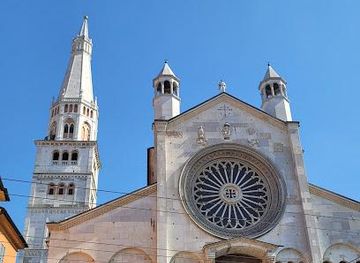
Modena Cathedral
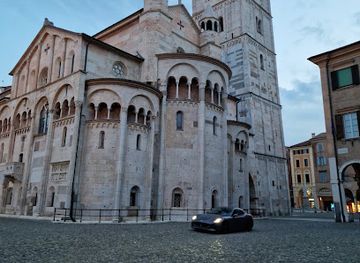
Explore Modena Cathedral, a UNESCO World Heritage site and a masterpiece of Romanesque art, featuring stunning sculptures and rich history.
1 min walk · 0.1 km from city centre
-
Tourist attraction
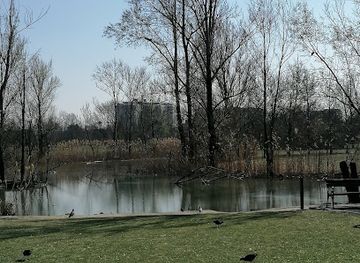
Parco Enzo Ferrari
Discover Modena's automotive heritage and natural beauty at Parco Enzo Ferrari, a serene urban oasis dedicated to the legendary Enzo Ferrari.
18 min walk · 1.4 km from city centre
Best landmarks in Modena
Modena's most important landmarks form a coherent civic and religious group around Piazza Grande. The cathedral, begun in 1099, is one of the great Romanesque buildings of northern Italy, noted for its sculptural decoration and the work associated with Lanfranco and Wiligelmo. Beside it, the Ghirlandina rises as the city's distinctive medieval bell tower and civic symbol, while the Palazzo Comunale represents the political life of the historic commune. The Palazzo Ducale records a later chapter, when Modena became the Este capital in 1598; its monumental façade and formal presence reflect ducal government rather than medieval ecclesiastical power. The Teatro Comunale Pavarotti-Freni adds a landmark of musical culture, and the Museo Casa Enzo Ferrari's bold contemporary architecture expresses the city's modern association with engineering and automotive design. Together these structures trace Modena's evolution from medieval commune to ducal capital and industrial centre.
-
Museum
Enzo Ferrari Museum
Explore the Enzo Ferrari Museum in Modena, a celebration of automotive heritage and the genius behind the Ferrari legacy.
13 min walk · 1.0 km from city centre
-
Cathedral
Duomo di Modena
Explore the stunning Duomo di Modena, a UNESCO World Heritage site showcasing exquisite Romanesque architecture and rich cultural heritage in the heart of Modena.
1 min walk · 0.1 km from city centre
-
Market
Mercato Storico Albinelli
Explore the vibrant Mercato Storico Albinelli in Modena, where local flavors and culinary traditions come alive in a historical market setting.
3 min walk · 0.3 km from city centre
-
Park
Parco Giardino Ducale Estense
Discover the lush greenery and historical elegance of Parco Giardino Ducale Estense in Modena, Italy – a perfect blend of nature and culture.
8 min walk · 0.7 km from city centre
Explore Modena on the map
Plan your Modena trip on one map. See where the top attractions, landmarks, restaurants, bars and hotels are, find what's near where you're staying, and book hotels and experiences in a few clicks.
Best hotels in Modena
Best restaurants in Modena
Modena's cuisine reflects the fertile plain and the culinary traditions of Emilia-Romagna. Handmade pasta is central, particularly tortellini, traditionally served in broth, while restaurants also feature tagliatelle, lasagne and other dishes built around eggs and wheat. Gnocco fritto, a light fried dough, is commonly paired with cured meats and soft cheeses, and zampone is a celebrated local speciality associated with festive meals. Parmigiano Reggiano, Modena's traditional balsamic vinegar and Lambrusco from the surrounding area give the table a strong regional identity. The Mercato Albinelli is useful for seeing the ingredients behind this cuisine, while trattorias, osterias, bakeries and contemporary restaurants spread through the centre and adjoining streets. Dining ranges from informal plates and aperitivo to carefully presented interpretations of established recipes, with local produce remaining more important than elaborate culinary fashion.
-
Restaurant
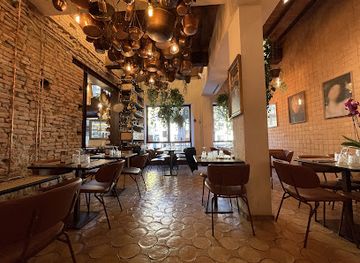
Ristorante Tradizionale Uva D'Oro
Savor authentic Italian cuisine at Ristorante Tradizionale Uva D'Oro in Modena - where every meal tells a story.
2 min walk · 0.2 km from city centre
-
Restaurant
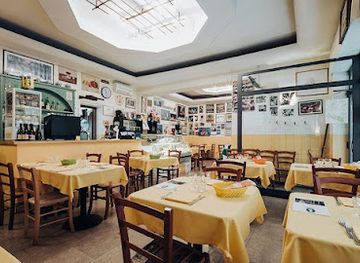
Trattoria Il Fantino
Experience authentic Italian cuisine at Trattoria Il Fantino in Modena - where every dish tells a story of tradition and taste.
4 min walk · 0.3 km from city centre
-
Diner
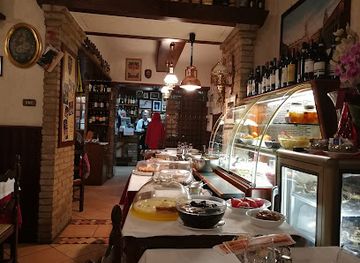
Ristorante da Danilo
Experience authentic Italian dining at Ristorante da Danilo in Modena - where tradition meets innovation in every dish.
2 min walk · 0.2 km from city centre
-
Fine Dining
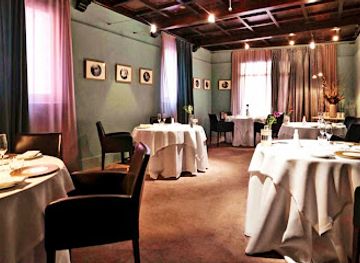
Osteria Francescana
Experience the pinnacle of Italian cuisine at Osteria Francescana in Modena - where tradition meets innovation in every exquisite dish.
5 min walk · 0.4 km from city centre
Best bars in Modena
Modena's evenings tend to favour conversation, food and live culture over a large-scale club scene. Students and residents gather around Piazza della Pomposa, Via del Taglio and nearby central streets, where wine bars, cafés and small venues create a sociable atmosphere after work and later into the evening. Lambrusco and regional wines are natural choices, often accompanied by modest aperitivo plates, while craft cocktails and contemporary bars have added variety around the historic centre. The Teatro Comunale Pavarotti-Freni provides opera and concert programming, and other cultural venues may host music, theatre or talks depending on the season. Nightlife is dispersed and generally manageable rather than sprawling, with the strongest activity concentrated in the centre. Visitors should expect Italian evening rhythms, where an aperitivo or dinner may lead gradually into a late conversation rather than an early, formal start to the night.
-
Restaurant
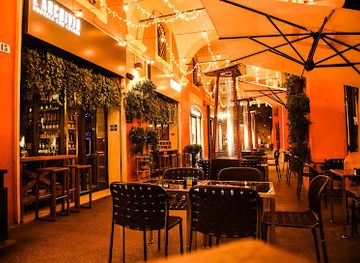
L'Archivio
Discover the vibrant culinary scene at L'Archivio, a beloved restaurant and cocktail bar in the heart of Modena, Italy.
1 min walk · 0.1 km from city centre
-
Pub
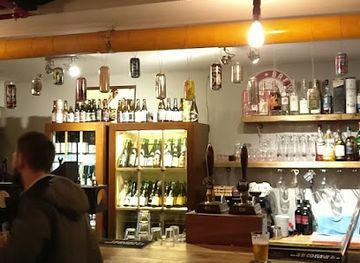
Zona Artigianale - Craft Beer Pub
Experience the vibrant craft beer culture at Zona Artigianale in Modena, where local brews and delicious bites create unforgettable moments.
9 min drive · 2.9 km from city centre
-
Bar
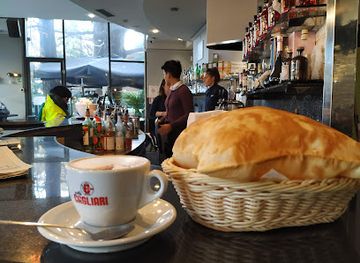
Bar Embassy Modena
Experience the lively ambiance and delightful flavors at Bar Embassy Modena, a bistro-bar perfect for tourists exploring the heart of Italy.
16 min walk · 1.3 km from city centre
-
Pub
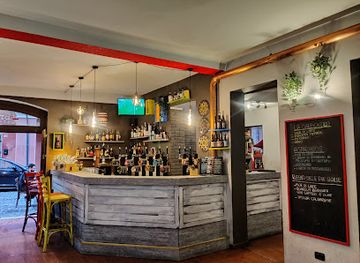
Mr. Brown
Discover the vibrant atmosphere of Mr. Brown, a cozy pub in Modena offering local drinks and a taste of Italian culture.
6 min walk · 0.5 km from city centre
Best nightclubs in Modena
Modena's evenings tend to favour conversation, food and live culture over a large-scale club scene. Students and residents gather around Piazza della Pomposa, Via del Taglio and nearby central streets, where wine bars, cafés and small venues create a sociable atmosphere after work and later into the evening. Lambrusco and regional wines are natural choices, often accompanied by modest aperitivo plates, while craft cocktails and contemporary bars have added variety around the historic centre. The Teatro Comunale Pavarotti-Freni provides opera and concert programming, and other cultural venues may host music, theatre or talks depending on the season. Nightlife is dispersed and generally manageable rather than sprawling, with the strongest activity concentrated in the centre. Visitors should expect Italian evening rhythms, where an aperitivo or dinner may lead gradually into a late conversation rather than an early, formal start to the night.
-
Disco club
Gilda Bar
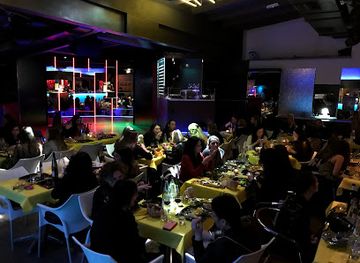
Experience the vibrant nightlife of Modena at Gilda Bar, where music and dance come alive in a lively disco and live music venue.
11 min drive · 3.8 km from city centre
-
Disco club
Frozen Club
Dance the night away at Frozen Club, Modena's vibrant disco club, perfect for tourists seeking an unforgettable nightlife experience.
14 min drive · 4.6 km from city centre
-
Disco club
Vibra Club
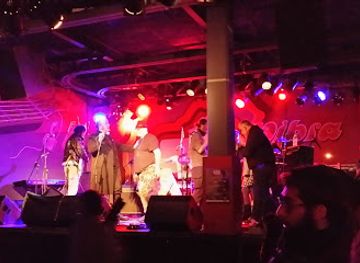
Vibra Club: Modena's Premier Disco Destination for Unforgettable Nights of Music and Dance.
14 min walk · 1.1 km from city centre
-
Jazz
Cotton Club
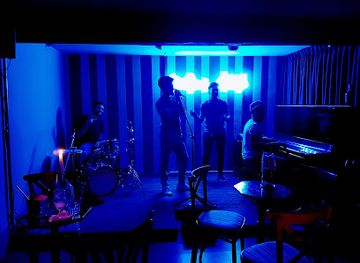
Discover the heart of jazz in Modena at Cotton Club, where live music and vibrant atmosphere create unforgettable nights.
5 min walk · 0.4 km from city centre

Best shops in Modena
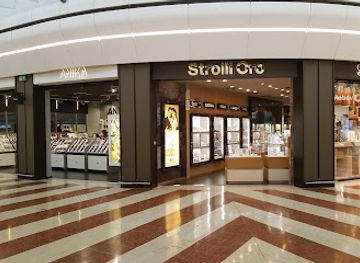
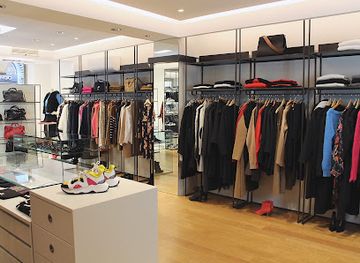
Shopping in Modena combines the practical character of an Emilia-Romagna market city with refined central streets. Mercato Albinelli, housed in a historic covered market, is the natural place to browse fresh produce, pasta, cheeses, cured meats and other ingredients associated with the province. Via Emilia Centro and the surrounding streets contain a mixture of independent shops, fashion retailers, cafés and established Italian brands, while the lanes near the old centre offer smaller specialist businesses. Visitors looking for regional gifts can consider Parmigiano Reggiano, Lambrusco, traditional balsamic vinegar and packaged pasta, taking care to distinguish protected products from generic versions. Artisan and design-related goods also reflect Modena's connection with engineering and craftsmanship, although the city's appeal lies more in its food culture and independent urban shopping than in a single luxury retail district or large shopping complex.
-
Market
Mercato Storico Albinelli
Explore Modena's Mercato Storico Albinelli, a vibrant market filled with local delicacies, fresh produce, and authentic Italian culture.
3 min walk · 0.3 km from city centre
-
Shopping mall
Centro Commerciale La Rotonda
Experience a shopping paradise at Centro Commerciale La Rotonda in Modena, where retail therapy meets delightful dining and family fun.
9 min drive · 2.9 km from city centre
-
Boutique
Montorsi Boutique
Explore Montorsi Boutique in Modena for exquisite women's fashion, jewelry, and unique accessories that define Italian elegance.
5 min walk · 0.4 km from city centre
-
Novelty store
Alberti
Explore Alberti in Modena for unique home goods, garden furniture, and kitchen supplies that embody Italian craftsmanship and creativity.
3 min walk · 0.2 km from city centre
Get your free copy of our complete guide to Modena, delivered straight to you.
Everything on this page, from attractions and restaurants to essentials and local phrases, in one PDF you can read offline, print or share.
Already have an account? Sign in
Your Modena guide is ready.
We'll send it to · Not you? Sign out

Getting your guide ready…
We are putting together a fresh copy of the Modena guide. This can take up to a minute.
This can take a few moments. If your browser asks, choose Allow so the download can start. You'll find the guide in your Downloads folder.
Nothing happened? Download it again
Sorry, the guide is taking longer than usual. Please try again in a minute, or get it by email instead.
Modena essentials
Currency and Payment
Safety
Emergency Situations
Do's and Don'ts
Local Tips
From Eve
Local phrases worth knowing
You don't need to get them perfect. A few words go a long way, and locals appreciate the effort.
Basics
| English | Local | Say it |
|---|---|---|
| Hello | Ciao | [chow] |
| Goodbye | Arrivederci | [ah-ree-veh-dehr-chee] |
| Yes | Sì | [see] |
| No | No | [noh] |
| Please/You're welcome | Per favore/Prego | [pehr fah-voh-reh/preh-goh] |
| Thank you | Grazie | [grah-tsyeh] |
| Excuse me/Sorry | Mi scusi/Scusa | [mee skoo-zee/skoo-zah] |
| How are you? | Come stai? | [koh-meh stai] |
| Fine. And you? | Bene. E tu? | [beh-neh. eh too] |
| Do you speak English? | Parli inglese? | [pahr-lee een-gleh-zeh] |
| I don't understand | Non capisco | [nohn kah-pee-skoh] |
Eating & Drinking
| English | Local | Say it |
|---|---|---|
| I'd like to see the menu, please | Vorrei vedere il menù, per favore | [vohr-ray veh-deh-reh eel meh-noo, pehr fah-voh-reh] |
| I don't eat meat | Non mangio carne | [nohn mahn-joh kahr-neh] |
| Cheers! | Salute! | [sah-loo-teh] |
| I would like to pay, please | Vorrei pagare, per favore | [vohr-ray pah-gah-reh, pehr fah-voh-reh] |
Emergencies
| English | Local | Say it |
|---|---|---|
| Help! | Aiuto! | [ah-yoo-toh] |
| Go away! | Vai via! | [vai vee-ah] |
| Call the Police! | Chiama la polizia! | [kyah-mah lah poh-lee-tsya] |
| Call a doctor! | Chiama un dottore! | [kyah-mah oon doh-toh-reh] |
| I'm lost | Mi sono perso | [mee soh-noh pehr-soh] |
| I'm ill | Sono malato | [soh-noh mah-lah-toh] |
Shopping
| English | Local | Say it |
|---|---|---|
| I'd like to buy... | Vorrei comprare... | [vohr-ray kohm-prah-reh] |
| I'm just looking | Sto solo guardando | [stoh soh-loh gwar-dahn-doh] |
| How much is it? | Quanto costa? | [kwahn-toh koh-stah] |
| That's too expensive | È troppo caro | [eh troh-poh kah-roh] |
| Can you lower the price? | Puoi abbassare il prezzo? | [pwah-ee ahb-bahs-sah-reh eel preh-tsoh] |
Time & Numbers
| English | Local | Say it |
|---|---|---|
| What time is it? | Che ora è? | [keh oh-rah eh] |
| It's one o'clock | È l'una | [eh loo-nah] |
| Half past (10) | Sono le dieci e mezza | [soh-noh leh dyeh-chee eh meh-tzah] |
| Morning | Mattina | [maht-tee-nah] |
| Afternoon | Pomeriggio | [poh-meh-ree-joh] |
| Evening | Sera | [seh-rah] |
| Yesterday | Ieri | [yeh-ree] |
| Today | Oggi | [oh-jee] |
| Tomorrow | Domani | [doh-mah-nee] |
| 1 | Uno | [oo-noh] |
| 2 | Due | [doo-eh] |
| 3 | Tre | [treh] |
| 4 | Quattro | [kwah-troh] |
| 5 | Cinque | [cheen-kweh] |
| 6 | Sei | [seh-ee] |
| 7 | Sette | [set-teh] |
| 8 | Otto | [oht-toh] |
| 9 | Nove | [noh-veh] |
| 10 | Dieci | [dyeh-chee] |
Transport & Directions
| English | Local | Say it |
|---|---|---|
| Where's a/the...? | Dov'è...? | [doh-veh] |
| What's the address? | Qual è l'indirizzo? | [kwahl eh leen-dee-reet-soh] |
| Can you show me (on the map)? | Puoi mostrarmi (sulla mappa)? | [pwah-ee mohs-trar-mee soo-lah mahp-pah] |
| When's the next (bus)? | Quando passa il prossimo (autobus)? | [kwahn-doh pahs-sah eel prohs-see-moh ow-toh-boos] |
| A ticket (to ....) | Un biglietto (per ....) | [oon beel-yet-toh pehr] |
History of Modena
Roman Mutina and the Via Emilia
Modena developed from the Roman colony of Mutina, founded in the second century BC in a strategically important position along the Via Emilia. The road connected settlements across northern Italy and helped make the area valuable for agriculture, trade and military movement. Roman Mutina played a role in the civil wars of the late Republic, including the battles around Mutina in 43 BC, before becoming part of the imperial system. The modern street plan does not reproduce the ancient town in every detail, but the Via Emilia still gives Modena its east–west axis and regional importance. Archaeological remains and museum collections preserve evidence of the Roman settlement, while the surrounding plain continues to reflect the agricultural foundations that supported the city across the centuries.
Medieval Rule and Communal Power
After the transformation of the western Roman world, Modena passed through successive forms of rule before developing as a medieval community. The cathedral was begun in 1099 under the direction of the architect Lanfranco, with sculpture by Wiligelmo, during a period when civic and religious institutions expressed authority through monumental building. The cathedral, Piazza Grande and the Ghirlandina together record the confidence of the medieval commune. The bell tower, begun in the twelfth century and completed over later phases, served both religious and civic purposes. Modena's position on routes across the Po Valley supported commerce, while the cathedral complex became the symbolic centre of a city whose political life was shaped by tensions between communal institutions, bishops and powerful regional families.
The Este Court Arrives
A decisive change came in 1598, when Duke Cesare d'Este moved the capital of the Duchy of Ferrara and Modena to Modena after Ferrara was incorporated into the Papal States. The Este court transformed the city into the political and cultural centre of its duchy. The Palazzo Ducale was built as a major residence and administrative seat, and court institutions encouraged artistic production, music, scholarship and diplomatic activity. Modena's urban form expanded with aristocratic buildings and formal spaces associated with ducal government. The Este period also connected the city to a wider network of northern Italian courts, although court life existed alongside the ordinary economic and social activity of artisans, merchants and agricultural communities in the surrounding territory.
Ducal Culture and Urban Expansion
During the seventeenth and eighteenth centuries, Modena developed the institutions expected of a European capital while retaining its compact scale. The Biblioteca Estense and the Galleria Estense preserve important collections assembled under ducal patronage, including manuscripts, paintings and works connected with the Este family's long cultural history. The university, founded in 1175, also contributed to Modena's intellectual identity. Churches, palazzi and civic buildings altered the appearance of the centre, while the court supported music and the performing arts. These developments left a legacy visible in the Palazzo Ducale, the museums and the pattern of streets around the old centre. Modena's economy remained closely connected to farming, trade and craft production in the fertile plain.
Napoleonic Change and Italian Unification
The Napoleonic period disrupted the old ducal order and brought Modena into the administrative and political systems created under French influence. After the Restoration, the Este dynasty returned, but the forces of Italian nationalism increasingly challenged dynastic rule. Modena became part of the Kingdom of Italy in 1859, following the political upheavals that preceded unification, and the city subsequently adapted to the structures of the new national state. Railway development and industrial growth strengthened connections with Bologna, Milan and the wider Po Valley. The nineteenth century also brought changes in public administration, education and urban infrastructure, linking the historic centre with expanding residential and productive areas beyond the medieval core.
Industry, Motoring and Modern Modena
The twentieth century brought industrial development and a new identity based on engineering, enterprise and motor sport. Modena and its surrounding province became associated with manufacturers and designers including Maserati and Ferrari, while mechanical workshops and specialist suppliers helped form the wider Motor Valley. Food production remained equally important: traditional balsamic vinegar, filled pasta, cured meats and cheeses continued to connect the city to its agricultural hinterland. The Second World War and the post-war period brought hardship, reconstruction and rapid social change, followed by the growth of modern services and university life. Contemporary Modena therefore combines its medieval civic heritage with museums, performance institutions, manufacturing culture and a regional food tradition that remains central to its public identity.
Modena in Photos
Browse through our photo collection highlighting the charm and character of the destination.
Cities near Modena
The closest cities to Modena, if you have time for more than one stop.
-

-

-

-

-


Swipe for more cities
Explore more

Explore more of Italy
Discover Italy: A land of ancient history, artistic marvels, and culinary delights; where every corner reveals a new story and every meal is a celebration.
Explore Italy