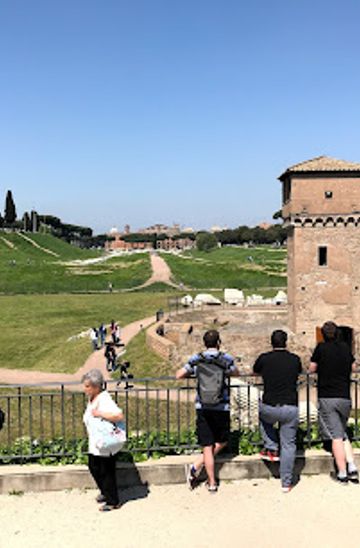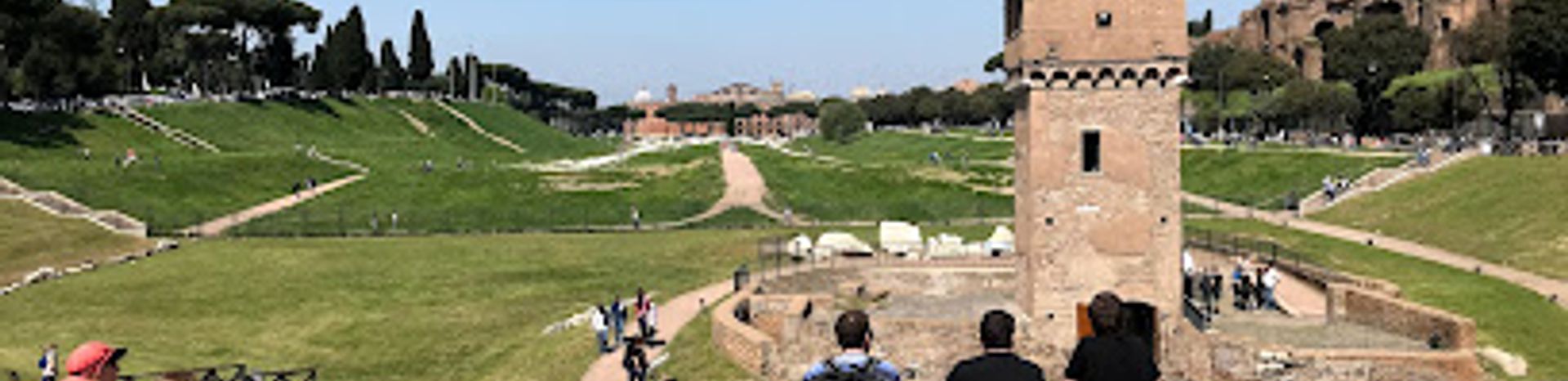
Circus Maximus: Rome's Ancient Entertainment Hub
Explore the grounds of Rome's largest ancient stadium, where chariot races and public games thrilled vast crowds for centuries.
The Circus Maximus, located in the valley between the Aventine and Palatine Hills, was the largest stadium in ancient Rome, primarily used for chariot races and public games. Today, it's a public park where visitors can explore the historical site and imagine the grandeur of ancient Roman entertainment.
A brief summary to Circus Maximus
- Rome, Metropolitan City of Rome Capital, 00186, IT
- Click to display
- Click to display

Know before you go
Hi, I'm Eve. Here are a few practical things to know before exploring Circus Maximus.
- Visit early in the morning or late afternoon to avoid crowds and enjoy cooler temperatures.
- Combine your visit with a walk to nearby Palatine Hill and the Roman Forum for a comprehensive historical experience.
- Check for scheduled events or concerts to experience the Circus Maximus as a modern entertainment venue.
- Wear comfortable shoes, as the site involves a good amount of walking.
- Take advantage of the informational placards around the perimeter to learn about the history and architecture of the Circus Maximus.
Do you manage this location?
Take control to get all the benefits, like improved information, better appearance, and stronger visibility across AI-powered discovery. Learn more
Activate your presence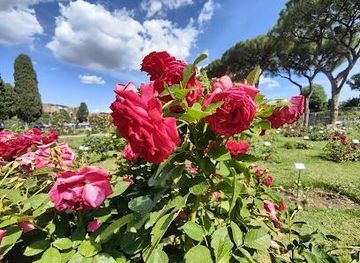


Getting There
-
Public Transport
The most convenient way to reach the Circus Maximus is via the Rome Metro. Take Line B (the blue line) to the Circo Massimo station, which is located directly in front of the site. A single metro ticket costs €1.50 and is valid for 100 minutes.
-
Bus
Several bus lines stop near the Circus Maximus, including lines 81, 118, 160, 628, 715, and 716. A single bus ticket costs €1.50 and is valid for 100 minutes. Check local schedules for the most up-to-date routes and times.
-
Walking
The Circus Maximus is easily accessible on foot from many central Rome locations. It's a pleasant walk from the Colosseum and Roman Forum, allowing you to take in the sights of the city. From the Colosseum, walk southwest along Via di San Gregorio, and the Circus Maximus will be on your left.
-
Taxi
Taxis are readily available in Rome. A short taxi ride within the city center should cost between €8 and €15. Taxi fares start at €3.50 during the day and €6.50 at night, plus a charge per kilometer. Be sure the taxi is official (white with a 'TAXI' sign) and that the meter is running.
Discover more about Circus Maximus
Explore the best of what Circus Maximus has to offer













More about Lazio
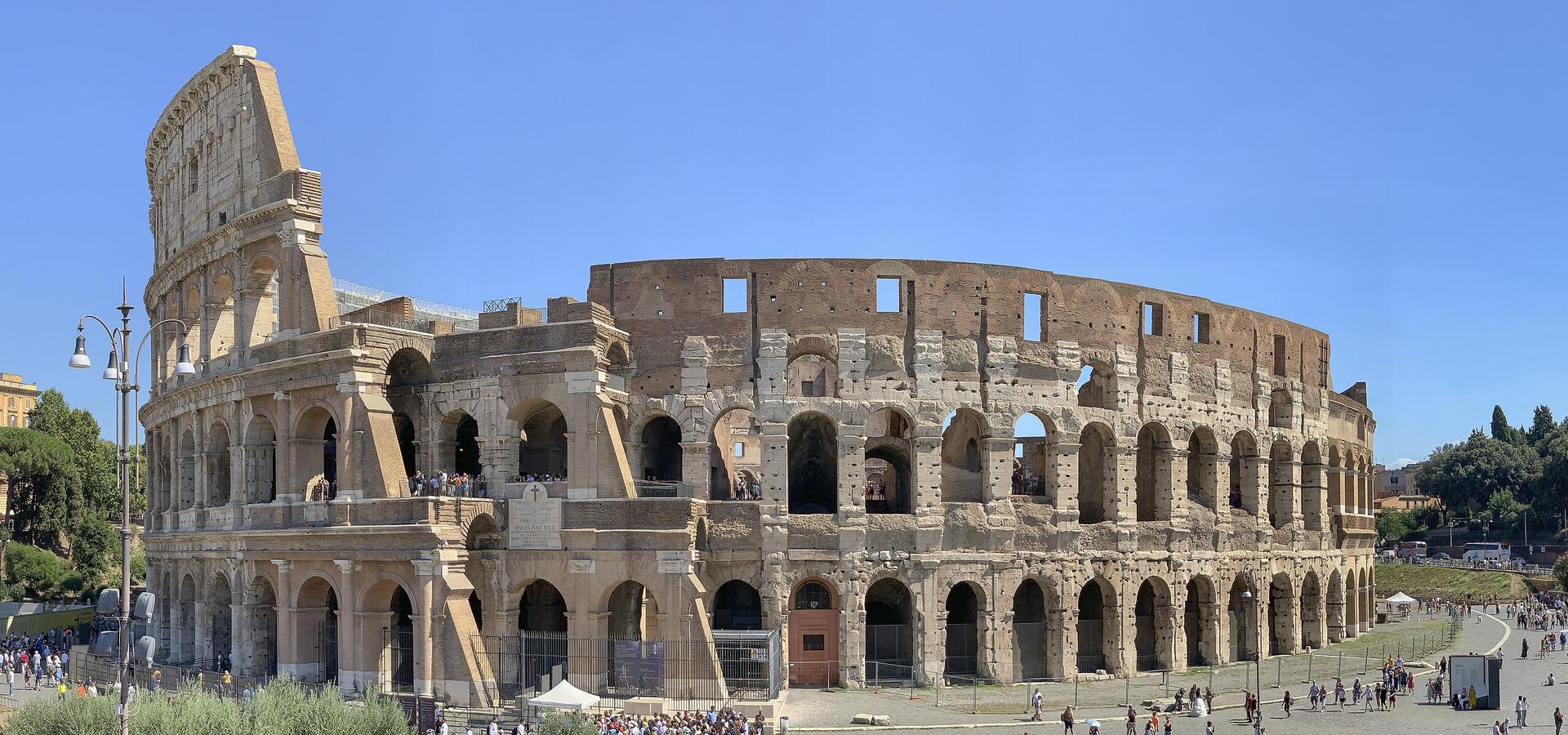
Discover Lazio, Italy: A captivating blend of ancient history, stunning landscapes, and vibrant culinary traditions in the heart of Italy.
Tell me more about Lazio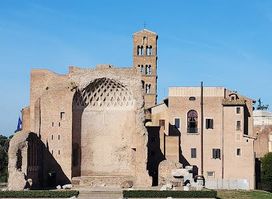
Explore the Temple of Venus and Rome, an iconic open-air museum that encapsulates the grandeur of ancient Rome and its divine heritage.
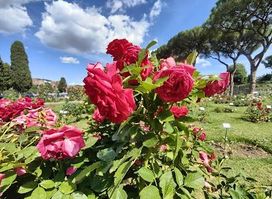
Discover the serene beauty of Roseto Comunale, a stunning rose garden in Rome, featuring over 1,100 varieties of roses amidst breathtaking views.