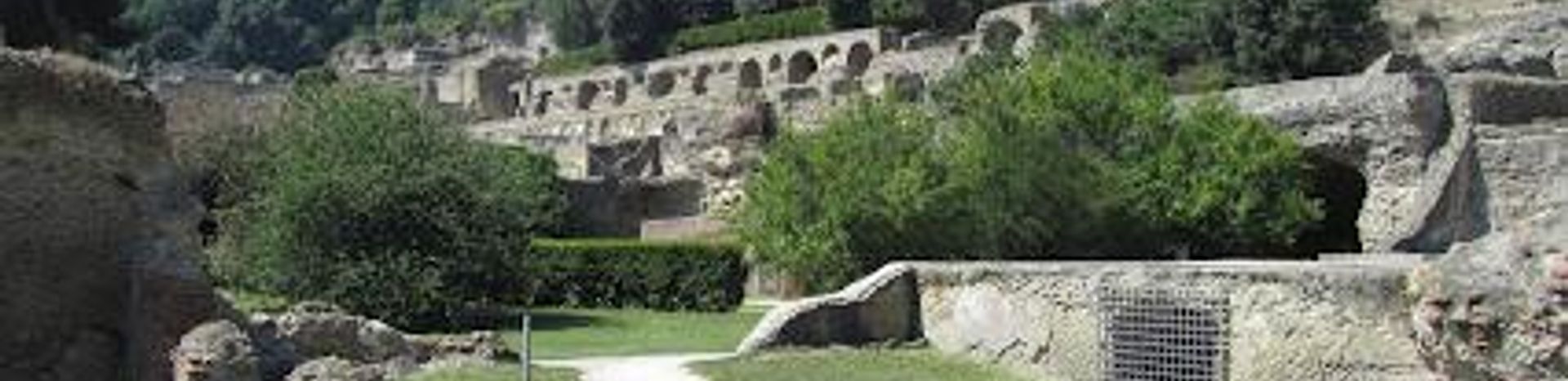
Underwater Archaeological Park of Baia: A Submerged Roman City
Discover a hidden Roman city beneath the waves at the Underwater Archaeological Park of Baia, near Naples.
Explore the fascinating Underwater Archaeological Park of Baia, where the ruins of an ancient Roman resort lie submerged beneath the sea. Once a playground for the wealthy elite, Baia now offers a unique glimpse into the past through snorkeling and scuba diving among well-preserved mosaics, statues, and villas.
A brief summary to Underwater Archaeological Park of Baia
- Via Lucullo, 94, Bacoli, Metropolitan City of Naples, 80070, IT
- Visit website
- Monday 9 am-7 pm
- Tuesday 9 am-7 pm
- Wednesday 9 am-7 pm
- Thursday 9 am-7 pm
- Friday 9 am-7 pm
- Saturday 9 am-7 pm
- Sunday 9 am-7 pm
Local tips
- Book tours in advance, especially during peak season, to ensure availability for snorkeling or diving.
- Consider a glass-bottom boat tour for a dry and accessible way to view the underwater ruins.
- Bring your own snorkeling gear if you prefer, though rentals are available.
- Check the weather forecast before your visit, as visibility can be affected by sea conditions.
- Wear sunscreen and a hat, even on cloudy days, for sun protection during boat tours and snorkeling.

Getting There
-
Public Transport
From Naples, take the Cumana train line from Montesanto station to Torregaveta. From Torregaveta, several bus lines (e.g., 101, 102, 146) connect to Bacoli. Get off near Via Lucullo and walk a short distance to the park entrance. Bus tickets cost around €1-€2. Alternatively, the 101 bus runs directly from Naples (Molo Beverello) to Bacoli (Via Lungolago) , costing €3-€5 and taking approximately 1 hour and 5 minutes.
-
Taxi
From Naples, a taxi to the Underwater Archaeological Park of Baia takes approximately 30 minutes and costs between €60 and €80. Taxis are readily available at Naples Airport and train station. Ride-sharing services like Uber also operate in Naples.
-
Ferry
Ferries connect Bacoli to nearby islands like Procida and Ischia. From Procida or Ischia, you can take a ferry to Bacoli, arriving at Porto di Acquamorta, about 3.5 km from the park. From the port, take a local bus or taxi to Via Lucullo. Ferry tickets from Ischia to Bacoli start at €4. A taxi from the port to the park will cost approximately €10-€15.
Discover more about Underwater Archaeological Park of Baia
Iconic landmarks you can’t miss

Via Vigna, 50
4.3 km
Explore the historic Via Vigna in Pozzuoli, a captivating blend of architecture, culture, and local Italian life.
Cave of Sejanus
8.6 km
Discover the historical allure and stunning coastal views at the Cave of Sejanus, a must-visit landmark in Naples, Italy.
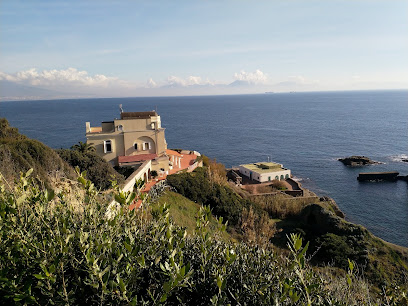
Parco Archeologico del Pausilypon
8.6 km
Discover the ancient splendor of Parco Archeologico del Pausilypon in Naples, where history meets breathtaking coastal beauty.
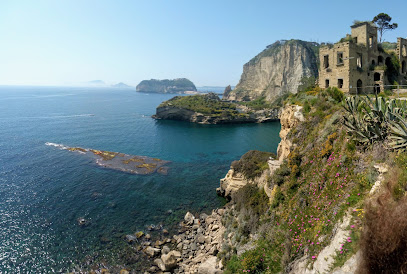
Parco Virgiliano
9.0 km
Experience breathtaking views and tranquil beauty at Parco Virgiliano, a serene park in Naples perfect for relaxation and exploration.
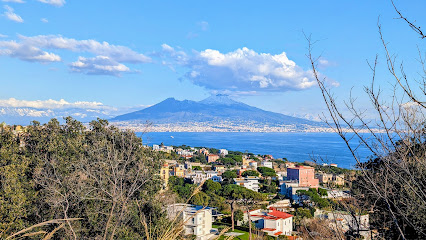
Belvedere occidentale di Posillipo
9.4 km
Discover the stunning vistas of Belvedere Occidentale di Posillipo, a scenic spot in Naples offering breathtaking views of the Bay of Naples and Mount Vesuvius.
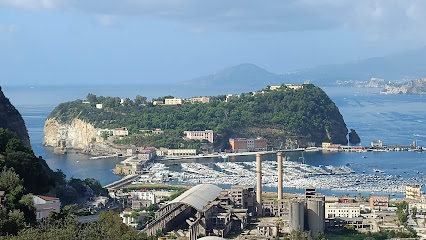
Piazzale Vincenzo Tecchio
9.8 km
Discover the lively Piazzale Vincenzo Tecchio in Naples, a vibrant public square filled with culture, history, and local charm.
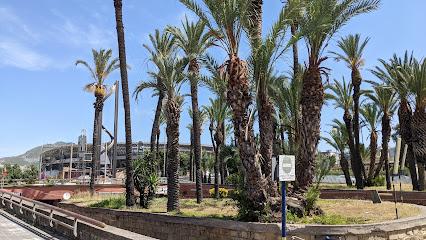
Palazzo degli Spiriti
10.0 km
Explore the Palazzo degli Spiriti in Naples, a historical landmark blending rich heritage with stunning coastal views, perfect for history enthusiasts and tourists.
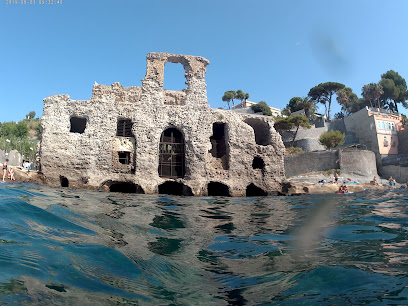
Mausoleo Schilizzi
10.7 km
Explore the serene Mausoleo Schilizzi in Naples, a stunning landmark rich in history and breathtaking architecture, perfect for art lovers and history enthusiasts alike.

Villa Rosebery
10.9 km
Explore Villa Rosebery in Naples, a stunning historical villa surrounded by beautiful gardens and rich Italian heritage.
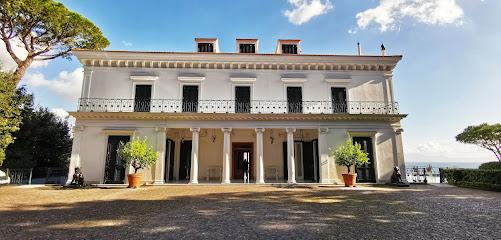
Panoramica Posillipo
10.9 km
Experience the stunning vistas of Naples at Panoramica Posillipo, where the beauty of the Gulf meets the charm of Italy.
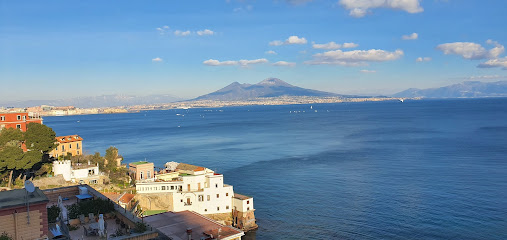
Panorama
11.0 km
Experience Naples like never before at Panorama Observation Deck—an iconic viewpoint offering stunning vistas of the city and beyond.
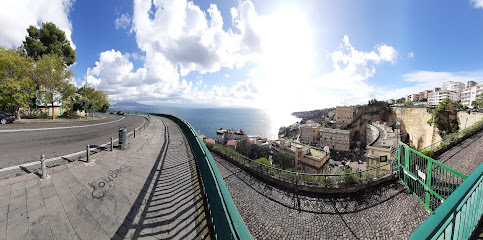
Visit Amalfi Coast
11.5 km
Experience the breathtaking beauty and vibrant culture of the Amalfi Coast, a must-visit Italian destination with charming towns and stunning vistas.
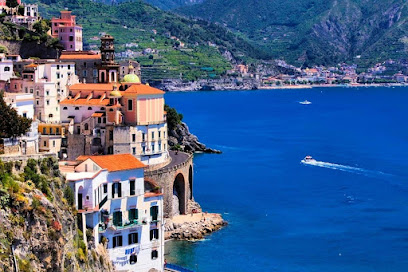
pino di Posillipo
11.6 km
Discover the breathtaking views and serene beauty of Pino di Posillipo, a perfect scenic escape in Naples, Italy.
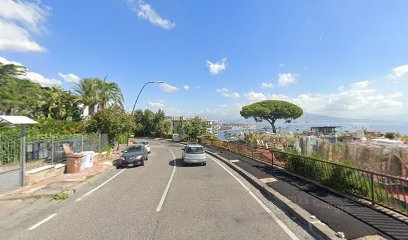
Ponte di Surriento
11.7 km
Explore Ponte di Surriento, a historical landmark in Qualiano, where architectural beauty meets rich cultural heritage in breathtaking surroundings.
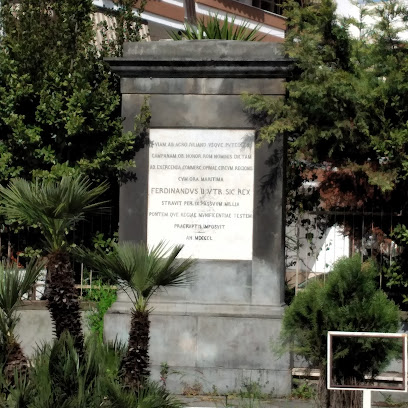
Belvedere di Sant'Antonio a Posillipo
11.8 km
Discover the panoramic beauty of Naples at Belvedere di Sant'Antonio a Posillipo, a must-visit observation deck with stunning views of the Bay and Mount Vesuvius.
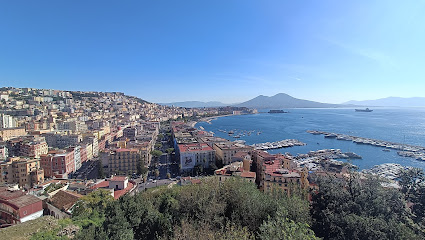
Unmissable attractions to see

Stufe di Nerone
0.8 km
Experience ultimate relaxation at Stufe di Nerone, a historic thermal bath oasis in Bacoli, Italy, surrounded by stunning natural beauty and rich heritage.
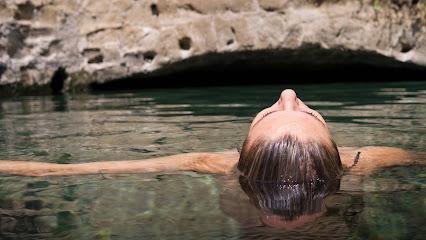
Parco archeologico delle Terme di Baia
0.8 km
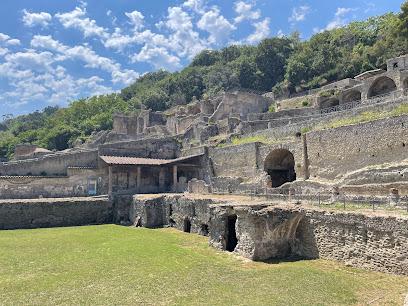
Explore the ancient splendor of Parco Archeologico delle Terme di Baia, where history meets stunning coastal views in the heart of Italy.
Castello Aragonese di Baia
1.1 km
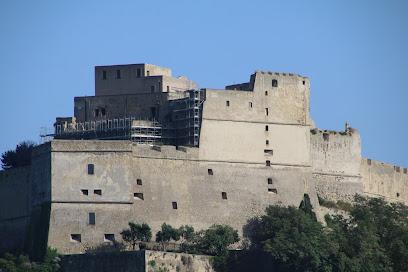
Explore the stunning Castello Aragonese di Baia, a historic castle offering breathtaking views and a glimpse into Italy's rich heritage.
Archaeological Museum of the Phlegrean Fields
1.2 km
Explore the rich history and archaeological treasures of the Phlegrean Fields at this captivating museum in Bacoli, Italy.

Casina Vanvitelliana
1.6 km
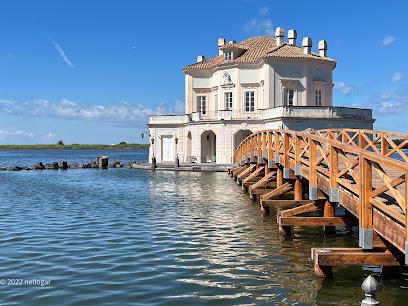
Explore the artistic and historical marvels of Casina Vanvitelliana, a stunning architectural gem surrounded by nature in Bacoli, Naples.
Monte Nuovo volcano Nature Park
1.7 km
Experience the breathtaking landscapes and rich biodiversity of Monte Nuovo Volcano Nature Park, a hidden gem in the heart of Naples.
Lake Avernus
2.0 km
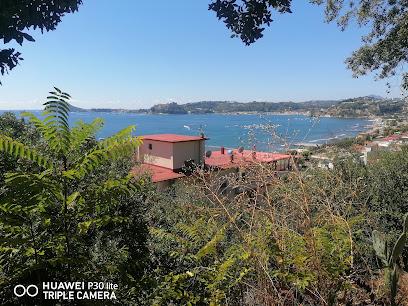
Experience the enchanting allure of Lake Avernus in Pozzuoli, a serene volcanic lake rich in history and natural beauty, perfect for nature lovers.
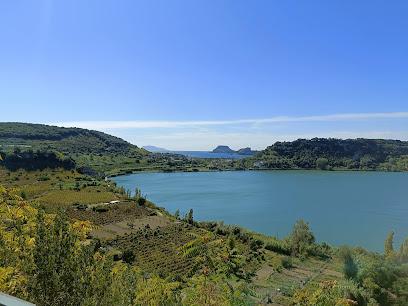
Tomb of Agrippina
2.1 km
Discover the historical significance and stunning architecture of the Tomb of Agrippina in Bacoli, a captivating testament to ancient Rome.
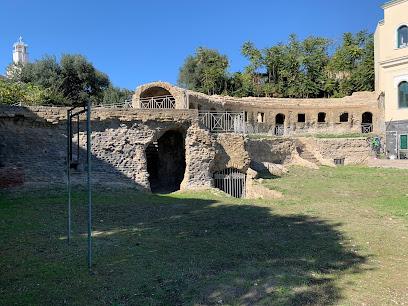
Piscina Mirabilis
2.9 km
Explore the awe-inspiring Piscina Mirabilis, an ancient Roman cistern in Bacoli, Italy, rich in history and architectural wonder.
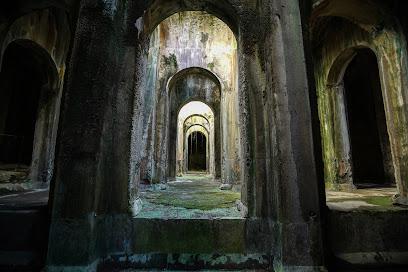
Rione Terra
3.6 km
Explore Rione Terra, a historic district in Pozzuoli, renowned for its ancient ruins, stunning views, and vibrant Italian culture.
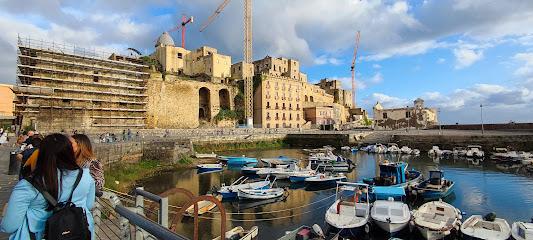
Cuma Archaeological Park
3.6 km
Explore the ancient wonders of Cuma Archaeological Park, a captivating site rich in history and stunning views near Naples.
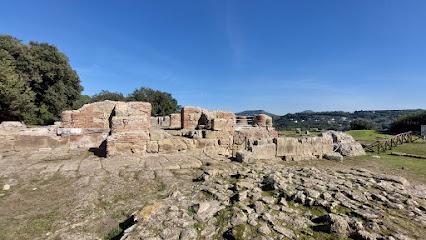
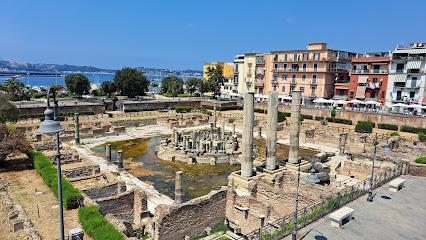
Macellum Temple of Serapis
3.6 km
Explore the Macellum Temple of Serapis in Pozzuoli, a stunning archaeological site revealing the grandeur of ancient Roman trade and architecture.
Essential places to dine

Abraxas Osteria
1.4 km
Experience authentic Italian flavors at Abraxas Osteria in Pozzuoli – where exquisite cuisine meets exceptional wines.
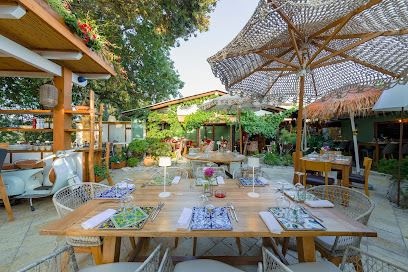
Ristorante Calasole
9.1 km
Experience authentic Italian cuisine at Ristorante Calasole in Naples, where fresh seafood meets breathtaking coastal views.
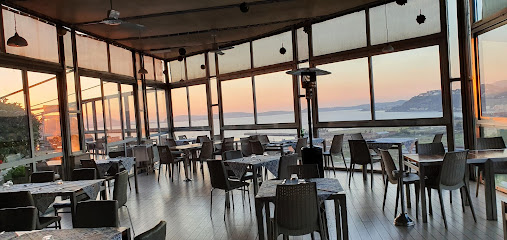
Le Stanze
9.2 km
Discover Le Stanze in Posillipo: A culinary haven serving authentic Neapolitan cuisine amidst stunning views.
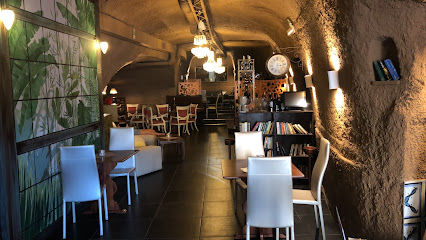
'A Fenestella
10.1 km
Experience authentic Neapolitan cuisine at 'A Fenestella', where seafood delights meet stunning coastal views in Naples.
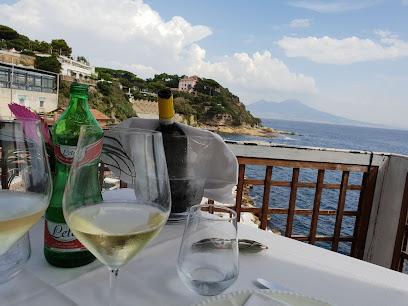
UnPizzicoDi
10.3 km
Experience authentic Neapolitan cuisine at UnPizzicoDi – where every dish tells a story of Italy's rich culinary heritage.
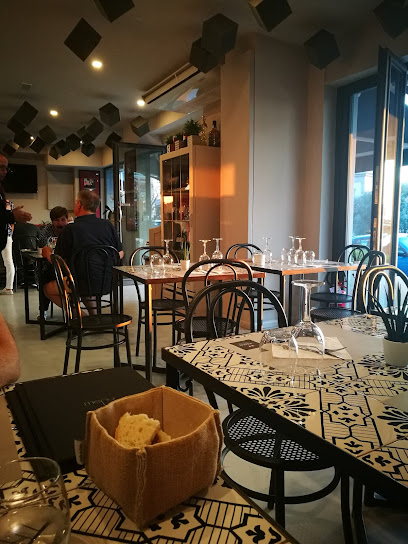
Ristorante Reginella
11.0 km
Experience authentic Mediterranean flavors at Ristorante Reginella in Naples, where fresh seafood meets traditional Italian pizza in a stunning seaside setting.
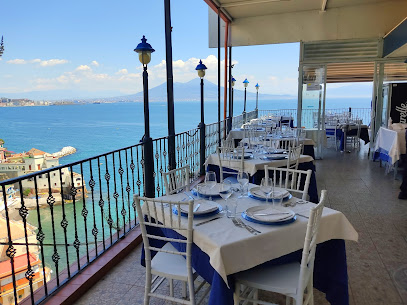
Giuseppone a Mare
11.0 km
Experience authentic Italian seafood cuisine at Giuseppone a Mare in Naples, where fresh ingredients meet stunning coastal views.
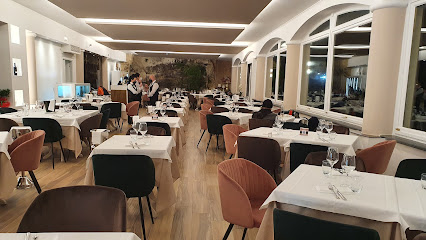
Tufò - Trattoria Gourmet
11.1 km
Experience authentic Italian cuisine at Tufò - Trattoria Gourmet in Naples with stunning views and a warm atmosphere.
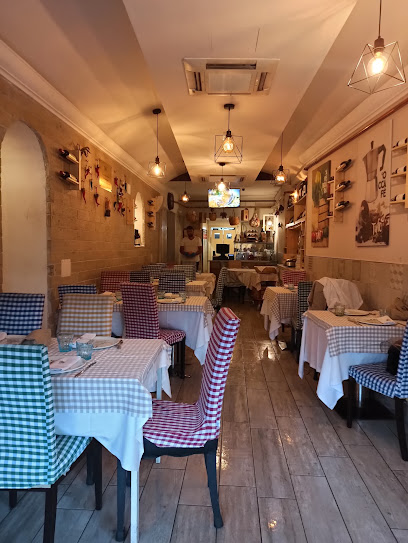
Alicella Ristorante Cruderia
11.3 km
Experience culinary excellence with breathtaking views at Alicella Ristorante Cruderia in Naples – where fresh seafood meets Italian tradition.
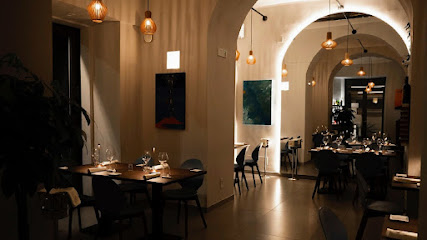
Palazzo Petrucci Ristorante
11.5 km
Experience gourmet Italian cuisine at Palazzo Petrucci Ristorante with stunning views over the Bay of Naples in an elegant fine dining setting.
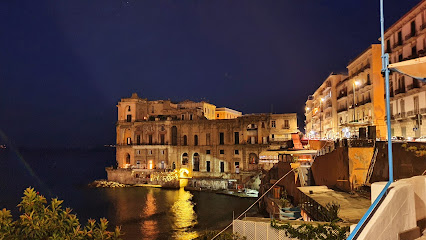
Casa a tre pizzi
11.9 km
Experience authentic Neapolitan flavors at Casa a Tre Pizzi, where stunning bay views meet exquisite dining in Naples.
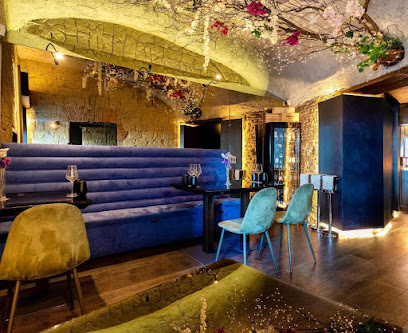
Cibi Cotti
12.3 km
Experience authentic Southern Italian flavors at Cibi Cotti in Naples – where every dish celebrates tradition and freshness.
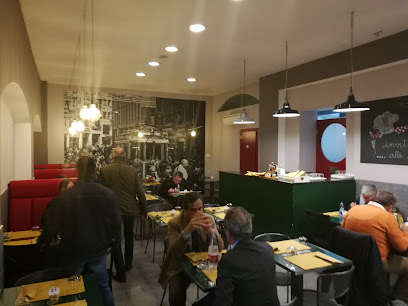
Opera Restaurant
12.9 km
Discover the best organic Southern Italian cuisine at Opera Restaurant in Naples - where every dish tells a story.
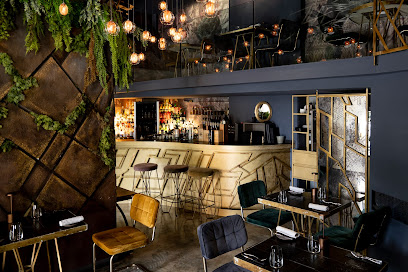
George Restaurant
12.9 km
Experience exquisite fine dining at George Restaurant in Naples - where culinary artistry meets elegance.
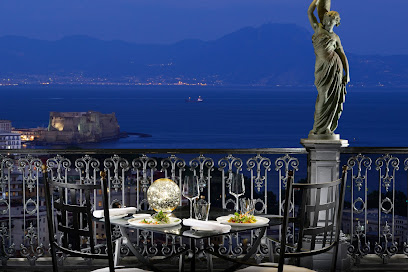
L'Osteria
13.0 km
Discover L'Osteria in Naples for an authentic taste of Italy with exquisite dishes and a warm atmosphere perfect for all occasions.
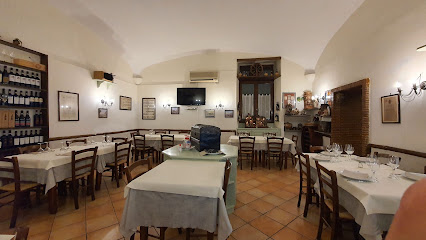
Markets, malls and hidden boutiques

Kenomoa shop
10.4 km
Discover wellness at Kenomoa Shop in Naples, where natural beauty products meet Italian tradition for a rejuvenating experience.
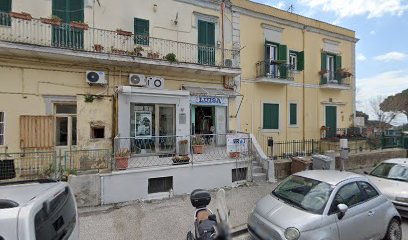
Betty Boup
10.4 km
Explore Betty Boup in Naples, where stylish clothing meets Italian charm—perfect for discerning travelers and fashion lovers alike.

Luxury Commerce SRL
10.6 km
Discover the epitome of Italian fashion at Luxury Commerce SRL in Naples, where elegance meets modern style in a vibrant shopping experience.

Negozio a Posillipo
10.8 km
Discover unique souvenirs and local craftsmanship at Negozio a Posillipo, a must-visit shopping destination in Naples, Italy.
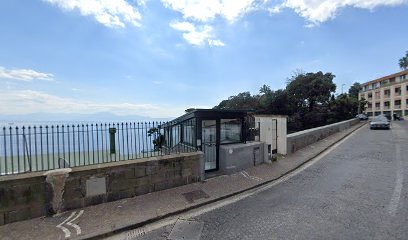
Giuliana Via Posillipo
10.9 km
Discover the elegance of Italian fashion at Giuliana Via Posillipo, a must-visit women's clothing store in Naples, combining style with stunning views.
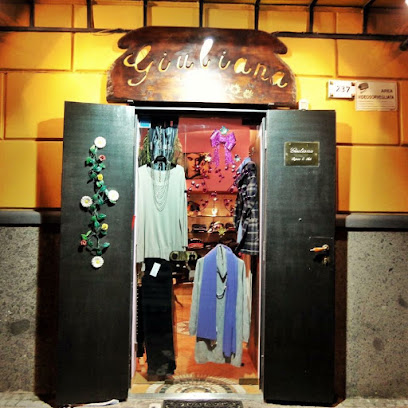
Mundo Anna Maria
10.9 km
Discover authentic Neapolitan crafts and culinary delights at Mundo Anna Maria, a unique store in the picturesque Posillipo area of Naples.
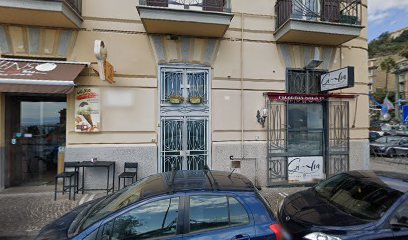
The Blueberry
11.1 km
Explore the latest women's fashion trends at The Blueberry, a chic clothing store in the heart of Naples, Italy, perfect for style-conscious travelers.
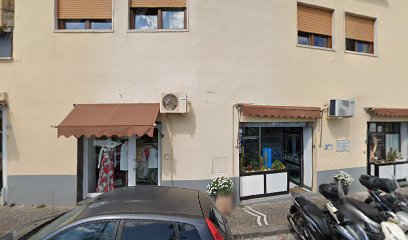
Blessed
11.2 km
Discover the essence of Naples at Blessed Store, where unique local crafts and artisanal treasures await every visitor.

SPAZIO F Showroom
11.2 km
Discover a world of exquisite design at SPAZIO F Showroom, where Naples' artistic heritage meets contemporary elegance.
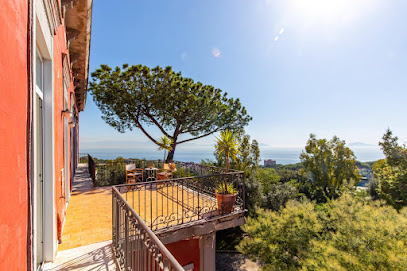
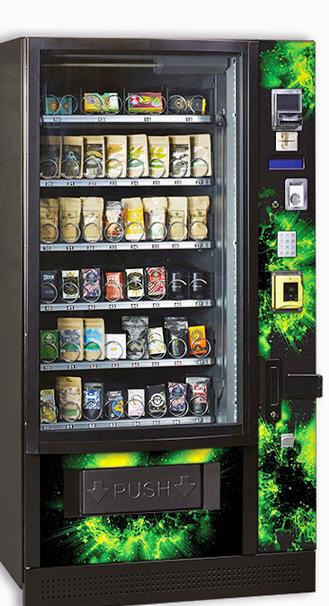
Magic island R&S Posillipo
11.3 km
Explore the vibrant cannabis culture at Magic Island R&S Posillipo, Naples' premier cannabis store offering a unique selection and expert guidance.
Galleria 66 Concept Store
13.0 km
Experience Italian fashion at its finest at Galleria 66 Concept Store in Naples, where style meets elegance in a unique shopping setting.

Le Zirre Napoli
13.4 km
Explore the essence of Italian fashion at Le Zirre Napoli, your go-to boutique for women's clothing and accessories in Naples.

L'Angolo di Provenza
13.4 km
Explore L'Angolo di Provenza, your go-to gift shop in Naples for authentic Italian souvenirs and local handicrafts that embody the spirit of Italy.

Studio Wima Boutique
13.6 km
Discover a stylish haven in Naples at Studio Wima Boutique, where Italian fashion meets personal flair in a beautifully curated shopping experience.
RUSSO BOUTIQUE NAPOLI
13.7 km
Discover Italian craftsmanship at Russo Boutique Napoli, where style meets sophistication in a stunning selection of shoes for every occasion.
Essential bars & hidden hideouts

Lucrezio Cafè
9.1 km
Discover the heart of Naples with exquisite coffee and stunning views at Lucrezio Cafè, your perfect retreat in this vibrant city.
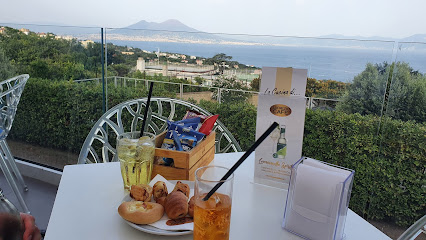
Bar Posillipo
10.3 km
Experience the charm of Bar Posillipo, a scenic bar in Naples offering stunning views and authentic local flavors.
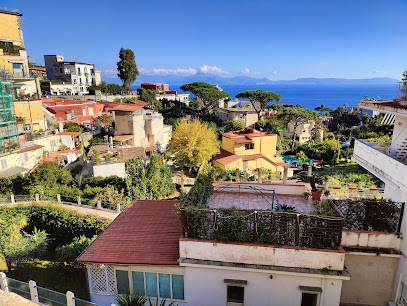
Downstairs Posillipo Lounge
10.4 km
Discover the chic ambiance of Downstairs Posillipo Lounge in Naples, where exquisite drinks meet a sophisticated atmosphere for the perfect night out.
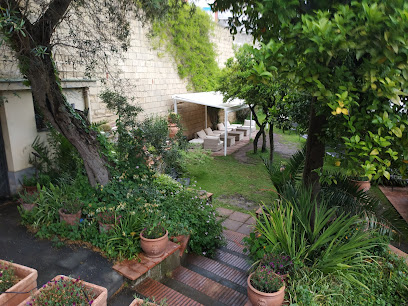
Caffetteria Serpentone
10.8 km
Discover Naples’ vibrant coffee culture at Caffetteria Serpentone, where every sip tells a story of Italian tradition and flavor.
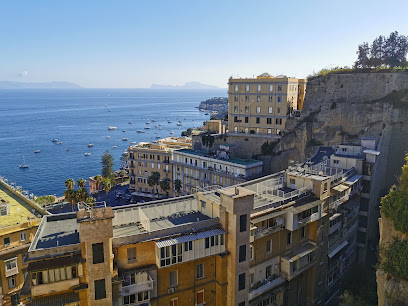
Miranapoli
10.8 km
Experience the vibrant flavors of Naples at Miranapoli, a bar and cafe offering exquisite small plates and a delightful tea selection.
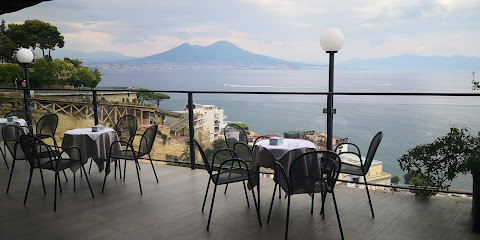
Ke' Bar Manzilli
11.0 km
Experience the heart of Naples at Ke' Bar Manzilli, where local flavors meet a vibrant atmosphere in a cozy café setting.
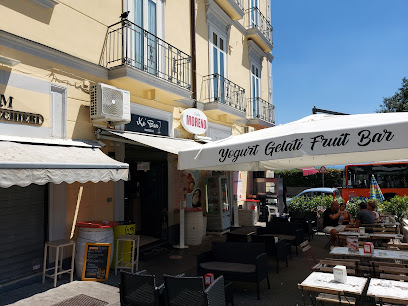
Bar del Mare Posillipo
11.1 km
Discover the flavors of Naples at Bar del Mare Posillipo, where seafood and pizza meet stunning Mediterranean views.
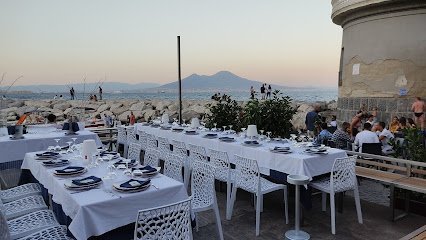
Bar Olimpico
11.2 km
Experience the lively ambiance of Bar Olimpico in Naples, where local culture meets a delightful selection of drinks and snacks.

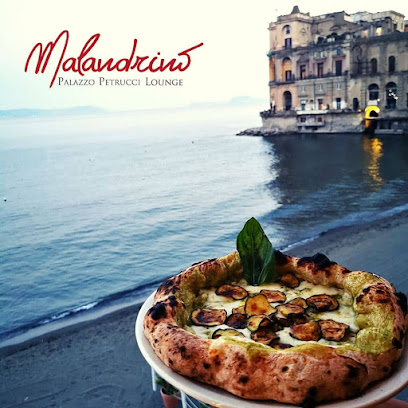
Il Malandrino - Lounge Bar
11.5 km
Discover Il Malandrino in Naples, a cocktail bar that blends elegance with breathtaking views and exquisite drinks for an unforgettable experience.
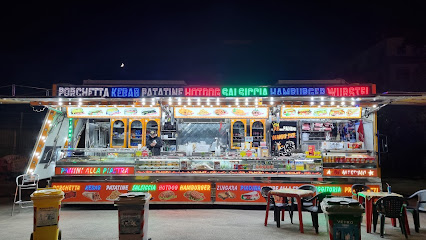
Gianni Pub
11.9 km
Discover the lively ambiance and great drinks at Gianni Pub, a must-visit spot for tourists in Naples.
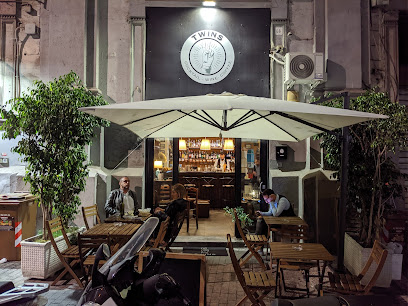
Twins - Cocktail Wine Coffee
12.0 km
Discover the vibrant cocktail culture of Naples at Twins - a chic bar offering innovative drinks in a lively atmosphere.
Riviera Cafè Lounge Music Wine Bar
12.6 km
Experience Naples at the Riviera Cafè Lounge Music Wine Bar, where fine wines, live music, and stunning bay views create an unforgettable atmosphere.
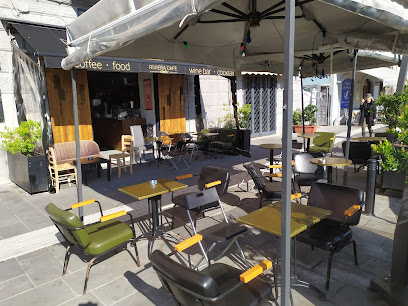
Swig Chiaia
13.1 km
Discover Swig Chiaia, Naples' top cocktail bar, known for its creative drinks and vibrant nightlife, perfect for tourists seeking an unforgettable experience.

The Jungle cocktail & Tapas
13.2 km
Experience the vibrant atmosphere of The Jungle cocktail & tapas bar in Naples, where exotic cocktails meet delicious tapas in a unique setting.

SWIG SHOT BAR - Vomero
13.3 km
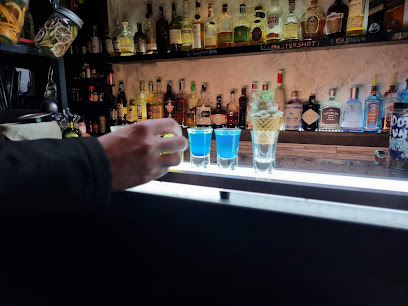
Discover the essence of Naples nightlife at SWIG SHOT BAR - Vomero, where unique cocktails and vibrant atmosphere await.
Nightclubs & after hour spots

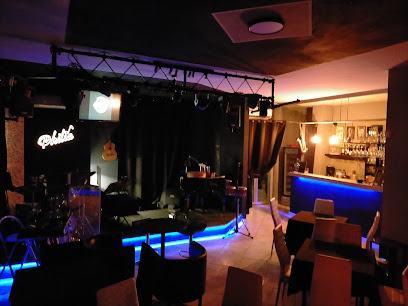
Philia music Club
4.3 km
Discover the essence of nightlife at Philia Music Club in Pozzuoli, where vibrant music and unforgettable experiences await every visitor.
Club Life
7.6 km
Dive into Naples' nightlife at Club Life, where the music is loud and the dance floor is always alive with energy.
Mira Club
7.7 km
Discover the heartbeat of Naples' nightlife at Mira Club, where music, dance, and vibrant energy come together for an unforgettable experience.

Yama Club
8.4 km
Yama Club in Naples: A vibrant disco club offering electrifying nightlife, pulsating music, and unforgettable dance experiences.
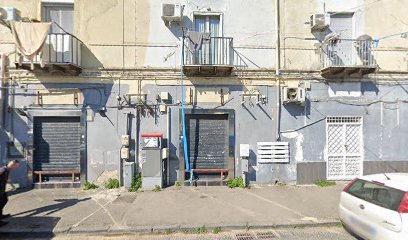
Club Partenopeo Gts
8.4 km
Discover the electrifying nightlife at Club Partenopeo Gts in Naples, where music, dancing, and unforgettable memories await you.

Neasy
8.5 km
Discover the vibrant nightlife at Neasy, Naples' premier night club and lido, where entertainment meets stunning coastal views.
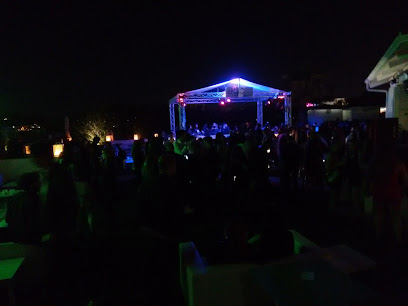
RIVA CLUB
8.5 km
Experience the electrifying nightlife at RIVA CLUB, Naples' premier disco destination offering vibrant music and a lively atmosphere.
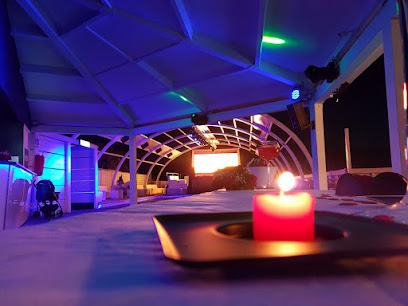
Click club
9.5 km
Discover the pulse of Naples nightlife at Click Club, the ultimate disco destination for unforgettable nights filled with music and dance.

Le Terrazze di Virgilio
9.5 km
Discover the electrifying nightlife at Le Terrazze di Virgilio, Naples' premier club offering stunning views, vibrant music, and unforgettable experiences.
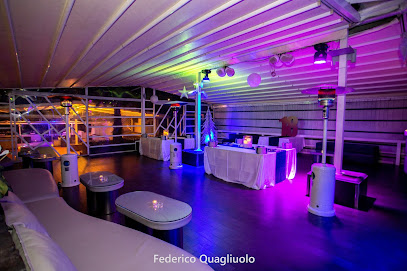
discoteca napoli capodanno
10.8 km
Discover the electrifying nightlife at Discoteca Napoli Capodanno, where unforgettable memories are made amidst vibrant music and stunning views.
Imperial club (Campo di calcio Mellino)
10.9 km
Experience the vibrant nightlife at Imperial Club in Naples, offering electrifying dance, music, and an unforgettable party atmosphere.

Accademia Club
11.3 km
Discover the electrifying nightlife of Naples at Accademia Club, a premier disco venue where music and dance come alive.

Disco Shine
11.5 km
Discover the electrifying nightlife of Naples at Disco Shine, where the music is hot and the atmosphere is vibrant.

Events Club (ex Sly)
11.8 km
Experience Naples' nightlife at Events Club, where electrifying music and vibrant atmosphere create unforgettable nights in the heart of the city.

Buio Essential Club
11.9 km
Immerse yourself in the electrifying nightlife of Giugliano in Campania at Buio Essential Club, where music and energy come alive.