

Pantheon (Rome) Travel Guide - Free
Explore Pantheon in Rome with Evendo's free guide. Find the best shops, historic streets, restaurants, and gems on web or mobile.


Pantheon Rome pairs ancient temples, Baroque piazzas, artisan streets and classic cafés, with Piazza Navona and Campo de’ Fiori close by.
Ancient Centre, Living Neighbourhood
Pantheon is the informal quarter gathered around one of Rome’s most remarkable surviving buildings: the Pantheon, whose vast concrete dome and oculus have dominated the urban landscape for almost two millennia. The surrounding streets belong broadly to the historic centre’s old Campus Martius, where monumental churches, narrow lanes, cafés and busy squares overlap in a compact, highly walkable area between Piazza Navona, Largo di Torre Argentina and the Trevi district. The boundaries are not sharply defined, so local character changes subtly from one street to the next.Read more about Pantheon
Piazzas, Churches and Everyday Rome
Cafés, Food and Wandering
Best attractions in Pantheon
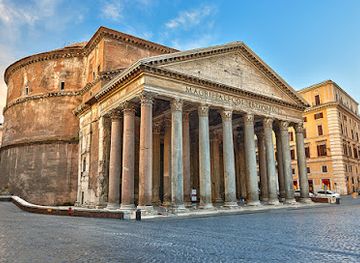
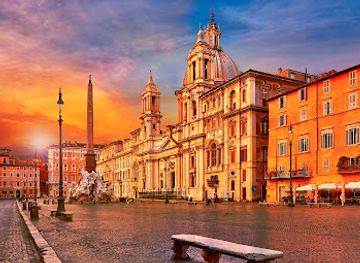
The Pantheon itself is the neighbourhood’s defining attraction, with its immense dome, central oculus and remarkably preserved interior offering a direct encounter with Roman engineering and later Christian use. Outside, Piazza della Rotonda provides the best setting for understanding the monument’s scale, while the nearby Piazza della Minerva leads to Santa Maria sopra Minerva, one of Rome’s most distinctive Gothic churches, and Bernini’s small elephant-and-obelisk sculpture. Sant’Ivo alla Sapienza, visible through its courtyard when access permits, is a celebrated Baroque work by Francesco Borromini. The lanes around Sant’Eustachio, Via del Pantheon and Piazza Capranica reward unhurried exploration of ancient fragments, Renaissance façades and busy cafés. Piazza Navona and Campo de’ Fiori lie just beyond the informal quarter and can be reached easily on foot, but are better understood as neighbouring areas rather than part of Pantheon itself.
-
Tourist attraction
Temple of Hadrian
Discover the breathtaking Temple of Hadrian in Rome, an architectural marvel that showcases the grandeur of ancient Roman civilization.
3 min walk · 0.2 km from neighbourhood centre
-
Fountain
Obelisco del Pantheon
Explore the stunning Obelisco del Pantheon, a historical fountain in Rome that embodies the city's ancient charm and vibrant atmosphere.
1 min walk · 0.1 km from neighbourhood centre
-
Fountain of the Moro | Roma
Discover the beauty and artistry of the Fountain of the Moro in Rome's historic Piazza Navona, a timeless symbol of Baroque elegance and culture.
-
Tourist attraction
Piazza Colonna
Discover the historical allure of Piazza Colonna in Rome, home to the iconic Column of Marcus Aurelius and a vibrant atmosphere for tourists.
4 min walk · 0.3 km from neighbourhood centre


Best landmarks in Pantheon
The Pantheon is the central landmark, recognised by its granite Corinthian columns, ancient portico and vast domed rotunda, whose survival gives the surrounding streets an unusually direct architectural link to imperial Rome. Its conversion into Santa Maria ad Martyres explains why the building remains part of Rome’s religious life. Nearby Santa Maria sopra Minerva is notable for its Gothic interior, the richly decorated Carafa Chapel and Bernini’s elephant supporting an Egyptian obelisk outside. The church of Sant’Ignazio di Loyola, on the quarter’s eastern edge, is known for its painted illusionistic ceiling and belongs to the wider historic-centre setting rather than the Pantheon square itself. Sant’Ivo alla Sapienza, with Borromini’s inventive façade and spiral lantern, represents the Baroque institutional architecture that developed around the ancient core. Ancient columns, reused stones and palace façades complete the neighbourhood’s layered streetscape.
-
Historical landmark
Pantheon
Discover the Pantheon in Rome: A breathtaking architectural marvel steeped in ancient history and vibrant culture, a must-see for every traveler.
1 min walk · 0.1 km from neighbourhood centre
-
Plaza
Piazza Navona
Discover the beauty and vibrant culture of Piazza Navona, a stunning historical plaza in the heart of Rome, where art and history come alive.
4 min walk · 0.3 km from neighbourhood centre
-
Tourist attraction
Neptune Fountain
Discover the enchanting Neptune Fountain in Rome's historic Piazza Navona, a masterpiece of art and a symbol of the Eternal City's beauty.
4 min walk · 0.3 km from neighbourhood centre
-
Fountain
Obelisco del Pantheon
Explore the Obelisco del Pantheon, an iconic historical landmark in Rome that embodies the city's rich cultural heritage and architectural beauty.
1 min walk · 0.1 km from neighbourhood centre


Explore Pantheon on the map
A handpicked selection of must-see spots in Pantheon, mapped for you.
Best hotels in Pantheon
Best restaurants in Pantheon
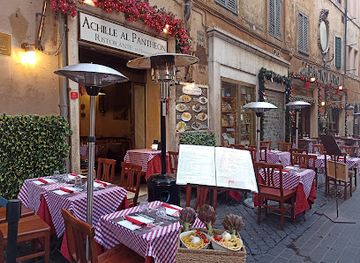
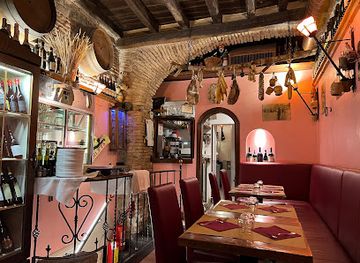
Dining around the Pantheon ranges from historic Roman trattorias and pizzerias to espresso bars, gelaterie and restaurants designed for the heavy visitor circulation around Piazza della Rotonda. The most characteristic local dishes belong to Roman cooking: pasta such as carbonara, cacio e pepe and amatriciana, along with fried appetisers, artichokes in season and thin Roman-style pizza. Streets towards Via della Maddalena, Sant’Eustachio and Campo Marzio contain a mixture of established eateries and more tourist-facing places, so menus and service styles vary considerably. Armando al Pantheon is a long-established name associated with traditional Roman cooking near the monument, while Tazza d’Oro and Sant’Eustachio Il Caffè are well-known stops for coffee close to the Pantheon. Food shops and bakeries are less concentrated than the restaurants, but the surrounding lanes still provide opportunities to compare everyday Roman snacks with formal dining.
-
Italian
Achille Al Pantheon di Habana
Experience authentic Italian flavors at Achille Al Pantheon di Habana – where tradition meets taste in the heart of Rome.
1 min walk · 0.1 km from neighbourhood centre
-
Italian
Hostaria de' Pastini
Indulge in authentic Italian cuisine at Hostaria de' Pastini in Rome – where every dish tells a story.
1 min walk · 0.1 km from neighbourhood centre
-
Italian
Taverna del Seminario
Discover Taverna del Seminario: A charming Italian restaurant in Rome offering exquisite pizza and traditional Roman dishes at affordable prices.
1 min walk · 0.1 km from neighbourhood centre
-
Restaurant
Ristorante Trattoria Antonio al Pantheon
Experience authentic Roman cuisine at Ristorante Trattoria Antonio al Pantheon, where tradition meets flavor in the heart of Rome.
1 min walk · 0.1 km from neighbourhood centre


Best bars in Pantheon
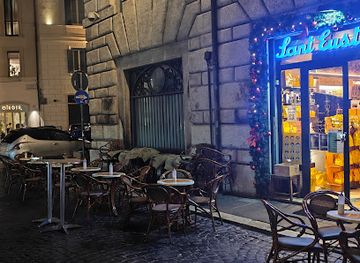
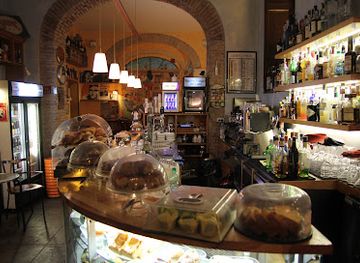
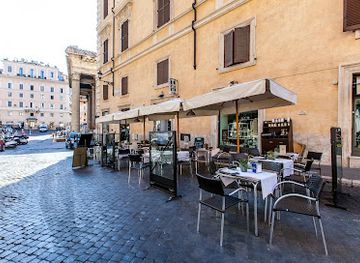
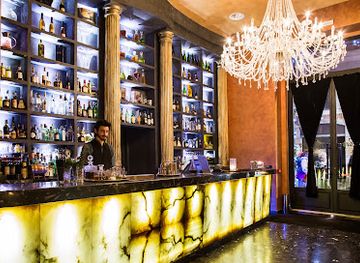
Pantheon is not primarily a nightclub district, and its evening character is shaped more by wine bars, aperitivo tables, restaurants and cafés than by large late-night venues. Piazza della Rotonda remains active after dark, when the illuminated Pantheon creates a dramatic setting, although the square can be crowded and highly commercial. The streets towards Piazza Navona, Via della Pace and Campo de’ Fiori offer a broader choice of bars and evening meeting places, but these areas are adjacent rather than strictly within the Pantheon quarter. Nightlife tends to be social and conversational, with visitors moving between small venues rather than following a single club corridor. The historic fabric carries sound, so considerate volume is important near residential doorways and religious buildings, especially when returning late through the narrow lanes.
-
Bar
La Botticella of Poggi Giovanni
Discover La Botticella of Poggi Giovanni, an enchanting bar and wine bar in Rome offering exquisite wines and a warm atmosphere for every traveler.
5 min walk · 0.4 km from neighbourhood centre
-
Bar
Ginger - Pantheon
Discover the vibrant flavors of Italy at Ginger - Pantheon, a health-focused bistro offering fresh dishes and a cozy atmosphere in the heart of Rome.
2 min walk · 0.1 km from neighbourhood centre
-
Bar
L'Emporio alla Pace
Experience the charm of Roman hospitality at L'Emporio alla Pace, a cozy bar offering delightful drinks and a vibrant atmosphere.
6 min walk · 0.5 km from neighbourhood centre
-
Bar
Bistrot al Pantheon Di Rienzo
Experience authentic Italian dining at Bistrot al Pantheon, a charming bistro near Rome's historic Pantheon, serving delicious meals and vibrant drinks.
1 min walk · 0.1 km from neighbourhood centre

Best nightclubs in Pantheon
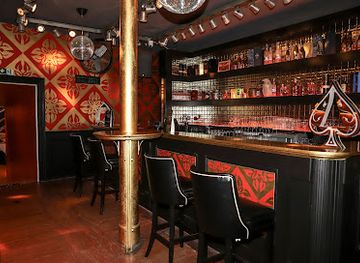
Pantheon is not primarily a nightclub district, and its evening character is shaped more by wine bars, aperitivo tables, restaurants and cafés than by large late-night venues. Piazza della Rotonda remains active after dark, when the illuminated Pantheon creates a dramatic setting, although the square can be crowded and highly commercial. The streets towards Piazza Navona, Via della Pace and Campo de’ Fiori offer a broader choice of bars and evening meeting places, but these areas are adjacent rather than strictly within the Pantheon quarter. Nightlife tends to be social and conversational, with visitors moving between small venues rather than following a single club corridor. The historic fabric carries sound, so considerate volume is important near residential doorways and religious buildings, especially when returning late through the narrow lanes.
-
Disco club
Sharivari
Experience the vibrant nightlife of Rome at Sharivari, where music, dancing, and cocktails come together in a stylish atmosphere.
2 min walk · 0.2 km from neighbourhood centre
-
Night club
NUR BAR
Discover the pulsating nightlife of Rome at NUR Bar, where cocktails, live music, and vibrant energy unite for an unforgettable evening.
3 min walk · 0.3 km from neighbourhood centre
-
Night club
La Cabala
La Cabala: Experience the vibrant nightlife of Rome in a stylish disco club that promises unforgettable nights filled with dance and music.
6 min walk · 0.5 km from neighbourhood centre
-
Night club
OHM Club
Discover the electrifying nightlife at OHM Club, a premier night club in Rome, where music and dance create unforgettable moments.
6 min walk · 0.5 km from neighbourhood centre

Best shops in Pantheon
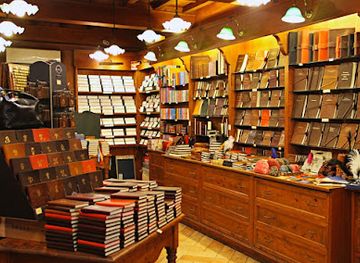
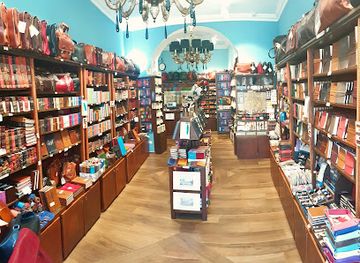
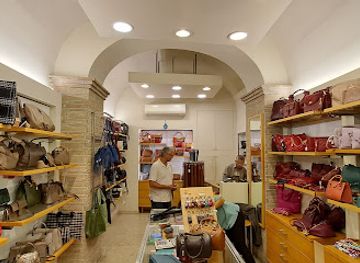
Shopping in Pantheon is concentrated in small specialist businesses rather than a single traditional market. The lanes around Via della Maddalena, Via del Pantheon, Via dei Cestari and Via di Sant’Eustachio contain leather goods, religious objects, stationery, books, souvenirs and food-focused shops, while independent cafés and gelaterie are part of the area’s everyday commercial life. Many businesses cater to visitors, but the quarter’s long history as a central Roman district means that practical retailers and established family-run premises also appear among the tourist-oriented storefronts. For a wider market experience, Campo de’ Fiori is nearby, though it belongs to its own adjoining area and its character changes markedly between daytime trading and evening dining. The Pantheon streets are most rewarding for browsing architectural details and smaller specialist shops rather than expecting a large contemporary shopping centre or extensive fashion district.
-
Handicraft
Manufactus Made in Italy
Explore the essence of Italian craftsmanship at Manufactus, where unique handicrafts and stationery await in the heart of Rome.
1 min walk · 0.1 km from neighbourhood centre
-
Handicraft
Manufactus Made In Italy
Discover exquisite Italian handicrafts and unique stationery at Manufactus Made In Italy, a charming gift shop in the heart of Rome.
1 min walk · 0.1 km from neighbourhood centre
-
Leather goods store
Volterra Leather shop pantheon
Explore Volterra Leather Shop in Rome for handcrafted bags, wallets, and accessories showcasing authentic Italian craftsmanship.
1 min walk · 0.1 km from neighbourhood centre
-
Men's clothing store
George's uomo
Discover timeless Italian fashion at George's Uomo, a premier men's clothing store near the iconic Pantheon in Rome.
1 min walk · 0.1 km from neighbourhood centre

Pantheon essentials
Getting There
Getting Around
Safety
Emergency Situations
Do's and Don'ts
Local Tips

From Eve
Local phrases worth knowing
You don't need to get them perfect. A few words go a long way, and locals appreciate the effort.
Basics
| English | Local | Say it |
|---|---|---|
| Hello | Ciao | [Chow] |
| Goodbye | Arrivederci | [Ah-ree-veh-dehr-chee] |
| Yes | Sì | [See] |
| No | No | [No] |
| Please/You're welcome | Per favore/Prego | [Pear fah-voh-reh/Preh-goh] |
| Thank you | Grazie | [Grah-tsee-eh] |
| Excuse me/Sorry | Mi scusi/Scusa | [Mee skoo-zee/Skoo-zah] |
| How are you? | Come stai? | [Koh-meh stah-ee] |
| Fine. And you? | Bene. E tu? | [Beh-neh. Eh too?] |
| Do you speak English? | Parli inglese? | [Pahr-lee een-gleh-zeh] |
| I don't understand | Non capisco | [Non kah-pee-skoh] |
Eating & Drinking
| English | Local | Say it |
|---|---|---|
| I'd like to see the menu, please | Vorrei vedere il menu, per favore | [Vohr-eh-ee veh-deh-reh eel meh-noo, pair fah-voh-reh] |
| I don't eat meat | Non mangio carne | [Non man-joh car-neh] |
| Cheers! | Salute! | [Sah-loo-teh] |
| I would like to pay, please | Vorrei pagare, per favore | [Vohr-eh-ee pah-gah-reh, pair fah-voh-reh] |
Emergencies
| English | Local | Say it |
|---|---|---|
| Help! | Aiuto! | [Ah-yoo-toh] |
| Go away! | Vai via! | [Vah-ee vee-ah] |
| Call the Police! | Chiama la polizia! | [Kya-mah lah poh-lee-tsee-ah] |
| Call a doctor! | Chiama un dottore! | [Kya-mah oon doh-toh-reh] |
| I'm lost | Mi sono perso/a | [Mee soh-no pehr-soh/ah] |
| I'm ill | Sto male | [Stoh mah-leh] |
Shopping
| English | Local | Say it |
|---|---|---|
| I'd like to buy... | Vorrei comprare... | [Vohr-eh-ee kohm-prah-reh] |
| I'm just looking | Sto solo guardando | [Stoh soh-loh gwar-dahn-doh] |
| How much is it? | Quanto costa? | [Kwan-toh koh-stah] |
| That's too expensive | È troppo caro | [Eh troh-poh kah-roh] |
| Can you lower the price? | Puoi abbassare il prezzo? | [Pwoh-ee ahb-bah-sah-reh eel preh-tsoh] |
Time & Numbers
| English | Local | Say it |
|---|---|---|
| What time is it? | Che ore sono? | [Keh oh-reh soh-no] |
| It's one o'clock | È l'una | [Eh loo-nah] |
| Half past (10) | Sono le dieci e mezza | [Soh-no leh dee-eh-chee eh meh-tzah] |
| Morning | Mattina | [Maht-tee-nah] |
| Afternoon | Pomeriggio | [Poh-meh-ree-joh] |
| Evening | Sera | [Seh-rah] |
| Yesterday | Ieri | [Yeh-ree] |
| Today | Oggi | [Oh-jee] |
| Tomorrow | Domani | [Doh-mah-nee] |
| 1 | Uno | [Oo-no] |
| 2 | Due | [Dweh] |
| 3 | Tre | [Treh] |
| 4 | Quattro | [Kwaht-troh] |
| 5 | Cinque | [Cheen-kweh] |
| 6 | Sei | [Say] |
| 7 | Sette | [Set-teh] |
| 8 | Otto | [Oht-toh] |
| 9 | Nove | [Noh-veh] |
| 10 | Dieci | [Dee-eh-chee] |
Transport & Directions
| English | Local | Say it |
|---|---|---|
| Where's a/the...? | Dov'è...? | [Doh-veh] |
| What's the address? | Qual è l'indirizzo? | [Kwahl eh leen-dee-ree-tsoh] |
| Can you show me (on the map)? | Puoi mostrarmi (sulla mappa)? | [Pwoh-ee mohs-trar-mee (sool-lah mahp-pah)] |
| When's the next (bus)? | Quando è il prossimo (autobus)? | [Kwan-doh eh eel prohs-shee-moh (ow-toh-boos)] |
| A ticket (to ....) | Un biglietto (per ....) | [Oon bee-lyet-toh (pair)] |
History of Pantheon
The Campus Martius Landscape
The area around today’s Pantheon formed part of the Campus Martius, a low-lying zone outside Rome’s oldest civic core that gradually filled with temples, public buildings and porticoes during the Republic and Empire. The Pantheon occupies a particularly significant position within this ancient landscape, although the precise purpose and meaning of its original form remain debated. Its name is commonly associated with all the gods, but scholars continue to discuss the building’s religious and political functions. Flooding, changing river courses and later construction shaped the district’s development, while major Roman monuments established the dense concentration of sacred and civic architecture that still distinguishes the centre.
Hadrian’s Pantheon Rebuilt
The building now known as the Pantheon was rebuilt under the emperor Hadrian in the early second century, probably around AD 125, after earlier structures on the site had been damaged or destroyed by fire. Its enormous unreinforced concrete dome, carefully graded to reduce weight, became one of antiquity’s most influential architectural achievements. The portico bears the name of Marcus Agrippa, whose earlier Pantheon had stood in the same general location. Unlike many ancient Roman buildings, the structure survived in unusually complete form, helping the surrounding quarter retain a direct and visible connection with imperial Rome.
From Temple to Christian Church
In AD 609 the Pantheon was consecrated as the church of Santa Maria ad Martyres, a transformation that helped protect the building through the medieval period. The surrounding Campus Martius became a dense urban district of churches, houses, workshops and narrow routes rather than an open imperial complex. Medieval Rome reused ancient columns, masonry and foundations extensively, so the local streets developed through continual adaptation. The church’s continued religious function also preserved the interior and ensured that the ancient monument remained part of the city’s living ritual landscape rather than becoming solely an archaeological relic.
Renaissance and Baroque Urban Life
From the Renaissance onwards, the quarter was reshaped by papal Rome, whose churches, palaces and institutional buildings filled the spaces between ancient remains. The Pantheon became a celebrated architectural reference for artists and architects, while nearby projects created the Baroque character associated with Piazza della Rotonda, Piazza della Minerva and Sant’Ivo alla Sapienza. Streets were improved and monumental viewpoints developed, but the area remained mixed in use, combining religious institutions, residences, workshops, inns and food businesses. This combination of grand façades and ordinary urban activity remains one of the neighbourhood’s defining qualities.
The Modern Historic Centre
After Rome became the capital of unified Italy in 1871, the Pantheon district was absorbed into a modern national capital while retaining its medieval and early modern street pattern. Government buildings, cultural institutions and improved urban services altered the surrounding city, but large-scale redevelopment did not erase the ancient core. During the twentieth century, the neighbourhood became increasingly associated with heritage tourism, cafés and specialist retail, alongside long-established religious and civic uses. Today its identity reflects both preservation and intense visitor pressure: the Pantheon remains a functioning church and major monument within a lived historic quarter rather than an isolated archaeological site.
Pantheon in Photos
Browse through our photo collection highlighting the charm and character of the destination.
Neighbourhoods near Pantheon
The closest neighbourhoods to Pantheon, if you have time for more than one stop.
-

-
-

-

-


Swipe for more neighbourhoods
Explore more

Explore more of Rome
Rome, Italy blends ancient ruins, Renaissance art, grand piazzas and lively neighbourhoods, offering unforgettable history, culture and sightseeing.
Explore Rome