Sant' Eustachio Caffè, Rome Travel Guide
Free Guide: Rome's legendary espresso destination since 1938, where tradition, fair-trade excellence, and timeless elegance meet in every perfectly crafted cup.


A brief summary of Sant' Eustachio Caffè
Rome's legendary espresso destination since 1938, where tradition, fair-trade excellence, and timeless elegance meet in every perfectly crafted cup.
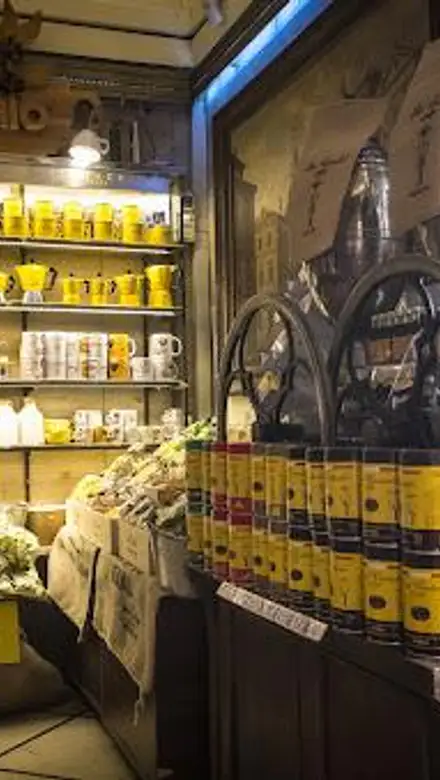
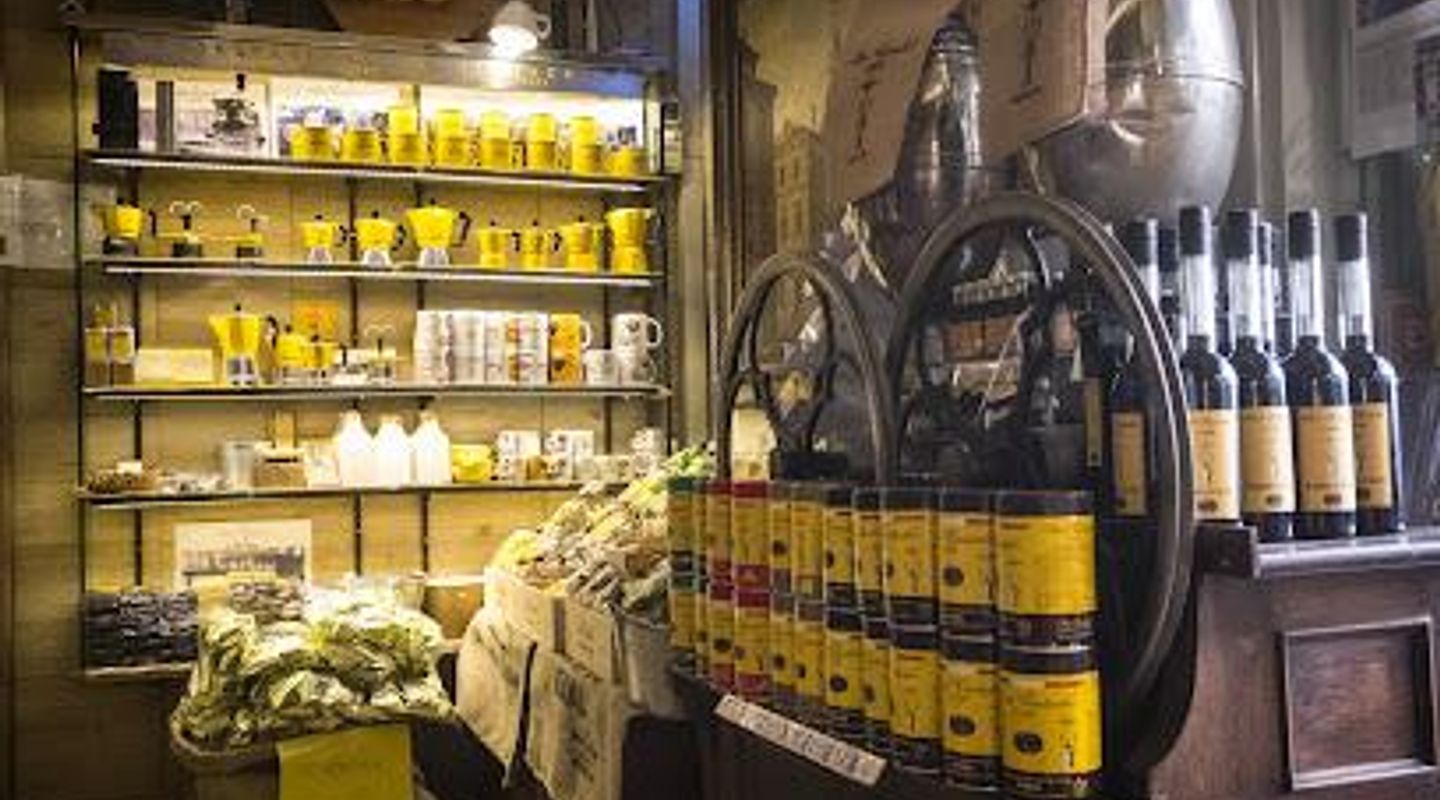
Rome's most iconic espresso bar, Sant'Eustachio Il Caffè has been serving exceptional coffee since 1938 in Piazza Sant'Eustachio, between the Pantheon and Piazza Navona. Famous for its signature crema and 100% Arabica blend sourced from fair-trade cooperatives, this historic café retains its original 1938 design with curved white masonry walls and vintage furnishings. A destination for locals and visitors seeking authentic Italian coffee culture and timeless Roman elegance.
On-site amenities
 Restrooms
 Drink options
 Food options
 Seating areas
 Sheltered areas
 Information boards
Opening hours
- Mon7:30 am–12 am
- Tue7:30 am–12 am
- Wed7:30 am–12 am
- Thu7:30 am–12 am
- Fri7:30 am–12 am
- Sat7:30 am–1 am
- Sun7:30 am–12 am
Opening hours as listed on the venue’s Google Business Profile. Hours can change for services and special events, so check with the venue before you go.
- Address
- Piazza di S. Eustachio, 82, 00186 Roma RM
- Phone
- Website
Getting there
Walking
Public Transport
Taxi/Rideshare
Bicycle
Discover more about Sant' Eustachio Caffè
A Living Institution Since 1938
Sant'Eustachio Il Caffè occupies a space in the heart of Rome's historic centro storico that has served coffee since the early 1800s, originally as 'Caffè e Latte' (Coffee and Milk). The café was formally established in 1938, coinciding with a period when espresso bars became essential social spaces in Italian cities. Located in Piazza Sant'Eustachio between the Pantheon and Piazza Navona, the venue quickly became a gathering place for Rome's cultural elite—actors, politicians, intellectuals, and government officials—drawn by both its exceptional coffee and its strikingly modern design. The café's position near Palazzo Madama (the seat of the Senate), the first university, and numerous theatres and cinemas cemented its status as the heart of the city's intellectual and political life.
Innovative Design and Timeless Atmosphere
When Sant'Eustachio opened, its architecture was revolutionary. While most Roman bars of the era featured wooden interiors, Sant'Eustachio introduced curved white masonry walls and innovative furnishings that made it a trendy destination for those seeking to see and be seen. The café's iconic bright yellow branding and its logo—a stag with a cross between its antlers—became instantly recognizable symbols throughout Rome. Today, the venue functions as a time capsule, preserving its original 1938 design with meticulous care. Black-and-white photographs of decades past line the walls, evoking nostalgia and connecting visitors to Rome's cultural heritage. Even the menu remains unchanged from 1938, with staff politely declining requests for items outside the traditional offerings. This commitment to preservation is intentional: the old-fashioned atmosphere is considered integral to the café's soul and legacy.
The Art and Science of Coffee Excellence
What distinguishes Sant'Eustachio from countless other Roman cafés is its unwavering dedication to coffee quality. In 1948, the café began roasting its own beans, establishing control over every stage of production. When brothers Raimondo and Roberto Ricci assumed ownership in 1999, they elevated this commitment further by establishing direct relationships with small cooperatives across South America. The café's blend consists entirely of 100% Arabica beans, ethically sourced from fair-trade cooperatives in Brazil, Guatemala, the Dominican Republic, Ethiopia, and the islands of St. Helena and the Galápagos. Once imported to Italy, the beans undergo a gentle wood-fire roasting process designed to preserve their natural sweetness and complexity. The resulting blend remains a carefully guarded secret, though it is celebrated for its perfect balance of strength, aroma, and flavour. The café's signature creation, the 'Gran Caffè,' is served in a slightly larger cup than standard espresso, pre-sweetened and topped with the café's legendary crema—a thick, silky layer of foam created through skilled technique that has sparked decades of speculation about its composition.
Sustainability and Fair Trade Commitment
Beyond serving exceptional coffee, Sant'Eustachio has become a champion of ethical sourcing and sustainability. Since 1998, the Ricci brothers have travelled throughout South America to identify the finest coffee sources and build relationships with cooperative farmers. In 2008, they began donating a portion of sales to Coopfam, a fair-trade cooperative in Minas Gerais, Brazil, founded on the principle that improved working conditions and environmental practices elevate both product quality and the lives of farming families. The café's blend is primarily FLO-certified fair-trade coffee, reflecting a philosophy that quality and ethics are inseparable. This commitment extends to the café's packaged products, which include organic and fair-trade coffee beans, pods, capsules, and branded merchandise available for purchase both in-house and through their online shop.
The Legend of Sant'Eustachio
The café's name carries profound historical and spiritual significance. According to legend, a Roman general named Placidus served Emperor Trajan until a transformative hunting experience changed his life forever. While pursuing a stag, Placidus witnessed a vision of a crucifix miraculously suspended between the animal's antlers. This mystical encounter prompted his immediate conversion to Christianity, leading him to change his name to Eustace (Greek: 'well standing, stable, steadfast'). When Eustace later refused to participate in pagan sacrifices, Emperor Hadrian condemned him, his wife, and his sons to death by lions. Miraculously, the lions refused to attack, stopping dead before the family. Eustace lived out his remaining years in the church that now stands directly across the street from the café, which was once his home. This legend of transformation, faith, and divine protection infuses the café's identity and connects it to centuries of Roman spiritual and cultural history.
The Roman Coffee Experience
Visiting Sant'Eustachio is more than a transaction; it is an immersion in authentic Italian coffee culture. The café operates on traditional Roman principles: customers first pay at the cashier on the right side of the entrance, then present their receipt at the bar to receive their order. While a few tables occupy the piazza outside, most Romans stand at the bar—a practice that costs less and embodies the social ritual of the morning espresso. The café's menu includes all standard Italian coffee drinks: espresso, cappuccino, latte macchiato, and specialty beverages. Coffee at Sant'Eustachio is sweetened by default, though customers can request it without sugar when ordering. The friendly staff, the bustling energy of the bar, and the opportunity to mingle with locals and fellow coffee enthusiasts create an atmosphere that transports visitors to a bygone era while remaining vibrantly alive. For Romans and travellers alike, Sant'Eustachio represents not merely a place to consume caffeine, but a destination where history, craftsmanship, and community converge in every cup.
Evendo Review Centre
 Google
Guest reviews
Best time to go
Quietest: Jan, Feb & Nov · before 6am or from 11pm
Busy times are Evendo estimates for a typical year, to help you plan. Actual crowds vary with events, school holidays and the weather.
Explore Sant' Eustachio Caffè on the map
A handpicked selection of must-see spots near Sant' Eustachio Caffè, mapped for you.
Get your free copy of our complete guide to Sant' Eustachio Caffè, delivered straight to you.
Everything on this page, from opening hours and how to get there to Eve’s tips and the best time to go, in one PDF you can read offline, print or share.
Already have an account? Sign in
Your Sant' Eustachio Caffè guide is ready.
We'll send it to · Not you? Sign out

Getting your guide ready…
We are putting together a fresh copy of the Sant' Eustachio Caffè guide. This can take up to a minute.
This can take a few moments. If your browser asks, choose Allow so the download can start. You'll find the guide in your Downloads folder.
Nothing happened? Download it again
Sorry, the guide is taking longer than usual. Please try again in a minute, or get it by email instead.
Other nearby places you may find interesting
The closest places of the same kind, if this one is not quite what you had in mind.
-
La Fata Ignorante - Rooftop Restaurant & Bar Experience authentic Italian flavors while enjoying stunning views at La Fata Ignorante rooftop restaurant in Rome.
-
Unique Al Palatino Garden Restaurant Experience authentic Italian and Mediterranean flavors in a serene garden setting at Unique Al Palatino Restaurant in Rome.
-
Aroma Experience fine Italian dining at Aroma with stunning views of the Colosseum – a perfect blend of gourmet cuisine and historic ambiance.
-
 Ambrosia Rooftop Restaurant & Bar
Experience exquisite Italian flavors and breathtaking views at Ambrosia Rooftop Restaurant & Bar in Rome.
Ambrosia Rooftop Restaurant & Bar
Experience exquisite Italian flavors and breathtaking views at Ambrosia Rooftop Restaurant & Bar in Rome.
-
Taverna dei migliori Experience authentic Italian cuisine at Taverna dei Migliori in Rome – where tradition meets taste.
Swipe for more places
More to explore near Sant' Eustachio Caffè

 Best experiences near Sant' Eustachio Caffè
 Best hotels near Sant' Eustachio Caffè
 Best bars near Sant' Eustachio Caffè
Do you manage this location?
Take control to get all the benefits, like improved information, better appearance, and stronger visibility across AI-powered discovery.
Explore more

Explore more of Rome
Discover the timeless beauty of Rome, Italy's capital, where ancient history, stunning architecture, and vibrant culture create an unforgettable experience.
Explore Rome
Explore more of Italy
Discover Italy: A land of ancient history, artistic marvels, and culinary delights; where every corner reveals a new story and every meal is a celebration.
Explore Italy