Pedro Plains: Jamaica's Agricultural Heart
Discover Pedro Plains: Jamaica's fertile heartland, offering scenic beauty, rich agricultural heritage, and a tranquil escape.
Pedro Plains, nestled in southern St. Elizabeth, Jamaica, is a sprawling lowland renowned as the island's 'breadbasket'. This fertile region boasts a rich agricultural heritage, scenic landscapes, and a tranquil escape from bustling tourist areas.
A brief summary to Pedro Plains
- JM
Local tips
- Visit local farms to sample fresh produce and learn about traditional Jamaican farming techniques.
- Explore nearby Treasure Beach for a relaxing day on its unique dark sand shores.
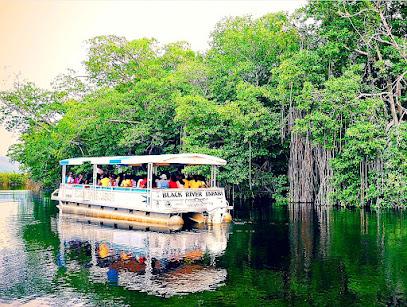
- Take a boat tour on the Black River to see crocodiles and other wildlife in their natural habitat.

Getting There
-
Driving
From Black River, take the A2 road east towards Treasure Beach. Pedro Plains is located inland, north of Treasure Beach. Look for local roads leading into the plains. Driving is the most convenient way to explore the area, allowing you to visit various farms and scenic viewpoints. Car rentals are available in major towns like Black River. Parking is generally available at farms and local attractions.
-
Taxi
Taxis are available in Black River and Treasure Beach. Negotiate the fare before starting your journey. A taxi ride from Black River to Pedro Plains will cost approximately JMD 2,000 - JMD 3,000, depending on the distance and your negotiation skills. This is a convenient option if you prefer not to drive yourself.
Discover more about Pedro Plains
Iconic landmarks you can’t miss

Pedro Plains
0.0 km
Discover Pedro Plains: Jamaica's fertile heartland, offering scenic beauty, rich agricultural heritage, and a tranquil escape.
Jamadda
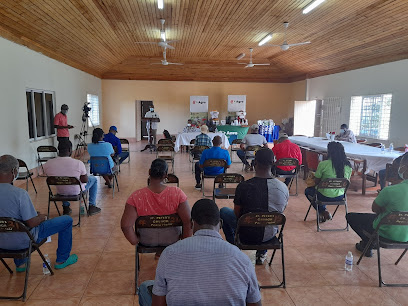
2.8 km
Experience glamping in Treasure Beach: Nature, culture, and relaxation in a unique Jamaican villa setting.

Treasure Tours On Jamaica's South Coast
4.1 km
Explore Jamaica's South Coast with Treasure Tours, offering personalized adventures and a deep dive into local culture and stunning landscapes.
Black spring point
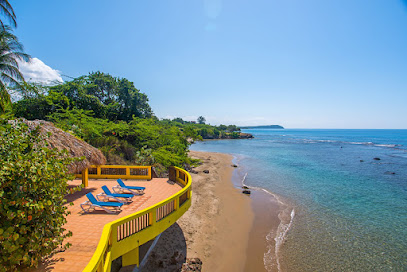
4.1 km
Discover Black Spring Point in Treasure Beach: a serene escape with breathtaking ocean views, dramatic cliffs, and lush greenery for ultimate relaxation.
Bramble Beach Villa
4.5 km
Experience authentic Jamaican charm at Bramble Beach Villa in Treasure Beach, a serene escape near Billy's Bay with modern comfort and rustic appeal.
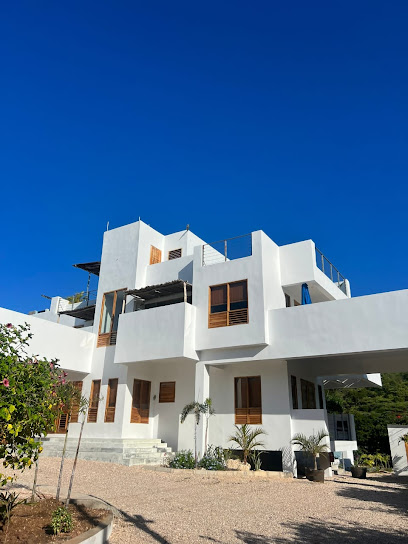
Irie Rest Guest House
4.5 km
Experience authentic Jamaican hospitality in a tranquil setting at Irie Rest Guest House, your home away from home in Treasure Beach.
Butterfly Hill Villa Treasure Beach Jamaica
4.5 km
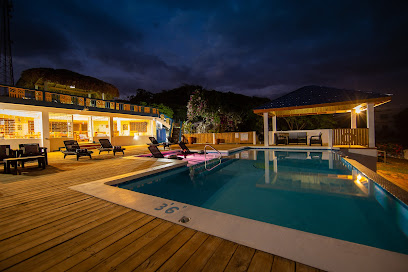
Escape to Butterfly Hill Villa in Treasure Beach: Relax by the infinity pool, enjoy stunning views, and experience authentic Jamaican hospitality.
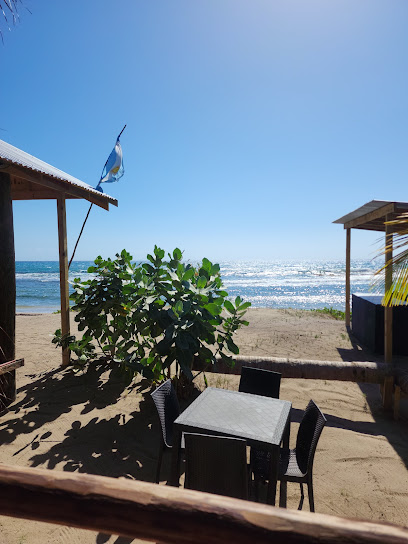
Ki's on di Beach
4.7 km
Experience vibrant Jamaican flavors at Ki's on di Beach, a coastal grill offering stunning views and delicious local cuisine in Treasure Beach.
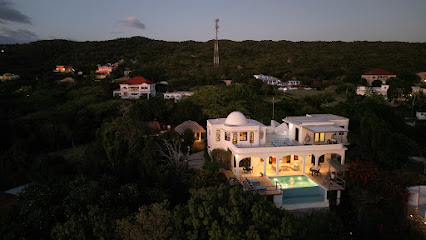
Destiny Villa
4.7 km
Experience beachfront luxury at Destiny Villa in Treasure Beach: private pools, stunning views, and dedicated staff await your unforgettable Jamaican escape.
Treasured Gem Hideaway
4.8 km
Discover a serene Jamaican retreat at Treasured Gem Hideaway in Treasure Beach, offering tranquility, culture, and natural beauty.
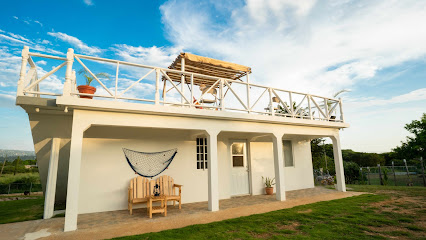
Sparkling Waters Villas
5.0 km
Experience tranquil beachfront living at Sparkling Waters Villas in Treasure Beach, Jamaica. Private pools, stunning views, and authentic island charm await.
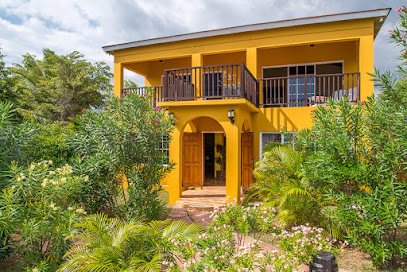
Moringa Ingadi Village
5.2 km
Experience tranquility at Moringa Ingadi Village in Treasure Beach, Jamaica. Relax in nature and explore the authentic charm of the South Coast.
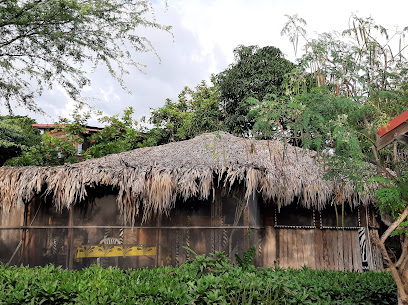
Heartist Creative Retreat
5.2 km
Discover your creative spirit at Heartist Creative Retreat in Treasure Beach, Jamaica. A haven for artists seeking inspiration and community.
Hold A Vibz Cafe
5.4 km
Fresh salads, juices, and smoothies in a relaxed, vegan-friendly cafe on the main road in Treasure Beach, Jamaica. Cash only.
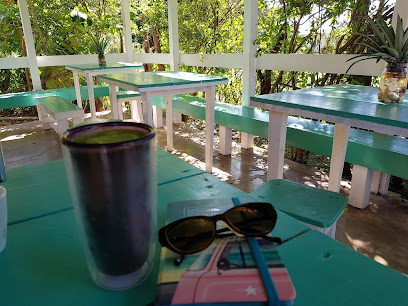
Treasure Beach Inn and Bar
5.5 km
Experience Jamaican hospitality at Treasure Beach Inn: cozy rooms, local flavors, and stunning Caribbean views in a tranquil setting.
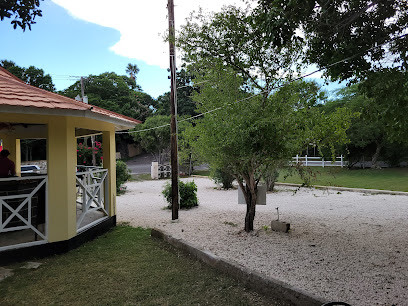
Unmissable attractions to see

Ajwa Retreat Jamaica
5.7 km
Discover serenity and adventure at Ajwa Retreat Jamaica, a hidden gem in Kingston surrounded by breathtaking landscapes and warm hospitality.
Back Seaside
5.7 km
Explore the picturesque trails of Back Seaside in Treasure Beach, Jamaica, where stunning views and natural beauty await every visitor.
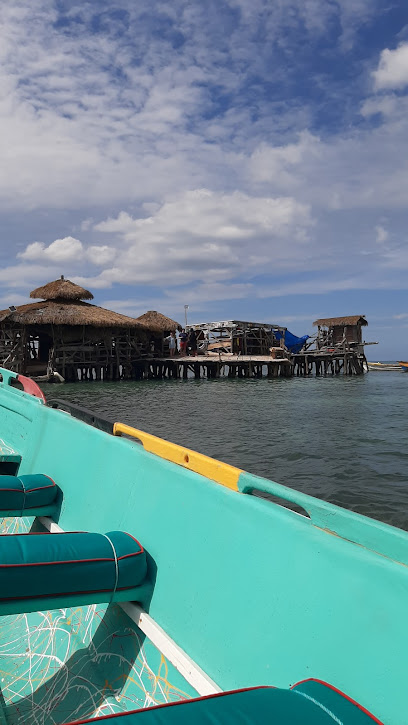
Captain Dennis Boat Tours
5.9 km
Explore the stunning coastal beauty of Treasure Beach with Captain Dennis Boat Tours, offering personalized aquatic adventures and local culinary delights.
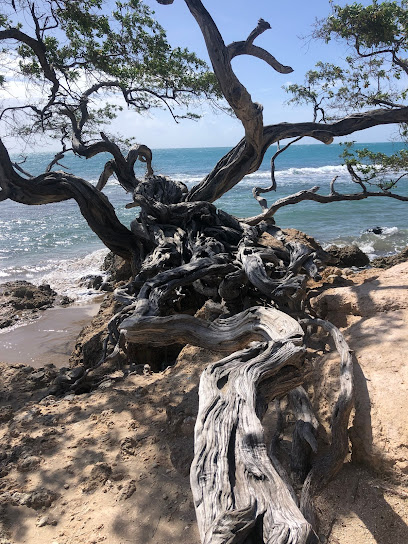
Magic Tree Treasure Beach
6.0 km
Experience the serene beauty of Magic Tree at Treasure Beach, a must-visit natural wonder in Jamaica that captivates with its enchanting landscapes.
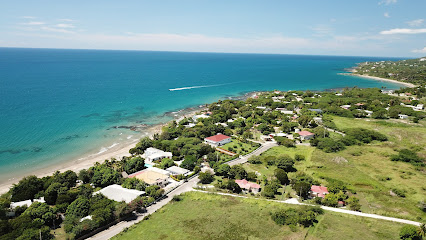
Treasure Beach Jamaica
6.6 km
Experience the tranquil beauty and cultural richness of Treasure Beach, Jamaica – a hidden paradise perfect for a serene getaway.
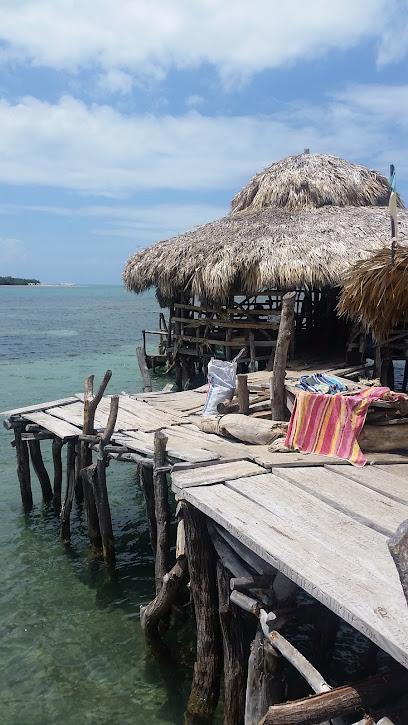
Floyd's Pelican Bar
6.6 km
Experience the vibrant culture and breathtaking views at Floyd's Pelican Bar, where fresh seafood meets Caribbean charm.
Cashaw Park Estate
6.6 km
Discover the tranquil beauty of Cashaw Park Estate in Treasure Beach, a serene haven for nature lovers and relaxation seekers.
Treasure Beach DMO
6.7 km
Explore the beauty and culture of Treasure Beach, Jamaica's serene coastal paradise, where relaxation meets adventure in a welcoming community.
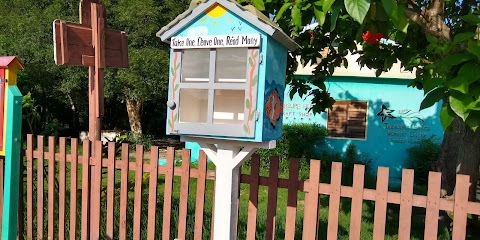
Treasure Beach Womens Group
6.9 km
Experience the vibrant culture and community spirit at the Treasure Beach Women's Group, where local craftsmanship and culinary delights await.
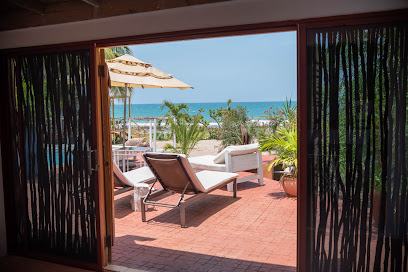
Lashings Beach Club
6.9 km
Experience the charm of Lashings Beach Club in Treasure Beach, Jamaica - a resort hotel that offers relaxation, local cuisine, and vibrant entertainment.
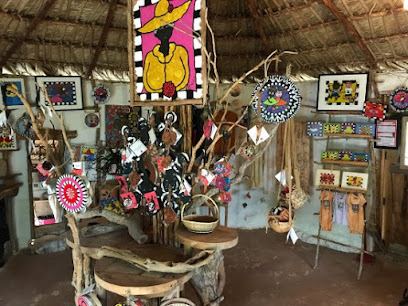
The Mud Palace Gallery
7.0 km
Explore the artistic expression of Jamaica at The Mud Palace Gallery in Treasure Beach, a cultural gem showcasing local talent and creativity.
Old Wharf Beach
7.3 km
Experience tranquility at Old Wharf Beach, a serene haven in Treasure Beach, ideal for sunbathing, swimming, and enjoying breathtaking sunsets.
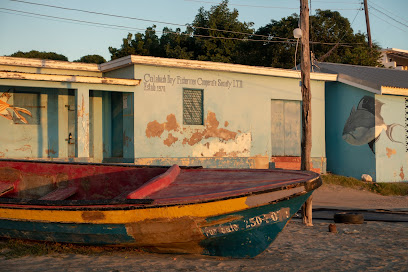
Deano's Cafè: Pelican bar tour offered here
8.0 km
Experience authentic Jamaican cuisine at Deano's Café, the gateway to Pelican Bar, with stunning views and a warm local atmosphere.
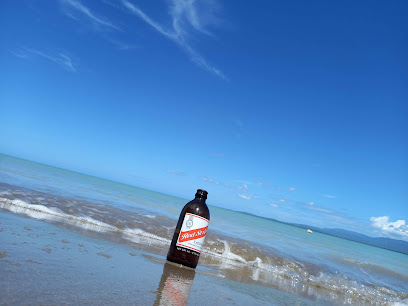
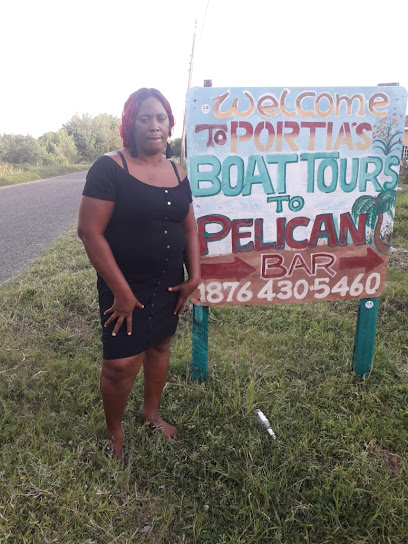
Pelican Bar Portia boat tours
8.1 km
Experience the laid-back charm of Pelican Bar in Jamaica, where fresh seafood meets stunning ocean views and vibrant local culture.
J. Charles Swaby's Black River Safari
12.0 km
Discover Jamaica's rich wildlife and natural beauty with a thrilling boat tour at J. Charles Swaby's Black River Safari, a must-visit attraction.
Essential places to dine

The Dumplin Shop
4.4 km
Discover authentic Jamaican cuisine at The Dumplin Shop – a delightful restaurant specializing in fresh and flavorful dumplings.
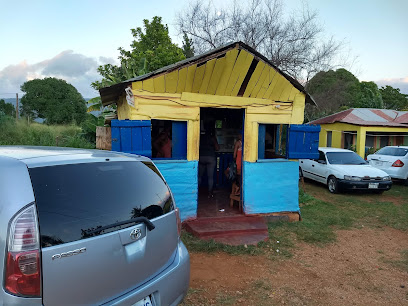
77 West Boutique Hotel & Restaurant
4.4 km
Discover breathtaking ocean views and exquisite cuisine at 77 West Boutique Hotel & Restaurant in Treasure Beach.
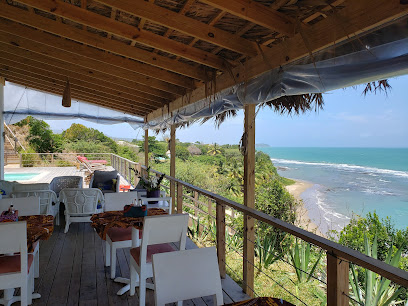
Joseph's Hideaway Restaurant Bar and Villa
5.2 km
Discover culinary bliss at Joseph's Hideaway Restaurant Bar and Villa in Treasure Beach—where local flavors meet stunning views.
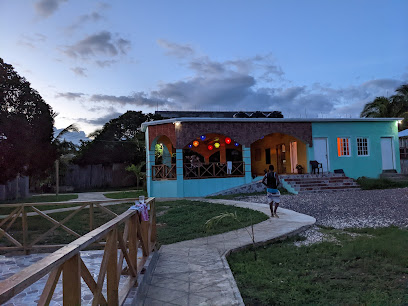
Restaurant Carole
5.5 km
Experience authentic Jamaican cuisine at Restaurant Carole in Beacon – where every dish tells a story.
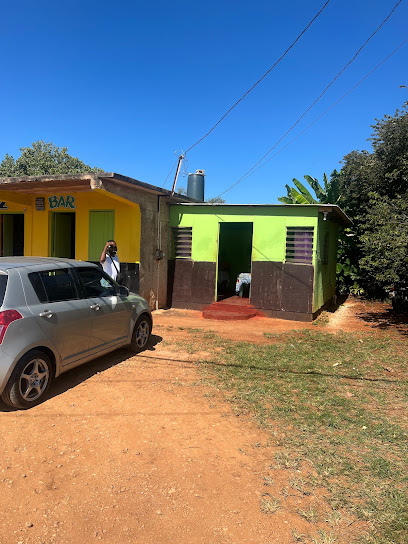
Kim's Restaurant
5.7 km
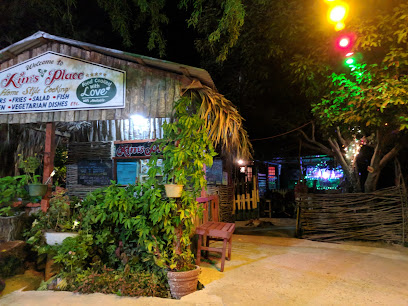
Experience authentic Jamaican cuisine at Kim's Restaurant in Treasure Beach - where flavors meet island hospitality.
H
5.7 km
Experience authentic Jamaican cuisine at Bluntas in Treasure Beach—where fresh ingredients meet vibrant flavors.
Nice and Easy
5.7 km
Experience authentic Jamaican flavors at Nice and Easy in Treasure Beach - where every meal tells a story.
Simmer Lounge & Restaurant
5.8 km
Experience authentic Jamaican cuisine at Simmer Lounge & Restaurant in Treasure Beach - where every dish tells a story.
Lion Rock
5.9 km
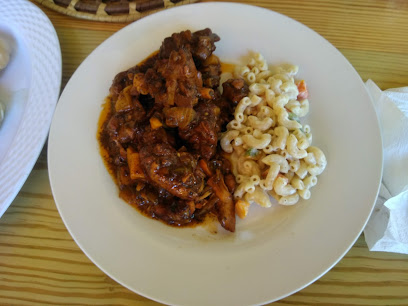
Discover authentic Jamaican flavors at Lion Rock in Treasure Beach - where delicious grilled dishes meet stunning coastal views.
Mellow Yellow
5.9 km
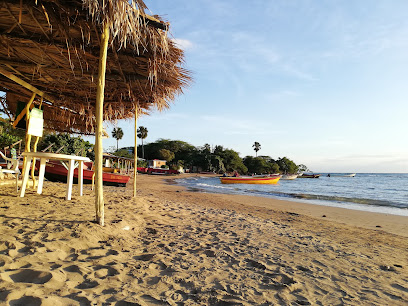
Experience authentic Italian-Jamaican fusion at Mellow Yellow in Treasure Beach, where every dish tells a story.
Lashings Treetop Bar and Grill
6.0 km
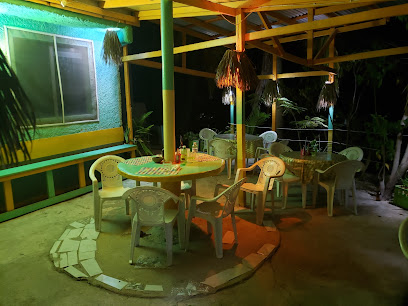
Discover Lashings Treetop Bar and Grill in Treasure Beach: where exquisite cuisine meets breathtaking views in a tropical paradise.
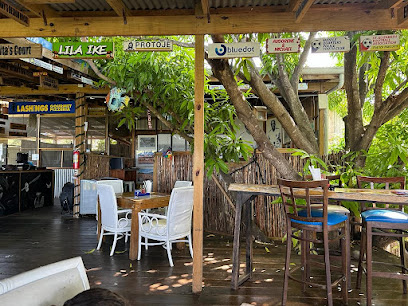
Frenchmen
6.1 km
Discover authentic Jamaican flavors at Frenchmen in Treasure Beach – where every dish tells a story.
Pan A Knock Restaurant
6.3 km
Discover exquisite flavors at Pan A Knock Restaurant in Calabash Bay, where culinary creativity meets authentic Jamaican cuisine.
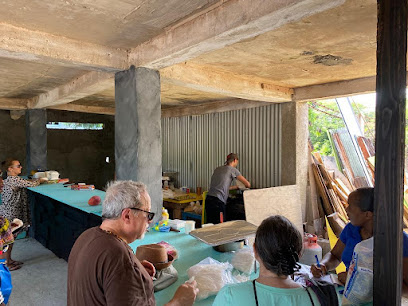
V&J Authentic Cuisine
6.4 km
Experience authentic Jamaican flavors at V&J Authentic Cuisine in beautiful Treasure Beach, where every meal tells a story.
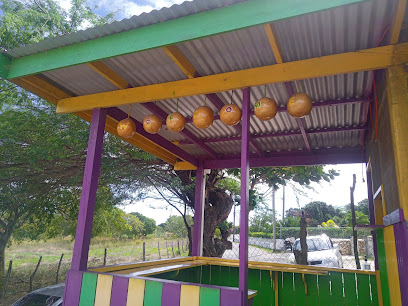
Family Tree Restaurant
6.6 km
Experience authentic Jamaican cuisine at Family Tree Restaurant in beautiful Mountainside – where delicious flavors meet warm hospitality.
Markets, malls and hidden boutiques

Whipped By Neila
1.7 km
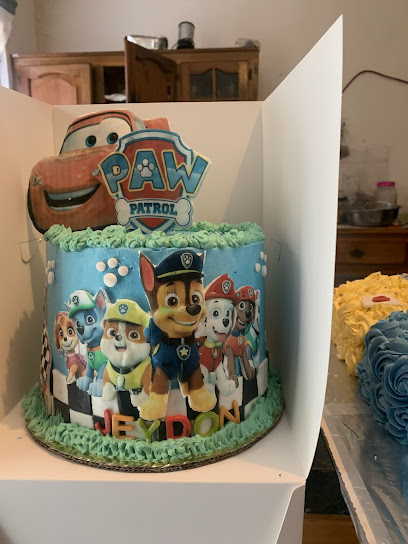
Discover the sweet symphony of flavors at Whipped By Neila, a delightful pastry shop in the heart of Black River, Jamaica.
Amelia McIntyre
2.5 km
Explore Amelia McIntyre in Watchwell for unique home goods and local crafts that embody the spirit of Jamaica.
Banks Clothing
2.5 km
Explore Banks Clothing in Watchwell District for stylish apparel that captures the vibrant essence of local fashion.
The Ice Cream Shoppe
3.3 km
Discover a world of flavors at The Ice Cream Shoppe in Watchwell, where every scoop is a taste of paradise.
Bamboo Valley Fruits, Veggies & More
3.3 km
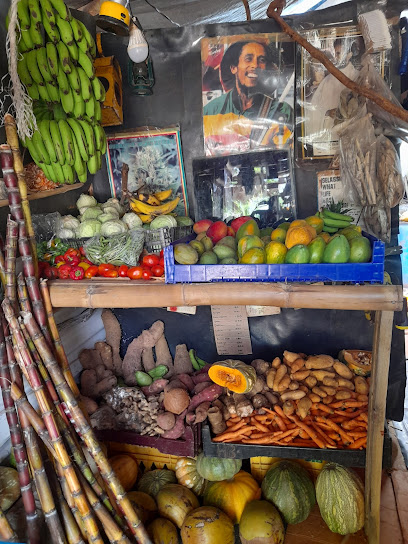
Explore the vibrant flavors of Jamaica at Bamboo Valley Fruits, Veggies & More, your go-to destination for fresh produce and local delights.
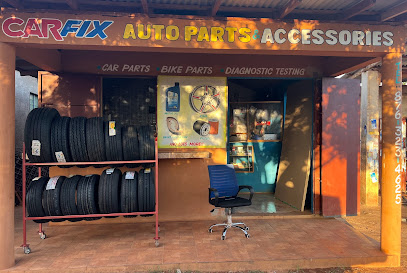
Carfix Auto parts and Accessories
4.7 km
Explore Treasure Beach with confidence by visiting Carfix Auto Parts and Accessories for all your automotive needs, ensuring a smooth journey through Jamaica's stunning landscapes.
Sonia Wholesale &Retail
5.2 km
Discover local Jamaican flavors and essentials at Sonia Wholesale & Retail, your friendly neighborhood grocery store in Beacon.
L+B mini mart
5.3 km
Explore the vibrant local culture at L+B Mini Mart in Treasure Beach, offering fresh produce, local snacks, and a warm Jamaican welcome.
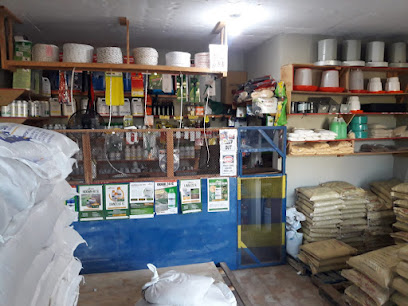
PHASE ONE FARMSTORE
5.6 km
Experience authentic Jamaican flavors at Phase One Farmstore, your local destination for fresh produce and artisanal delights in Mountainside.
Studio South Coast
5.7 km
Explore Studio South Coast in Treasure Beach, a vibrant recording studio that showcases the heart of Jamaican music culture and artistry.
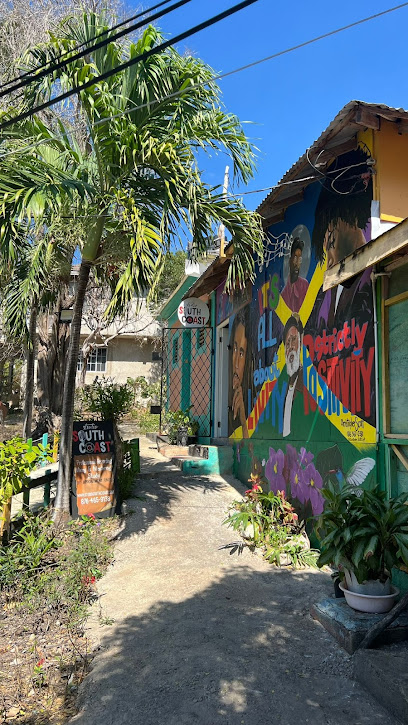
Wise Wellness -Yoga Centre /Day Spa and iTal Mama Vegan Cafe
5.7 km
Experience the tranquil blend of yoga, spa, and vegan cuisine at Wise Wellness in Treasure Beach, Jamaica - your ultimate relaxation destination.
Wild Onion
5.7 km
Discover the authentic taste of Jamaica at Wild Onion, where delicious grilled dishes meet a vibrant atmosphere in Treasure Beach.
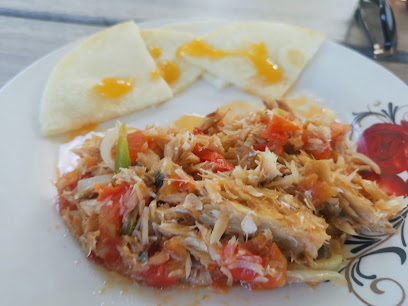
Kamalash Tamil
5.7 km
Discover the cozy charm of Kamalash Tamil, a delightful coffee shop in Treasure Beach offering aromatic brews and local flavors.
LC mini mart
5.8 km
Discover Treasure Beach's LC Mini Mart, your local supermarket offering a delightful range of essentials and local snacks in a friendly atmosphere.
FOLLOW THE SUN TOURS AND GIFT SHOP
5.8 km
Discover the beauty of Treasure Beach with Follow the Sun Tours and Gift Shop, your trusted partner for unforgettable local adventures and unique Jamaican souvenirs.
Essential bars & hidden hideouts

KOOLKIDZ HQ/MANGO TREE BAR
2.3 km
Discover the vibrant atmosphere and refreshing drinks at KOOLKIDZ HQ/MANGO TREE BAR in Williamsfield, Jamaica.
Jacky's Bar & Groceries
2.5 km
Discover the warmth of Jamaican hospitality at Jacky's Bar & Groceries, where local culture meets refreshing beverages in a cozy atmosphere.
Barbary Hall
3.1 km
Barbary Hall: A vibrant Jamaican bar experience in Watchwell, perfect for enjoying cocktails, local brews, and live music.
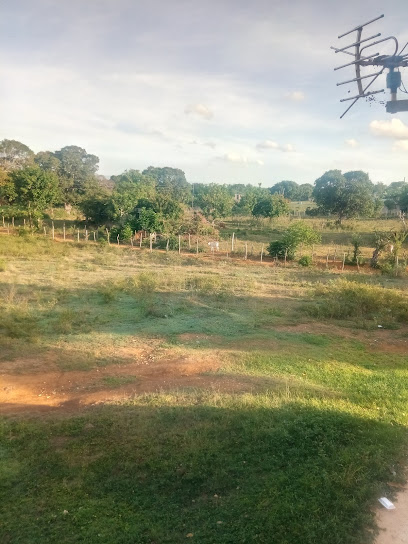
Chero's
3.9 km
Discover the lively atmosphere and eclectic drink menu at Chero's, a popular bar in Ridge Pen for an unforgettable night out.
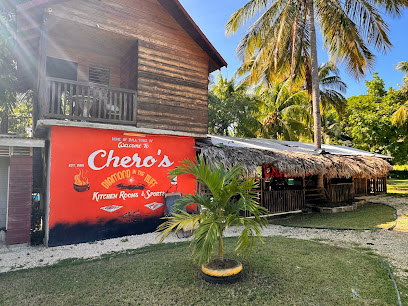
Brazil Sports Bar
4.1 km
Experience the thrill of live sports at Brazil Sports Bar in Watchwell, where delicious food and vibrant atmosphere come together.
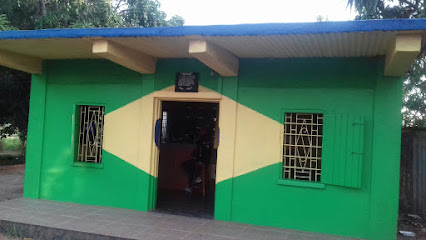
Bar and Lounge
4.6 km
Experience the vibrant nightlife at this charming bar and lounge on Little Bridge Rd, where cocktails meet local culture.
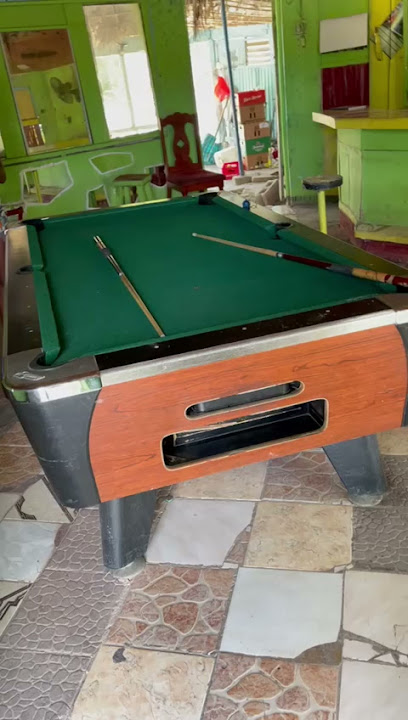
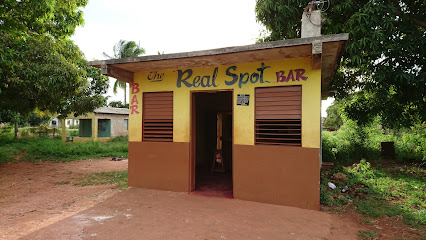
The Real Spot Bar
4.9 km
Experience authentic Jamaican nightlife at The Real Spot Bar, a vibrant bar in Beacon known for its lively atmosphere and friendly locals.
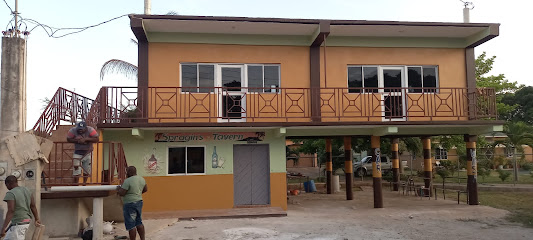
Spragins Tavern
5.7 km
Experience the vibrant atmosphere of Spragins Tavern in Treasure Beach, where local flavors and stunning views combine for an unforgettable escape.
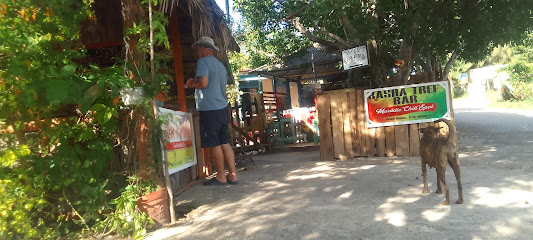
Kasha tree bar
5.7 km
Experience the vibrant atmosphere and stunning views at Kasha Tree Bar in Treasure Beach, the perfect spot for relaxation and refreshment.
Pardy's Rooftop Bar and Kitchen
6.0 km
Experience the vibrant atmosphere and breathtaking views at Pardy's Rooftop Bar and Kitchen, a gem in Treasure Beach, Jamaica.
Fisherman's Bar
6.1 km
Experience the vibrant flavors and relaxing vibes at Fisherman's Bar in Treasure Beach, Jamaica, the perfect spot for seafood lovers and sun seekers.
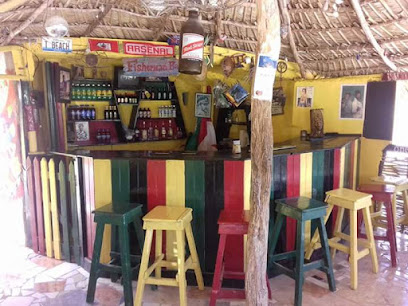
Sheldon's Boat Tour to Floyd's Pelican Bar
6.3 km
Discover the ultimate Caribbean experience with Sheldon's Boat Tour to Floyd's Pelican Bar, where adventure and relaxation meet in paradise.
Logan's Bar
6.5 km
Discover the lively ambiance of Logan's Bar in Bigwoods District, where locals and tourists unite over drinks and music in a vibrant setting.
Lloyd's Bar
6.5 km
Experience the vibrant atmosphere of Lloyd's Bar in Treasure Beach, where refreshing drinks and stunning coastal views await you.
Lotus View Bar
6.6 km
Experience the charm of Lotus View Bar in Treasure Beach, where stunning views and refreshing drinks create the perfect getaway.
Nightclubs & after hour spots

Code blue
5.9 km
Discover the pulsating nightlife of Treasure Beach at Code Blue, where vibrant music and lively atmosphere create unforgettable experiences.
Dellie's Night Club
18.0 km
Experience the electrifying nightlife at Dellie's Night Club in Lacovia, where music, dance, and culture come together for an unforgettable evening.
Dreamz Night Club
18.4 km
Discover unforgettable nights of music, dance, and fun at Dreamz Night Club in the heart of Brompton, Jamaica.
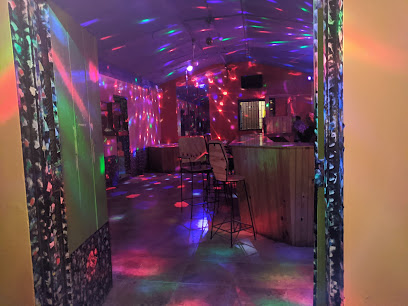
CLUB SUN RISE
21.1 km
Discover the heart of Jamaica's nightlife at Club Sun Rise, where music and dance unite for an unforgettable experience.
The Ultimate Dining Nightclub and Lounge
30.8 km
Discover the lively blend of dining and nightlife at The Ultimate Dining Nightclub and Lounge in Mandeville, where unforgettable experiences await.
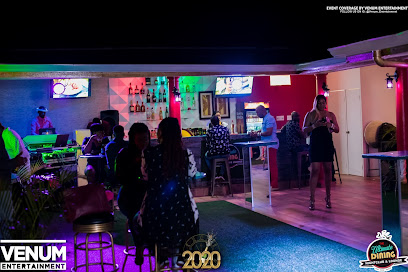
OCEANS XSCAPE ROOFTOP BAR & LOUNGE
31.0 km
Discover the ultimate rooftop experience at Oceans Xscape Bar & Lounge in Mandeville, where breathtaking views meet unforgettable moments.

Ragz to Richez Lounge
31.4 km
Discover the vibrant ambiance and local flavors at Ragz to Richez Lounge in Mandeville, Jamaica, where relaxation meets entertainment.
PARISVILLE NIGHT CLUB-MANDEVILLE
31.4 km
Discover the heart of Mandeville's nightlife at Parisville Night Club, where music and entertainment create an unforgettable experience.
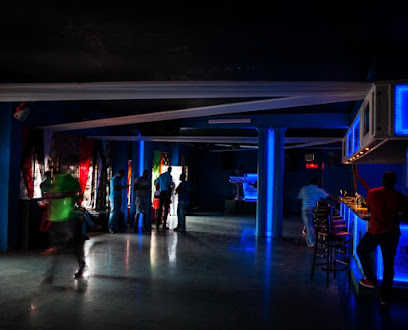
Mi AMOR SPORTS BAR KERVIN PLACE
31.6 km
Discover the lively spirit of Mandeville at Mi AMOR SPORTS BAR KERVIN PLACE, where great food, drinks, and sports come together in a vibrant atmosphere.
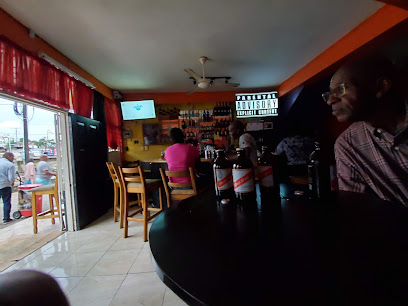
CLUB ZEUS 9
31.8 km
Experience the vibrant nightlife of Mandeville at CLUB ZEUS 9, where electrifying music and a lively atmosphere await.
Cloud 9 Night Club & Lounge
32.1 km
Unleash your spirit at Cloud 9 Night Club & Lounge in Mandeville for an unforgettable night of music, dancing, and vibrant nightlife.
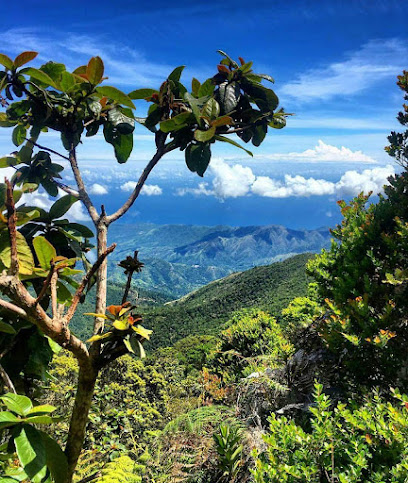
Cheetah's And Strip Night Club
41.2 km
Discover the electrifying nightlife at Cheetah's And Strip Night Club in Christiana, where grill cuisine meets adult entertainment in a vibrant atmosphere.
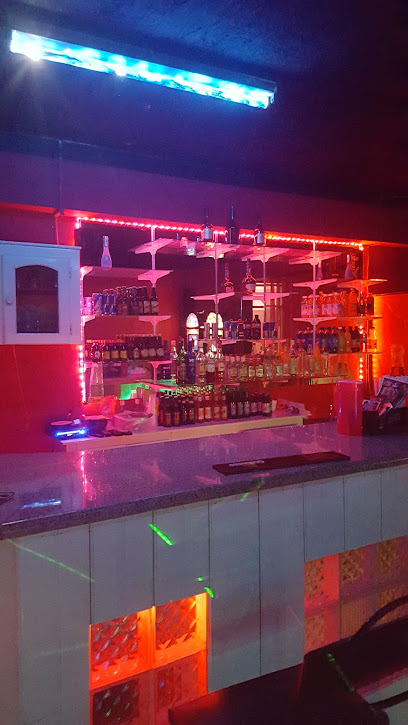
OG Oasis Lounge and Professional Services
42.2 km
Experience vibrant nightlife at OG Oasis Lounge in Bombay District, Manchester, offering signature cocktails and a relaxed atmosphere.
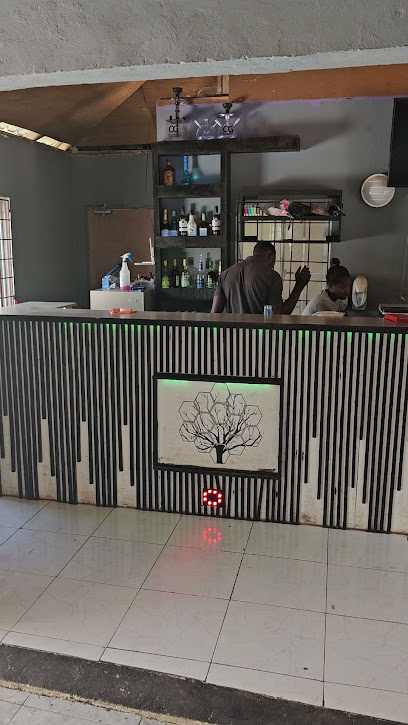
Level Up Sports Bar & Night Club
46.6 km
Level Up Sports Bar & Night Club offers a vibrant nightlife experience in Spring Garden, Jamaica, perfect for tourists seeking fun and entertainment.
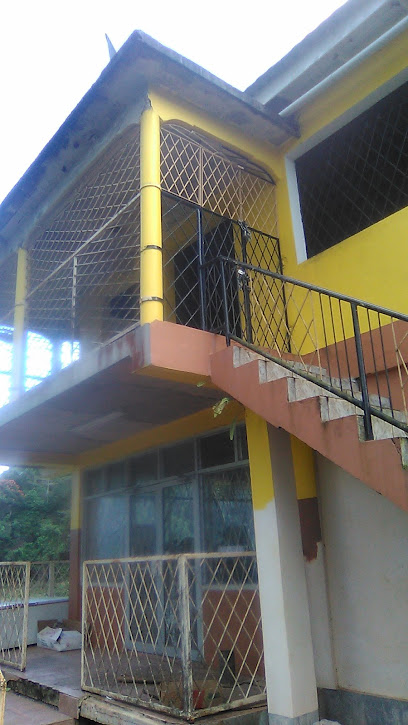
Bakkpage Sports Bar
48.5 km
Immerse yourself in the vibrant atmosphere of Bakkpage Sports Bar in Savanna la Mar, a must-visit for sports fans and food lovers alike.