

Santa Cruz Mountains, Jamaica Travel Guide
Discover the serene beauty, rich culture, and adventure of Jamaica's Santa Cruz Mountains - a hidden gem for nature lovers and history enthusiasts.
Nestled in the heart of Jamaica, the Santa Cruz Mountains offer a serene escape from the bustling cities. These mountains are a natural wonder, boasting lush forests, diverse wildlife, and breathtaking vistas. The cool climate and misty mornings make it an idyllic retreat for nature lovers and adventure seekers alike. The area is rich in cultural heritage, with small villages dotting the landscape. Here, you can experience authentic Jamaican culture, sample local cuisine, and interact with friendly locals. Hiking trails wind through the mountains, leading you to hidden waterfalls and scenic viewpoints. Birdwatchers will be delighted by the variety of endemic species found in the region. For those interested in history, the Santa Cruz Mountains are home to several historical sites. These include old plantations and colonial-era buildings. Guided tours provide insights into the region's past and its transformation over the centuries. Whether you're exploring on foot, by bike, or on a guided tour, the Santa Cruz Mountains promise an unforgettable experience.

Know before you go
Hi, I'm Eve. Here are a few practical things to know before exploring Santa Cruz Mountains.
- Pack light layers as the weather can change quickly in the mountains.
- Hire a local guide to explore hidden trails and historical sites.
- Try the local cuisine at small village eateries for an authentic experience.
- Bring binoculars for birdwatching; the area is home to many endemic species.
- Visit during the weekdays to avoid the weekend crowds and enjoy a peaceful experience.
Top City Travel Guides in Santa Cruz Mountains
The cities of Santa Cruz Mountains, and the easiest places to base yourself.

Explore Santa Cruz Mountains: Things to Do, Places to Eat, Hotels & More
Handpicked recommendations for top attractions, local dining, accommodations, and more

Top Attractions & Sightseeing in Santa Cruz Mountains


Best landmarks in Santa Cruz Mountains
Top-rated picks
Best Landmarks

Rose Hall Great House
Uncover the captivating history and stunning views of Rose Hall Great House in Montego Bay, a must-visit historical gem in Jamaica.

Jamaica Land of Film Tour
Discover the rich history of Jamaican cinema at the Jamaica Land of Film Tour in Montego Bay, a celebration of film, culture, and breathtaking landscapes.

Blue Mountain Peak
Conquer Jamaica's highest peak in Blue and John Crow Mountains National Park for stunning views, unique flora, and a rewarding hiking experience.

Blue Mountains
Discover Jamaica's Blue Mountains: Hike majestic peaks, savor world-famous coffee, and explore lush rainforests in this UNESCO World Heritage Site.

Best restaurants in Santa Cruz Mountains
Top-rated picks
Best Restaurants

Pier One
Discover the vibrant atmosphere at Pier One in Montego Bay—where exquisite cuisine meets lively nightlife by the Caribbean Sea.

Margaritaville Montego Bay
Experience the vibrant flavors and lively atmosphere at Margaritaville Montego Bay - where Caribbean cuisine meets fun!

Plantation Smokehouse
Experience authentic Caribbean barbecue at Plantation Smokehouse in Priory Saint Anns Bay - where flavor meets tradition.

Little Ochie Seafood Restaurant & Bar
Experience authentic Jamaican seafood dining at Little Ochie Seafood Restaurant & Bar in Alligator Pond – where fresh flavors meet stunning views.

Best bars in Santa Cruz Mountains
Top-rated picks
Best Bars

Floyd's Pelican Bar
Discover the vibrant flavors and breathtaking views at Floyd's Pelican Bar, a Caribbean dining gem in the heart of Jamaica.

Ikaana Restaurant & Lounge
Experience the vibrant flavors and lively atmosphere of Ikaana Restaurant & Lounge, where Jamaican cuisine meets unforgettable ambiance.

Eggy's Bar
Experience the vibrant culture of Jamaica at Eggy's Bar, a budget-friendly oasis in Treasure Beach, offering delightful drinks and stunning ocean views.

Dymond Lawn Bar & Grill
Savor the essence of Jamaican flavors at Dymond Lawn Bar & Grill in Black River, where great food meets stunning views.

Best nightclubs in Santa Cruz Mountains
Top-rated picks
Best Nightclubs

Kingston Dub Club
Immerse yourself in the vibrant reggae scene at Kingston Dub Club, where music, culture, and culinary delights blend seamlessly.

The Jungle
Discover Negril's nightlife at The Jungle, a vibrant night club and bar known for its strong drinks, lively music, and laid-back atmosphere.

Taboo Kingston
Discover the vibrant nightlife at Taboo Kingston, a premier night club offering thrilling entertainment, energetic music, and a stylish atmosphere.

Taboo Montego Bay
Experience unforgettable nightlife at Taboo Montego Bay, where vibrant music and captivating performances create an electrifying atmosphere.

Best shops in Santa Cruz Mountains
Top-rated picks
Best Shops

Tiny Tots
Discover Tiny Tots in Santa Cruz, your ultimate destination for children's uniforms, books, and toys that inspire creativity and learning.

Maxie Stores Santa Cruz
Experience vibrant shopping at Maxie Stores in Santa Cruz, where local culture meets diverse products for all your needs.
Chen Top Price
Discover unique home goods and souvenirs at Chen Top Price, a treasure trove in Santa Cruz reflecting local craftsmanship and culture.

Thaddy's Mini-Mart & Wholesale
Discover local flavors and essentials at Thaddy's Mini-Mart & Wholesale in Mountainside, Jamaica, your go-to supermarket for a taste of the Caribbean.

Explore Santa Cruz Mountains on the Map
A handpicked selection of must-see spots in Santa Cruz Mountains, mapped for you.
Santa Cruz Mountains Essentials
-
The Santa Cruz Mountains are located in the parish of St. Elizabeth, Jamaica. The nearest major airport is Sangster International Airport (MBJ) in Montego Bay, approximately 75 kilometers away. From Montego Bay, you can rent a car, take a taxi, or use a shuttle service to reach the mountains. The drive usually takes around 1.5 to 2 hours via the A2 highway. There are also local bus services from Montego Bay to Santa Cruz town, from where you can access various parts of the mountain range.
-
Within the Santa Cruz Mountains, transportation options include local taxis, minibuses, and rental cars. Local taxis are easily accessible and relatively affordable for short distances. Minibuses (often called 'route taxis') connect the small towns and villages within the mountains. If you plan to explore the area extensively, renting a car is recommended for the convenience and flexibility it offers. Remember to drive on the left side of the road, as is customary in Jamaica.
-
The official currency in Jamaica is the Jamaican Dollar (JMD). Credit cards are widely accepted in hotels, restaurants, and larger shops, but it is advisable to carry cash for smaller establishments and rural areas. ATMs are available in Santa Cruz town and other major points, but it's wise to withdraw enough cash in larger towns like Montego Bay before heading into the mountains. Ensure you notify your bank of your travel plans to avoid any issues with card transactions.
-
The Santa Cruz Mountains are generally safe for tourists, but it is important to exercise standard precautions. Avoid walking alone at night in unfamiliar areas and keep your belongings secure. While violent crime targeting tourists is rare, petty theft can occur. High-crime areas are usually in larger cities, so staying in well-known tourist accommodations and avoiding isolated areas at night is advisable. Always be aware of your surroundings and report any suspicious activity to local authorities.
-
In case of emergency, dial 119 for police or 110 for ambulance services. The nearest medical facilities are located in Santa Cruz town, including the Black River Hospital, which provides a range of medical services. It is recommended to have travel insurance that covers medical emergencies. For minor issues, pharmacies are available in Santa Cruz town where you can purchase over-the-counter medications.
-
Fashion: Do dress modestly, especially in rural and religious areas. Lightweight, breathable clothing is recommended due to the tropical climate. Religion: Do respect local customs and traditions. Many Jamaicans are religious, and it’s polite to dress appropriately when visiting churches or religious sites. Public Transport: Do be respectful towards drivers and fellow passengers. Don't eat or drink on public transport. Greetings: Do greet people with a friendly 'hello' or 'good day.' Handshakes are common, but a nod or smile is also appreciated. Eating & Drinking: Do try local dishes such as jerk chicken, ackee, and saltfish. Don't refuse hospitality, as it is considered impolite.
-
To experience the Santa Cruz Mountains like a local, visit the local markets in Santa Cruz town, where you can buy fresh produce and handmade goods. Engage with locals, who are often friendly and willing to share stories about the area's rich history and culture. Don't miss out on visiting local attractions such as the Appleton Estate, known for its rum tours, and YS Falls, a beautiful set of waterfalls perfect for a refreshing dip. Hiking enthusiasts should explore the various trails offering stunning views of the lush landscape.
When is the best time to visit Santa Cruz Mountains?
Useful Local Phrases for Santa Cruz Mountains
You don't need to speak the language perfectly. Even learning a few simple words can make conversations warmer—and locals usually appreciate the effort.
— Eve

Here are the phrases I use most often in Santa Cruz Mountains. Try a few—you'll be surprised how far they go! 😊
❤️
-
- HelloWah gwaan
[Wah gwaan] - GoodbyeLikkle more
[Likkle more] - YesYea
[Yea] - NoNuh
[Nuh] - Please/You’re welcomePleas/No problem
[Pleas/No problem] - Thank youTank yuh
[Tank yuh] - Excuse me/SorryScuse mi/Sorry
[Scuse mi/Sorry] - How are you?How yuh do?
[How yuh do?] - Fine. And you?Fine. An yuh?
[Fine. An yuh?] - Do you speak English?Yuh speak English?
[Yuh speak English?] - I don't understandMi nuh undastand
[Mi nuh undastand]
- HelloWah gwaan
-
- I’d like to see the menu, pleaseMi wud like fi si di menu, pleeze
[Mi wud like fi si di menu, pleeze] - I don't eat meatMi nuh eat meat
[Mi nuh eat meat] - Cheers!Cheers!
[Cheers!] - I would like to pay, pleaseMi wud like fi pay, pleeze
[Mi wud like fi pay, pleeze]
- I’d like to see the menu, pleaseMi wud like fi si di menu, pleeze
-
- Help!Help!
[Help!] - Go away!Gweh!
[Gweh!] - Call the Police!Call di Police!
[Call di Police!] - Call a doctor!Call a doctor!
[Call a doctor!] - I’m lostMi lost
[Mi lost] - I’m illMi sick
[Mi sick]
- Help!Help!
-
- I’d like to buy...Mi wud like fi buy...
[Mi wud like fi buy...] - I’m just lookingMi just a look
[Mi just a look] - How much is it?How much dat?
[How much dat?] - That’s too expensiveDat too expensive
[Dat too expensive] - Can you lower the price?Yuh can lower di price?
[Yuh can lower di price?]
- I’d like to buy...Mi wud like fi buy...
-
- What time is it?Wah time it?
[Wah time it?] - It’s one o’clockIt one o'clock
[It one o'clock] - Half past (10)Half past (10)
[Half past (10)] - MorningMawnin
[Mawnin] - AfternoonAfternoon
[Afternoon] - EveningEvening
[Evening] - YesterdayYesterday
[Yesterday] - TodayToday
[Today] - TomorrowTomorrow
[Tomorrow] - 1One
[One] - 2Two
[Two] - 3Three
[Three] - 4Four
[Four] - 5Five
[Five] - 6Six
[Six] - 7Seven
[Seven] - 8Eight
[Eight] - 9Nine
[Nine] - 10Ten
[Ten]
- What time is it?Wah time it?
-
- Where's a/the...?Wheh di...?
[Wheh di...?] - What’s the address?Wah di address?
[Wah di address?] - Can you show me (on the map)?Yuh can show mi (pon di map)?
[Yuh can show mi (pon di map)?] - When's the next (bus)?When di next (bus)?
[When di next (bus)?] - A ticket (to ....)A ticket (to ...)
[A ticket (to ...)]
- Where's a/the...?Wheh di...?
History of Santa Cruz Mountains
-
Long before European colonization, the Santa Cruz Mountains were inhabited by the Taino people. These indigenous inhabitants were skilled farmers, fishermen, and craftspeople, living in harmony with the lush, fertile landscapes of the mountains. The Tainos left behind a legacy of petroglyphs and artifacts that provide a glimpse into their sophisticated culture and way of life.
-
The arrival of Spanish explorers in the late 15th century marked the beginning of dramatic changes for the region. As the Spanish sought to exploit the island’s resources, many Tainos were decimated by disease and harsh labor. However, runaway African slaves, known as Maroons, found refuge in the rugged terrain of the Santa Cruz Mountains. These Maroon communities became adept at guerrilla warfare, successfully resisting Spanish and later British control, and carving out a unique cultural identity.
-
Following the British takeover of Jamaica in 1655, the Santa Cruz Mountains saw increased agricultural development. The fertile soils and favorable climate made it an ideal location for the cultivation of crops like coffee, sugar, and pimento. British planters established large estates and brought in enslaved Africans to work the land, fundamentally altering the region’s demographics and economy.
-
The early 19th century was a period of significant unrest in the Santa Cruz Mountains, as enslaved Africans and their descendants fought for their freedom. The Baptist War of 1831-1832, led by Samuel Sharpe, was a major slave rebellion that spread throughout the region. Although the rebellion was brutally suppressed, it hastened the British decision to abolish slavery in 1834, leading to eventual emancipation and the establishment of free villages in the area.
-
After emancipation, the Santa Cruz Mountains became a center of cultural flourishing for the freed African-Jamaican population. The region saw the rise of small-scale farming and the development of vibrant communities. Traditional African practices, music, and folklore were preserved and blended with European influences, creating a rich cultural tapestry that continues to thrive today.
-
In recent decades, the Santa Cruz Mountains have gained recognition as a prime destination for ecotourism. Visitors are drawn to the area's stunning natural beauty, rich biodiversity, and historical significance. Efforts have been made to preserve the environment while promoting sustainable tourism. The region’s historical sites, such as Maroon settlements and colonial-era estates, offer a window into its storied past, making it a compelling destination for history enthusiasts.
Neighbouring Regions of Santa Cruz Mountains
The closest regions to Santa Cruz Mountains, if you have time for more than one.

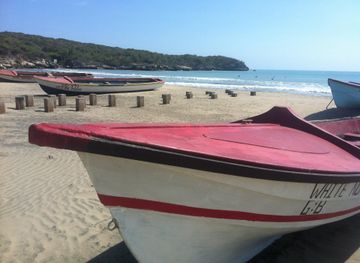
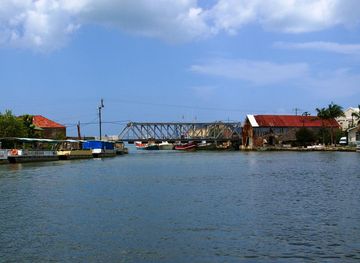


Your all‑in‑one travel companion app
Explore expert travel guides, compare and book tours, experiences, hotels, and more—all from the palm of your hand. Download now for seamless trip planning wherever your wanderlust takes you.


Explore More of Jamaica
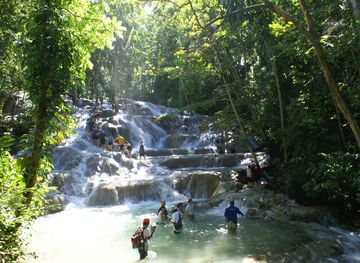
Looking beyond Santa Cruz Mountains? Discover Jamaica for broader travel guides, local hot-spots, and regional highlights.
Explore JamaicaSanta Cruz Mountains in Photos
Browse through our photo collection highlighting the charm and character of the destination.

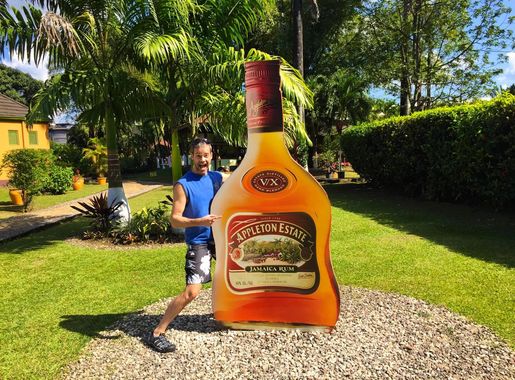


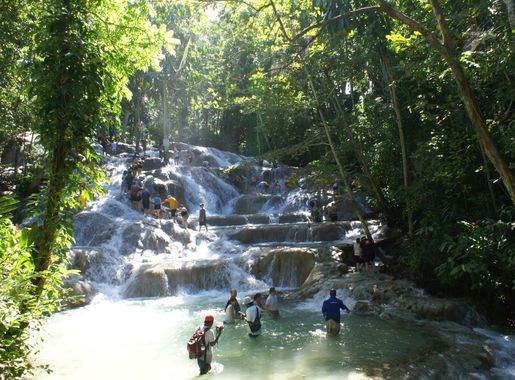

The Enchanting Santa Cruz Mountains of Jamaica
Nestled in the heart of Jamaica, the Santa Cruz Mountains offer a serene escape from the bustling cities. These mountains are a natural wonder, boasting lush forests, diverse wildlife, and breathtaking vistas. The cool climate and misty mornings make it an idyllic retreat for nature lovers and adventure seekers alike. The area is rich in cultural heritage, with small villages dotting the landscape. Here, you can experience authentic Jamaican culture, sample local cuisine, and interact with friendly locals. Hiking trails wind through the mountains, leading you to hidden waterfalls and scenic viewpoints. Birdwatchers will be delighted by the variety of endemic species found in the region. For those interested in history, the Santa Cruz Mountains are home to several historical sites. These include old plantations and colonial-era buildings. Guided tours provide insights into the region's past and its transformation over the centuries. Whether you're exploring on foot, by bike, or on a guided tour, the Santa Cruz Mountains promise an unforgettable experience.