

Aioi Bridge, Hiroshima Travel Guide
Explore Hiroshima's Aioi Bridge: A historic landmark and symbol of peace, connecting the city's past with its hopeful future.
The Aioi Bridge is a distinctive T-shaped bridge in Hiroshima, Japan, recognized for its unique design and historical significance. Originally built in 1932, it gained notoriety as the aiming point for the atomic bomb in 1945. Though not destroyed, the bridge suffered considerable damage and was reconstructed in 1983. Today, it stands as a poignant reminder of the past and a symbol of Hiroshima's resilience.
A brief summary to Aioi Bridge
- 22-1 Motomachi, Hiroshima, Motomachi, Naka Ward, Hiroshima, 730-0011, JP
- Click to display
- Click to display

Know before you go
Hi, I'm Eve. Here are a few practical things to know before exploring Aioi Bridge.
- Visit during sunset for breathtaking views and great photo opportunities.
- Take a leisurely walk across the bridge to fully appreciate its unique T-shape and surroundings.
- Look for benches along the bridge to rest and enjoy the river views.
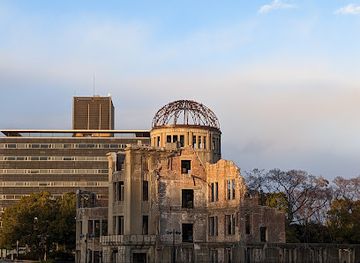
- Combine your visit with a trip to the nearby Hiroshima Peace Memorial Park and Atomic Bomb Dome.
Do you manage this location?
Take control to get all the benefits, like improved information, better appearance, and stronger visibility across AI-powered discovery. Learn more about listing your business on Evendo
Activate your presenceOther nearby places you may find interesting
The closest places of the same kind, if this one is not quite what you had in mind.

Explore Aioi Bridge on the Map
A handpicked selection of must-see spots near Aioi Bridge, mapped for you.
Unlock the Best of Aioi Bridge
Buy tickets
-
No tickets available
Book tours with entry


Book tours without entry

Getting There
-
Public Transport
From Hiroshima Station, take the Hiroshima Tram (Line 1 or Line 2) to the 'Genbaku Dome-mae' stop. The tram ride takes approximately 12 minutes and costs ¥240. From the tram stop, the Aioi Bridge is a short walk away.
-
Walking
From the Atomic Bomb Dome, walk east along the Motoyasu River. The Aioi Bridge is located a short distance from the Atomic Bomb Dome, approximately a 5-10 minute walk.
-
Taxi
Taxis are readily available throughout Hiroshima. A taxi ride from Hiroshima Station to Aioi Bridge typically costs between ¥1200 and ¥1500 and takes around 10 minutes, depending on traffic. The base fare for a taxi in Hiroshima is ¥620, with an additional ¥500 per kilometer.
Discover more about Aioi Bridge













Your all‑in‑one travel companion app
Explore expert travel guides, compare and book tours, experiences, hotels, and more—all from the palm of your hand. Download now for seamless trip planning wherever your wanderlust takes you.


Explore More of Hiroshima
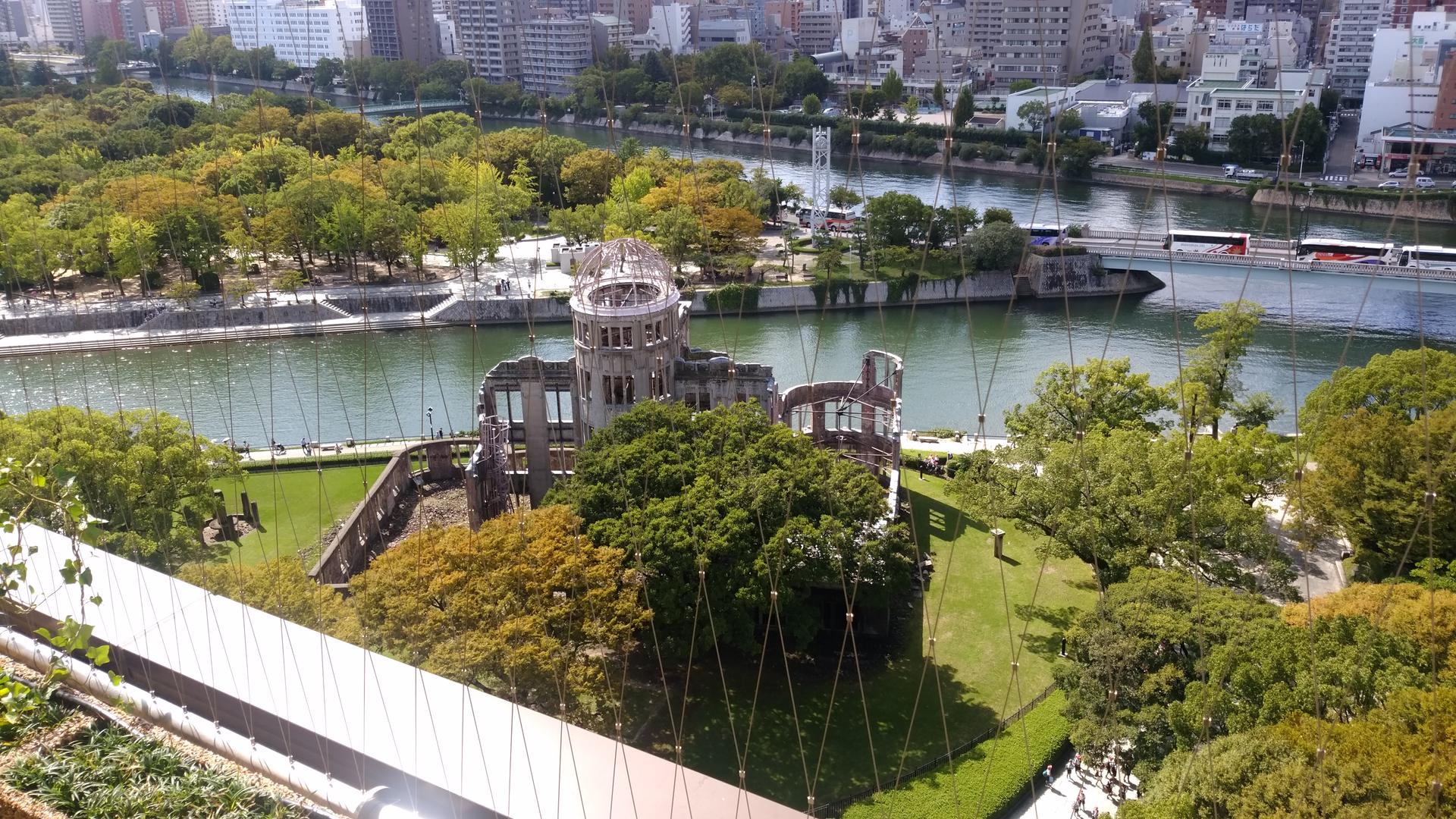
Looking beyond Aioi Bridge? Discover Hiroshima for broader travel guides, local hot-spots, and regional highlights.
Explore Hiroshima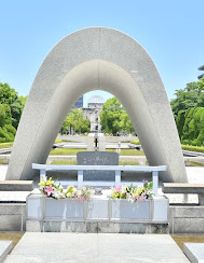
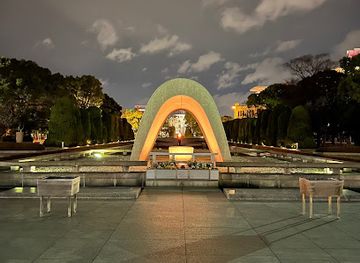
A solemn memorial in Hiroshima Peace Memorial Park, honoring atomic bomb victims and promoting peace for future generations.

Your gateway to Hiroshima: Tourism and MICE support in the heart of the city. Plan your visit or event with expert guidance.
