Shiretoko National Park: Where Wilderness Thrives
Explore Japan's untamed frontier: Shiretoko National Park, a UNESCO site with stunning landscapes and diverse wildlife.
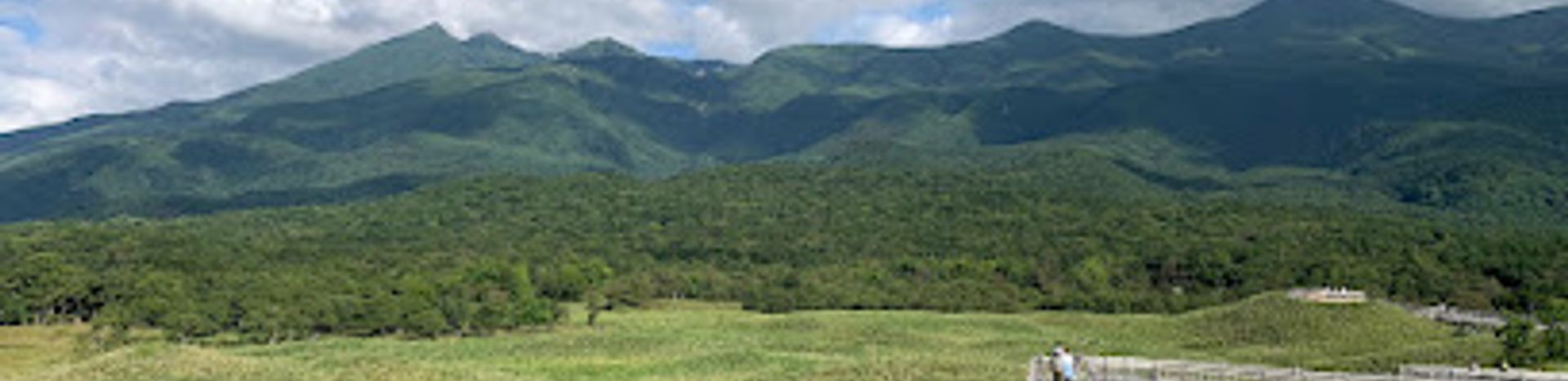
Located on the easternmost part of Hokkaido, Japan, Shiretoko National Park is a UNESCO World Heritage site celebrated for its untouched natural landscapes and diverse ecosystems. The name 'Shiretoko' originates from the Ainu language, meaning 'end of the Earth,' fitting for this remote and unspoiled peninsula.
A brief summary to Shiretoko National Park
- ・目梨郡羅臼町, Shari, Shari District, Hokkaido, JP
- +81152-24-2297
- Visit website
Local tips
- Check the park's official website for trail closures and bear activity updates before hiking.
- Rent bear spray and rubber boots at the Rausu Visitor Center for safer exploration.
- During peak season, book guided tours for Shiretoko Five Lakes in advance.
- Bring a zoom lens for wildlife photography, especially on boat tours.
- Consider visiting from spring to autumn to explore the five lakes and enjoy the scenery.

Getting There
-
Bus
From JR Shiretoko Shari Station, take a Shari Bus to Utoro Onsen Bus Terminal (approx. 60 minutes, ¥1650). From Utoro, buses connect to various points within the park, including the Shiretoko Nature Center (approx. 10-30 minutes) and Shiretoko Five Lakes (approx. 25 minutes, ¥700). Note that bus services are infrequent, especially in winter.
-
Car
From Memanbetsu Airport, rent a car and drive to Utoro (approx. 2 hours). From Utoro, follow the main road into the national park. Paid parking is available at major attractions like Shiretoko Five Lakes (¥500). Be aware that some roads, including Shiretoko Pass, are closed in winter.
Discover more about Shiretoko National Park
Iconic landmarks you can’t miss

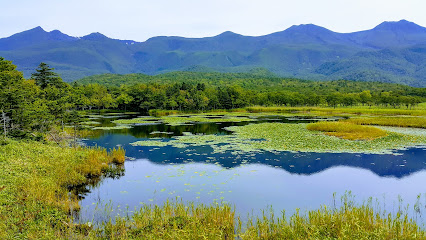
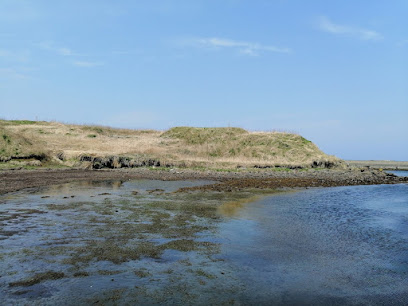
Shiretoko-Goko Lakes Field House
9.1 km
Explore the untouched beauty of Shiretoko Goko: lakes, forests, and mountains await in this UNESCO World Heritage Site.
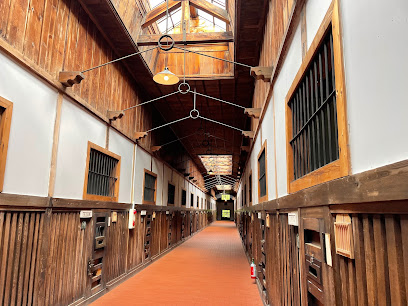
Abashiri kangoku prison Museum
78.4 km
Explore Japan's notorious penal past at Abashiri Prison Museum, an open-air historical site in Hokkaido offering a glimpse into Meiji-era prison life.
Nemuro Peninsula Chashi Ruins
97.5 km
Explore the ancient fortifications of the Ainu people at the Nemuro Peninsula Chashi Ruins, a window into Hokkaido's indigenous past.
Unmissable attractions to see

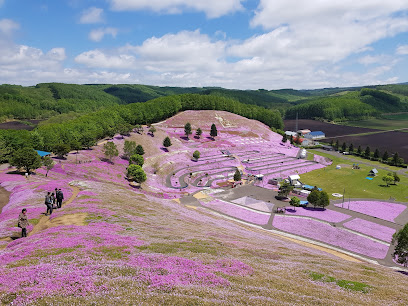
Higashimokoto Shibazakura Park
81.1 km
Experience the vibrant beauty of pink moss phlox at Higashimokoto Shibazakura Park, a stunning floral escape in Hokkaido, Japan.
Akan-Mashu National Park
99.8 km
Explore the breathtaking beauty of Akan-Mashu National Park in Hokkaido, Japan, featuring stunning lakes, diverse wildlife, and unforgettable outdoor adventures.

Essential places to dine

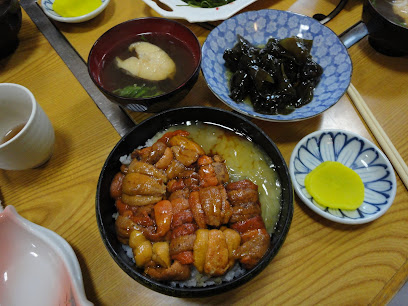
Hirose
14.7 km
Discover Hirose in Rausu, where fresh seafood meets traditional Japanese hospitality amidst stunning Hokkaido landscapes.
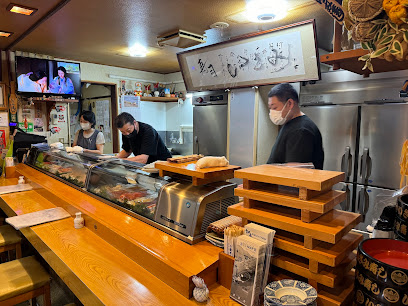
Isami Sushi
14.8 km
Discover authentic sushi at Isami Sushi in Rausu, Hokkaido – where fresh ingredients meet traditional Japanese craftsmanship.
Shiretoko Shokudo
15.1 km
Discover authentic Hokkaido cuisine at Shiretoko Shokudo - where every bite tells a story amidst stunning natural landscapes.
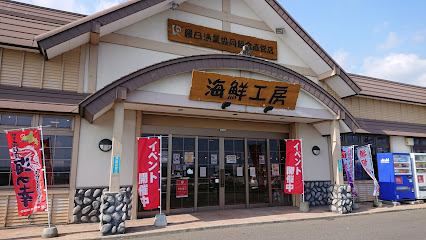
Junnobanya
15.5 km
Discover Hokkaido’s finest seafood at Junnobanya - where fresh flavors meet breathtaking coastal views.
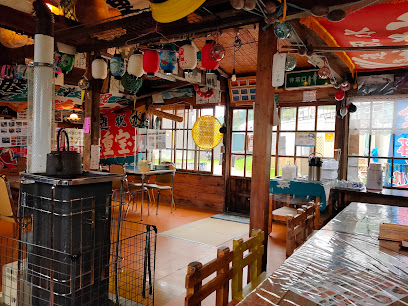
shiretoko rausu HAMADA SHOUTEN
16.4 km
Discover fresh seafood delights at Shiretoko Rausu Hamada Shouten while exploring Hokkaido's natural beauty.