

Free Hokkaido Travel Guide & Mobile App
Explore Hokkaido with free travel guides. Discover regional history, expert tips, proposed trips, and audio guides on web or mobile app.


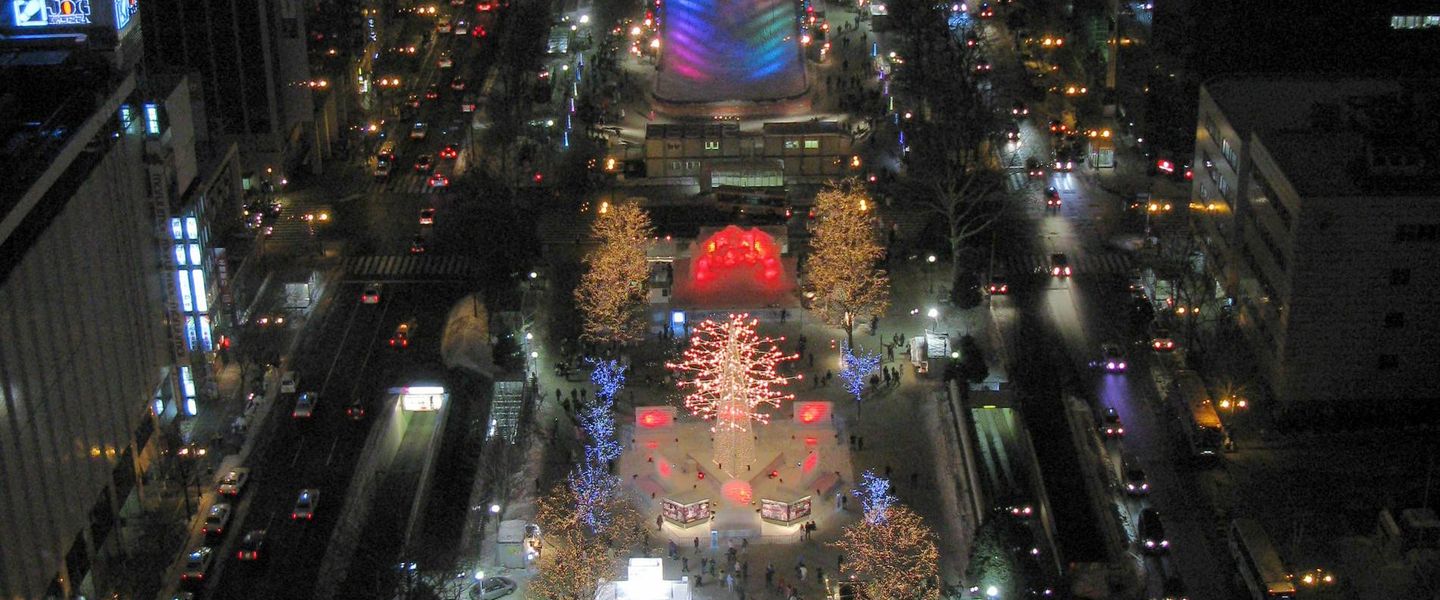


Explore Hokkaido’s volcanoes, national parks, snow resorts, Ainu heritage, seafood ports and spacious agricultural landscapes across northern Japan.
Read more about Hokkaido
When is the best time to visit Hokkaido?
Best: July–September · 22–26°C| Month | High (°C) | Rainfall (mm) |
|---|---|---|
| January | 0 | 70 |
| February | 1 | 60 |
| March | 6 | 70 |
| April | 11 | 80 |
| May | 16 | 90 |
| June | 21 | 100 |
| July (best) | 25 | 110 |
| August (best) | 26 | 120 |
| September (best) | 22 | 110 |
| October | 15 | 100 |
| November | 8 | 90 |
| December | 3 | 80 |
Getting to and around Hokkaido
How to get there
Transportation
Best attractions in Hokkaido
Hokkaido’s attractions are defined less by a single historic centre than by the relationship between extensive landscapes and widely separated communities. Sapporo offers museums, parks, markets and the former Hokkaido Government Office area, while Otaru presents canals, warehouses and maritime history. Hakodate combines a port setting with Goryōkaku and views from Mount Hakodate. Beyond the cities, the six national parks include very different environments: Daisetsuzan’s alpine interior, Shiretoko’s forested peninsula, Akan-Mashu’s volcanic lakes, Kushiro-shitsugen’s wetlands, Shikotsu-Tōya’s calderas and the remote landscapes of Rishiri-Rebun-Sarobetsu. Skiing and snow activities centre on resorts including Niseko, Rusutsu and Furano, while summer brings hiking, cycling and flower fields around Furano and Biei. Wildlife cruises, drift-ice excursions near Abashiri, hot springs at Noboribetsu and Lake Tōya, and Ainu cultural interpretation at Upopoy add further variety. Distances are part of the experience: each district has its own combination of food, scenery, geology and local history.
-
Zoo
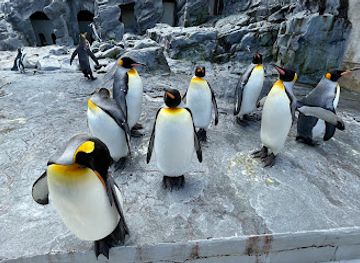
Asahiyama Zoo
Explore Asahiyama Zoo, Hokkaido's premier wildlife park, where innovation meets conservation for an unforgettable animal experience.
-
Observation deck
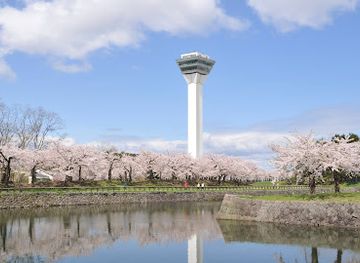
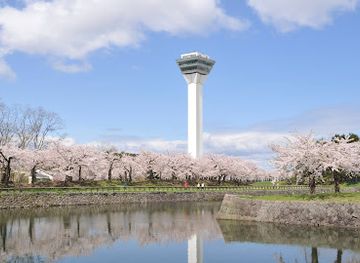
Goryōkaku Tower
Experience breathtaking views and rich history at Goryōkaku Tower, Hakodate's iconic observation deck and cultural landmark.
-
Tourist attraction
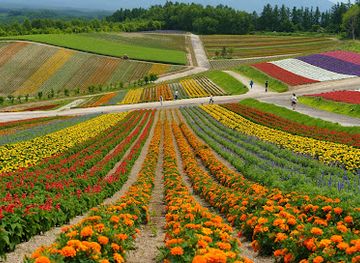
Panoramic Flower Gardens Shikisai-no-oka
Discover the breathtaking floral landscapes of Shikisai-no-oka in Biei, Hokkaido, where vibrant blooms meet stunning natural beauty in every season.
-
Tourist attraction
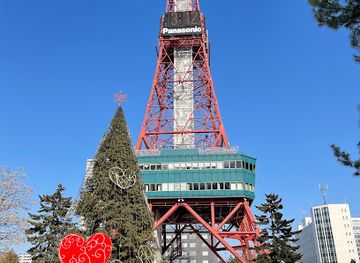
Sapporo TV Tower
Discover stunning views and rich culture at Sapporo TV Tower, a must-visit observation deck in the heart of Hokkaido's capital.
Best landmarks in Hokkaido
Hokkaido’s most recognisable landmarks reflect both its frontier-era development and its volcanic geography. In Sapporo, the red-brick former Hokkaido Government Office and the Sapporo Clock Tower represent the city’s nineteenth-century administrative foundation, while Odori Park remains a defining central axis. Hakodate’s star-shaped Goryōkaku is a rare and highly legible example of Western-style fortress planning in Japan and a reminder of the political upheavals that ended the Tokugawa period. Otaru’s canal and stone warehouses evoke the port’s commercial importance, although the wider city is more than a preserved waterfront. The cone of Mount Yōtei, the caldera landscapes of Lake Tōya and the dramatic volcanic forms of Mount Usu provide powerful natural markers in central Hokkaido. In the north, Mount Rishiri rises from the sea as the visual centre of Rishiri Island, while the Shiretoko Peninsula’s forested mountains and sea cliffs express the remote character of eastern Hokkaido. The red-crowned crane landscapes of Kushiro-shitsugen and the broad summit of Mount Asahidake are equally significant natural landmarks.
-
Zoo
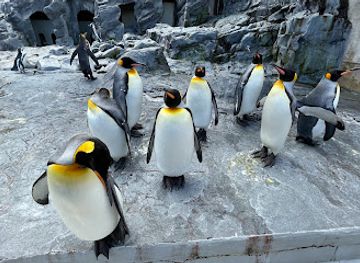
Asahiyama Zoo
Experience animals up close in their natural habitats at Asahikawa's famous Asahiyama Zoo, known for its innovative behavioral exhibits.
-
Scenic spot
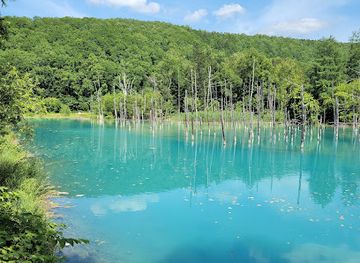
Shirogane Blue Pond (Aoiike)
Discover the mystical Shirogane Blue Pond in Biei, Hokkaido: a stunning, human-made marvel with ethereal blue waters and captivating scenery.
-
Business park
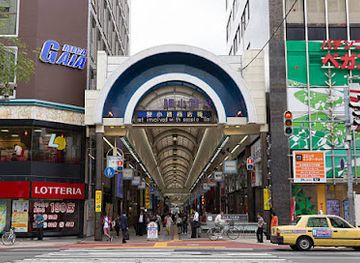
Tanukikoji Shopping Street
Explore Hokkaido's oldest shopping street: a vibrant arcade with dining, souvenirs, and entertainment for locals and tourists alike.
-
Observation deck
Goryōkaku Tower
Panoramic views of Hakodate and the star-shaped Goryōkaku Fort, offering a unique blend of history, culture, and seasonal beauty from above.
Explore Hokkaido on the map
Plan your trip on one map. See where the top cities, national parks and sights are, and book hotels and experiences in a few clicks.
Best hotels in Hokkaido
Best restaurants in Hokkaido
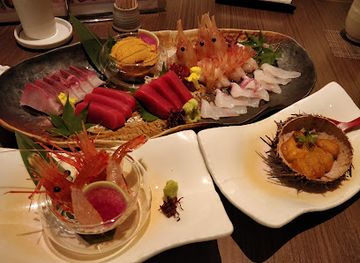
Hokkaido’s food culture draws on productive farmland, cold northern seas and a strong dairy industry. Seafood is central, with crab, scallops, sea urchin, salmon and roe appearing in different coastal areas and seasons; port towns such as Hakodate and Kushiro are particularly associated with market and fishery traditions. Sapporo is known for miso ramen and soup curry, while grilled lamb, often served as jingisukan, is a familiar regional speciality. Dairy products, soft-serve ice cream, cheese, butter and confectionery reflect the island’s pastureland, and agricultural districts supply potatoes, corn, wheat, beans, melons and other produce. Dining ranges from ramen shops, izakaya and sushi counters to farm cafés, hotel restaurants, rural inns and contemporary kitchens. Local beer and whisky are also prominent, while Hokkaido wine is produced in several areas. Farmers’ markets and roadside produce stalls are useful places to see how strongly the regional menu follows the seasons.
-
Japanese Curry
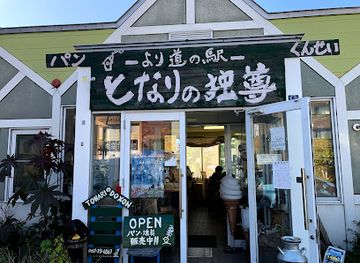
Yuiga Doxon
Discover the authentic taste of Japanese curry at Yuiga Doxon in Furano, Hokkaido – where every bite is a delightful experience.
-
Japanese regional restaurant
Oshokuji to Goenkai no Mise Kumagera
Experience authentic Hokkaido flavors at Oshokuji to Goenkai no Mise Kumagera, a top-rated Japanese regional restaurant in Furano.
-
Dessert
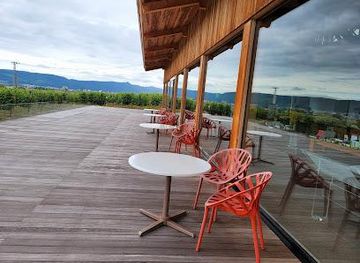
Campana Rokkatei
Savor Furano's exclusive mochi and grape treats amid vineyard panoramas and Daisetsuzan peaks at Rokkatei's hilltop flagship cafe.
-
Seafood
Hakodate Uni Murakami Nippon Life Sapporo Building Store
Discover exquisite seafood dining at Hakodate Uni Murakami in Sapporo - where every dish tells a story of Hokkaido's ocean bounty.
Best bars in Hokkaido
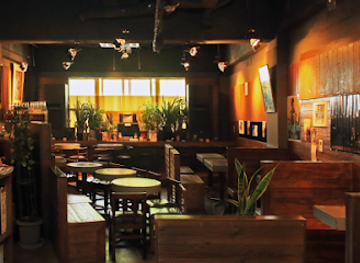
Nightlife is concentrated in Sapporo, especially around Susukino, where izakaya, small bars, karaoke venues, live-music rooms and late-night restaurants occupy a dense urban district. Other cities provide more modest evening scenes: Hakodate and Asahikawa have established dining and bar areas, while Otaru combines restaurants and intimate drinking places with its historic port atmosphere. In ski resorts such as Niseko and Rusutsu, evening activity is more seasonal and internationally oriented, with hotel bars, restaurants and occasional live entertainment. Across rural Hokkaido, traditional pubs, ramen shops, hotel lounges and onsen-town restaurants are more typical than large nightclubs. Craft breweries, cider producers, whisky distilleries and wine regions offer alternatives to conventional nightlife, but opening arrangements vary. Visitors should respect local seating charges or service fees where clearly stated and remember that many smaller establishments have limited English-language service.
-
Bar
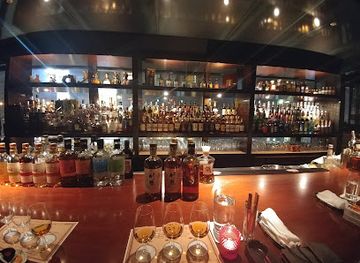
THE NIKKA BAR
Experience the essence of Japanese whiskey culture at The Nikka Bar in Sapporo, where every sip tells a story.
-
Brewpub
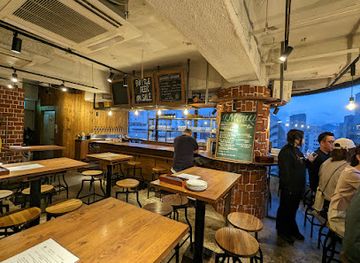
Beer Bar NORTH ISLAND
Dive into Sapporo's craft beer scene at Beer Bar NORTH ISLAND, where local brews and stunning city views create an unforgettable experience.
-
Bar
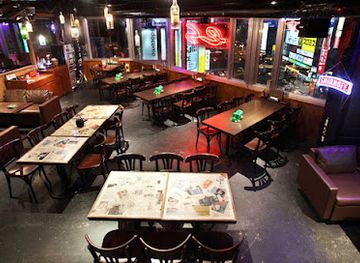
Flair bar es
Discover the vibrant nightlife of Sapporo at Flair Bar es, where delicious steaks and cocktails meet entertainment in an electrifying atmosphere.
-
Jazz
Bossa
Discover the soulful sounds of live jazz at Bossa in Sapporo, where every note creates an unforgettable experience.
Best nightclubs in Hokkaido
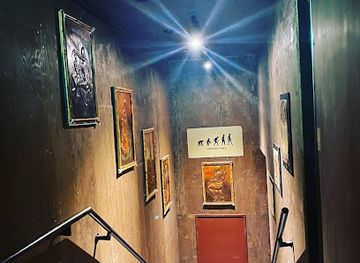
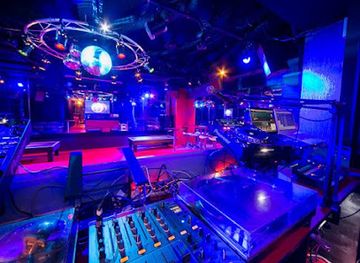
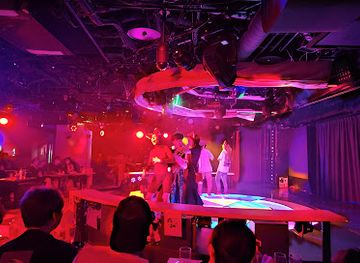
Nightlife is concentrated in Sapporo, especially around Susukino, where izakaya, small bars, karaoke venues, live-music rooms and late-night restaurants occupy a dense urban district. Other cities provide more modest evening scenes: Hakodate and Asahikawa have established dining and bar areas, while Otaru combines restaurants and intimate drinking places with its historic port atmosphere. In ski resorts such as Niseko and Rusutsu, evening activity is more seasonal and internationally oriented, with hotel bars, restaurants and occasional live entertainment. Across rural Hokkaido, traditional pubs, ramen shops, hotel lounges and onsen-town restaurants are more typical than large nightclubs. Craft breweries, cider producers, whisky distilleries and wine regions offer alternatives to conventional nightlife, but opening arrangements vary. Visitors should respect local seating charges or service fees where clearly stated and remember that many smaller establishments have limited English-language service.
-
Night club
Precious Hall
Dive into the electrifying nightlife of Sapporo at Precious Hall, a premier night club offering music, dance, and unforgettable experiences.
-
Disco club
D-mode Sapporo
Dive into the electrifying nightlife of Sapporo at D-mode, where music and dance create an unforgettable experience in Japan's vibrant capital.
-
Night club
LaLa Too
LaLa Too: Sapporo's premier nightlife destination with electrifying music and vibrant atmosphere, perfect for unforgettable evenings in Hokkaido.
-
Bar
Locotonte
Discover the vibrant nightlife of Sapporo at Locotonte, where crafted cocktails and a cozy atmosphere await every visitor.
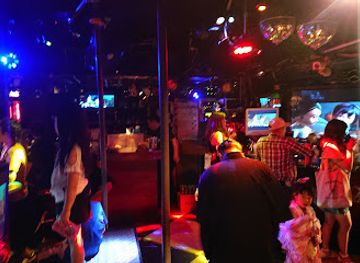
Best shops in Hokkaido
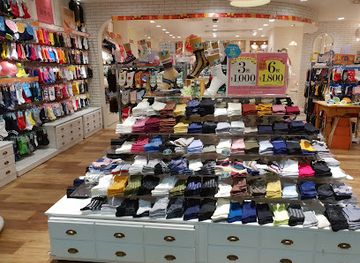
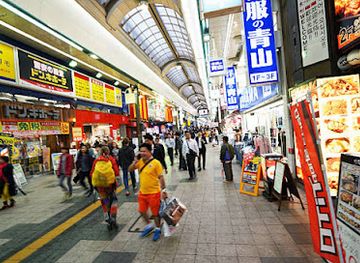
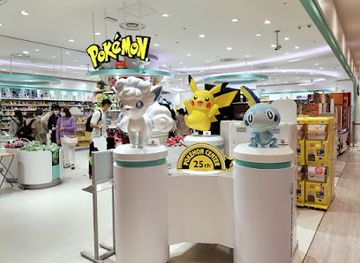
Shopping in Hokkaido ranges from Sapporo department stores, covered arcades and specialist food halls to small-town markets, farm shops and craft studios. Sapporo is the principal retail centre, with the largest selection of Japanese fashion, cosmetics, electronics, books and regional food gifts. Otaru is associated with glassware, confectionery and shops in its historic warehouse and canal area, while Hakodate’s morning market is known for seafood and prepared foods. Across the countryside, roadside stations and farmers’ outlets sell potatoes, corn, beans, dairy products, fruit, preserves and seasonal sweets, though availability depends on harvest timing. Local confectionery, ramen products, kelp, smoked seafood and bottled drinks travel well when packed appropriately. Ainu-inspired arts and crafts, including woodwork and textile traditions, can be found through cultural institutions and specialist retailers; visitors should look for clear information about makers and cultural context. In smaller communities, retail hours can be limited, so markets and shops are best treated as part of a planned stop rather than assumed to be open late.
-
Shopping mall
JR Tower
Explore JR Tower in Sapporo: A shopping haven with stunning views and diverse dining experiences.
-
Business park
Tanukikoji Shopping Street
Discover the lively Tanukikoji Shopping Street in Sapporo, where shopping, dining, and culture meet in a delightful experience.
-
Gift shop
Daimaru Sapporo
Explore the vibrant shopping scene at Daimaru Sapporo, where local flavors meet international fashion in the heart of Hokkaido.
-
Outlet mall
Mitsui Outlet Park Sapporo-Kitahiroshima
Discover unbeatable deals and a fantastic shopping experience at Mitsui Outlet Park Sapporo-Kitahiroshima, your go-to outlet destination in Hokkaido.

Get your free copy of our complete guide to Hokkaido, delivered straight to you.
Everything on this page, from attractions and restaurants to essentials and local phrases, in one PDF you can read offline, print or share.
Already have an account? Sign in
Your Hokkaido guide is ready.
We'll send it to · Not you? Sign out

Getting your guide ready…
We are putting together a fresh copy of the Hokkaido guide. This can take up to a minute.
This can take a few moments. If your browser asks, choose Allow so the download can start. You'll find the guide in your Downloads folder.
Nothing happened? Download it again
Sorry, the guide is taking longer than usual. Please try again in a minute, or get it by email instead.
Hokkaido essentials
Currency and Payment
Safety
Emergency Situations
Do's and Don'ts
Local Tips
From Eve
Local phrases worth knowing
You don't need to get them perfect. A few words go a long way, and locals appreciate the effort.
Basics
| English | Local | Say it |
|---|---|---|
| Hello | こんにちは | [Konnichiwa] |
| Goodbye | さようなら | [Sayōnara] |
| Yes | はい | [Hai] |
| No | いいえ | [Iie] |
| Please/You're welcome | お願いします | [Onegaishimasu] |
| Thank you | ありがとう | [Arigatou] |
| Excuse me/Sorry | すみません | [Sumimasen] |
| How are you? | お元気ですか? | [Ogenki desu ka?] |
| Fine. And you? | 元気です。あなたは? | [Genki desu. Anata wa?] |
| Do you speak English? | 英語を話せますか? | [Eigo o hanasemasu ka?] |
| I don't understand | わかりません | [Wakarimasen] |
Eating & Drinking
| English | Local | Say it |
|---|---|---|
| I'd like to see the menu, please | メニューを見せてください | [Menyū o misete kudasai] |
| I don't eat meat | 肉は食べません | [Niku wa tabemasen] |
| Cheers! | 乾杯! | [Kanpai!] |
| I would like to pay, please | お会計をお願いします | [Okaikei o onegaishimasu] |
Emergencies
| English | Local | Say it |
|---|---|---|
| Help! | 助けて! | [Tasukete!] |
| Go away! | どいて! | [Doite!] |
| Call the Police! | 警察を呼んで! | [Keisatsu o yonde!] |
| Call a doctor! | 医者を呼んで! | [Isha o yonde!] |
| I'm lost | 迷いました | [Mayoimashita] |
| I'm ill | 具合が悪いです | [Guai ga warui desu] |
Shopping
| English | Local | Say it |
|---|---|---|
| I'd like to buy... | …を買いたいです | [… o kaitai desu] |
| I'm just looking | 見ているだけです | [Mite iru dake desu] |
| How much is it? | これはいくらですか? | [Kore wa ikura desu ka?] |
| That's too expensive | それは高すぎます | [Sore wa takasugimasu] |
| Can you lower the price? | 値段を下げてもらえますか? | [Nedan o sagete moraemasu ka?] |
Time & Numbers
| English | Local | Say it |
|---|---|---|
| What time is it? | 今何時ですか? | [Ima nanji desu ka?] |
| It's one o'clock | 今1時です | [Ima ichi-ji desu] |
| Half past (10) | 10時半です | [Jū-ji han desu] |
| Morning | 朝 | [Asa] |
| Afternoon | 午後 | [Gogo] |
| Evening | 夕方 | [Yūgata] |
| Yesterday | 昨日 | [Kinō] |
| Today | 今日 | [Kyō] |
| Tomorrow | 明日 | [Ashita] |
| 1 | 1 | [Ichi] |
| 2 | 2 | [Ni] |
| 3 | 3 | [San] |
| 4 | 4 | [Shi] |
| 5 | 5 | [Go] |
| 6 | 6 | [Roku] |
| 7 | 7 | [Nana] |
| 8 | 8 | [Hachi] |
| 9 | 9 | [Kyū] |
| 10 | 10 | [Jū] |
Transport & Directions
| English | Local | Say it |
|---|---|---|
| Where's a/the...? | …はどこですか? | [… wa doko desu ka?] |
| What's the address? | 住所は何ですか? | [Jūsho wa nan desu ka?] |
| Can you show me (on the map)? | 地図で見せてもらえますか? | [Chizu de misete moraemasu ka?] |
| When's the next (bus)? | 次のバスはいつですか? | [Tsugi no basu wa itsu desu ka?] |
| A ticket (to ....) | …へのチケット | [… e no chiketto] |
History of Hokkaido
Ainu Society and the Indigenous History of Ezo
Before Hokkaido was incorporated into the modern Japanese state, it was home to Ainu communities with their own language, social organisation, spiritual traditions and trading networks. The island was known in Japanese sources as Ezo, while Ainu relationships with rivers, forests, coastlines and wildlife shaped a distinctive culture. Trade and political contact with Japanese communities developed particularly in the south, but Ainu autonomy remained important across much of the island. Modern Hokkaido travel increasingly acknowledges this history through museums, cultural institutions and language revitalisation, although visitors should understand that Ainu heritage is living culture rather than simply a historical theme.
Matsumae Domain and Southern Trade, Seventeenth to Nineteenth Centuries
The Matsumae domain, based at the southern tip of the island, was Japan’s principal political and commercial intermediary with Ezo during the Edo period. Its activities centred on trade, fisheries and exchanges with Ainu communities, while Japanese settlement was concentrated mainly in the south. Fortified settlements and ports developed around the Tsugaru Strait, linking the region to Honshu. Matsumae’s influence did not amount to complete control of the whole island, but it established the commercial and political foundations for later Japanese expansion. Hakodate’s position as a port became increasingly important as foreign ships appeared in northern waters.
Hakodate, the Opening of the Port and the Boshin War
Hakodate became one of Japan’s treaty ports in the 1850s, bringing foreign traders, consular representatives and new architectural influences to the southern island. The port later became the final stronghold of the Tokugawa loyalist forces during the Boshin War. In 1869, the short-lived Republic of Ezo was defeated at the Battle of Hakodate, including the fighting around Goryōkaku. These events marked a decisive transition: the Meiji government asserted control over Hokkaido and began treating the island as a strategic frontier, port region and source of agricultural and mineral resources.
Meiji Development and the Kaitakushi
From the late nineteenth century, the Meiji government pursued the systematic development and settlement of Hokkaido through the Kaitakushi, or Hokkaido Development Commission. Road and rail networks, administrative towns, mines, farms and military settlements were established, while advisers from overseas contributed to new approaches to agriculture, education and urban planning. Sapporo was laid out on a grid, a form that remains visible in its central streets. This transformation accelerated Japanese settlement and economic integration, but it also dispossessed Ainu communities and restricted traditional livelihoods. The region’s modern cities and agricultural economy therefore carry both a development legacy and a history of colonial pressure.
Agriculture, Fisheries and the Rise of Northern Industry
Hokkaido’s cool climate, extensive land and coastal waters supported the growth of large-scale agriculture, dairy farming, fisheries, forestry and mining. Railways connected inland farms and resource districts with ports, while towns such as Otaru prospered through trade and transport. Coal mining became especially important in areas including the Sorachi region, though many mines later closed as Japan changed its energy economy. Grain fields, dairy landscapes and food-processing industries remain central to Hokkaido’s identity. The island’s modern reputation for produce and seafood is rooted in this combination of planned development, natural resources, transport investment and demanding northern conditions.
War, Post-war Change and Hokkaido’s Contemporary Identity
Hokkaido’s strategic position shaped its twentieth-century history, including wartime military development and post-war changes in industry, settlement and transport. After 1945, agriculture, fisheries, forestry and tourism remained important, while coal mining declined and many remote communities lost population. Sapporo expanded into a major regional metropolis, helped by universities, government, commerce and the 1972 Winter Olympics. Tourism developed around skiing, hot springs, national parks, food and wildlife. More recently, Hokkaido has placed greater emphasis on Ainu recognition, environmental conservation and the interpretation of industrial and frontier history alongside its established outdoor and culinary appeal.
Hokkaido in Photos
Browse through our photo collection highlighting the charm and character of the destination.
Neighbouring regions of Hokkaido
The closest regions to Hokkaido, if you have time for more than one.
-

-

-

-

-


Swipe for more regions
Explore more

Explore more of Japan
Discover the harmony of tradition and modernity in Japan, where ancient temples and cutting-edge technology coexist in perfect balance.
Explore Japan