

Fushimi Inari Taisha Travel Guide
Free Guide: Explore a mesmerizing mountain path through thousands of vibrant red torii gates at Kyoto's iconic Fushimi Inari Taisha shrine.


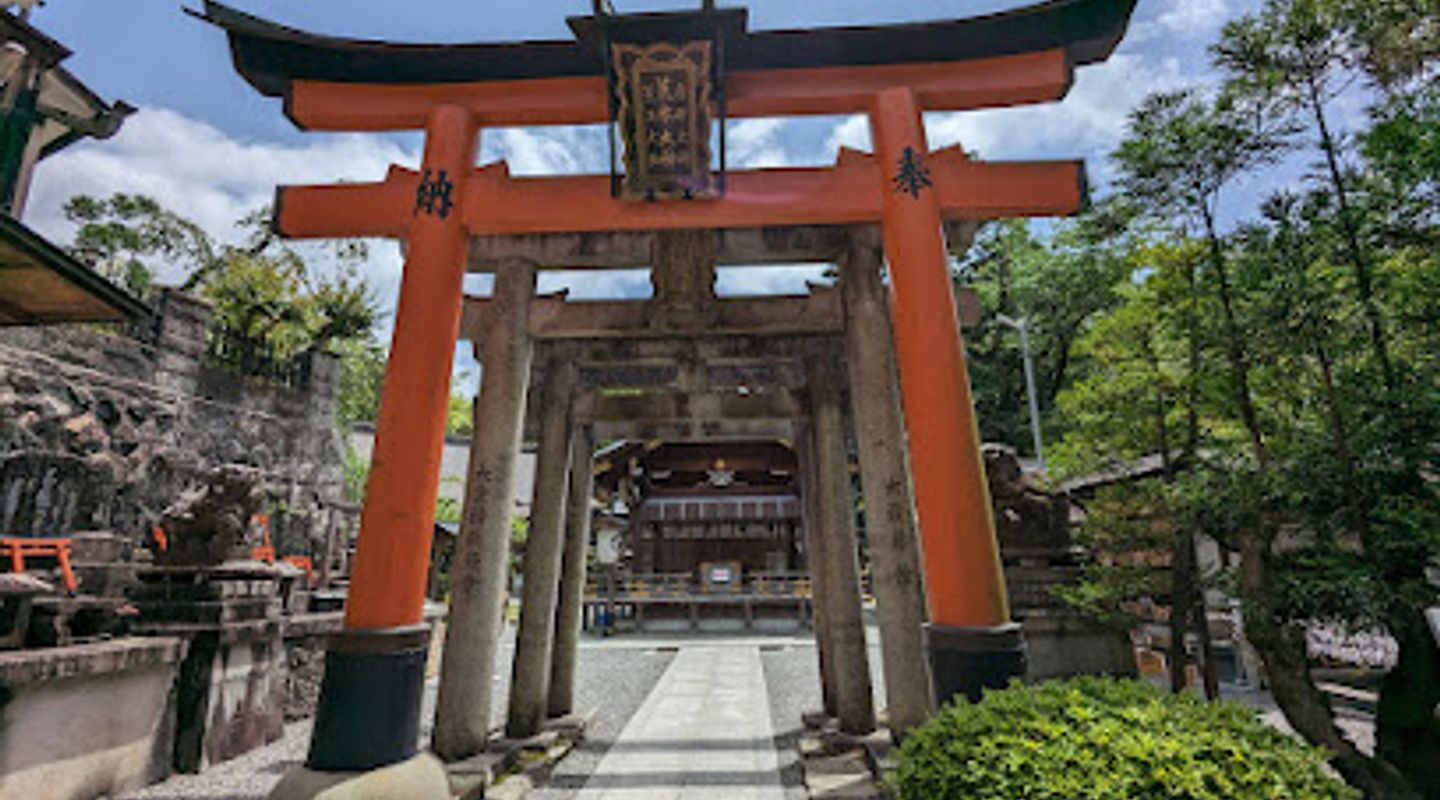
A brief summary of Fushimi Inari Taisha
Explore a mesmerizing mountain path through thousands of vibrant red torii gates at Kyoto's iconic Fushimi Inari Taisha shrine.
Fushimi Inari Taisha is a captivating Shinto shrine in Kyoto, famed for its thousands of vibrant vermilion torii gates that wind up Mount Inari. Dedicated to Inari, the god of rice and prosperity, it offers a unique and enchanting hiking experience through a seemingly endless tunnel of traditional gates.
Opening hours
- Every dayOpen 24 hours
Opening hours as listed on the venue’s Google Business Profile. Hours can change for services and special events, so check with the venue before you go.
- Address
- 68 Fukakusa Yabunouchicho, Fushimi Ward, Kyoto, 612-0882
- Phone
- Website
Getting there
Public Transport
Walking
Car
Discover more about Fushimi Inari Taisha
Overview
Fushimi Inari Taisha, the head shrine of Inari, is a mesmerizing destination that beckons travelers to Kyoto. Founded in 711 and later moved to its current location in 816, the shrine is dedicated to Inari, the Shinto god of rice, agriculture, business prosperity, and fortune. Over time, Inari has become the patron deity of merchants, which explains why most of the torii gates are donated by businesses and individuals seeking blessings.The shrine's most iconic feature is the Senbon Torii, thousands of vermilion torii gates that create a seemingly endless tunnel winding up the slopes of Mount Inari. Donated by individuals and businesses, each gate is inscribed with the name of the donor and the date of the donation. The hike to the summit and back takes approximately 2-3 hours, covering a 4km trail. Along the way, hikers encounter smaller shrines, fox statues (the fox being the messenger of Inari), and tranquil bamboo groves. The vermilion color of the gates symbolizes protection against evil forces.While the main buildings at the base of the mountain are noteworthy, including the Romon Gate donated in 1589, the true allure lies in the ascent through the torii gates. About halfway up, at the Yotsutsuji intersection, hikers are rewarded with panoramic views of Kyoto. Though the trails beyond this point offer less variation, the experience of being immersed in the serene, almost otherworldly atmosphere makes Fushimi Inari Taisha a truly unforgettable destination. The shrine is open 24 hours a day and is free to enter, making it accessible at any time. Visiting early in the morning or in the evening is recommended to avoid crowds.
Evendo Review Centre
 Google
Guest reviews
Explore Fushimi Inari Taisha on the map
A handpicked selection of must-see spots near Fushimi Inari Taisha, mapped for you.
Get your free copy of our complete guide to Fushimi Inari Taisha, delivered straight to you.
Everything on this page, from opening hours and how to get there to Eve’s tips and the best time to go, in one PDF you can read offline, print or share.
Already have an account? Sign in
Your Fushimi Inari Taisha guide is ready.
We'll send it to · Not you? Sign out

Getting your guide ready…
We are putting together a fresh copy of the Fushimi Inari Taisha guide. This can take up to a minute.
This can take a few moments. If your browser asks, choose Allow so the download can start. You'll find the guide in your Downloads folder.
Nothing happened? Download it again
Sorry, the guide is taking longer than usual. Please try again in a minute, or get it by email instead.
Unlock the best of Fushimi Inari Taisha
Skip-the-line tickets, guided tours with entry, and walking tours of the area, booked in a few clicks.


 Tour
TourFushimi Inari Shrine: Explore the 1, 000 Torii Gates on an audio walking tour
from $14.24 Tour
TourSelf-Guided Kyoto Ukiyo-e Photo Experience: Past & Present Art
from $19.00 Tour
TourFushimi Inari Kimono Rental Experience in Kyoto
from $20.74 Tour
TourDepart from Osaka & Kyoto: Classic Nara Park&Fushimi Inari Tour
from $45.55
Other nearby places you may find interesting
The closest places of the same kind, if this one is not quite what you had in mind.
-
-
-
-
-


Swipe for more places
More to explore near Fushimi Inari Taisha

 Best experiences near Fushimi Inari Taisha
 Best hotels near Fushimi Inari Taisha
 Best landmarks near Fushimi Inari Taisha
 Best attractions near Fushimi Inari Taisha
 Best shops near Fushimi Inari Taisha
 Best restaurants near Fushimi Inari Taisha
 Best bars near Fushimi Inari Taisha
Do you manage this location?
Take control to get all the benefits, like improved information, better appearance, and stronger visibility across AI-powered discovery.
Explore more
Explore more of Iki
Discover Iki Island, Japan's untouched paradise, where ancient history meets pristine beaches and tranquil landscapes, offering a serene escape from the mainland.
Explore Iki
Explore more of Japan
Discover the harmony of tradition and modernity in Japan, where ancient temples and cutting-edge technology coexist in perfect balance.
Explore Japan
