

Free Iki Travel Guide & Mobile App
Explore Iki with free travel guides. Discover regional history, expert tips, proposed trips, and audio guides on web or mobile app.


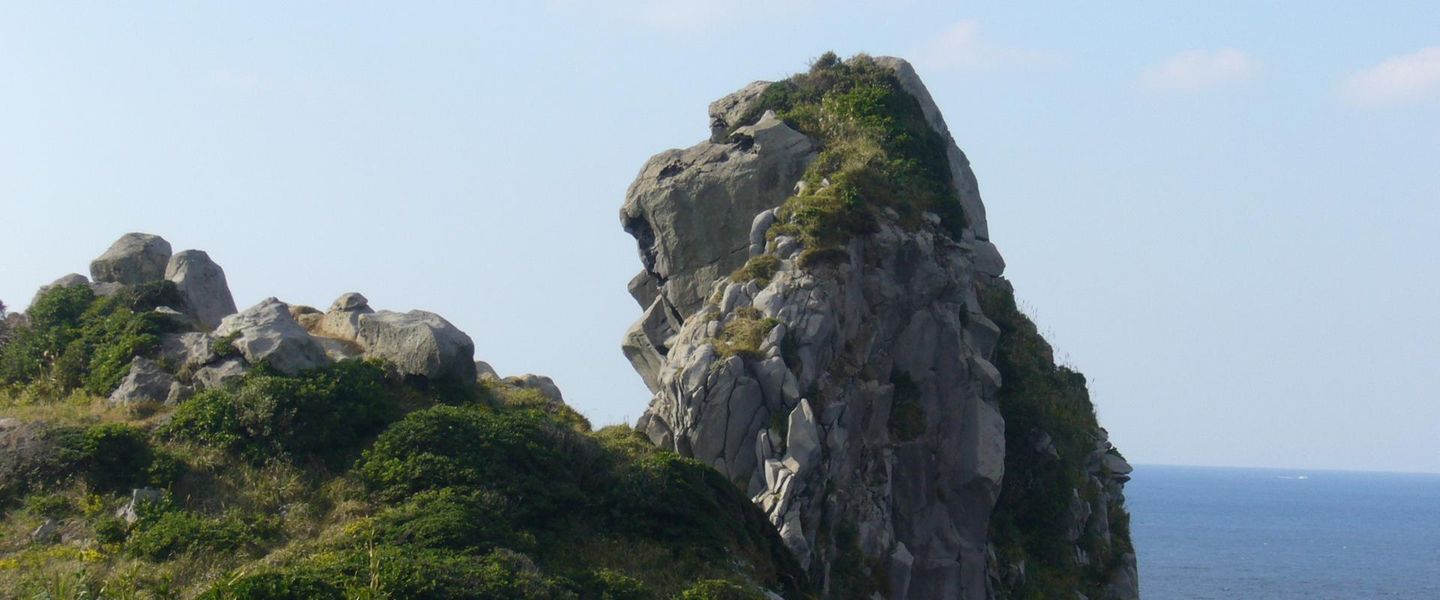


Explore Iki’s ancient ruins, shrine-dotted hills, seafood, beaches and dramatic coast between Kyushu and Tsushima in Japan’s Korea Strait.
Read more about Iki
When is the best time to visit Iki?
Best: May, October–November · 19–24°C| Month | High (°C) | Rainfall (mm) |
|---|---|---|
| January | 10 | 80 |
| February | 11 | 90 |
| March | 14 | 110 |
| April | 19 | 120 |
| May (best) | 23 | 130 |
| June | 27 | 160 |
| July | 31 | 170 |
| August | 31 | 160 |
| September | 30 | 150 |
| October (best) | 24 | 130 |
| November (best) | 19 | 110 |
| December | 13 | 90 |
Getting to and around Iki
How to get there
Transportation
Best attractions in Iki
Iki’s attractions range from archaeological remains to open coastal scenery. Harunotsuji Site is the central historical attraction, offering a window onto a Yayoi-period settlement and Iki’s role in early sea exchange; the nearby Iki Iki Information and Cultural Exchange Museum adds archaeological and cultural context. Shrine visits form another distinctive thread, with Tsukiyomi Shrine, Ondake Shrine and many smaller sanctuaries set among woodland, fields and villages. Along the coast, Saruiwa at Cape Makizaki is a memorable natural formation, while beaches such as Kuyoshihama provide opportunities for swimming and seaside walks in suitable conditions. Boat excursions to Tatsunoshima can reveal cliffs, coves and clear waters, though access is seasonal and weather-dependent. Visitors can also explore fishing ports, rural roads and food-producing landscapes, or arrange experiences connected with Iki shochu and local agriculture. The island’s appeal is less about a dense collection of ticketed attractions than about connecting its maritime history, living religious landscape and varied shoreline.
-
Tourist attraction
Matsumoto-jō Castle
Explore the stunning Matsumoto-jō Castle, a historical gem in Nagano, showcasing Japan's rich cultural heritage and breathtaking architecture.
-
Tourist attraction
Zenkōji temple
Discover the spiritual heart of Nagano at Zenkōji Temple, a stunning Buddhist site filled with history, culture, and tranquility.
-
Tourist attraction
Matsumoto Castle Park
Discover the breathtaking Matsumoto Castle Park, where history meets nature in the heart of Matsumoto, Japan.
-
Tourist attraction
Suwa Taisha Shimosha Akimiya
Discover the serene beauty and spiritual essence of Suwa Taisha Shimosha Akimiya, a Shinto shrine steeped in tradition and natural charm.
Best landmarks in Iki
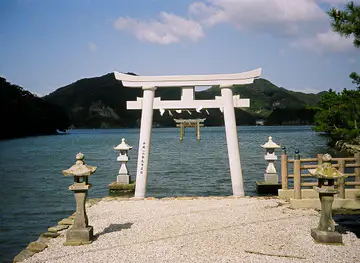
Saruiwa, or Monkey Rock, is Iki’s most immediately recognisable natural landmark: a tall sea-weathered rock standing beside the western coast at Cape Makizaki, with an outline traditionally likened to a crouching monkey. Harunotsuji Site is a landmark of a different kind, representing the island’s archaeological importance as a Yayoi-period maritime centre and making the ancient sea route tangible in the modern landscape. Among Iki’s religious landmarks, Tsukiyomi Shrine is associated with lunar worship and occupies a wooded setting, while Ondake Shrine is known for its hilltop position and numerous stone monkey figures. The island’s coastline itself provides a series of geographical landmarks, from exposed capes and cliffs to sandy bays and the waters around Tatsunoshima. Rather than a single monumental skyline, Iki is defined by these dispersed places, where natural forms, sacred sites and archaeological evidence collectively express the island’s long relationship with the sea.
-
Shinto shrine
Fushimi Inari Taisha
Explore a mesmerizing mountain path through thousands of vibrant red torii gates at Kyoto's iconic Fushimi Inari Taisha shrine.
-
Observation deck
Tokyo Skytree
Experience breathtaking panoramic views of Tokyo from Japan's tallest structure, a modern symbol of innovation and tradition.
-
Observation deck
Tokyo Tower
Experience breathtaking panoramic views of Tokyo from this iconic symbol of Japan's post-war resurgence and architectural achievement.
-
Castle
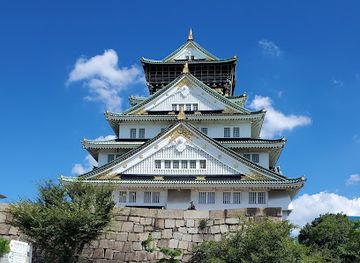
Osaka Castle
Explore Osaka Castle: A historic landmark with a rich past, stunning architecture, and beautiful park grounds in the heart of Osaka.
Explore Iki on the map
Plan your trip on one map. See where the top cities, national parks and sights are, and book hotels and experiences in a few clicks.
Best hotels in Iki
Best restaurants in Iki
Dining on Iki is shaped by the island’s surrounding waters and agricultural land. Sea urchin is a celebrated seasonal speciality, while locally landed fish, squid and other seafood appear in sashimi, grilled dishes, rice bowls and set meals. Iki beef is another important local product, generally served in restaurants that specialise in regional ingredients, while rice and barley connect the table to the island’s farming economy. Small seafood restaurants, harbour eateries, Japanese set-meal establishments and accommodation kitchens are often the most practical places to sample local cooking. Iki shochu, made from barley with rice koji and malted barley, is the signature local spirit and is commonly enjoyed with food. Availability and quality vary with fishing seasons and weather, so menus may change. Travellers should expect some smaller establishments to have limited English and fewer payment options, making accommodation recommendations and a little flexibility valuable.
-
Ramen
Iki na Isshō
Discover authentic Japanese ramen at Iki na Isshō in Taito City - where every bowl tells a story of tradition and flavor.
-
Fusion restaurant
Ninja Tokyo
Explore Ninja Tokyo: A Unique Fusion Restaurant Where Japanese Tradition Meets Creative Cuisine in an Enchanting Setting.
-
Steak
Hakushū Teppanyaki
Indulge in exquisite teppanyaki at Hakushū Teppanyaki, where premium steak meets exceptional service in Tokyo's lively Shibuya district.
-
Sushi
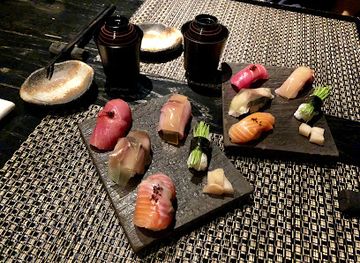
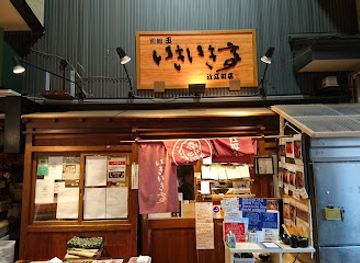
Iki-iki Tei
Experience Kanazawa's culinary excellence at Iki-iki Tei – where every sushi roll tells a story.
Best bars in Iki
Iki does not have a large metropolitan nightlife scene; evenings generally centre on izakaya, small bars, restaurants and traditional drinking establishments in or near the principal port communities, especially around Gonoura and Ashibe. These venues may serve local seafood alongside Iki shochu, beer and sake, and some offer the intimate counter seating typical of Japanese neighbourhood bars. In rural areas, evening options are sparse and are often tied to accommodation or a pre-arranged meal rather than a late-night venue. Seasonal festivals and community events can create livelier occasions, but they should not be assumed to operate on a fixed visitor timetable. Respect quiet residential surroundings, check the return arrangements to remote accommodation, and never rely on finding a taxi late at night outside the main settlements.
-
Bar
Kujira Entertainment
Experience the vibrant nightlife of Tokyo at Kujira Entertainment, where cocktails, modern izakaya dining, and live entertainment come together in Shinjuku.
-
Cocktail bar
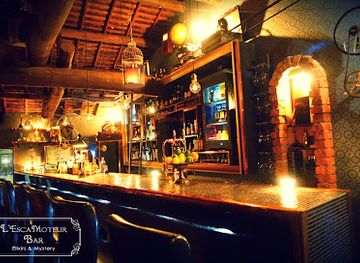
L'Escamoteur
Discover the whimsical charm of L'Escamoteur, Kyoto's enchanting cocktail bar, where creativity meets mixology in a magical setting.
-
Bar
The SG Club
Experience the vibrant nightlife of Shibuya at The SG Club, where innovative cocktails and a lively atmosphere await.
-
Grill
TOKYO Whisky Library
Explore the luxurious world of whisky at Tokyo Whisky Library, a premier destination for connoisseurs in the heart of Tokyo.


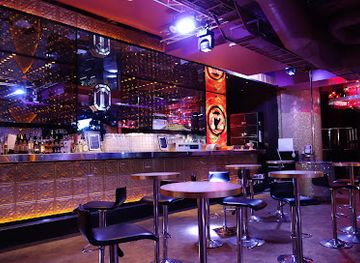
Best nightclubs in Iki
Iki does not have a large metropolitan nightlife scene; evenings generally centre on izakaya, small bars, restaurants and traditional drinking establishments in or near the principal port communities, especially around Gonoura and Ashibe. These venues may serve local seafood alongside Iki shochu, beer and sake, and some offer the intimate counter seating typical of Japanese neighbourhood bars. In rural areas, evening options are sparse and are often tied to accommodation or a pre-arranged meal rather than a late-night venue. Seasonal festivals and community events can create livelier occasions, but they should not be assumed to operate on a fixed visitor timetable. Respect quiet residential surroundings, check the return arrangements to remote accommodation, and never rely on finding a taxi late at night outside the main settlements.
-
Night club
KITSUNE KYOTO
Explore the electrifying nightlife at KITSUNE KYOTO, where music, dance, and unforgettable memories await you in the heart of Japan's historic city.
-
Night club
TK
Discover the electrifying atmosphere of TK Night Club in Shibuya, Tokyo, where music, dance, and unforgettable experiences await every night.
-
Night club
Kujira Entertainment
Dive into Tokyo's nightlife at Kujira Entertainment, where vibrant performances, exquisite cocktails, and unforgettable experiences await.
-
Night club
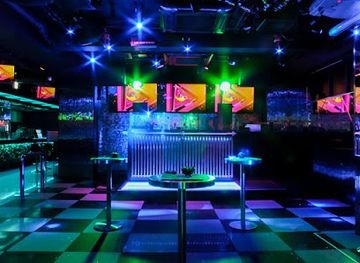
V2 TOKYO
Dive into the dynamic nightlife of Tokyo at V2, where world-class DJs and an electrifying atmosphere create unforgettable nights.


Best shops in Iki
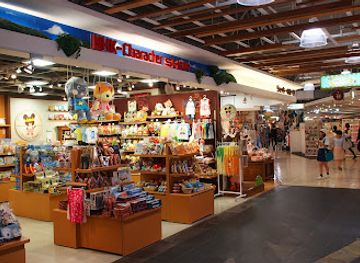
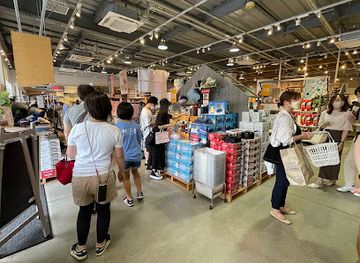
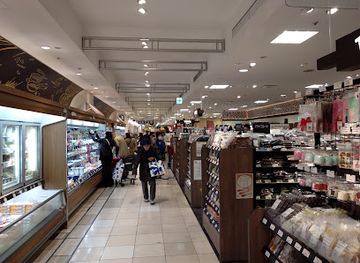
Shopping on Iki is modest in scale and focused on useful local products rather than large retail districts. The main port settlements have small shops and food outlets where visitors can look for Iki shochu, locally produced barley and rice products, seafood, sea urchin products when in season, and packaged regional specialities. Farm and fishing products may also appear through accommodation providers, local shops or direct-sales outlets, although availability changes with harvests and landings. Souvenirs connected with the island’s shrines, archaeology and coastal identity are more likely to be found at cultural sites and tourist information points than in a dedicated shopping quarter. For everyday provisions, the larger settlements offer the widest choice, while remote villages have fewer businesses and more limited opening arrangements. Bring a reusable bag and cash, and remember that some fresh foods are unsuitable for carrying long distances without appropriate packaging.
-
Gift shop
CANAL CITY HAKATA
Explore Canal City Hakata: A vibrant shopping haven featuring shops, dining, and entertainment in the heart of Fukuoka, Japan.
-
Shopping mall
AMU Plaza Hakata City
AMU Plaza Hakata City: Explore a vibrant shopping mall in Fukuoka offering diverse shops, delicious dining, and cultural experiences.
-
Outlet mall
Tosu Premium Outlets
Explore Tosu Premium Outlets: A Premier Shopping Destination in Japan Offering Great Deals and Delicious Dining Choices.
-
Department store
Iwataya-honten
Explore Iwataya-honten in Fukuoka for an unforgettable shopping experience blending luxury, tradition, and local culture.

Get your free copy of our complete guide to Iki, delivered straight to you.
Everything on this page, from attractions and restaurants to essentials and local phrases, in one PDF you can read offline, print or share.
Already have an account? Sign in
Your Iki guide is ready.
We'll send it to · Not you? Sign out

Getting your guide ready…
We are putting together a fresh copy of the Iki guide. This can take up to a minute.
This can take a few moments. If your browser asks, choose Allow so the download can start. You'll find the guide in your Downloads folder.
Nothing happened? Download it again
Sorry, the guide is taking longer than usual. Please try again in a minute, or get it by email instead.
Iki essentials
Currency and Payment
Safety
Emergency Situations
Do's and Don'ts
Local Tips
From Eve
Local phrases worth knowing
You don't need to get them perfect. A few words go a long way, and locals appreciate the effort.
Basics
| English | Local | Say it |
|---|---|---|
| Hello | Howdy | [haʊdi] |
| Goodbye | See ya | [si jə] |
| Yes | Yep | [jɛp] |
| No | Nope | [noʊp] |
| Please/You're welcome | Sure thing | [ʃʊr θɪŋ] |
| Thank you | Thanks | [θæŋks] |
| Excuse me/Sorry | Pardon me | [ˈpɑrdən mi] |
| How are you? | How's it going? | [haʊz ɪt ˈɡoʊɪŋ] |
| Fine. And you? | Good. You? | [ɡʊd ju] |
| Do you speak English? | You speak English? | [ju spiːk ˈɪŋɡlɪʃ] |
| I don't understand | I don't get it | [aɪ doʊnt ɡɛt ɪt] |
Eating & Drinking
| English | Local | Say it |
|---|---|---|
| I'd like to see the menu, please | Can I see the menu? | [kæn aɪ si ðə ˈmɛnju] |
| I don't eat meat | I’m a vegetarian | [aɪm ə ˌvɛdʒəˈtɛriən] |
| Cheers! | Cheers! | [ʧɪrz] |
| I would like to pay, please | Can I get the check, please? | [kæn aɪ ɡɛt ðə ʧɛk pliz] |
Emergencies
| English | Local | Say it |
|---|---|---|
| Help! | Help! | [hɛlp] |
| Go away! | Leave me alone! | [liːv mi əˈloʊn] |
| Call the Police! | Call 911! | [kɔl naɪn wʌn wʌn] |
| Call a doctor! | Get a doctor! | [ɡɛt ə ˈdɑktər] |
| I'm lost | I'm lost | [aɪm lɔst] |
| I'm ill | I'm not feeling well | [aɪm nɑt ˈfiːlɪŋ wɛl] |
Shopping
| English | Local | Say it |
|---|---|---|
| I'd like to buy... | I want to buy... | [aɪ wɑnt tə baɪ] |
| I'm just looking | Just browsing | [dʒʌst ˈbraʊzɪŋ] |
| How much is it? | What’s the price? | [wʌts ðə praɪs] |
| That's too expensive | That's pricey | [ðæts ˈpraɪsi] |
| Can you lower the price? | Can you make it cheaper? | [kæn ju meɪk ɪt ˈʧipər] |
Time & Numbers
| English | Local | Say it |
|---|---|---|
| What time is it? | What time is it? | [wʌt taɪm ɪz ɪt] |
| It's one o'clock | It's one | [ɪts wʌn] |
| Half past (10) | Half past ten | [hæf pæst tɛn] |
| Morning | Morning | [ˈmɔrnɪŋ] |
| Afternoon | Afternoon | [ˌæftərˈnun] |
| Evening | Evening | [ˈiːvnɪŋ] |
| Yesterday | Yesterday | [ˈjɛstərdeɪ] |
| Today | Today | [təˈdeɪ] |
| Tomorrow | Tomorrow | [təˈmɔroʊ] |
| 1 | One | [wʌn] |
| 2 | Two | [tu] |
| 3 | Three | [θri] |
| 4 | Four | [fɔr] |
| 5 | Five | [faɪv] |
| 6 | Six | [sɪks] |
| 7 | Seven | [sɛvən] |
| 8 | Eight | [eɪt] |
| 9 | Nine | [naɪn] |
| 10 | Ten | [tɛn] |
Transport & Directions
| English | Local | Say it |
|---|---|---|
| Where's a/the...? | Where's the...? | [wɛrz ðə] |
| What's the address? | What's the address? | [wʌts ði ˈædrɛs] |
| Can you show me (on the map)? | Can you point it out? | [kæn ju pɔɪnt ɪt aʊt] |
| When's the next (bus)? | When's the next bus? | [wɛnz ðə nɛkst bʌs] |
| A ticket (to ....) | A ticket to ... | [ə ˈtɪkɪt tə ...] |
History of Iki
Iki in the Yayoi Maritime World
The archaeological site of Harunotsuji records a substantial settlement dating mainly from the Yayoi period, when communities in the Japanese archipelago were developing wet-rice agriculture, metalworking and increasingly complex exchange networks. Situated between northern Kyushu and the Korean Peninsula, Iki was well placed within the sea routes connecting these regions. Excavated remains indicate a settlement involved in trade and administration rather than an isolated farming village. Its importance is reflected in ancient written sources that describe Iki as a polity encountered on the route towards Japan.
Ichiki-no-kuni in Early Japanese Records
Chinese histories written in the third century describe Iki, rendered as Iki or Ichiki, among the maritime polities encountered by envoys travelling towards the Japanese islands. These accounts are valuable because they place the island within the political geography of early East Asian exchange. They also suggest that Iki functioned as a point where travellers, goods and information moved between Kyushu, the Korean Peninsula and other islands. The surviving archaeological landscape gives physical substance to this early documentary reference.
Shrines, Buddhism and Island Communities
Over subsequent centuries, religious institutions helped organise communities and mark the island’s relationship with the sea, agriculture and seasonal cycles. Shrines dedicated to local and wider Japanese deities were established in different settlements, while Buddhist practice also formed part of island life. Tsukiyomi Shrine is associated with traditions of lunar worship, and numerous smaller sanctuaries remain integrated into hills, woodland and village settings. Their importance is not only architectural: they preserve local histories and continue to structure festivals and community observances.
Iki and the Mongol Invasions
Iki became caught up in the Mongol-led invasions of Japan in 1274 and 1281. Its position between the Korean Peninsula and Kyushu made it an exposed point on the invasion routes, and the island suffered severe disruption during the first campaign. The events form part of a wider history of maritime defence in northern Kyushu and the islands of the Korea Strait. Later memories of the attacks survive in regional historical traditions, temple and shrine associations, and the broader defensive history of the surrounding seas.
Early-Modern Maritime Administration
During the Edo period, Iki was administered as part of the Hirado domain, whose rulers controlled territories and maritime interests in north-western Kyushu. The island’s ports supported fishing, coastal transport and movement between Kyushu and the waters around Tsushima. Although Iki was not a large urban centre, its location gave it continuing strategic and economic significance. The period also helped shape village and harbour networks that remain visible in the distribution of settlements and working waterfronts.
Fishing, Farming and Iki Shochu
Modern Iki developed through a mixed island economy rather than a single dominant industry. Rice cultivation, barley growing, cattle raising, fishing and coastal harvesting all contributed to household livelihoods, while locally produced barley shochu became one of the island’s best-known products. Iki shochu has a distinctive production tradition using rice koji alongside barley and malted barley. The combination of food production and maritime work remains central to the island’s present-day identity and dining culture.
Modern Iki within Nagasaki Prefecture
With the establishment of Japan’s modern prefectural system, Iki became part of Nagasaki Prefecture. Improved ferry, air and road connections reduced the island’s isolation while leaving its dispersed settlements and agricultural landscapes largely intact. Administrative consolidation created the present municipalities of Ashibe, Gonoura, Ishida and Katsumoto. In recent decades, archaeology, coastal scenery, shrine heritage and food culture have become increasingly important to visitors, complementing the continuing work of fishing, farming and local services.
Iki in Photos
Browse through our photo collection highlighting the charm and character of the destination.
Neighbouring regions of Iki
The closest regions to Iki, if you have time for more than one.
-
-

-

-

-


Swipe for more regions
Explore more

Explore more of Japan
Discover the harmony of tradition and modernity in Japan, where ancient temples and cutting-edge technology coexist in perfect balance.
Explore Japan