Kinkaku-ji, Kinki Kansai Travel Guide
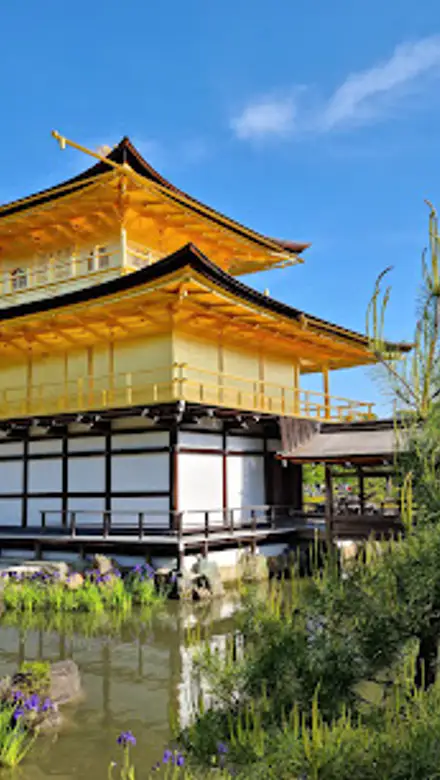
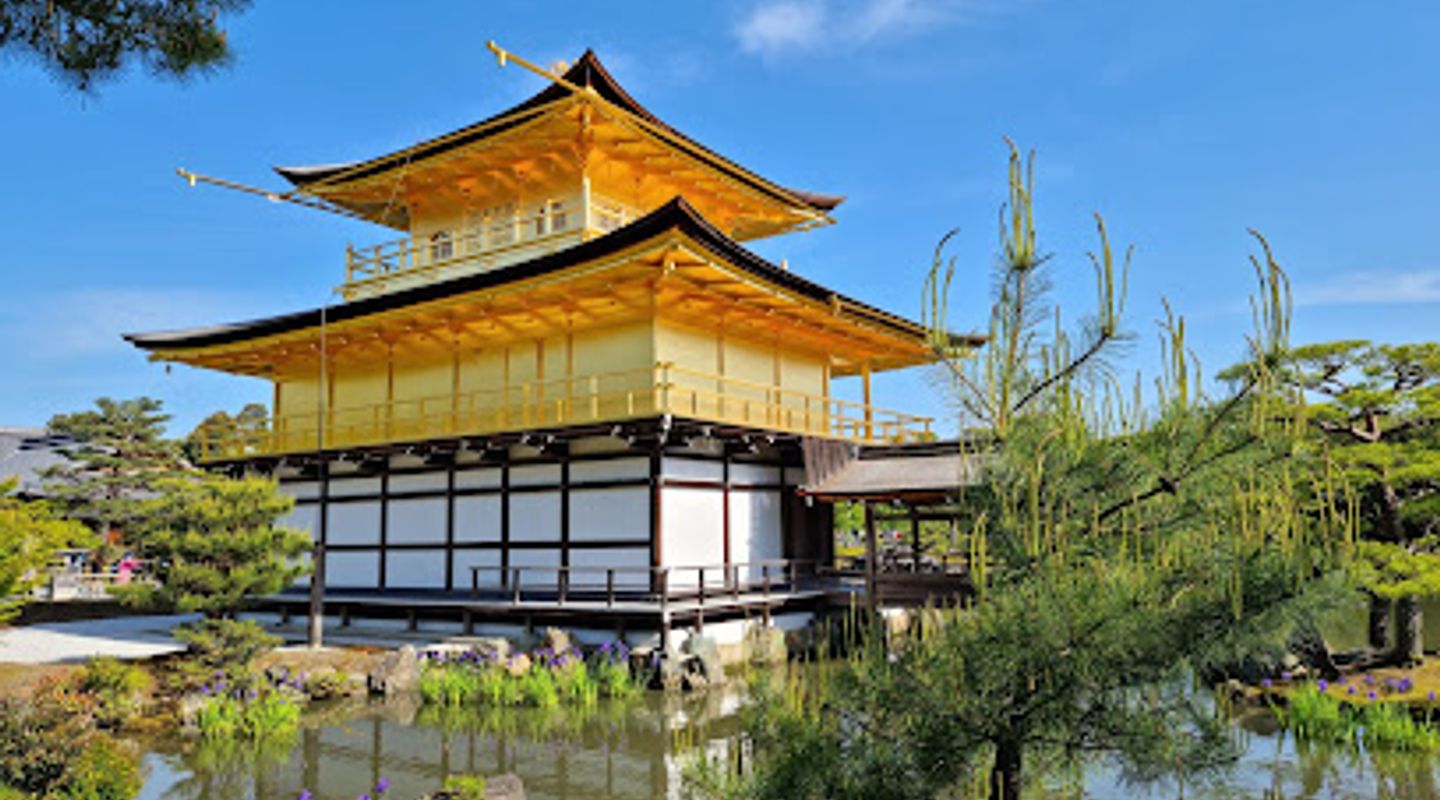
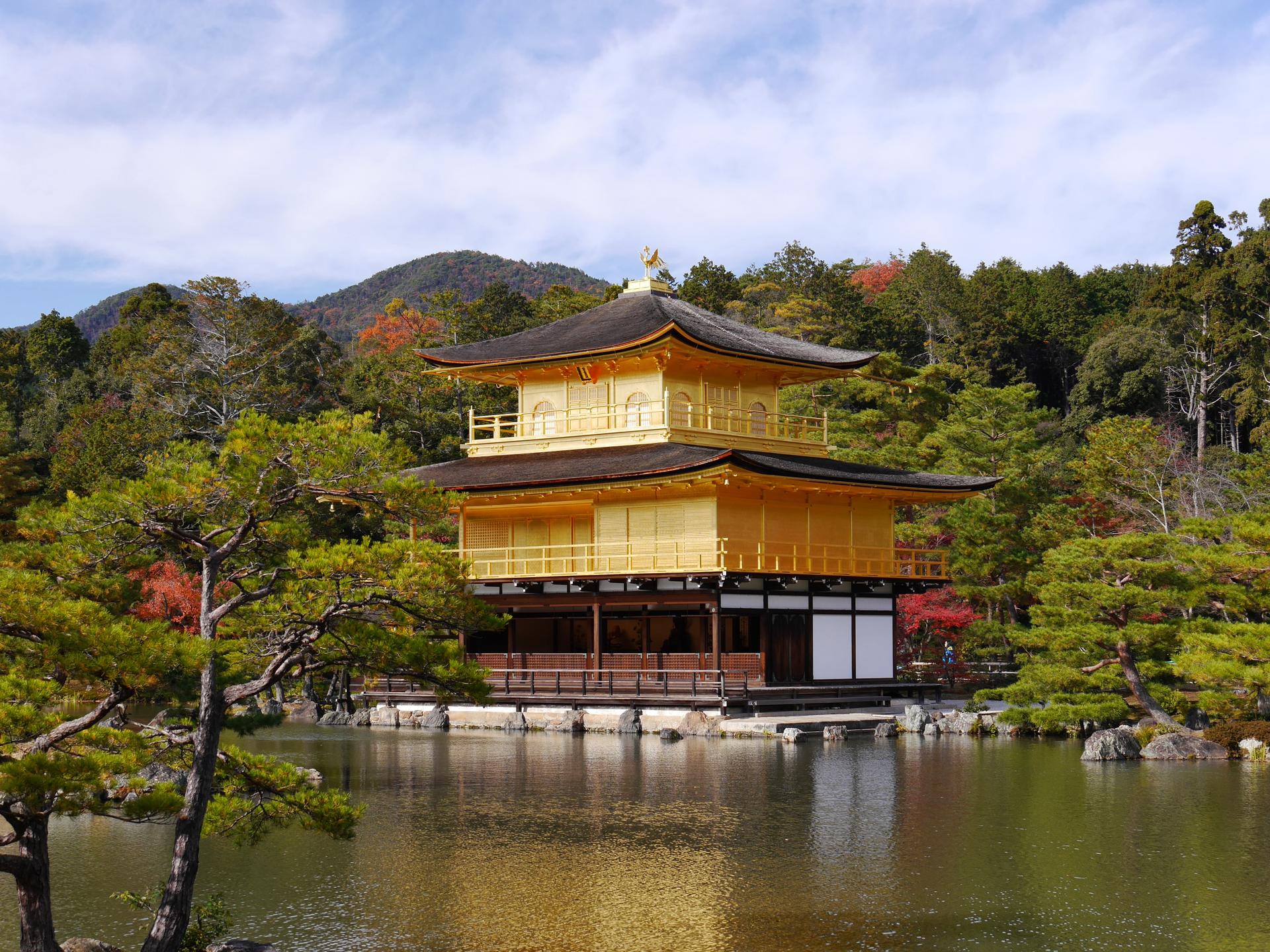
A dazzling Zen temple in Kyoto, Kinkaku-ji (the Golden Pavilion) reflects centuries of history and serene beauty on its iconic Mirror Pond.
Kinkaku-ji, also known as the Golden Pavilion, is a Zen Buddhist temple in Kyoto, Japan, famed for its stunning gold-leaf-covered exterior. Originally built in 1397 as a retirement villa for Shogun Ashikaga Yoshimitsu, it was converted into a temple after his death. Reflecting beautifully on Kyoko-chi (Mirror Pond), it's a UNESCO World Heritage Site and a symbol of Kyoto's rich history.
A brief summary to Kinkaku-ji
- 1 Kinkakujicho, Kyoto, Kinkakujicho, Kita Ward, Kyoto, 603-8361, JP
- Click to display
- Click to display
- Monday 9 am-5 pm
- Tuesday 9 am-5 pm
- Wednesday 9 am-5 pm
- Thursday 9 am-5 pm
- Friday 9 am-5 pm
- Saturday 9 am-5 pm
- Sunday 9 am-5 pm

Know before you go
Hi, I'm Eve. Here are a few practical things to know before exploring Kinkaku-ji.
- Arrive early in the morning to avoid crowds and capture the best light for photographs.
- Purchase your ticket at the entrance gate; no advance booking is required.
- Take time to explore the gardens surrounding the pavilion, including the Sekkatei Teahouse.
- Combine your visit with nearby attractions like Ryoan-ji Temple and Ninnaji Temple, both within walking distance.
- Note that tripods and gimbals are not permitted due to crowds.
Do you manage this location?
Take control to get all the benefits, like improved information, better appearance, and stronger visibility across AI-powered discovery. Learn more about listing your business on Evendo
Activate your presenceOther nearby places you may find interesting
The closest places of the same kind, if this one is not quite what you had in mind.

Explore Kinkaku-ji on the Map
A handpicked selection of must-see spots near Kinkaku-ji, mapped for you.
Unlock the Best of Kinkaku-ji
Buy tickets
-
No tickets available
Book tours with entry


Getting There
-
Public Transport
From Kyoto Station, take Kyoto City Bus #101 or #205 (from stands B2 and B3 respectively) directly to Kinkaku-ji. The journey takes approximately 40 minutes and costs ¥230. Be careful not to board the 'Rapid #205' bus, as it does not stop at Kinkaku-ji. Alternatively, take the Karasuma Subway Line to Kitaoji Station (15 minutes, ¥260) and then transfer to bus #204 or #205 (10 minutes, ¥230) from the Kitaoji Bus Terminal. Buses to Kinkaku-ji depart from the Blue Bus Stop at the terminal.
-
Taxi
From Kitaoji Station (subway), a taxi to Kinkaku-ji takes about 10 minutes and costs approximately ¥1500. From Kyoto Station, a taxi ride will be considerably longer and more expensive. During peak hours, traffic may cause delays.
-
Walking
Kinkaku-ji is a short walk north from Hirano Shrine and Waratenjin Shrines. From Ryoan-ji Temple, it's approximately a 15-minute walk. From Kitaoji Station (subway), it is about a 2-mile (3.1 km) walk.
-
Parking
If driving, parking is available near Kinkaku-ji. Parking fees are approximately ¥400 per hour for passenger cars. Note that parking is available from 8:40 a.m. to 5:10 p.m.. Several parking lots are in the vicinity, including Kinkakuji Mae Parking.
Discover more about Kinkaku-ji













Your all‑in‑one travel companion app
Explore expert travel guides, compare and book tours, experiences, hotels, and more—all from the palm of your hand. Download now for seamless trip planning wherever your wanderlust takes you.


Explore More of Kinki Kansai
Looking beyond Kinkaku-ji? Discover Kinki Kansai for broader travel guides, local hot-spots, and regional highlights.
Explore Kinki Kansai
Discover the tranquility of Japanese culture with an authentic tea ceremony experience in the heart of Kyoto, dressed in a traditional kimono.
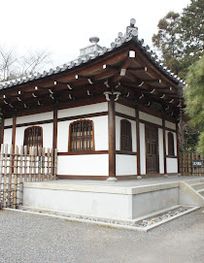
Discover the tranquility of Ryōan-ji, a Zen Buddhist temple in Kyoto, featuring a world-famous rock garden and serene landscapes that inspire peace and reflection.