Shichijo Bridge Travel Guide
Free Guide: Cross the historic Shichijo Bridge in Kyoto for serene views, cultural heritage, and a peaceful escape in the heart of the city.


A brief summary of Shichijo Bridge
Cross the historic Shichijo Bridge in Kyoto for serene views, cultural heritage, and a peaceful escape in the heart of the city.
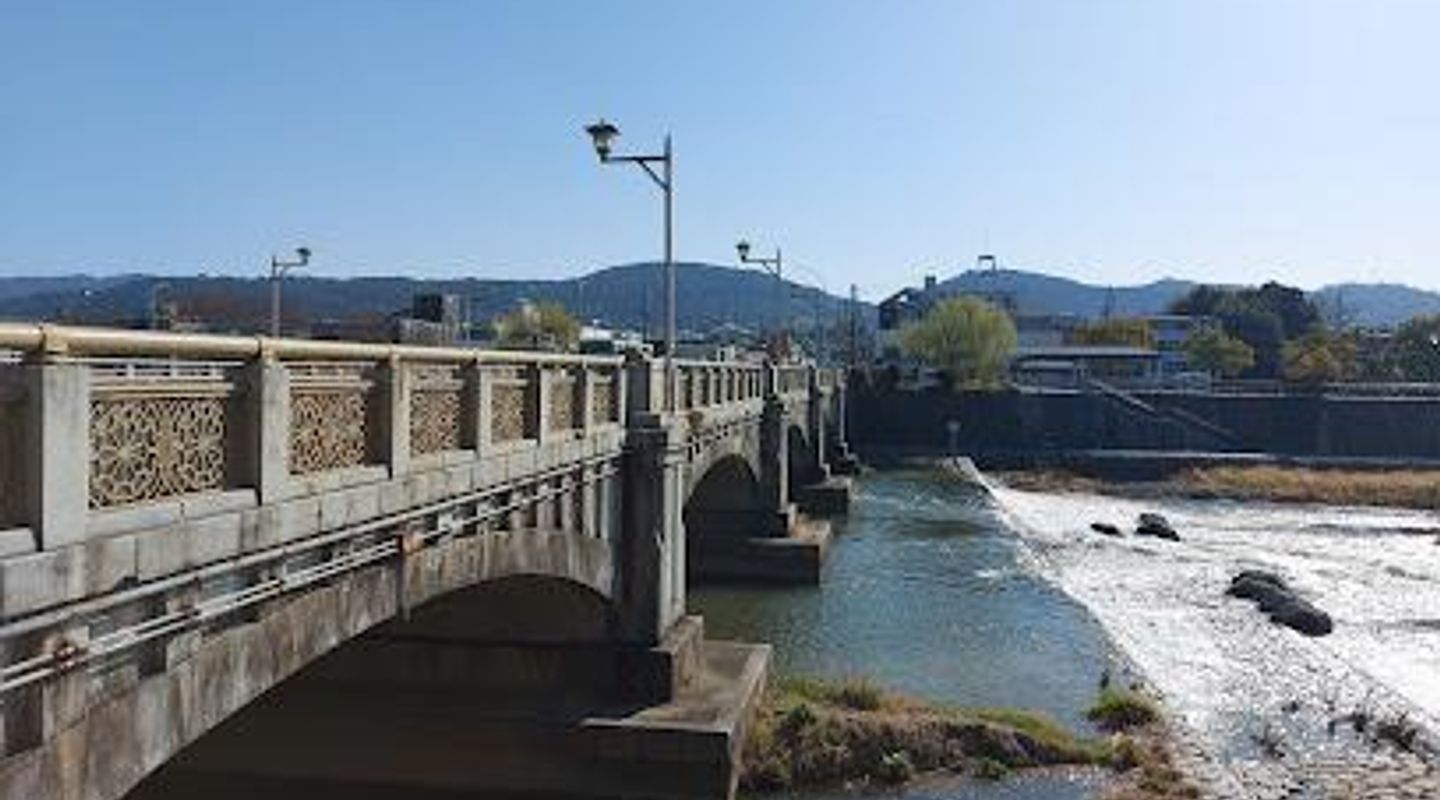
Shichijo Bridge, gracefully spanning the Kamo River in Kyoto, is more than just a functional structure; it's a scenic landmark steeped in history. Built in the early 20th century, it offers picturesque views and a tranquil atmosphere, inviting visitors to reflect and appreciate Kyoto's cultural heritage.
Opening hours
- Every dayOpen 24 hours
Opening hours as listed on the venue’s Google Business Profile. Hours can change for services and special events, so check with the venue before you go.
- Address
- 448 Inaricho, Shimogyo Ward, Kyoto, 600-8133
- Website
Getting there
Walking
Public Transport
Taxi
Discover more about Shichijo Bridge
Overview
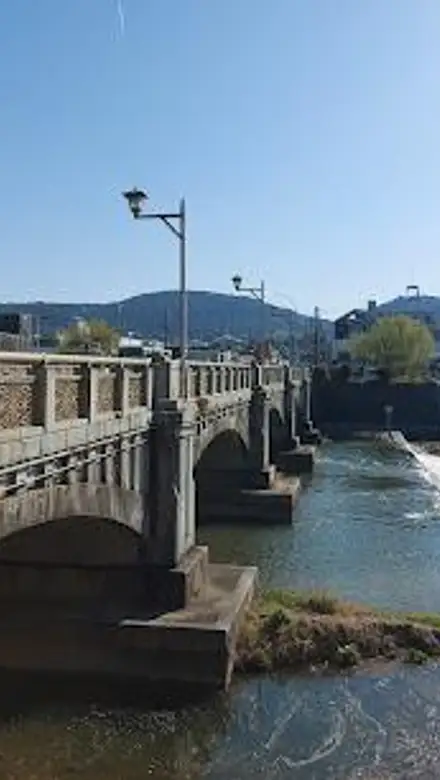
Shichijo Bridge, located in Kyoto, Japan, is a charming bridge that seamlessly integrates into the city's captivating scenery. More than a mere pathway, it serves as a scenic viewpoint, providing lovely views of the surrounding area. The gentle flow of the river and verdant surroundings contribute to a serene ambiance, making it an ideal spot for a leisurely stroll or quiet contemplation.The bridge's construction, commencing in November 1911 and concluding in March 1913, coincided with Kyoto's Three Great Public Works during the Meiji period. These projects included the Biwa Canal, the water supply system, and the introduction of the tram system along with road widening. Designed by architect Matsunosuke Moriyama and engineered by Keisaku Shibata, Shichijo Bridge stands as the sole surviving bridge from these significant public works.Once one of Japan's largest reinforced-concrete bridges, it originally featured Secession-style European designs on its supports and railings. In 1987, the bridge underwent remodeling when the Keihan Railway was moved underground, resulting in the removal of one span. Today, it is a five-span reinforced-concrete arch bridge, measuring 82 meters in length and 18 meters in width. The remodeled railings showcase arrow wheel patterns inspired by Sanjusangen-do Temple. Shichijo Bridge was registered as a National Registered Tangible Cultural Property on March 29, 2019.
Evendo Review Centre
 Google
Guest reviews
Explore Shichijo Bridge on the map
A handpicked selection of must-see spots near Shichijo Bridge, mapped for you.
Get your free copy of our complete guide to Shichijo Bridge, delivered straight to you.
Everything on this page, from opening hours and how to get there to Eve’s tips and the best time to go, in one PDF you can read offline, print or share.
Already have an account? Sign in
Your Shichijo Bridge guide is ready.
We'll send it to · Not you? Sign out

Getting your guide ready…
We are putting together a fresh copy of the Shichijo Bridge guide. This can take up to a minute.
This can take a few moments. If your browser asks, choose Allow so the download can start. You'll find the guide in your Downloads folder.
Nothing happened? Download it again
Sorry, the guide is taking longer than usual. Please try again in a minute, or get it by email instead.
Other nearby places you may find interesting
The closest places of the same kind, if this one is not quite what you had in mind.
-
-
-
-
-


Swipe for more places
More to explore near Shichijo Bridge

 Best experiences near Shichijo Bridge
 Best hotels near Shichijo Bridge
 Best landmarks near Shichijo Bridge
 Best attractions near Shichijo Bridge
 Best shops near Shichijo Bridge
 Best restaurants near Shichijo Bridge
 Best bars near Shichijo Bridge
Do you manage this location?
Take control to get all the benefits, like improved information, better appearance, and stronger visibility across AI-powered discovery.
Explore more
Explore more of Kinki (Kansai)
Discover Kinki (Kansai), Japan's cultural heartland, where ancient traditions meet modern vibrancy in iconic cities like Kyoto, Osaka, and Nara.
Explore Kinki (Kansai)
Explore more of Japan
Discover the harmony of tradition and modernity in Japan, where ancient temples and cutting-edge technology coexist in perfect balance.
Explore Japan