

Free Kinki (Kansai) Travel Guide & Mobile App
Explore Kinki (Kansai) with free travel guides. Discover regional history, expert tips, proposed trips, and audio guides on web or mobile app.


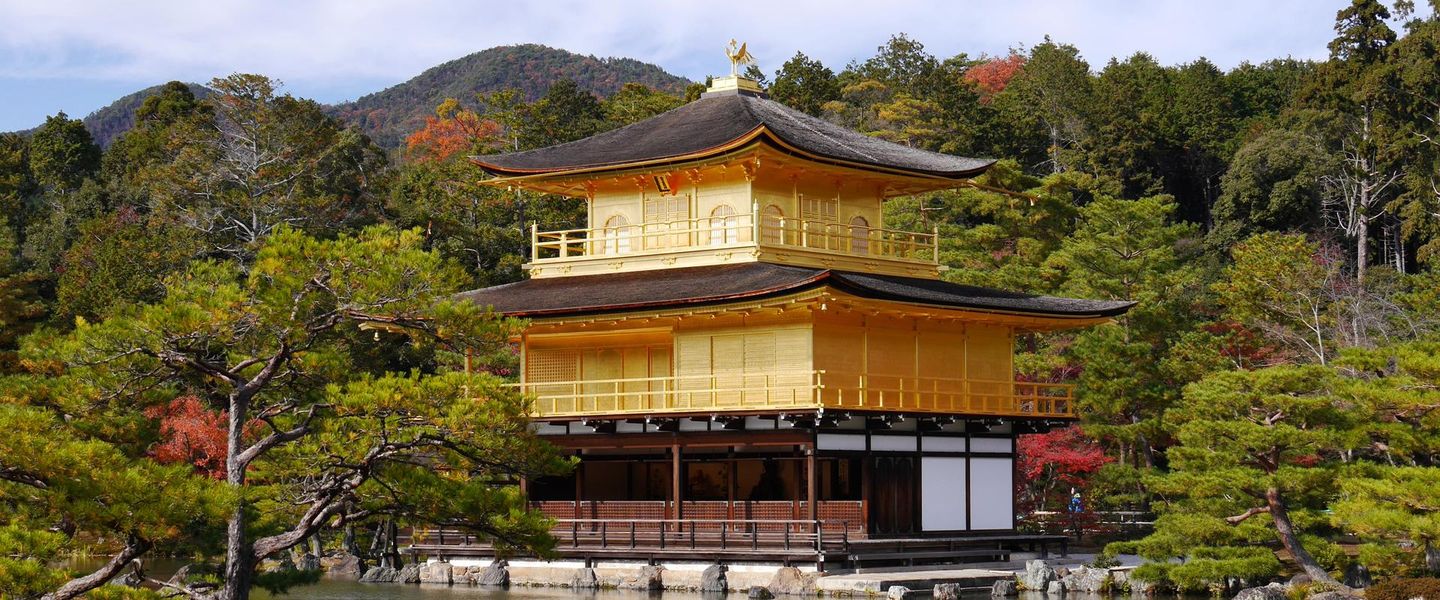


Explore Kansai’s ancient capitals, lively Osaka, sacred mountains, lake landscapes, historic castles and distinctive regional food across western Japan.
Read more about Kinki (Kansai)
When is the best time to visit Kinki (Kansai)?
Best: April–May, October · 19–24°C| Month | High (°C) | Rainfall (mm) |
|---|---|---|
| January | 9 | 45 |
| February | 10 | 65 |
| March | 14 | 100 |
| April (best) | 19 | 110 |
| May (best) | 24 | 145 |
| June | 28 | 220 |
| July | 32 | 160 |
| August | 33 | 140 |
| September | 29 | 190 |
| October (best) | 23 | 120 |
| November | 16 | 80 |
| December | 11 | 50 |
Getting to and around Kinki (Kansai)
How to get there
Transportation
Top city travel guides in Kinki (Kansai)
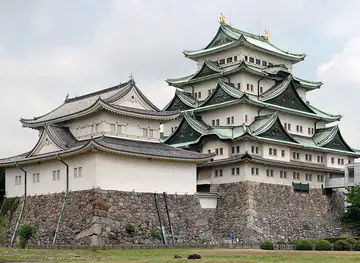
The cities of Kinki (Kansai), and the easiest places to base yourself.
-

-

-

-


Swipe for more cities
Destinations in Kinki (Kansai)
Resorts, valleys and scenic spots worth a trip of their own.
-

-

-

-

-

-


Swipe for more destinations
Best attractions in Kinki (Kansai)
Kansai’s attractions range from the temple and shrine precincts of Kyoto and Nara to Osaka’s museums, markets and contemporary entertainment. Kyoto offers historic gardens, craft traditions and former imperial spaces, while Nara combines major Buddhist monuments with archaeological remains and wooded sacred grounds. Osaka Castle Park, the Osaka Museum of Housing and Living and the city’s waterfront districts reveal different aspects of urban history. In Hyogo, Himeji Castle is a major heritage destination, and Kobe provides port history, museums and access to Arima Onsen. Shiga centres on Lake Biwa, with lakeside scenery, castle towns and temples such as Enryaku-ji on Mount Hiei. Wakayama and southern Mie are suited to slower travel, with Mount Kōya, the Kumano pilgrimage landscape, Ise’s shrine precincts and the coastal scenery of Ise-Shima. Outdoor options include hiking, cycling, hot springs, temple stays and sections of the Kumano Kodo, although rural transport and weather require careful planning.
-
Shinto shrine
Fushimi Inari Taisha
Discover Kyoto's iconic Fushimi Inari Taisha: a mesmerizing mountain path adorned with thousands of vibrant vermilion torii gates.
-
Park
Nara Park
Discover the beauty of Nara Park, where tranquil landscapes, free-roaming deer, and rich cultural heritage create an unforgettable experience in Japan's historic heart.
-
Buddhist temple
Kiyomizu-dera
Explore Kiyomizu-dera, Kyoto's iconic Buddhist temple, featuring stunning views, rich history, and serene surroundings.
-
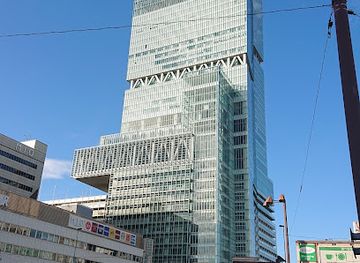
ABENO HARUKAS
Experience breathtaking views and vibrant culture at Abeno Harukas, Japan's tallest building and a must-see destination in Osaka.


Best landmarks in Kinki (Kansai)
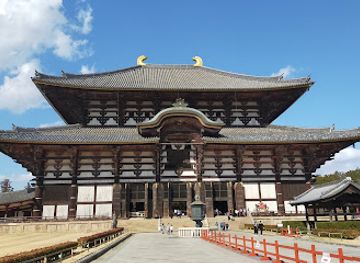
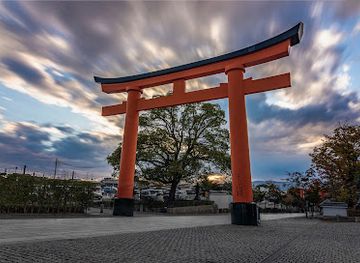
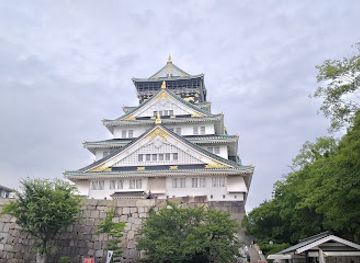
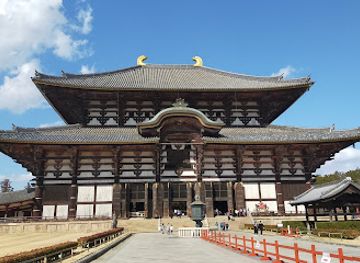
Kansai’s landmarks express its role in Japan’s religious, imperial, military and commercial history. Kyoto’s Fushimi Inari Taisha is recognised by its long avenues of vermilion torii, while Kiyomizu-dera and the Golden Pavilion, Kinkaku-ji, represent different architectural and religious traditions within the former capital. Nara’s Tōdai-ji, with its immense wooden Great Buddha Hall, is one of Japan’s most consequential Buddhist monuments, and Hōryū-ji in Nara Prefecture preserves some of the country’s earliest surviving wooden buildings. Himeji Castle in Hyogo is celebrated for its preserved white defensive architecture, while Osaka Castle symbolises the political struggles that shaped early modern Japan, even though much of its present structure is a modern reconstruction. Lake Biwa provides Kansai with a major natural landmark, and Mount Kōya, Kumano and Ise are sacred landscapes as much as individual sites. Kobe’s historic waterfront and foreign-settlement architecture reflect the opening of Japan’s treaty ports and the city’s international commercial development.
-
Shinto shrine
Fushimi Inari Taisha
Explore Kyoto's iconic Fushimi Inari Taisha: a mesmerizing mountain path through thousands of vibrant vermilion torii gates.
-
Castle
Osaka Castle
Explore Osaka Castle: a historic landmark with a museum, panoramic views, and a beautiful surrounding park in the heart of Osaka.
-
Tourist attraction
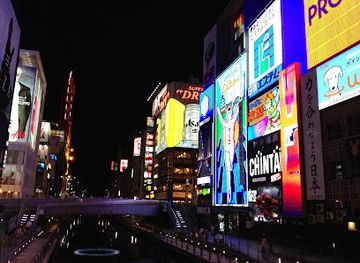
Dotonbori
Experience Osaka's vibrant nightlife, dazzling lights, and diverse culinary scene in the heart of Dotonbori, home to the iconic Glico Running Man.
-
Park
Nara Park
Discover ancient temples, serene gardens, and friendly wild deer in Nara Park, a historic treasure in the heart of Nara, Japan.
Explore Kinki (Kansai) on the map
Plan your trip on one map. See where the top cities, national parks and sights are, and book hotels and experiences in a few clicks.
Best hotels in Kinki (Kansai)
Best restaurants in Kinki (Kansai)
Kansai’s food culture reflects the region’s contrasting histories as imperial centre, merchant metropolis, port and agricultural hinterland. Osaka is associated with informal dishes such as takoyaki, okonomiyaki and kushikatsu, alongside busy markets, noodle shops and izakaya. Kyoto is known for seasonal kaiseki, delicate confectionery, Kyoto vegetables, tofu and shojin-ryori served in Buddhist contexts, while Nara has longstanding specialities including persimmon-leaf sushi and local pickles. Kobe’s restaurants showcase Hyogo produce and the region’s highly regulated beef trade, though the city’s dining extends well beyond that single product. Wakayama is noted for umeboshi, citrus, seafood and regional ramen traditions; Shiga offers freshwater fish and produce from the Lake Biwa basin, and Mie is particularly strong in seafood, oysters and Ise-area specialities. Department-store food halls, covered shopping arcades, market streets, cafés, rural inns and neighbourhood restaurants make it easy to explore without relying only on formal dining.
-
Japanese
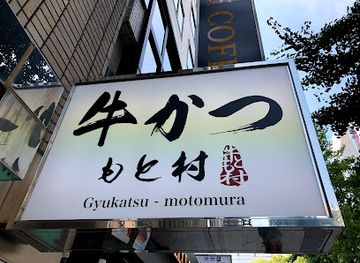
Gyukatsu Motomura
Discover authentic Japanese flavors at Gyukatsu Motomura in Osaka - where tradition meets culinary excellence.
-
Ramen
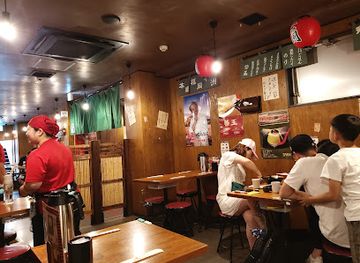
Ichiran Ramen Dotonbori - South Building
Discover authentic tonkotsu ramen at Ichiran Ramen Dotonbori, where flavor meets tradition in a unique dining experience.
-
Ramen
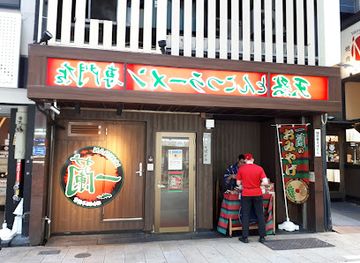
Ichiran Ramen Dotonburi - Main Building
Discover the authentic taste of Japan at Ichiran Ramen Dotonburi - where each bowl is crafted to perfection for an unforgettable culinary experience.
-
Ramen
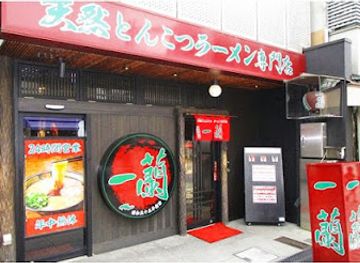
Ichiran - Kyoto Kawaramachi
Discover authentic tonkotsu ramen at Ichiran - Kyoto Kawaramachi, where individual dining booths enhance your culinary journey in Japan.
Best bars in Kinki (Kansai)
Evening life varies sharply across Kansai. Osaka has the region’s broadest late-night choice, from standing bars, izakaya and craft-beer rooms to music venues and clubs concentrated around areas such as Dotonbori, Shinsaibashi and Umeda. Kyoto’s nightlife is more dispersed and includes traditional drinking establishments, sake bars, intimate music venues and restaurants, with the Ponto-chō and Gion areas requiring particular respect for residents and private businesses. Kobe offers polished bars, jazz venues and restaurants around Sannomiya and the former foreign settlement, while Nara generally favours relaxed pubs, small bars and evening dining. In Wakayama, Shiga, Mie and mountain districts, nightlife is usually centred on local restaurants, hotel lounges, traditional inns, breweries or sake producers rather than large clubs. Check transport carefully before spending an evening outside the main cities, as the final train or bus may determine where an overnight stay is practical.
-
 Shinto shrine
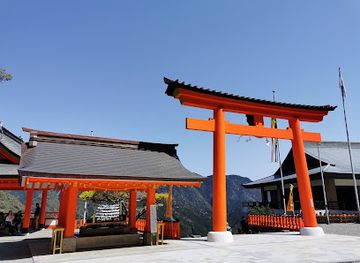
Kumano Hongu Taisha
Discover the spiritual heart of Japan at Kumano Hongu Taisha, a historic Shinto shrine nestled in the natural beauty of Wakayama Prefecture.
-
Shinto shrine
Kumano-Nachi Taisha
Discover the spiritual heart of Japan at Kumano-Nachi Taisha, where ancient traditions and breathtaking nature converge.
-
Cocktail bar
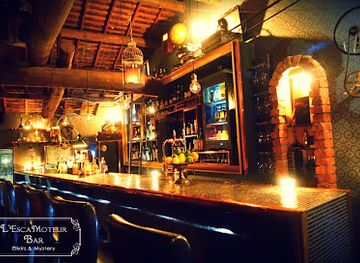
L'Escamoteur
Experience the magic of L'Escamoteur, Kyoto's enchanting cocktail bar, where creativity meets craftsmanship in every sip.
-
Cocktail bar
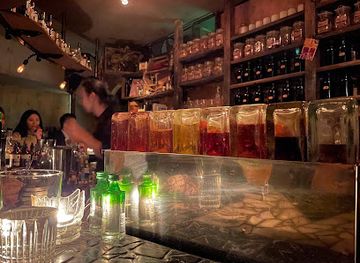
Bar Nayuta
Discover the art of cocktails in Osaka at Bar Nayuta – where innovative flavors meet a vibrant nightlife atmosphere.
Best nightclubs in Kinki (Kansai)
Evening life varies sharply across Kansai. Osaka has the region’s broadest late-night choice, from standing bars, izakaya and craft-beer rooms to music venues and clubs concentrated around areas such as Dotonbori, Shinsaibashi and Umeda. Kyoto’s nightlife is more dispersed and includes traditional drinking establishments, sake bars, intimate music venues and restaurants, with the Ponto-chō and Gion areas requiring particular respect for residents and private businesses. Kobe offers polished bars, jazz venues and restaurants around Sannomiya and the former foreign settlement, while Nara generally favours relaxed pubs, small bars and evening dining. In Wakayama, Shiga, Mie and mountain districts, nightlife is usually centred on local restaurants, hotel lounges, traditional inns, breweries or sake producers rather than large clubs. Check transport carefully before spending an evening outside the main cities, as the final train or bus may determine where an overnight stay is practical.
-
Night club
KITSUNE KYOTO
Discover the electrifying nightlife at KITSUNE KYOTO, where music, dance, and culture collide in an unforgettable experience.
-
Night club
Ammona
Experience the vibrant nightlife of Osaka at Ammona, where music, dance, and culture collide in an unforgettable party atmosphere.
-
Hotel
Kumano Club Resort
Discover the serene beauty of Kumano Club Resort, a perfect blend of Japanese hospitality and natural tranquility in Mie Prefecture.
-
Night club
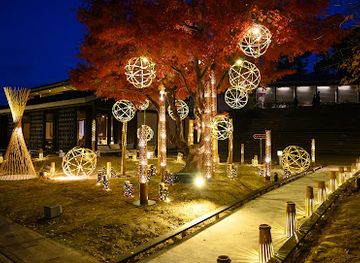
OWL
Explore Osaka's nightlife at OWL, a premier night club known for its vibrant atmosphere, innovative cocktails, and unforgettable DJ performances.



Best shops in Kinki (Kansai)
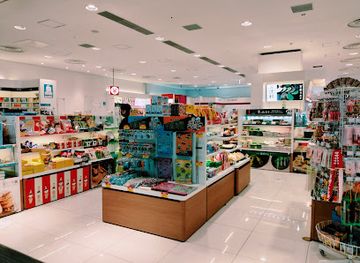
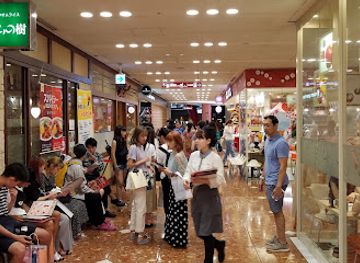
Shopping in Kansai ranges from Osaka’s dense arcades and department stores to Kyoto’s specialist craft shops and Nara’s temple-town streets. Osaka is particularly strong for kitchenware, casual fashion, cosmetics, electronics and food gifts, with major retail concentrations around Umeda, Namba and Shinsaibashi. Kyoto is the place to look for traditional textiles, ceramics, tea, incense, sweets, paper goods and made-in-Japan craft, although quality and price vary considerably between workshops and tourist-oriented shops. Nara offers wooden crafts, brushes, local confectionery and food products associated with the ancient capital. Kobe combines department stores, independent boutiques and food shopping around its central districts. In Shiga, Wakayama and Mie, seek out regional produce such as tea, citrus, ume products, seafood, sake and carefully packaged local specialities. Markets, station buildings and department-store basement food halls are practical places to buy gifts, while rural shops may close earlier and accept cash more readily than large urban retailers.
-
Business park
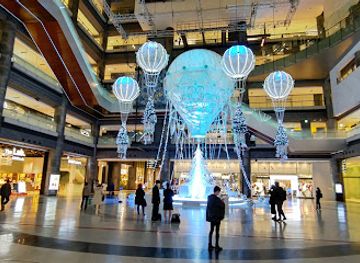
Grand Front Osaka
Experience the pulse of modern Osaka at Grand Front Osaka, a vibrant business park blending shopping, dining, and culture in an architectural marvel.
-
Business park
Grand Front Osaka
Experience the vibrant blend of shopping, dining, and entertainment at Grand Front Osaka, the heart of urban culture.
-
International airport
Kansai International Airport
Discover the architectural brilliance and cultural gateway of Kansai International Airport, your first step into the heart of Japan.
-
Shopping mall
HEP FIVE
Discover the vibrant shopping and entertainment experience at HEP FIVE, Osaka's iconic shopping mall featuring unique stores and stunning skyline views.

Get your free copy of our complete guide to Kinki (Kansai), delivered straight to you.
Everything on this page, from attractions and restaurants to essentials and local phrases, in one PDF you can read offline, print or share.
Already have an account? Sign in
Your Kinki (Kansai) guide is ready.
We'll send it to · Not you? Sign out

Getting your guide ready…
We are putting together a fresh copy of the Kinki (Kansai) guide. This can take up to a minute.
This can take a few moments. If your browser asks, choose Allow so the download can start. You'll find the guide in your Downloads folder.
Nothing happened? Download it again
Sorry, the guide is taking longer than usual. Please try again in a minute, or get it by email instead.
Kinki (Kansai) essentials
Currency and Payment
Safety
Emergency Situations
Do's and Don'ts
Local Tips
From Eve
Local phrases worth knowing
You don't need to get them perfect. A few words go a long way, and locals appreciate the effort.
Basics
| English | Local | Say it |
|---|---|---|
| Hello | こんにちは | [Konnichiwa] |
| Goodbye | さようなら | [Sayōnara] |
| Yes | はい | [Hai] |
| No | いいえ | [Iie] |
| Please/You're welcome | どうぞ | [Dōzo] |
| Thank you | ありがとうございます | [Arigatou gozaimasu] |
| Excuse me/Sorry | すみません | [Sumimasen] |
| How are you? | お元気ですか? | [Ogenki desu ka?] |
| Fine. And you? | 元気です。あなたは? | [Genki desu. Anata wa?] |
| Do you speak English? | 英語を話せますか? | [Eigo o hanasemasu ka?] |
| I don't understand | わかりません | [Wakarimasen] |
Eating & Drinking
| English | Local | Say it |
|---|---|---|
| I'd like to see the menu, please | メニューを見せてください | [Menyū o misete kudasai] |
| I don't eat meat | 肉は食べません | [Niku wa tabemasen] |
| Cheers! | 乾杯! | [Kanpai!] |
| I would like to pay, please | お会計をお願いします | [Okaikei o onegaishimasu] |
Emergencies
| English | Local | Say it |
|---|---|---|
| Help! | 助けて! | [Tasukete!] |
| Go away! | どいて! | [Doite!] |
| Call the Police! | 警察を呼んで! | [Keisatsu o yonde!] |
| Call a doctor! | 医者を呼んで! | [Isha o yonde!] |
| I'm lost | 迷いました | [Mayoimashita] |
| I'm ill | 具合が悪いです | [Guai ga warui desu] |
Shopping
| English | Local | Say it |
|---|---|---|
| I'd like to buy... | …を買いたいです | [… o kaitai desu] |
| I'm just looking | 見ているだけです | [Mite iru dake desu] |
| How much is it? | これはいくらですか? | [Kore wa ikura desu ka?] |
| That's too expensive | それは高すぎます | [Sore wa takasugimasu] |
| Can you lower the price? | 値段を下げてもらえますか? | [Nedan o sagete moraemasu ka?] |
Time & Numbers
| English | Local | Say it |
|---|---|---|
| What time is it? | 今何時ですか? | [Ima nanji desu ka?] |
| It's one o'clock | 1時です | [Ichi-ji desu] |
| Half past (10) | 10時半です | [Jū-ji han desu] |
| Morning | 朝 | [Asa] |
| Afternoon | 午後 | [Gogo] |
| Evening | 夕方 | [Yūgata] |
| Yesterday | 昨日 | [Kinō] |
| Today | 今日 | [Kyō] |
| Tomorrow | 明日 | [Ashita] |
| 1 | 1 | [Ichi] |
| 2 | 2 | [Ni] |
| 3 | 3 | [San] |
| 4 | 4 | [Shi] |
| 5 | 5 | [Go] |
| 6 | 6 | [Roku] |
| 7 | 7 | [Nana] |
| 8 | 8 | [Hachi] |
| 9 | 9 | [Kyū] |
| 10 | 10 | [Jū] |
Transport & Directions
| English | Local | Say it |
|---|---|---|
| Where's a/the...? | …はどこですか? | [… wa doko desu ka?] |
| What's the address? | 住所は何ですか? | [Jūsho wa nan desu ka?] |
| Can you show me (on the map)? | 地図で見せてもらえますか? | [Chizu de misete moraemasu ka?] |
| When's the next (bus)? | 次の(バス)はいつですか? | [Tsugi no (basu) wa itsu desu ka?] |
| A ticket (to ....) | (…)までの切符 | [(…) made no kippu] |
History of Kinki (Kansai)
Early Capitals and the Formation of the Japanese State
The southern Nara Basin was central to the emergence of Japan’s early imperial state. Capitals were established at Asuka and later at Heijō-kyō, present-day Nara, during the sixth to eighth centuries. Court government, writing, Buddhism and continental artistic influences developed here, leaving major archaeological remains and temples. The relocation of the capital to Heian-kyō, present-day Kyoto, in 794 began a new political and cultural era, but the Nara Basin remained a powerful religious and historical centre.
Heian Kyoto and Court Culture, 794–1185
Kyoto served as Japan’s imperial capital for almost a millennium after its foundation as Heian-kyō. The court shaped literature, painting, architecture, religious practice and systems of political authority, while aristocratic estates and temple institutions influenced the surrounding countryside. The period’s legacy remains visible in Kyoto’s temples, shrines, gardens and surviving ceremonial traditions. Although political power later shifted towards military governments, Kyoto continued to carry immense cultural and symbolic importance.
Buddhist Institutions and Medieval Pilgrimage
From the medieval period, religious networks transformed the mountains of Kansai. Mount Kōya in Wakayama became the principal centre of Shingon Buddhism after Kūkai established a monastic community there in the ninth century. The Kumano Sanzan shrines and routes across the Kii Peninsula attracted pilgrims from the imperial court, warrior elites and ordinary people. Nara’s great temples and the many sacred sites of Kyoto likewise connected religion with landholding, education, art and political influence.
Castles, Commerce and Political Unification
The sixteenth century brought warfare and state consolidation across Kansai. Osaka Castle was built by Toyotomi Hideyoshi on the site of an earlier temple complex and became a major political stronghold, while castles at Himeji and Hikone reflect the military architecture of the later feudal order. After the establishment of the Tokugawa shogunate in 1603, Osaka developed as a commercial hub, Kyoto retained imperial and artisanal importance, and castle towns and post stations structured regional trade.
Edo-Period Trade, Craft and Urban Culture
During the Edo period, Osaka became known as a major distribution centre for rice and commodities, earning the description ‘the nation’s kitchen’. Merchant wealth supported theatres, publishing, cuisine and popular urban culture. Kyoto’s textile, ceramics, cuisine and religious institutions flourished under a different but equally influential tradition of refined craft. Road and sea connections linked the cities with Lake Biwa, the Japan Sea, the Inland Sea and the pilgrimage routes of the Kii Peninsula.
Modernisation, Ports and Industrial Kansai
The Meiji era ended the feudal order and brought railways, new industries, modern education and expanded international trade. Kobe became one of Japan’s principal treaty ports and developed foreign communities, warehouses and port infrastructure. Osaka industrialised rapidly through textiles, engineering and manufacturing, while Kyoto combined modern institutions with established craft industries. Rail connections transformed access to Nara, Lake Biwa and the wider region, progressively linking historic centres with industrial cities.
War, Reconstruction and the Contemporary Region
Kansai experienced wartime mobilisation and air raids, particularly in Osaka and other industrial centres, but Kyoto’s historic core survived largely intact. Post-war reconstruction created extensive urban and economic growth, while heritage conservation, tourism and international education became increasingly important to Kyoto, Nara and Himeji. The 1995 Great Hanshin earthquake caused severe destruction in Kobe and surrounding Hyogo communities, followed by a major rebuilding effort. Today, Kansai combines globally connected metropolitan areas with historic towns, pilgrimage landscapes and rural districts facing demographic change.
Kinki (Kansai) in Photos
Browse through our photo collection highlighting the charm and character of the destination.
Neighbouring regions of Kinki (Kansai)
The closest regions to Kinki (Kansai), if you have time for more than one.
-

-
-

-

-


Swipe for more regions
Explore more

Explore more of Japan
Discover the harmony of tradition and modernity in Japan, where ancient temples and cutting-edge technology coexist in perfect balance.
Explore Japan