From Eve
Know before you go
Hi, I'm Eve. Here are a few practical things to know before exploring Nijō Castle.
Local know-how to help you travel smarter and make the most of every moment.


Explore Nijō Castle in Kyoto: a UNESCO World Heritage Site showcasing the opulent architecture and history of the Tokugawa shogunate.
Nijō Castle, built in 1603, served as the Kyoto residence of Tokugawa Ieyasu, the first shogun of the Edo Period. Later expanded by his grandson, it showcases opulent castle architecture and beautiful gardens. A UNESCO World Heritage site, it offers a glimpse into the power and lifestyle of Japan's shogunate.
Opening times, essentials, and a few local tips gathered into one calmer, easier-to-scan planning section.
Hi, I'm Eve. Here are a few practical things to know before exploring Nijō Castle.
Local know-how to help you travel smarter and make the most of every moment.
Public Transport
From Kyoto Station, take the Karasuma Subway Line to Karasuma-Oike Station and transfer to the Tozai Line to Nijojo-mae Station. The entrance of Nijō Castle is a short walk from the station. The subway trip takes about 15 minutes and costs 260 yen. Alternatively, take Kyoto City Bus numbers 9 or 50 from Kyoto Station to the Nijojo-mae bus stop. The bus takes 15-20 minutes and costs 230 yen.
Walking
If you are in central Kyoto, consider walking to Nijō Castle. From Nijo Station on the JR Sagano/San-in Line, it's approximately a 15-minute walk to the castle. Follow the main street east, and you'll see the castle walls and moats.
Taxi
Taxis are readily available throughout Kyoto. A taxi from Kyoto Station to Nijō Castle takes about 4 minutes and costs approximately 1,900-2,400 yen. Ensure the taxi driver knows the location, as there are other similar-sounding places.
Car
If driving, there are parking lots available at Nijō Castle. Parking Lot 1 (east of the castle) costs 600 yen for 40 minutes, with a maximum of 1,800 yen per day. During peak seasons (March 10th to April 10th and November), the rate is 700 yen for 40 minutes. Parking Lot 3 (south of the castle) costs 1,000 yen for the first two hours and 200 yen per extra hour. Parking for motorbikes is 400 yen for the first two hours, and 200 yen per extra hour. Bicycle parking is 200 yen for the first two hours, and 100 yen per extra hour.
Use Tower Bridge as your starting point for nearby food, family ideas, nightlife, and more local discoveries.

Explore expert travel guides, compare and book tours, experiences, hotels, and more—all from the palm of your hand. Download now for seamless trip planning wherever your wanderlust takes you.
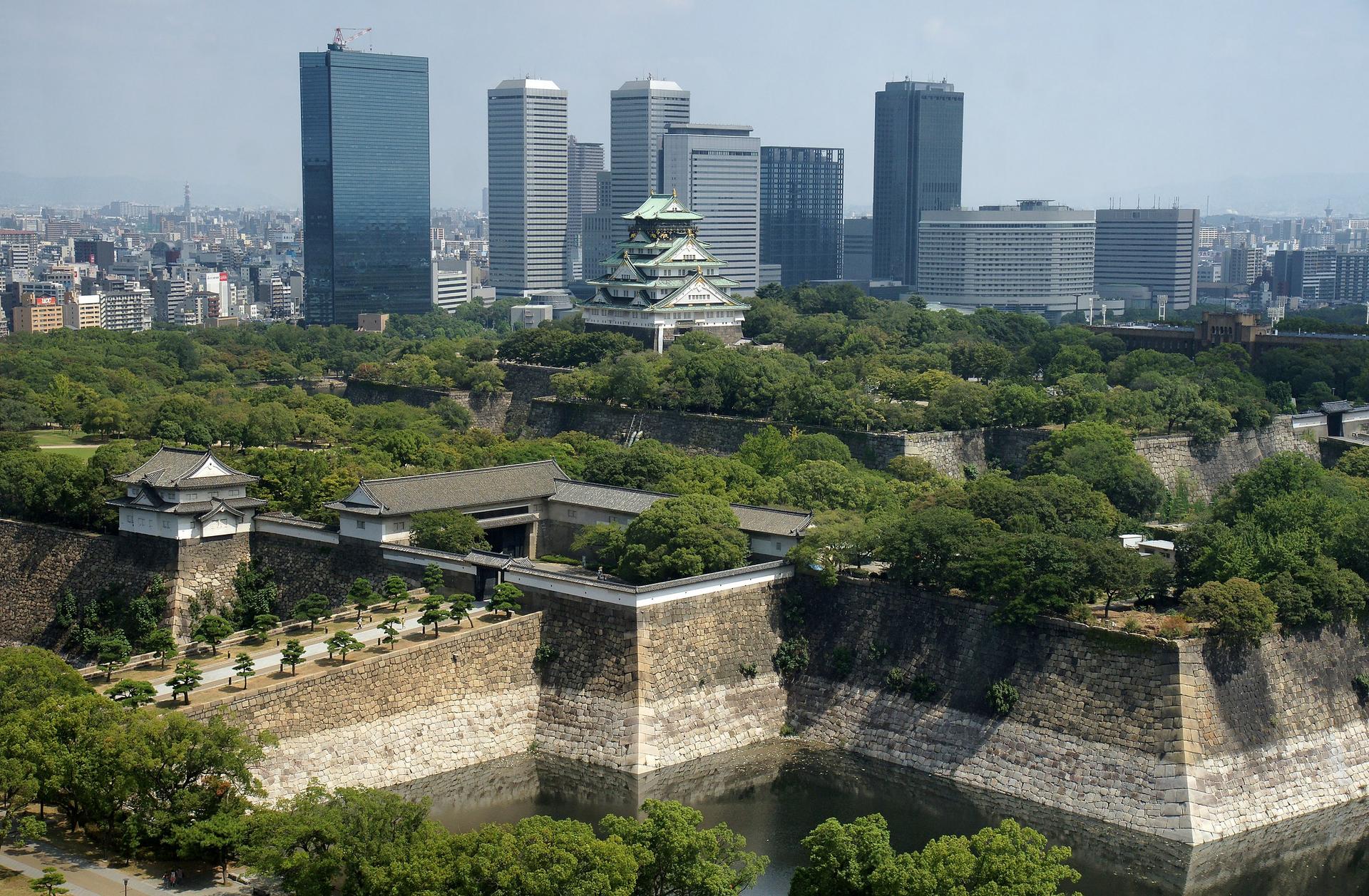
Discover Osaka, Japan’s lively metropolis where tradition meets modernity, renowned for its culinary delights, historic landmarks, and vibrant nightlife.
Tell me more about Osaka