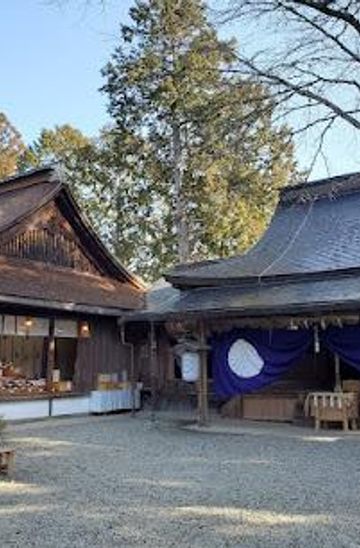
Yoshimizu Shrine: A Historical Sanctuary on Mount Yoshino
Discover Yoshimizu Shrine: A historic mountain sanctuary with stunning views, cultural treasures, and a rich connection to Japan's past.
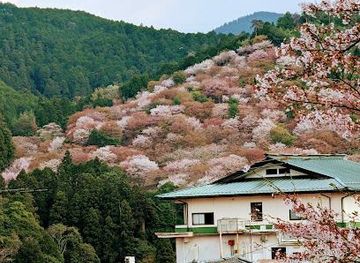
Yoshimizu Shrine, originally an 8th-century temple, offers a rich tapestry of Japanese history. It served as a refuge for historical figures like Minamoto Yoshitsune and Emperor Go-Daigo. Today, it's known for its stunning views, especially during cherry blossom season, and its historical artifacts.
A brief summary to Yoshimizu Shrine
- 579 Yoshinoyama, Yoshino, Yoshinoyama, Yoshino District, Nara, 639-3115, JP
- Click to display
- Click to display
- Monday 9 am-4:30 pm
- Tuesday 9 am-4:30 pm
- Wednesday 9 am-4:30 pm
- Thursday 9 am-4:30 pm
- Friday 9 am-4:30 pm
- Saturday 9 am-4:30 pm
- Sunday 9 am-4:30 pm

Know before you go
Hi, I'm Eve. Here are a few practical things to know before exploring Yoshimizu Shrine.
- Visit during cherry blossom season (late March to early April) for the most spectacular views, but be prepared for crowds.
- Arrive early, especially during peak season, to avoid long queues for the Yoshino Ropeway.
- Wear comfortable shoes, as the approach to the shrine involves walking uphill.
- Check out the Shoin (Important Cultural Property) to see the room where Yoshitsune hid and Emperor Go-Daigo's throne.
- Consider visiting in the autumn for vibrant fall foliage.
Do you manage this location?
Take control to get all the benefits, like improved information, better appearance, and stronger visibility across AI-powered discovery. Learn more
Activate your presence
Getting There
-
Walking
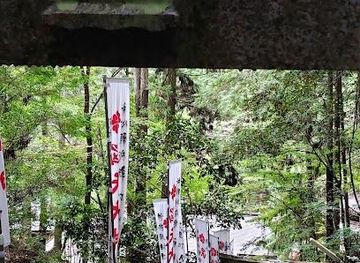
From Yoshinoyama Station (upper station of the Yoshino Ropeway), Yoshimizu Shrine is approximately a 20-minute walk. Follow the main road through the town, passing shops and other attractions. The shrine is located just off the main street, up a short, steep hill. Look for signs in Japanese and English.
-
Public Transport
From Kintetsu Yoshino Station, take the Yoshino Ropeway to Yoshinoyama Station. The ropeway costs 500 yen one way or 900 yen for a round trip. From Yoshinoyama Station, follow the walking directions to the shrine. Alternatively, during the cherry blossom season, shuttle buses run from Yoshino Station to various points on the mountain. Check local schedules for times and fares.
-
Driving
Limited parking is available near Yoshimizu Shrine, and during peak seasons, traffic congestion can be heavy. Parking fees in the Yoshinoyama area typically cost around 2000 yen per day. Consider parking at the foot of the mountain and taking public transport or walking.
Discover more about Yoshimizu Shrine
Explore the best of what Yoshimizu Shrine has to offer













More about Kinki Kansai
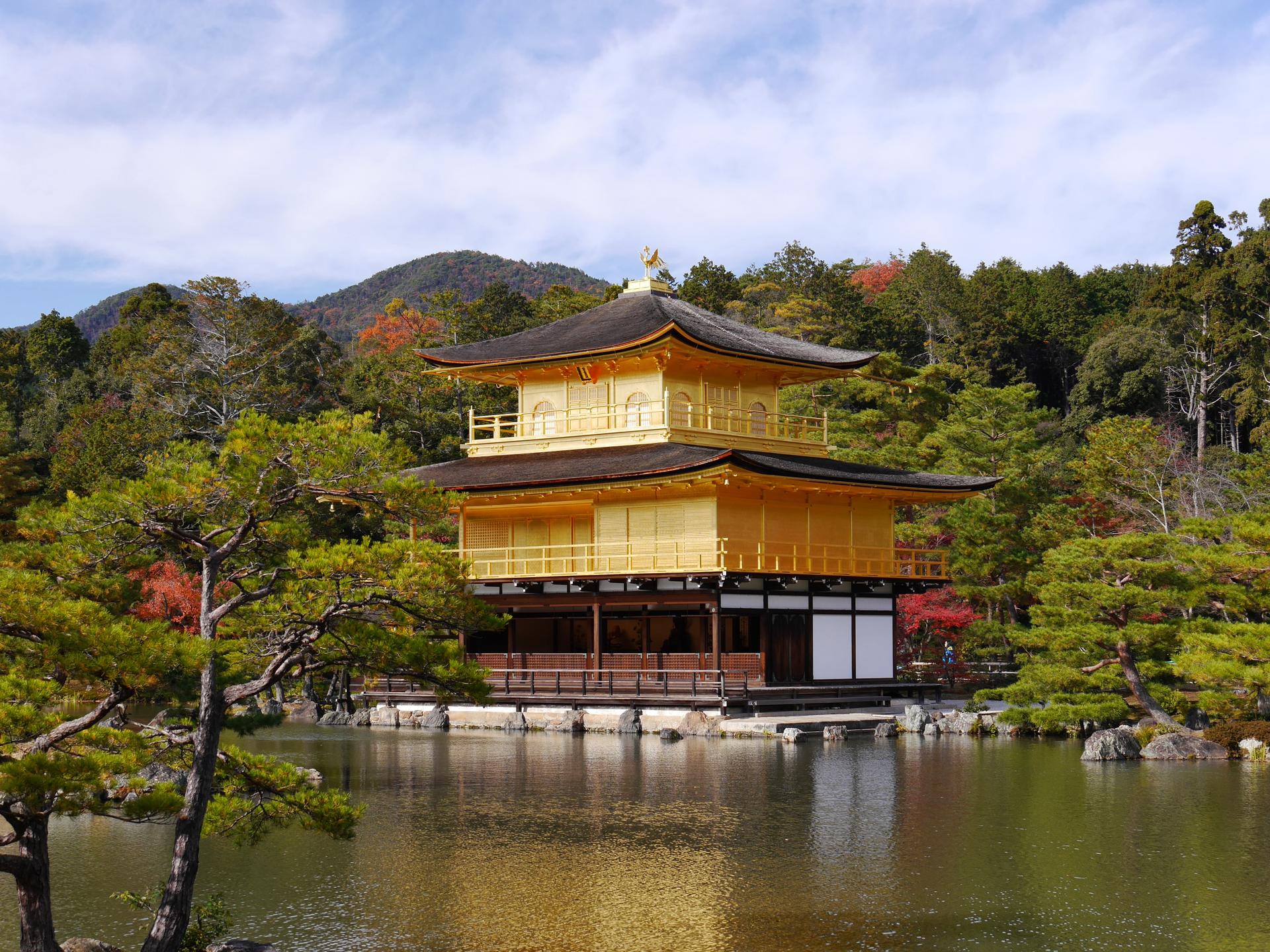
Discover Kinki (Kansai), Japan's cultural heartland, where ancient traditions meet modern vibrancy in iconic cities like Kyoto, Osaka, and Nara.
Tell me more about Kinki Kansai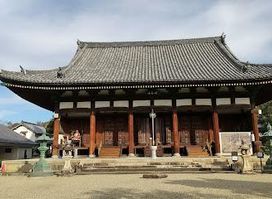
Discover the tranquil beauty and rich heritage of Eifuku-ji, a Buddhist temple in Osaka, perfect for reflection and spiritual exploration.
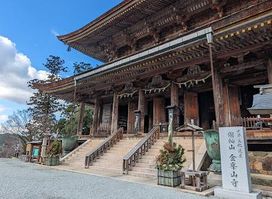
Discover Kinpusen-ji Temple in Yoshino: A spiritual haven, home to ancient traditions, stunning architecture, and breathtaking mountain views.