

Kozan-ji, Settsu Travel Guide
Discover ancient art, serene gardens, and Japan's first manga at Kyoto's Kozan-ji Temple, a hidden gem in the mountains.
Kozan-ji, nestled in the mountains northwest of Kyoto, is a UNESCO World Heritage site with a rich history dating back to the 8th century. Rebuilt in the 13th century by the monk Myōe, it houses national treasures, including the Chōjū-jinbutsu-giga scrolls, considered Japan's first manga, and boasts the oldest tea garden in Japan.
A brief summary to Kozan-ji
- 8 Umegahata Toganoocho, Kyoto, Umegahata Toganoocho, Ukyo Ward, Kyoto, 616-8295, JP
- Click to display
- Click to display
- Monday 8:30 am-5 pm
- Tuesday 8:30 am-5 pm
- Wednesday 8:30 am-5 pm
- Thursday 8:30 am-5 pm
- Friday 8:30 am-5 pm
- Saturday 8:30 am-5 pm
- Sunday 8:30 am-5 pm

Know before you go
Hi, I'm Eve. Here are a few practical things to know before exploring Kozan-ji.
- Visit during autumn for stunning foliage, but be prepared for crowds and a possible entrance fee to the grounds.
- The original Chōjū-jinbutsu-giga scrolls are not on display at the temple; replicas are available for viewing.
- Combine your visit with nearby Jingo-ji and Saimyo-ji temples for a full day of exploring the Takao area.
Do you manage this location?
Take control to get all the benefits, like improved information, better appearance, and stronger visibility across AI-powered discovery. Learn more about listing your business on Evendo
Activate your presenceOther nearby places you may find interesting
The closest places of the same kind, if this one is not quite what you had in mind.
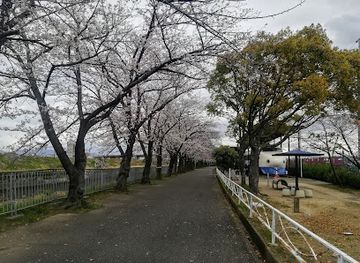

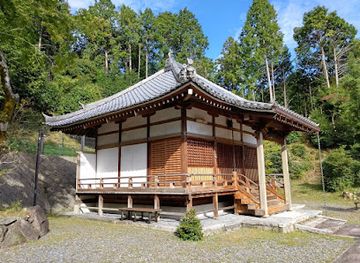

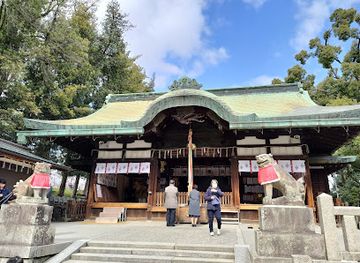
Explore Kozan-ji on the Map
A handpicked selection of must-see spots near Kozan-ji, mapped for you.
Unlock the Best of Kozan-ji
Buy tickets
-
No tickets available
Book tours with entry

Book tours without entry
-
No tours available
Getting There
-
Public Transport
From Kyoto Station, take the JR Takao Keihoku Line bus to Toganoo (approx. 50 minutes, ¥500). Alternatively, take Kyoto City Bus #8 from Shijo Station to the Takao bus stop (approx. 45 minutes, ¥500, but the Kyoto City bus one-day pass only covers a portion of the fare). From the Toganoo bus stop, it is a 5-10 minute walk to Kozan-ji.
-
Taxi
From central Kyoto, a taxi to Kozan-ji will take approximately 30-40 minutes, costing around ¥4,000-¥5,000. Note that traffic can be heavy during peak seasons, especially in late October and early November.
Discover more about Kozan-ji













Your all‑in‑one travel companion app
Explore expert travel guides, compare and book tours, experiences, hotels, and more—all from the palm of your hand. Download now for seamless trip planning wherever your wanderlust takes you.


Explore More of Settsu
Looking beyond Kozan-ji? Discover Settsu for broader travel guides, local hot-spots, and regional highlights.
Explore Settsu
Discover Kyoto's enchanting past at Saga Toriimoto Town-scape Archive Hall, showcasing the area's rich cultural heritage and traditional architecture.

Discover tranquility at Osawa Pond in Kyoto, Japan's oldest artificial pond with serene gardens and rich history.
