

Free Settsu Travel Guide & Mobile App
Explore Settsu with free travel guides. Discover regional history, expert tips, proposed trips, and audio guides on web or mobile app.


Explore historic Settsu across Osaka and southeastern Hyogo, from castle, temples and markets to mountain parks, port culture and sake.
Read more about Settsu
When is the best time to visit Settsu?
Best: May, October–November · 18–25°C| Month | High (°C) | Rainfall (mm) |
|---|---|---|
| January | 10 | 46 |
| February | 11 | 58 |
| March | 15 | 91 |
| April | 20 | 108 |
| May (best) | 25 | 152 |
| June | 29 | 199 |
| July | 33 | 164 |
| August | 33 | 154 |
| September | 29 | 190 |
| October (best) | 23 | 114 |
| November (best) | 18 | 72 |
| December | 11 | 44 |
Getting to and around Settsu
How to get there
Transportation
Top city travel guides in Settsu
The cities of Settsu, and the easiest places to base yourself.

Swipe for more cities
Best attractions in Settsu
Settsu’s attractions range from major urban heritage to wooded hills and maritime culture. In Osaka, the castle precinct, Shitennoji, Sumiyoshi Taisha, riverfront districts and museums provide different perspectives on the region’s political, religious and commercial history. Suita’s Expo ’70 Commemorative Park combines broad gardens, cultural institutions and the surviving Tower of the Sun with the National Museum of Ethnology. North of Osaka, Minoh Park offers a forested valley and waterfall reached by a well-used walking route, while Ikeda’s Cup Noodles Museum presents the history of instant noodles through participatory displays. Takatsuki and its surroundings add archaeological interest, including the Imashirozuka Kofun area. Along the western corridor, Amagasaki’s castle-town history, Nishinomiya’s shrine and sake heritage, and Kobe’s port museums and waterfront offer a changing urban landscape. The region is best approached as a sequence of linked experiences rather than a single sightseeing district.
-
Rail museum
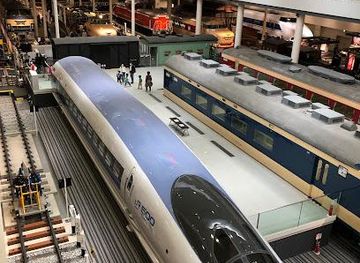
Kyoto Railway Museum
Explore Japan's railway heritage at Kyoto Railway Museum: locomotives, interactive exhibits, and historical insights for all ages.
-
Tourist attraction
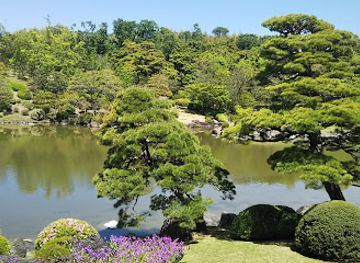
Expo '70 Commemorative Park
Explore the lush landscapes, cultural landmarks, and recreational opportunities at Expo '70 Commemorative Park, a premier tourist attraction in Osaka.
-
Tourist attraction
Expo'70 Commemorative Park
Explore Osaka's Expo '70 Commemorative Park: Gardens, museums, and the iconic Tower of the Sun await in this vibrant cultural and recreational space.
-
Business park
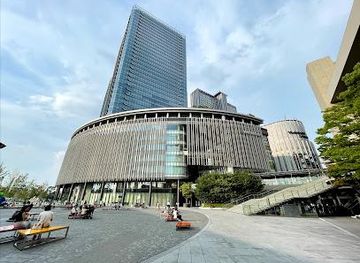
Grand Front Osaka
Explore Grand Front Osaka, a bustling business park blending modern design with shopping, dining, and cultural experiences in the heart of Osaka.

Best landmarks in Settsu
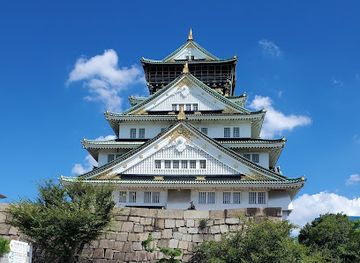
Osaka Castle is Settsu’s most recognisable political landmark, with its reconstructed tower rising above extensive grounds that preserve the memory of Toyotomi and Tokugawa struggles. Shitennoji is one of Japan’s oldest Buddhist temple foundations and remains an important architectural and religious presence in the city, while Sumiyoshi Taisha is distinguished by its ancient maritime associations and distinctive shrine style. In the northern urban landscape, the Tower of the Sun at Expo ’70 Commemorative Park is a striking symbol of post-war technological ambition. The Imashirozuka Kofun area in Takatsuki represents the region’s ancient burial-mound heritage. Westward, Nishinomiya Shrine marks the long religious history of the Hanshin coast, and the port districts of Kobe preserve the visual legacy of international maritime trade. Minoh’s wooded valley and waterfall provide a natural landmark rather than a built monument, showing how quickly Settsu’s dense urban plain gives way to forested uplands.
-
Theme park
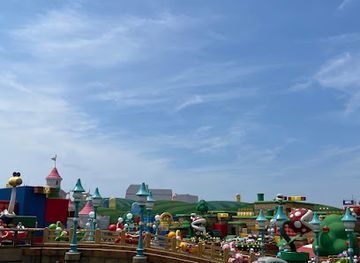
Universal Studios Japan
Discover the adventure and magic at Universal Studios Japan, where your favorite movies come to life through exciting rides and attractions.
-
Castle
Osaka Castle
Discover the rich history and stunning architecture of Osaka Castle, a must-see cultural landmark in Japan's vibrant city.
-
Tourist attraction
Dotonbori
Explore Dotonbori, Osaka's vibrant district known for dazzling neon lights, delicious street food, and iconic cultural landmarks.
-
Business park
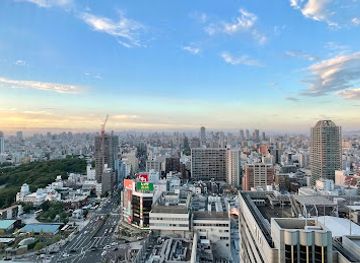
ABENO HARUKAS
Explore Abeno Harukas, Japan's tallest skyscraper, offering breathtaking views, shopping, dining, and cultural experiences in the heart of Osaka.
Explore Settsu on the map
Plan your trip on one map. See where the top cities, national parks and sights are, and book hotels and experiences in a few clicks.
Best hotels in Settsu
Best restaurants in Settsu
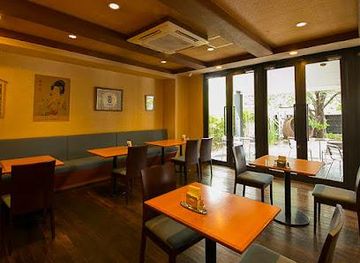
Dining in Settsu is anchored by Osaka’s informal food culture, where takoyaki, okonomiyaki, kushikatsu, udon, sushi and grilled dishes are served in settings ranging from compact counters to specialist restaurants. These foods are strongly associated with Osaka and the wider Kansai region rather than with the historical province alone, but they form an important part of its visitor experience. Central Osaka has dense restaurant districts and department-store food halls, while suburban and northern areas offer family restaurants, cafés, noodle shops and traditional Japanese establishments. Markets and food halls are useful for trying prepared foods in small portions. In the western districts, Nishinomiya and Kobe contribute a long-established sake culture, often paired with seasonal cuisine, seafood and restrained appetisers. Look also for regional sweets, pickles, tofu and locally prepared bento; smaller establishments may use ticket machines, cash-only payment or limited English menus.
-
Kaiseki restaurant
Sakuramasamune Museum Sakuraen
Discover 400 years of sake mastery at Kobe's Sakuramasamune Museum Sakuraen: explore historic exhibits, dine on kaiseki with fresh brews, and shop souvenirs in Nada-Gogo's heart.
-
Japanese confectionery shop
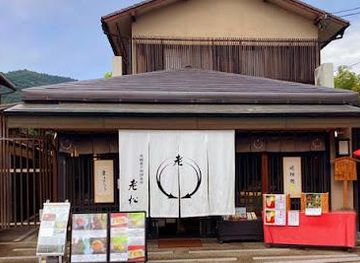
Oimatsu Arashiyama
Century-old Kyoto confectionery blending seasonal tradition with serene tea salon elegance.
-
Food court
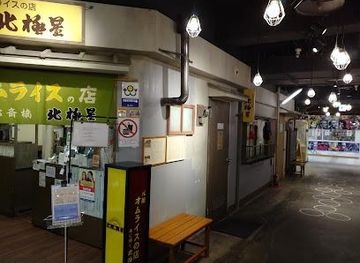
Naniwa Kuishinbo Yokocho
Relive 1960s Osaka in a lively food alley brimming with takoyaki, okonomiyaki, kushikatsu, and hidden gems amid sizzling griddles and Showa nostalgia.
-
Kushiage and kushikatsu restaurant
Kushikatsu Shinsekai
Crispy kushikatsu skewers in Shinsekai's heart: Osaka's soul food tradition, one irreplaceable dip at a time amid Tsutenkaku's neon glow.

Best bars in Settsu
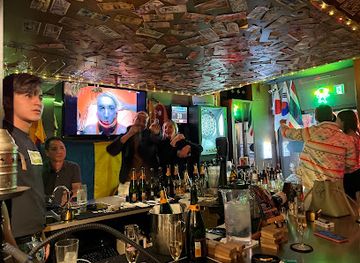
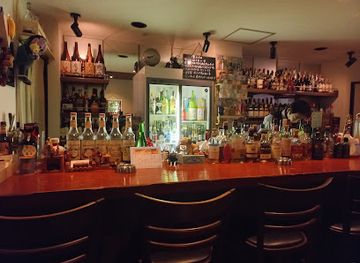
Evening life in Settsu is concentrated in Osaka’s major commercial districts, especially around Umeda, Namba, Shinsaibashi and the Kitashinchi area, where izakaya, cocktail bars, music venues and late-night restaurants serve residents and visitors. The atmosphere changes by neighbourhood: some streets are dominated by compact standing bars and casual eateries, while others contain hotel lounges, higher-end dining and entertainment venues. In the northern Osaka cities and along the Hanshin corridor, nightlife is generally more local and centres on neighbourhood izakaya, cafés, breweries and restaurants rather than large clubs. Kobe adds a well-established bar culture and live-music scene around its central districts, although that city is best treated as a separate base within historical Settsu. Check last-train times before an evening out, since rail services do not run through the night, and be cautious of unsolicited approaches around entertainment streets.
-
Bar
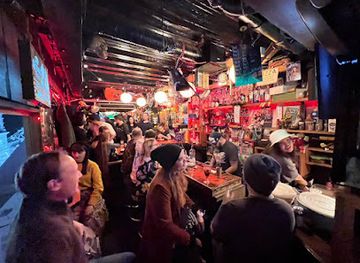
RBCB Rock Bar Cherry Bomb
Discover the vibrant nightlife at RBCB Rock Bar Cherry Bomb in Osaka, where locals and travelers unite for unforgettable evenings filled with fun.
-
Cocktail bar
Subterra Cocktail Bar
Experience Osaka's vibrant nightlife at Subterra Cocktail Bar, where expertly crafted cocktails and unique hookah offerings await in an intimate setting.
-
Bar
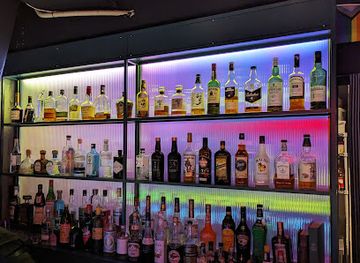
Crystal Bar
Discover the vibrant nightlife at Crystal Bar in Osaka, where exceptional cocktails and an inviting atmosphere await you.
-
Bar
Bar Fun
Discover the lively nightlife of Osaka at Bar Fun, a vibrant bar in Dotonbori offering an exquisite selection of drinks and a welcoming atmosphere.
Best nightclubs in Settsu
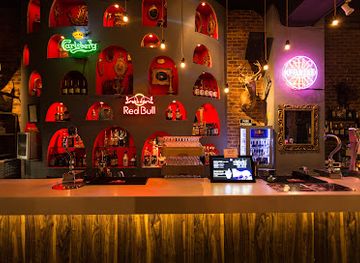
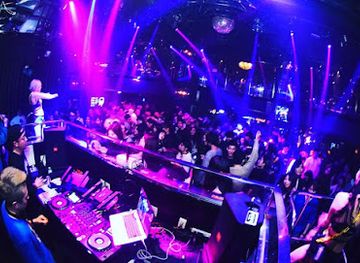
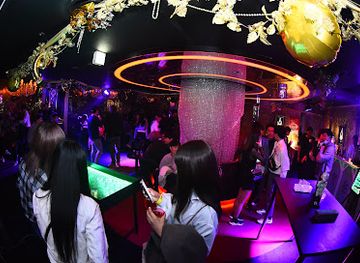
Evening life in Settsu is concentrated in Osaka’s major commercial districts, especially around Umeda, Namba, Shinsaibashi and the Kitashinchi area, where izakaya, cocktail bars, music venues and late-night restaurants serve residents and visitors. The atmosphere changes by neighbourhood: some streets are dominated by compact standing bars and casual eateries, while others contain hotel lounges, higher-end dining and entertainment venues. In the northern Osaka cities and along the Hanshin corridor, nightlife is generally more local and centres on neighbourhood izakaya, cafés, breweries and restaurants rather than large clubs. Kobe adds a well-established bar culture and live-music scene around its central districts, although that city is best treated as a separate base within historical Settsu. Check last-train times before an evening out, since rail services do not run through the night, and be cautious of unsolicited approaches around entertainment streets.
-
Night club
Pure Osaka
Experience the electrifying nightlife at Pure Osaka, a vibrant club offering live music and unforgettable parties in the heart of the city.
-
Night club
OWL
Experience the electrifying nightlife at OWL, Osaka's premier night club offering exquisite cocktails and vibrant music.
-
Night club
Nightclub【CRAZYLAND by CHEVAL】Osaka
Discover CRAZYLAND by CHEVAL, Osaka's premier nightclub for unforgettable nights of dancing, music, and vibrant nightlife.
-
Night club
GALA RESORT OSAKA Namba Nightclub
Experience the vibrant nightlife of Osaka at GALA RESORT OSAKA, a premier nightclub offering music, drinks, and unforgettable moments.

Best shops in Settsu
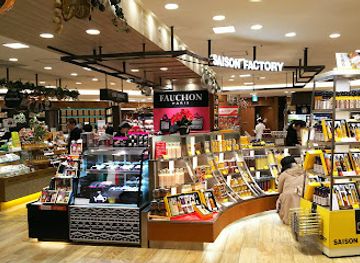
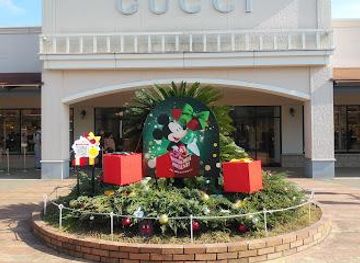
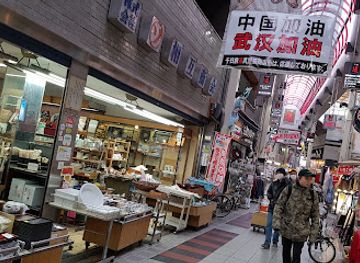
Shopping in Settsu is most extensive in Osaka, where Umeda’s department stores and underground arcades contrast with the independent character of Shinsaibashi, Amerikamura and the long Tenjinbashisuji shopping street. Namba combines food, fashion, souvenirs and entertainment, while specialist districts offer kitchenware, stationery, books and traditional goods. Northern Osaka towns provide a more local high-street experience, with supermarkets, small independent retailers and shopping arcades rather than major tourist concentrations. Ikeda is a useful place to look for instant-noodle-related gifts, and brewery areas around Nishinomiya and Kobe offer sake, confectionery and food products suitable for transport home; check customs rules for liquids and perishables. Department-store food halls are particularly practical for regional sweets, pickles, tea, rice snacks and boxed gifts. Craft shops, galleries and temple-adjacent stalls can provide more distinctive purchases, although stock and opening arrangements vary between establishments.
-
Department store
Hankyu Umeda Main Store
Explore Hankyu Umeda Main Store, Osaka's premier shopping destination blending luxury, local crafts, and culinary delights.
-
Outlet mall
Kobe Sanda Premium Outlets
Explore Kobe Sanda Premium Outlets - a shopper's paradise offering luxury brands at irresistible prices in a beautiful outdoor setting.
-
Business park
Sennichimae Doguyasuji Shopping Street for cookware
Discover Sennichimae Doguyasuji Shopping Street - Osaka's ultimate destination for cookware and culinary treasures.
-
Shopping mall
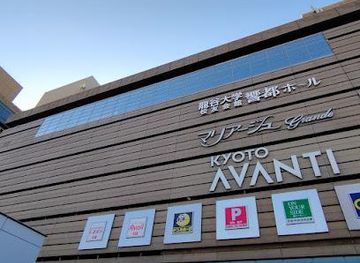
Kyoto Avanti
Experience the best of shopping, dining, and culture at Kyoto Avanti, the vibrant shopping center in the heart of Kyoto.
Get your free copy of our complete guide to Settsu, delivered straight to you.
Everything on this page, from attractions and restaurants to essentials and local phrases, in one PDF you can read offline, print or share.
Already have an account? Sign in
Your Settsu guide is ready.
We'll send it to · Not you? Sign out

Getting your guide ready…
We are putting together a fresh copy of the Settsu guide. This can take up to a minute.
This can take a few moments. If your browser asks, choose Allow so the download can start. You'll find the guide in your Downloads folder.
Nothing happened? Download it again
Sorry, the guide is taking longer than usual. Please try again in a minute, or get it by email instead.
Settsu essentials
Currency and Payment
Safety
Emergency Situations
Do's and Don'ts
Local Tips
From Eve
Local phrases worth knowing
You don't need to get them perfect. A few words go a long way, and locals appreciate the effort.
Basics
| English | Local | Say it |
|---|---|---|
| Hello | Howdy | [haʊdi] |
| Goodbye | See ya | [si jə] |
| Yes | Yep | [jɛp] |
| No | Nah | [nɑ] |
| Please/You're welcome | No problem | [noʊ ˈprɒbləm] |
| Thank you | Thanks | [θæŋks] |
| Excuse me/Sorry | Oops | [ups] |
| How are you? | How's it going? | [haʊz ɪt ˈɡoʊɪŋ] |
| Fine. And you? | Good. You? | [ɡʊd ju] |
| Do you speak English? | You speak English? | [ju spiːk ˈɪŋɡlɪʃ] |
| I don't understand | I don't get it | [aɪ doʊnt ɡɛt ɪt] |
Eating & Drinking
| English | Local | Say it |
|---|---|---|
| I'd like to see the menu, please | Can I see the menu? | [kæn aɪ si ðə ˈmɛnju] |
| I don't eat meat | I'm a vegetarian | [aɪm ə ˌvɛdʒɪˈtɛəriən] |
| Cheers! | Cheers! | [tʃɪrz] |
| I would like to pay, please | Can I get the check? | [kæn aɪ ɡɛt ðə tʃɛk] |
Emergencies
| English | Local | Say it |
|---|---|---|
| Help! | Help! | [hɛlp] |
| Go away! | Leave me alone! | [liːv mi əˈloʊn] |
| Call the Police! | Call the cops! | [kɔl ðə kɑps] |
| Call a doctor! | Get a doctor! | [ɡɛt ə ˈdɑktər] |
| I'm lost | I’m turned around | [aɪm tɜrnd əˈraʊnd] |
| I'm ill | I'm not feeling well | [aɪm nɑt ˈfiːlɪŋ wɛl] |
Shopping
| English | Local | Say it |
|---|---|---|
| I'd like to buy... | I'm looking to buy... | [aɪm ˈlʊkɪŋ tə baɪ] |
| I'm just looking | Just browsing | [dʒʌst ˈbraʊzɪŋ] |
| How much is it? | What’s the price? | [wʌts ðə praɪs] |
| That's too expensive | That's pricey | [ðæts ˈpraɪsi] |
| Can you lower the price? | Can you knock down the price? | [kæn ju nɑk daʊn ðə praɪs] |
Time & Numbers
| English | Local | Say it |
|---|---|---|
| What time is it? | What time we got? | [wʌt taɪm wi ɡɑt] |
| It's one o'clock | It's one | [ɪts wʌn] |
| Half past (10) | Half past ten | [hæf pæst tɛn] |
| Morning | Morning | [ˈmɔrnɪŋ] |
| Afternoon | Afternoon | [ˌæftərˈnun] |
| Evening | Evening | [ˈivnɪŋ] |
| Yesterday | Yesterday | [ˈjɛstərdeɪ] |
| Today | Today | [təˈdeɪ] |
| Tomorrow | Tomorrow | [təˈmɔroʊ] |
| 1 | One | [wʌn] |
| 2 | Two | [tu] |
| 3 | Three | [θri] |
| 4 | Four | [fɔr] |
| 5 | Five | [faɪv] |
| 6 | Six | [sɪks] |
| 7 | Seven | [sɛvən] |
| 8 | Eight | [eɪt] |
| 9 | Nine | [naɪn] |
| 10 | Ten | [tɛn] |
Transport & Directions
| English | Local | Say it |
|---|---|---|
| Where's a/the...? | Where's the...? | [wɛrz ðə] |
| What's the address? | What's the address? | [wʌts ði əˈdrɛs] |
| Can you show me (on the map)? | Can you point it out? | [kæn ju pɔɪnt ɪt aʊt] |
| When's the next (bus)? | When’s the next bus? | [wɛn ɪz ðə nɛkst bʌs] |
| A ticket (to ....) | A ticket to... | [ə ˈtɪkɪt tə] |
History of Settsu
Ancient Settsu and the Naniwa waterways
Settsu occupied the northern shore of Osaka Bay and the lower Yodo basin, an area shaped by rivers, tidal flats and access to the Inland Sea. The settlement known as Naniwa became an important political and commercial centre in ancient Japan, and temporary imperial capitals were established there during the seventh century. River routes connected the bay with the interior, while coastal transport linked the region to western Japan. Archaeological remains and the continuing importance of Osaka’s waterways reflect the advantages that made Settsu a lasting centre of population and exchange.
The introduction and growth of Buddhism
Settsu was an early setting for the development of Buddhism in Japan. Shitennoji in Osaka is traditionally associated with Prince Shotoku and the introduction of Buddhist institutions in the late sixth or early seventh century, although its buildings have been repeatedly reconstructed. Sumiyoshi Taisha, with roots reaching into ancient Japan, embodied older maritime and court traditions and became an influential shrine in the Osaka area. Together, these religious centres helped shape the cultural landscape of the province and remain among its most important historical sites.
Medieval ports, estates and religious communities
During the medieval period, Settsu’s position between the capital region, Osaka Bay and western Japan supported port settlements, landed estates and religious networks. The area around present-day Osaka became associated with commercial activity and with powerful Buddhist institutions, while towns and villages along the Yodo and other waterways handled agricultural produce and passengers. The province was also drawn into struggles among military families and regional powers. Its waterways and access to the sea made control of Settsu valuable to anyone seeking influence over the approaches to Kyoto.
Osaka Castle and political unification
The late sixteenth century transformed the region. Toyotomi Hideyoshi built Osaka Castle on the site associated with the former Ishiyama Honganji stronghold, turning Osaka into a major political and military base. After the Toyotomi defeat at the Siege of Osaka in 1615, the Tokugawa shogunate consolidated its authority and developed Osaka as a crucial economic city. The castle was rebuilt under Tokugawa rule, and its presence continued to symbolise the strategic significance of Settsu even as the province became increasingly commercial rather than primarily military.
The merchant city and the rice economy
Under the long peace of the Edo period, Osaka became known as Japan’s principal commercial marketplace and was sometimes called the nation’s kitchen. Rice from domains across the country was brought to warehouses and traded through the city, with rivers and canals providing essential transport. Merchant houses, wholesalers, craftsmen and service industries expanded around the waterways. Settsu’s settlements were closely tied to this system: the Osaka plain supplied food and labour, northern towns served regional needs, and the western coast connected local production with maritime trade.
Sake, ports and modern industrialisation
The coastal districts around Nishinomiya and Kobe developed a major sake-making tradition, helped by suitable water, rice supplies and access to shipping. In the nineteenth and twentieth centuries, the opening and expansion of Kobe’s port accelerated international trade, while Osaka and Amagasaki became important industrial and manufacturing centres. Railways linked the urban corridor with the interior and encouraged the growth of the modern Hanshin conurbation. The result was a densely connected region in which port activity, commerce, industry and residential expansion reshaped the former provincial landscape.
The twentieth-century metropolis
Modern Settsu became part of one of Japan’s largest metropolitan areas, with Osaka, Kobe and their neighbouring cities connected by commuter railways, expressways and port infrastructure. The 1970 Japan World Exposition in Suita represented the region’s post-war confidence and left Expo ’70 Commemorative Park as a major public landscape. The Great Hanshin earthquake of 1995 caused severe destruction in Kobe and surrounding parts of Hyogo, followed by extensive reconstruction. Contemporary Settsu combines historic temples, commercial districts, industrial waterfronts, residential suburbs and protected green spaces.
Settsu in Photos
Browse through our photo collection highlighting the charm and character of the destination.
Neighbouring regions of Settsu
The closest regions to Settsu, if you have time for more than one.
-

-

-

-

-


Swipe for more regions
Explore more

Explore more of Japan
Discover the harmony of tradition and modernity in Japan, where ancient temples and cutting-edge technology coexist in perfect balance.
Explore Japan