Hijiri Bridge, Tajima Travel Guide
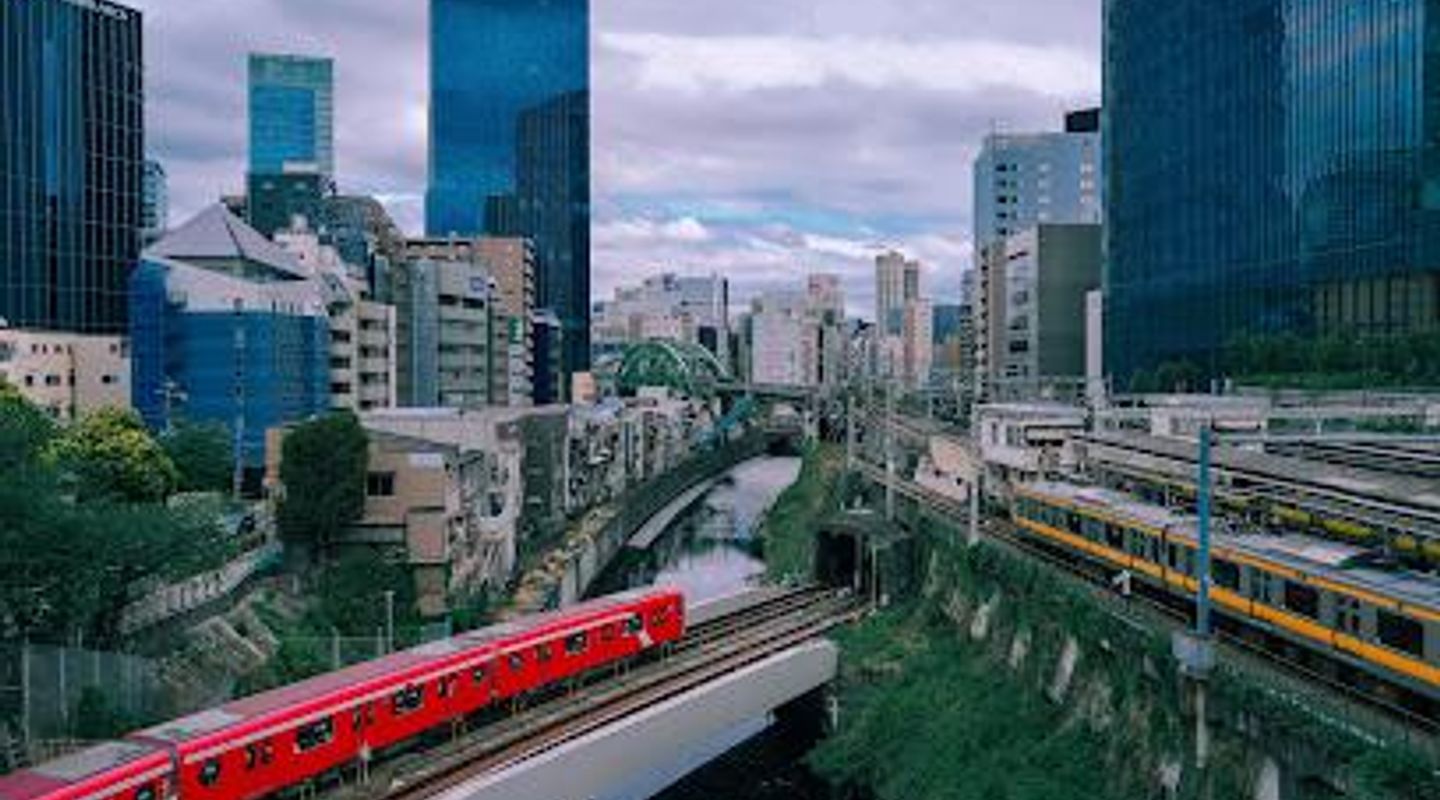
A picturesque arch bridge in Tokyo, connecting sacred sites and offering stunning views of the Kanda River and bustling train lines.
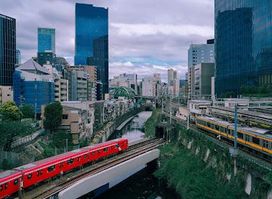
Hijiri Bridge, constructed in 1927 after the Great Kanto Earthquake, is a beautiful arch bridge over the Kanda River in Tokyo. Designed by Mamoru Yamada, it connects two religious sites and offers stunning views of the surrounding cityscape and passing trains.
A brief summary to Hijiri Bridge
- 4 Chome Kanda Surugadai, Chiyoda City, 4 Chome Kanda Surugadai, Tokyo, 101-0062, JP

Know before you go
Hi, I'm Eve. Here are a few practical things to know before exploring Hijiri Bridge.
- Visit during off-peak hours for a better chance to capture photos of all three train lines passing simultaneously.
- The south side of the bridge offers the best vantage point for photographing the train lines and surrounding buildings.
- Combine your visit with a trip to nearby attractions such as the Holy Resurrection Cathedral or Yushima Seido temple.
Do you manage this location?
Take control to get all the benefits, like improved information, better appearance, and stronger visibility across AI-powered discovery. Learn more about listing your business on Evendo
Activate your presenceOther nearby places you may find interesting
The closest places of the same kind, if this one is not quite what you had in mind.
Explore Hijiri Bridge on the Map
A handpicked selection of must-see spots near Hijiri Bridge, mapped for you.
Unlock the Best of Hijiri Bridge
Buy tickets
-
No tickets available
Book tours with entry

Book tours without entry
-
No tours available
Getting There
-
Walking
From Ochanomizu Station (JR Chuo Line, Tokyo Metro Marunouchi Line), take the Hijiribashi Exit. The bridge is a short, one-minute walk from the station. Follow the signs for Hijiri Bridge.
-
Public Transport
Take the Tokyo Metro Chiyoda Line to Shin-Ochanomizu Station. Use Exit B1 or B2. The bridge is a short walk from the station. Tokyo Metro regular tickets cost from 170 to 320 yen depending on the distance traveled.
-
Taxi
Taxis are available from Ochanomizu Station. A short taxi ride to Hijiri Bridge will likely cost a minimum fare of around 500 yen. Note that taxis can be a pricier option compared to public transport.
Discover more about Hijiri Bridge













Your all‑in‑one travel companion app
Explore expert travel guides, compare and book tours, experiences, hotels, and more—all from the palm of your hand. Download now for seamless trip planning wherever your wanderlust takes you.


Explore More of Tajima
Looking beyond Hijiri Bridge? Discover Tajima for broader travel guides, local hot-spots, and regional highlights.
Explore Tajima