Yushima Seido: A Confucian Sanctuary in Tokyo
Discover Yushima Seido, Tokyo's serene Confucian temple, a historic landmark with stunning architecture and a rich educational legacy.
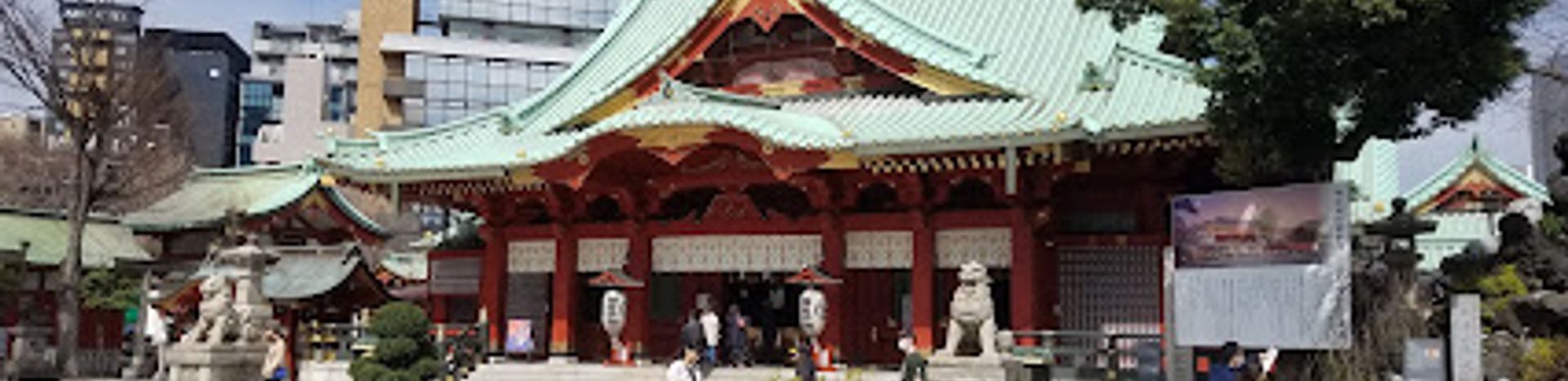
Yushima Seido, a Confucian temple in Tokyo's Bunkyo ward, offers a serene escape from the city's bustle. Founded in the late 17th century, it served as an important educational institution during the Edo period. Today, it stands as a National Historic Site, attracting visitors with its unique black exterior, peaceful grounds, and the world's largest statue of Confucius.
A brief summary to Yushima Seido
- 1 Chome-4-25 Yushima, Bunkyo City, 1 Chome Yushima, Tokyo, 113-0034, JP
- +813-3251-4606
- Visit website
- Monday 9:30 am-5 pm
- Tuesday 9:30 am-5 pm
- Wednesday 9:30 am-5 pm
- Thursday 9:30 am-5 pm
- Friday 9:30 am-5 pm
- Saturday 9:30 am-5 pm
- Sunday 9:30 am-5 pm
Local tips
- Visit on a Saturday, Sunday, or public holiday to enter the Taiseiden (main hall) for a small fee.
- Take a moment to appreciate the world's largest stone statue of Confucius, a gift from Taiwan.
- Explore the grounds to find the Nyutokumon Gate, the only wooden gate that survived the 1923 Great Kanto Earthquake.

Getting There
-
Public Transport
From Ochanomizu Station (JR Chuo-Sobu Line or Tokyo Metro Marunouchi Line), take the Hijiribashi Exit. Yushima Seido is a 2-minute walk from the station. Subway tickets from Tokyo Metro cost ¥170-¥320, and Toei Subway tickets cost ¥180-¥430 depending on the distance. JR train tickets from Tokyo Station to Ochanomizu cost ¥75-¥210.
-
Walking
From Akihabara, walk west. It's about a 15-20 minute walk from the Akihabara Electric Town to Yushima Seido. Enjoy the scenery as you walk from the busy streets of Akihabara to the peaceful Yushima district.
-
Taxi
Taxis are readily available in Tokyo. From Tokyo Station, a taxi ride to Yushima Seido takes approximately 3 minutes and costs between ¥1800-¥2200. The flag-down fare is typically ¥730 for the first 1.052 kilometers, with an additional ¥90 for every 233 meters. Be aware that fares increase by 20% from 10 PM to 5 AM.
Discover more about Yushima Seido
Iconic landmarks you can’t miss

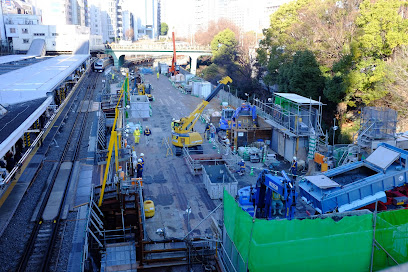
Ochanomizu Station
0.2 km
Explore the rich history and vibrant culture around Ochanomizu Station, your gateway to the best of Tokyo's attractions and experiences.
GiGO Akihabara Building 3
0.4 km
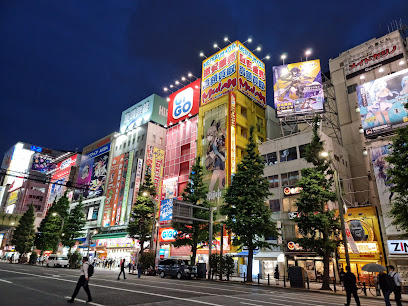
Discover unparalleled gaming excitement at GiGO Akihabara Building 3, Tokyo's premier video arcade destination, where fun knows no bounds.
AKIBA_INFO.
0.5 km
Explore Akihabara's vibrant culture and unique attractions at AKIBA_INFO, your comprehensive tourist information center in Tokyo.
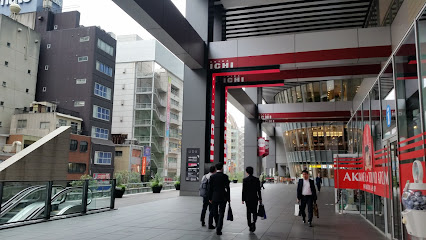
Akihabara UDX
0.6 km
Experience the fusion of technology and pop culture at Akihabara UDX, Tokyo's vibrant hub for innovation and entertainment.
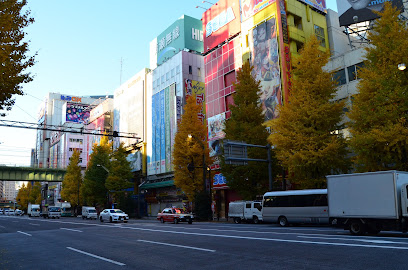
Manseibashi Bridge
0.6 km
Experience the historic allure and stunning views at Manseibashi Bridge in Chiyoda City, Tokyo, a perfect blend of past and present.

Akihabara Radio Kaikan
0.6 km
Explore Akihabara Radio Kaikan, the ultimate shopping destination in Tokyo for tech, anime, and pop culture enthusiasts.
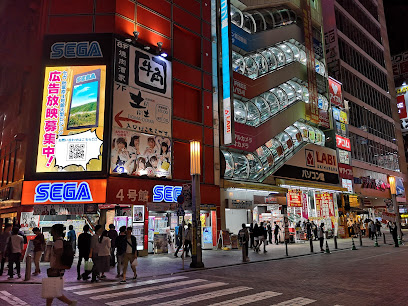
認定登記基準点
0.9 km
Discover the charm of Misakicho in Chiyoda City, where history meets modernity in the heart of Tokyo's vibrant culture.
Teppanda
1.0 km
Experience the essence of Japanese cuisine at Teppanda in Ueno, Tokyo, where culinary artistry meets a warm, inviting atmosphere.
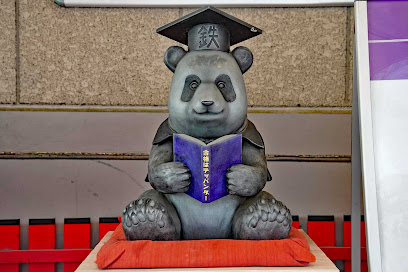
Tokyo Tourist Information Center Keisei Ueno
1.3 km
Discover the heart of Tokyo at the Keisei Ueno Tourist Information Center, your essential starting point for exploring the city's treasures and hidden gems.
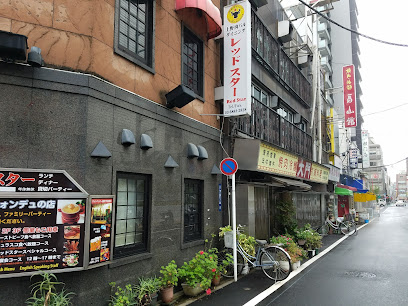
Higashi-Ueno Koreantown
1.4 km
Discover the heart of Korean culture and cuisine at Higashi-Ueno Koreantown, a lively Tokyo destination filled with unique dining and shopping experiences.
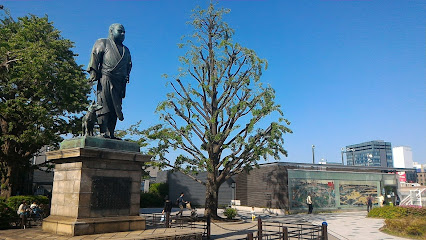
Ueno Park, Statue
1.4 km
Explore Ueno Park, where history and nature blend beautifully in Tokyo, featuring the iconic Saigo Takamori statue amidst stunning landscapes.
Ueno Daibutsu
1.6 km
Explore the Ueno Daibutsu in Tokyo, a cultural landmark that showcases stunning craftsmanship and offers a serene escape in Ueno Park.
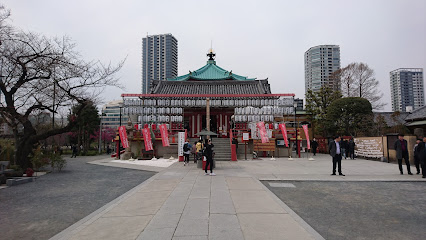
Ueno Toshogu Shrine
1.7 km
Experience the spiritual serenity of Ueno Toshogu Shrine, a historic Shinto landmark in the heart of Tokyo's Ueno Park, surrounded by nature's beauty.
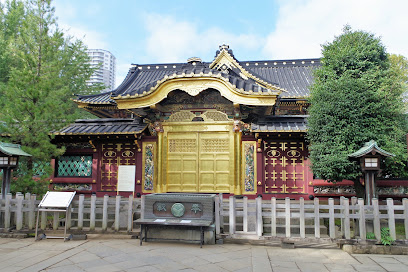
Ueno Park
1.7 km
Discover the beauty of Ueno Park, Tokyo's green sanctuary filled with museums, cherry blossoms, and serene lakes, perfect for relaxation and cultural exploration.
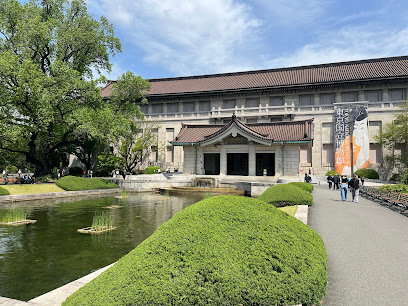
きささげの木
1.7 km
Explore Ueno Park, a historical landmark in Tokyo, where nature, culture, and history harmoniously intertwine for an unforgettable experience.
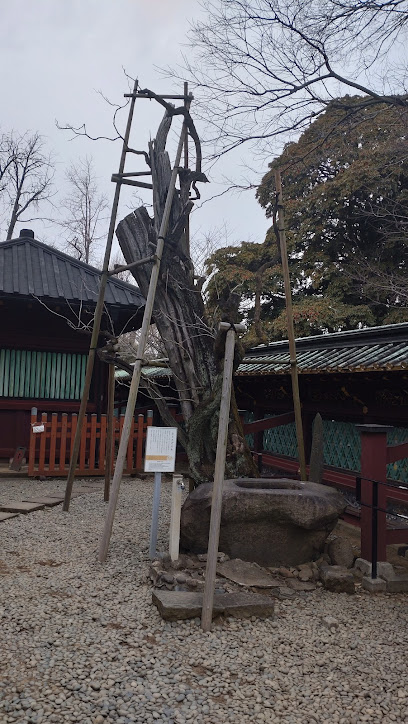
Unmissable attractions to see

Hijiri Bridge
0.1 km
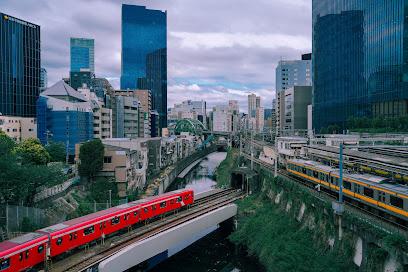
Explore the Hijiri Bridge in Chiyoda City, a remarkable blend of modern architecture and traditional beauty with stunning views of Tokyo's skyline.
Edocco Studio
0.1 km
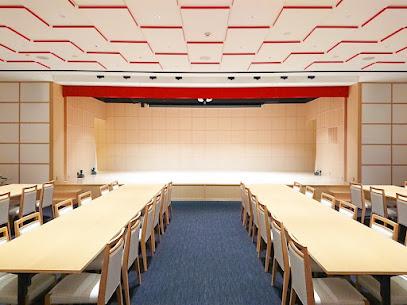
Experience Japanese culture firsthand at Edocco Studio, a modern cultural complex within the historic Kanda Myojin Shrine in Tokyo.
Myojin Otoko-zaka Stair
0.2 km
Ascend the historic Myojin Otoko-zaka Stair for a tranquil escape and a unique perspective of Tokyo's captivating Chiyoda City.
Kanda Myoujin Shrine
0.2 km
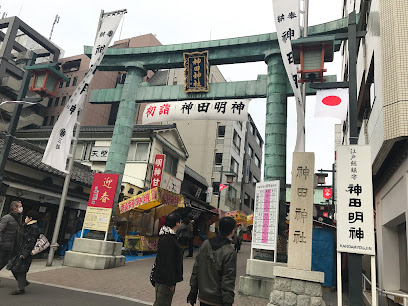
A historic Tokyo shrine blending tradition with modern Akihabara culture, offering blessings for business, marriage, and technology.
Horin Park
0.3 km
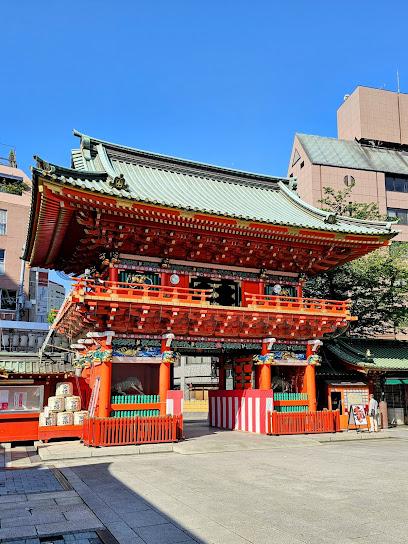
A peaceful park in Akihabara, offering a green escape with playgrounds and tranquil spaces for relaxation and community.
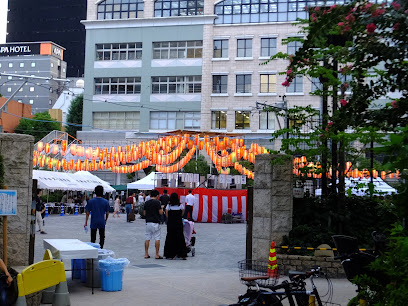
Akiba Cultures Zone
0.4 km
Explore Akihabara's vibrant pop culture at Akiba Cultures Zone, a multi-level complex dedicated to anime, manga, gaming, and idol culture.
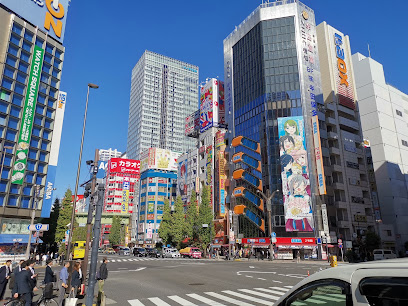
Tokyo Leisureland
0.4 km
Experience Akihabara's vibrant arcade culture with classic games and modern VR at Tokyo Leisureland.
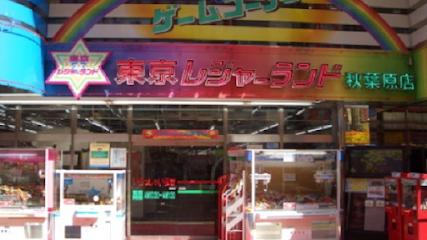
AKIHABARA KOTOBUKIYA
0.4 km
Explore a treasure trove of anime figurines, model kits, and collectibles in the heart of Tokyo's electric town, Akihabara.
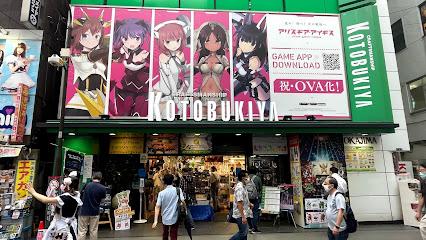
GiGO Akihabara 5
0.4 km
Experience the thrill of Japanese arcade culture at GiGO Akihabara 5, offering a wide variety of games and a vibrant atmosphere in Tokyo's Electric Town.
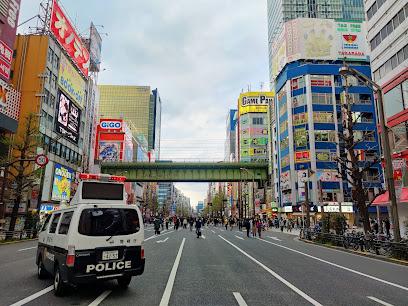
Akihabara Gachapon Hall
0.4 km
Explore a whimsical world of capsule toys at Akihabara Gachapon Hall, offering a vast selection of quirky and unique collectibles.
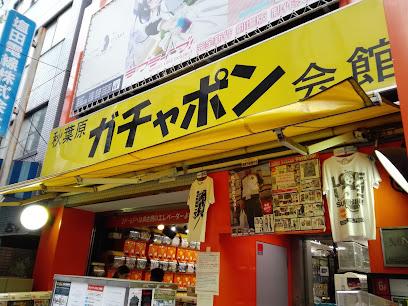
HEY (Hirose Entertainment Yard) Taito
0.4 km
Explore the excitement of HEY Taito, a premier video arcade in Tokyo, where gaming passion meets vibrant entertainment culture.
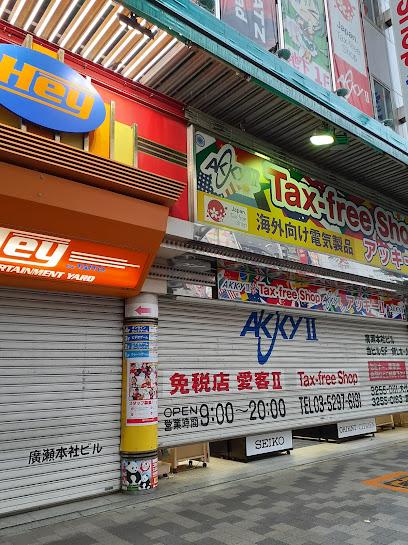
Akihabara Electric Town
0.5 km
Discover the vibrant heart of Tokyo at Akihabara Electric Town, where technology and pop culture collide in an electric atmosphere.
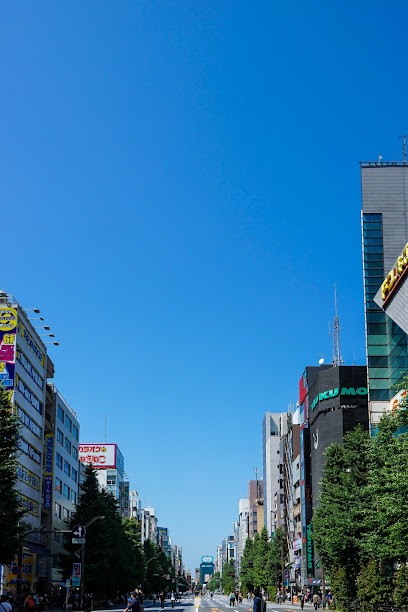
Don Quijote Akihabara
0.5 km
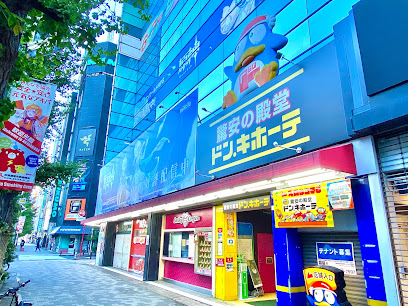
Explore the unique and diverse offerings at Don Quijote Akihabara, a discount store that captures the essence of Japanese culture and shopping.
GiGO Akihabara 1
0.5 km
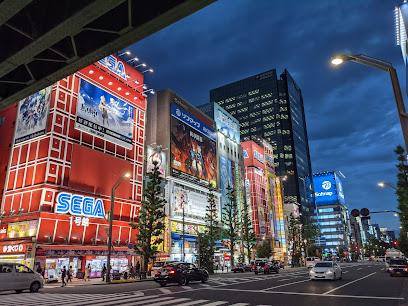
Experience the thrill of gaming at GiGO Akihabara 1, Tokyo's premier video arcade in the heart of Electric Town. A must-see for gamers!
Meiji University Museum
0.5 km
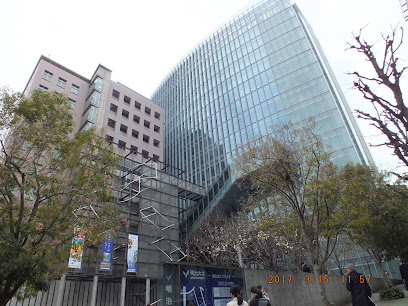
Explore Japanese history and culture through archaeology, crafts, and criminal history at this free museum in Meiji University, Tokyo.
Essential places to dine

Rangitoto Tokyo
0.3 km
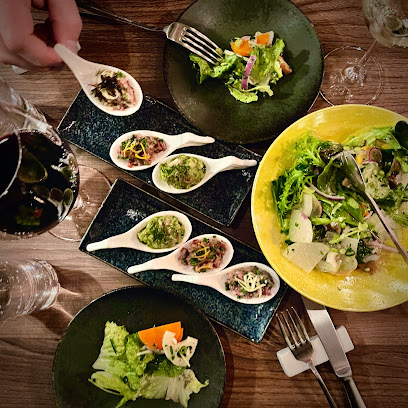
Experience innovative New Zealand cuisine in Tokyo at Rangitoto – where every dish tells a story of creativity and flavor.
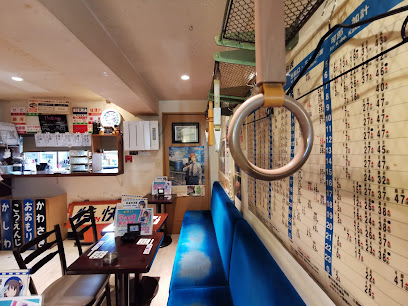
Little TGV
0.4 km
Discover Little TGV: A charming izakaya in Tokyo offering authentic Japanese cuisine amidst delightful train-themed decor.
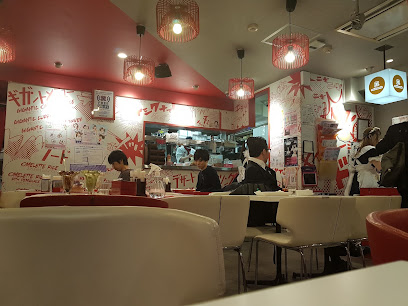
Maidreamin Akihabara Sotokanda 1-Chome Store
0.4 km
Discover Maidreamin Akihabara: A unique cosplay café where culinary delights meet playful entertainment in Tokyo's vibrant heart.
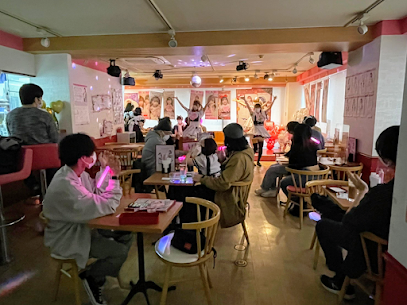
Maidreamin Akihabara Main Store
0.5 km
Discover Maidreamin Akihabara: A Cosplay Cafe Where Fantasy Comes Alive with Delightful Treats and Interactive Fun!
Roast Beef Ōno Akihabara
0.5 km
Indulge in exquisite roast beef at Roast Beef Ōno, where traditional Japanese flavors meet modern culinary artistry in Akihabara.
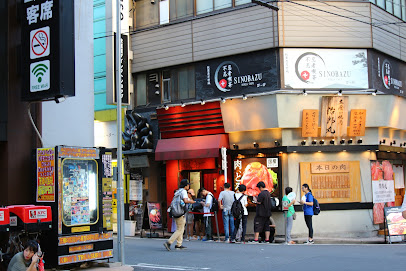
Jiromaru Akihabara
0.5 km
Experience authentic Yakiniku at Jiromaru Akihabara – where premium A5 beef meets an unforgettable dining atmosphere.
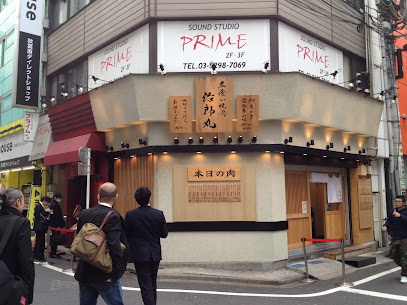
Meat Winery Akihabara
0.5 km
Experience exquisite steaks and fine wines at Meat Winery Akihabara - a culinary gem in Tokyo's vibrant district.
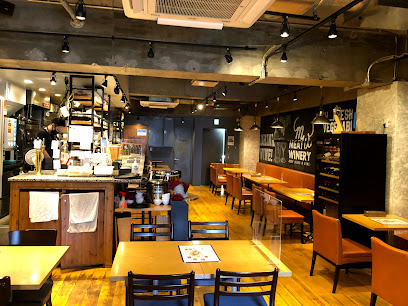
Wagyu Yakiniku Ushihachi Akihabaraten
0.5 km
Indulge in exquisite Wagyu yakiniku at Ushihachi Akihabara – where grilling meets gourmet perfection in Tokyo's vibrant heart.
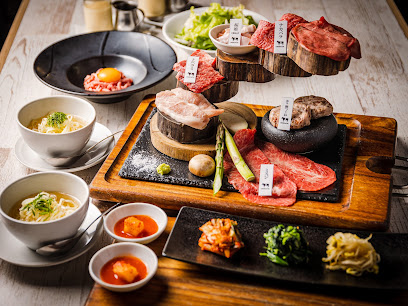
Maidcafe Maidreamin Akihabara idol-dori Store
0.5 km
Discover the enchanting world of Maidreamin Akihabara – where delicious cuisine meets captivating maid performances.
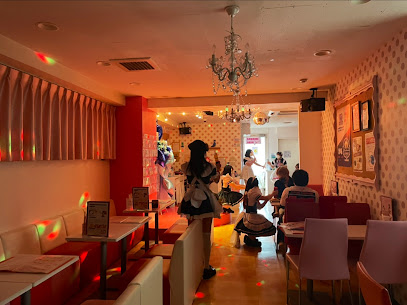
The Beef Master Akihabara Store
0.5 km
Experience authentic yakiniku at The Beef Master Akihabara Store - where quality meets tradition in the heart of Tokyo.
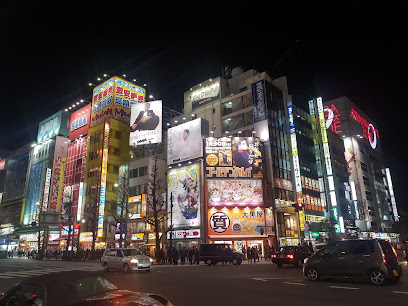
MAID CAFE “Like a Doll” produce by EATME
0.5 km
Discover the whimsical charm of MAID CAFE 'Like a Doll' in Akihabara, where anime magic meets delightful dining experiences.
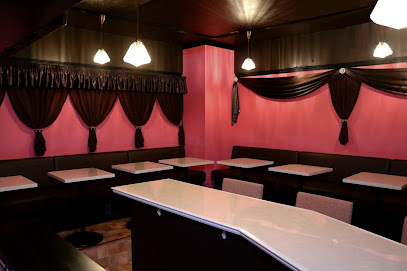
Labs syokudo
0.5 km
Experience innovative Japanese cuisine at Labs Syokudo in Akihabara—where traditional flavors meet modern creativity.
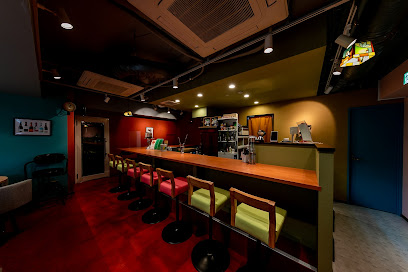
Unagi Sumiyaki Hitsumabushi Minokin
0.5 km
Experience authentic hitsumabushi at Unagi Sumiyaki Hitsumabushi Minokin – where tradition meets flavor in the heart of Tokyo.
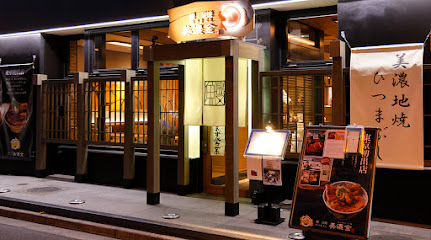
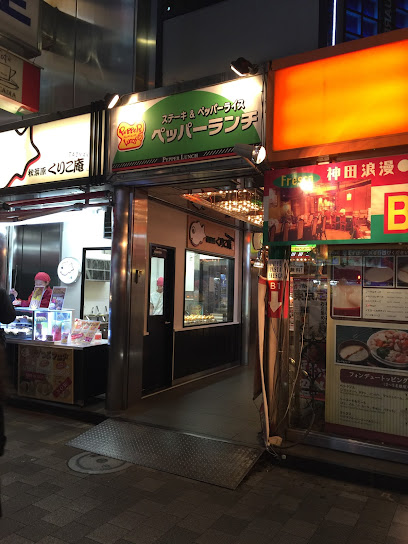
Pepper Lunch
0.5 km
Discover sizzling steak dishes at Pepper Lunch, a must-visit lunch spot in Tokyo's Chiyoda City, perfect for meat lovers seeking flavor.
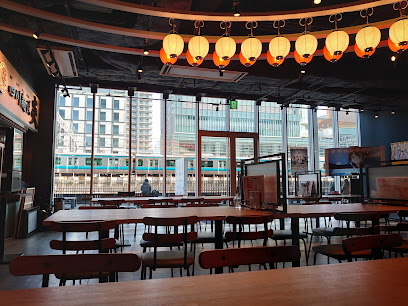
Akiba Ichi
0.6 km
Explore Akiba Ichi in Akihabara: A vibrant food court offering diverse cuisines from traditional Japanese dishes to international flavors.
Markets, malls and hidden boutiques

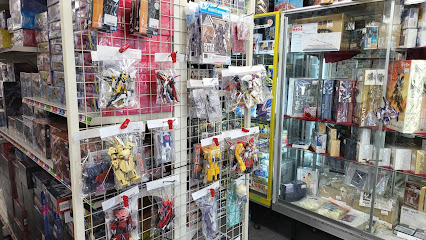
JUNGLE Akihabara 1
0.4 km
Explore JUNGLE Akihabara, Tokyo's premier hobby store for anime, manga, and gaming enthusiasts, brimming with collectibles and unique treasures.
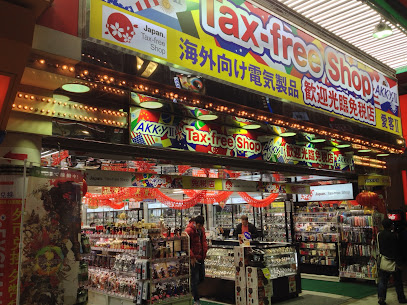
Akky II
0.5 km
Discover exceptional duty-free shopping at Akky II in Tokyo, featuring a wide array of Japanese products and exclusive deals for travelers.
gee store!!
0.5 km
Discover the ultimate hobby store in Tokyo, where passion for collectibles and pop culture comes to life in a vibrant shopping experience.
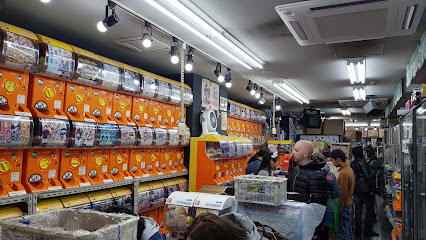
Suruga-ya Akihabara Shop Anime Hobby Pavilion
0.5 km
Explore a vast selection of anime, manga, and gaming treasures at Suruga-ya Akihabara, the ultimate destination for pop culture enthusiasts in Tokyo.
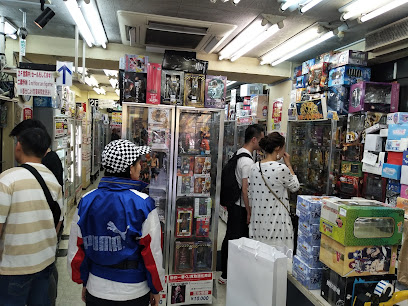
AKKY Main Store
0.5 km
Explore AKKY Main Store in Tokyo for unique souvenirs and duty-free treasures that embody the essence of Japanese culture and craftsmanship.
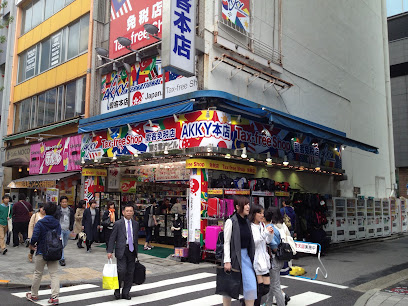
Laox
0.5 km
Explore Laox in Akihabara for an unforgettable duty-free shopping experience featuring beauty, electronics, and authentic Japanese souvenirs.
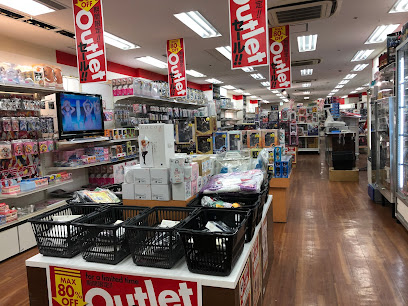
Azone Akihabara
0.6 km
Explore Azone Akihabara, Tokyo's premier hobby store, featuring exquisite dolls and collectibles that reflect the essence of Japanese culture.
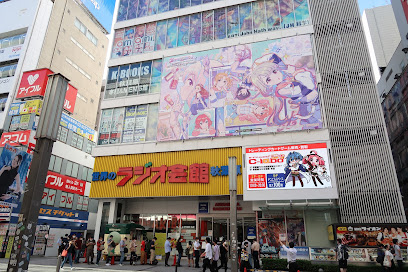
amiami Akihabara Radio Kaikan
0.6 km
Explore a treasure trove of anime and gaming collectibles at AmiAmi Akihabara Radio Kaikan, the ultimate hobbyist's paradise in Tokyo.
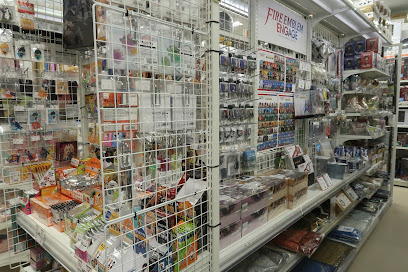
Gift Shop The Akiba
0.6 km
Explore an array of authentic Japanese souvenirs at The Akiba Gift Shop, a must-visit destination in Chiyoda City, Tokyo.
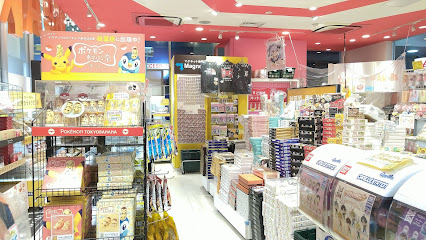
K-BOOKS Akihabara
0.6 km
Explore K-BOOKS Akihabara, the ultimate destination for anime and manga enthusiasts seeking collectibles and rare finds in Tokyo.
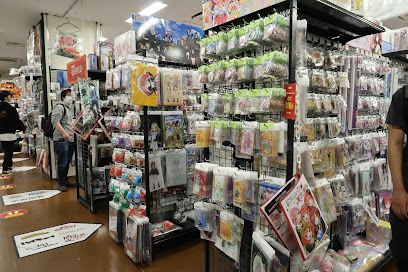
CHABARA
0.6 km
Discover the heart of Japanese craftsmanship at CHABARA, a unique shopping mall in Tokyo showcasing authentic souvenirs from across Japan.
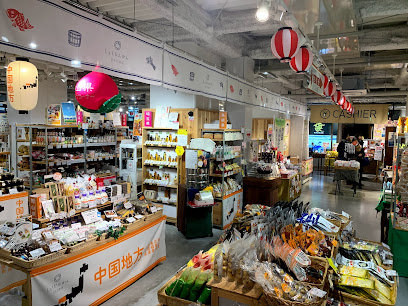
2k540 Aki-Oka Artisan
0.7 km
Explore the vibrant world of Japanese craftsmanship at 2k540 Aki-Oka Artisan, a unique shopping destination beneath Tokyo's iconic railway tracks.
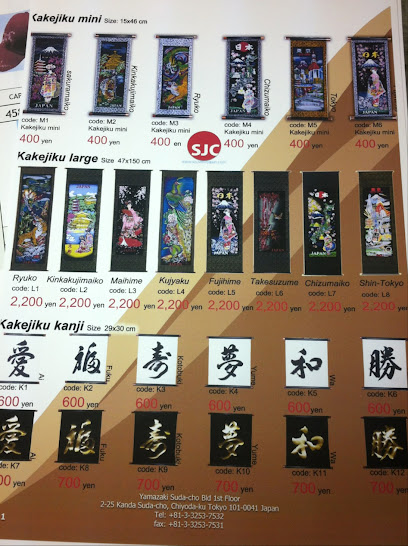
SJC
0.8 km
Explore SJC Gift Shop in Chiyoda City for authentic Japanese souvenirs and unique gifts that capture the essence of Japan's rich culture.
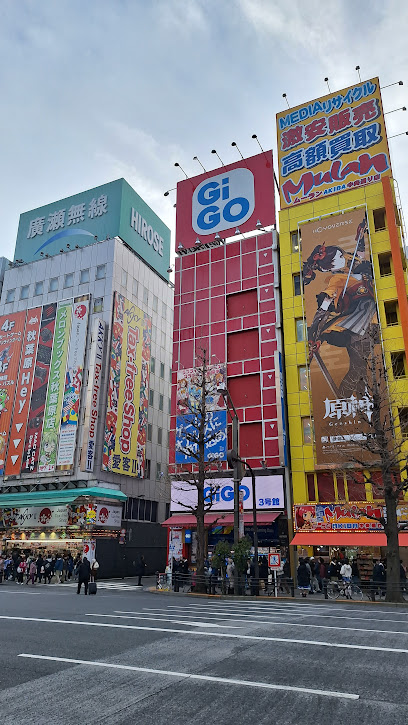
Akihabara
0.8 km
Explore Akihabara, Tokyo's Electric Town, where vibrant electronics, anime, and maid cafés create an unforgettable cultural experience.
Yodobashi Akiba
0.8 km
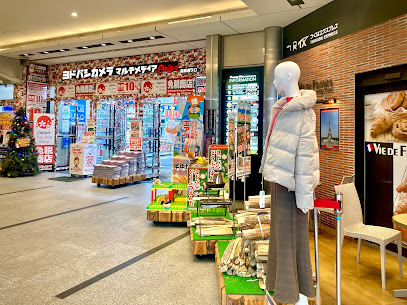
Explore Yodobashi Akiba, Tokyo's premier electronics store, offering cutting-edge gadgets, cameras, and an immersive shopping experience.
Essential bars & hidden hideouts

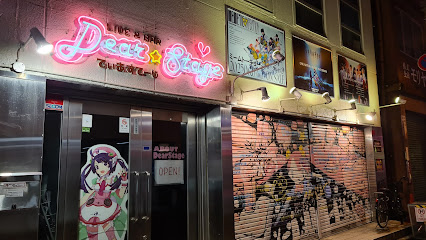
Akihabara Dear Stage
0.4 km
Dive into the heart of Tokyo's pop culture at Akihabara Dear Stage, a vibrant bar and event venue offering unique drinks and immersive entertainment.
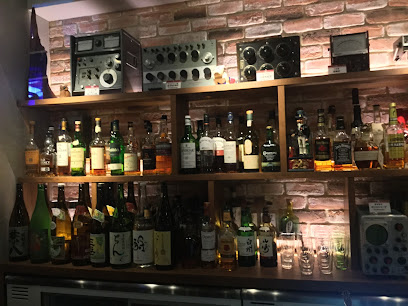
計測器Bar Gauge
0.4 km
Discover a unique blend of modern mixology and cozy ambiance at 計測器Bar Gauge in Tokyo, a must-visit for cocktail enthusiasts.
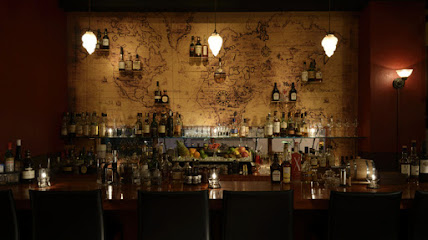
Orchard Knight
0.5 km
Discover the vibrant nightlife of Tokyo at Orchard Knight, a cocktail bar offering expertly crafted drinks and a cozy atmosphere for all.
SAKE MARKET Akihabaraten
0.5 km
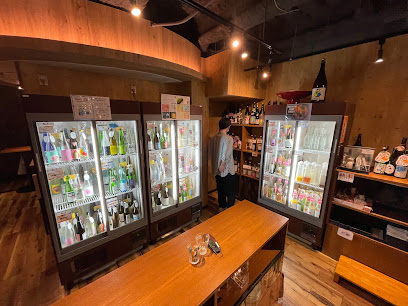
Experience the rich flavors of Japanese sake at SAKE MARKET Akihabaraten, a modern izakaya in the vibrant heart of Tokyo's Akihabara district.
cafe&bar WANTED
0.5 km
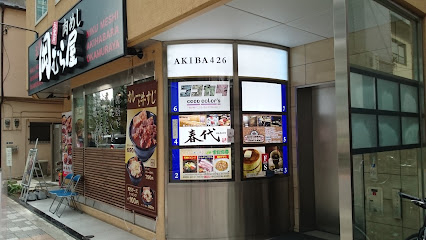
Uncover the magical world of Cafe&Bar WANTED in Chiyoda City, where enchanting themes meet delightful drinks in the heart of Tokyo's nightlife.
Low-Non-Bar
0.5 km
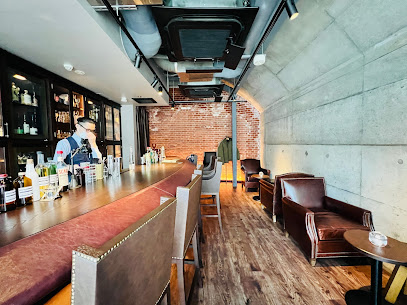
Discover the vibrant ambiance and innovative cocktails at Low-Non-Bar, a must-visit cocktail bar in the heart of Tokyo's nightlife.
Bar Rhythm Akihabara Denkigai
0.5 km
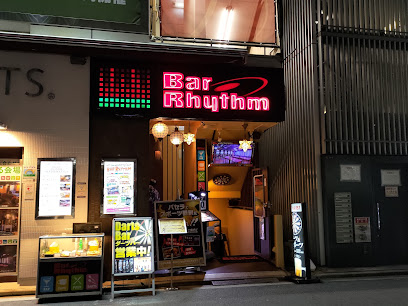
Discover the vibrant sports bar experience at Bar Rhythm Akihabara Denkigai, where darts and drinks create unforgettable memories in Tokyo's Akihabara.
Hitachino Brewing Lab Kanda Manseibashi
0.5 km
Discover the vibrant world of craft beer at Hitachino Brewing Lab Kanda Manseibashi, where unique brews meet delicious cuisine in Tokyo.
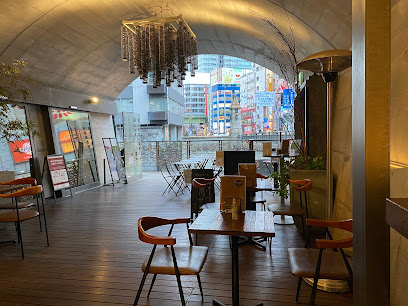
THE R.C. ARMS Akihabara
0.6 km
Experience the charm of a British gastropub in Tokyo's Akihabara, where traditional cuisine meets a modern twist in a cozy atmosphere.
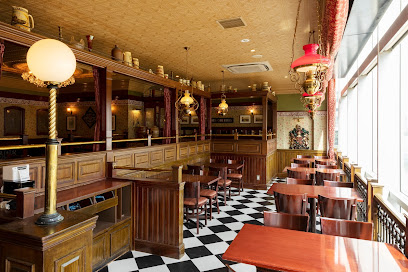
LEAP BAR
0.6 km
Discover the exquisite cocktail culture at LEAP BAR in Tokyo, where innovation meets tradition in an unforgettable nightlife experience.
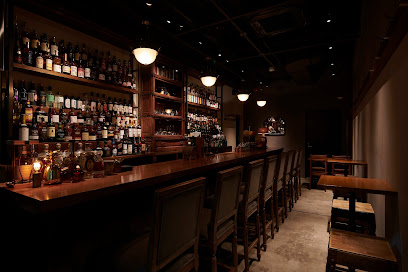
HUB Akihabara
0.7 km
Experience the heart of Akihabara at HUB Akihabara, where great food, drinks, and lively atmosphere come together for an unforgettable night out.
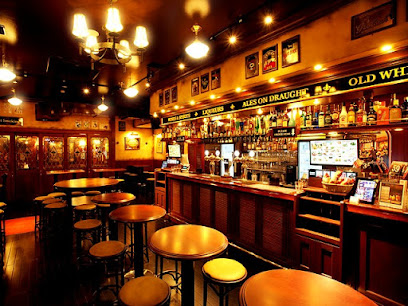
82 Akiba Tolim
0.7 km
Discover the essence of Tokyo nightlife at 82 Akiba Tolim, where delicious fish & chips and an extensive drink menu await.
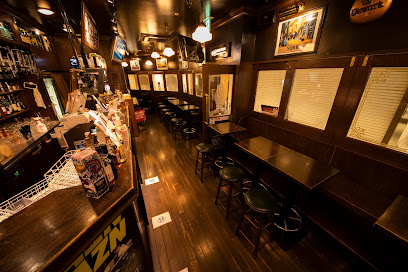
HUB Chomp Chomp Akihabara
0.8 km
Experience a taste of British pub culture in the heart of Tokyo's Akihabara at HUB Chomp Chomp, serving delicious fish and chips and a lively atmosphere.
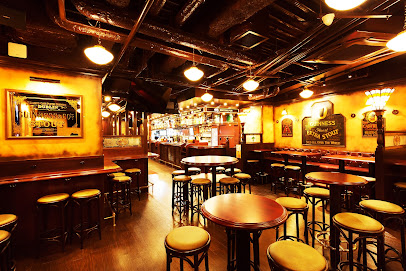
Speakeasy Bar羽月II
0.9 km
Experience the sophisticated charm of Speakeasy Bar羽月II, a hidden cocktail gem in Tokyo's Kanda district, blending tradition with modern flair.
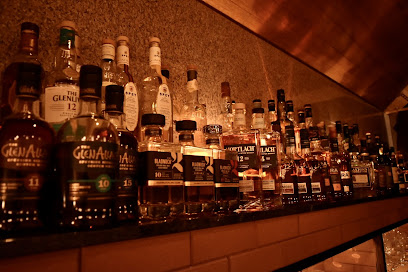
Alchemist
1.0 km
Discover the artistry of cocktails at Alchemist Bar, Tokyo's enchanting destination for nightlife and unique drink experiences.
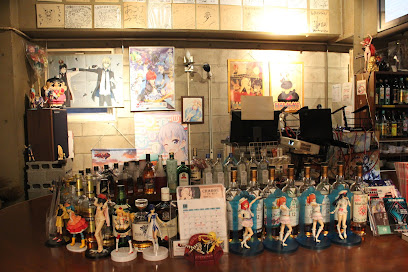
Nightclubs & after hour spots

シュガーメロディ
0.3 km
Discover the ultimate karaoke experience at シュガーメロディ in Chiyoda City, Tokyo. Sing, laugh, and create unforgettable memories in a vibrant atmosphere.
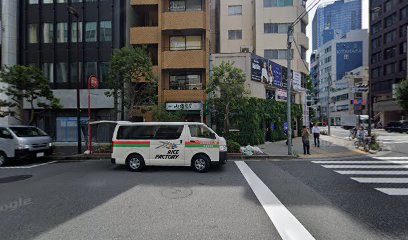
秋葉アイステ
0.5 km
Immerse yourself in the electrifying nightlife of Tokyo at 秋葉アイステ, a premier night club in Chiyoda City known for its unforgettable parties.
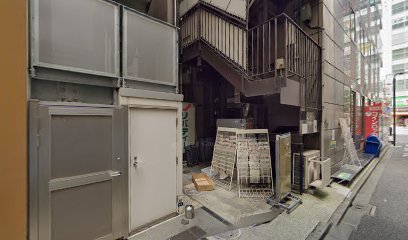
MOGRA
0.8 km
Experience the pulse of Akihabara's nightlife at MOGRA, where DJ beats meet anime culture for an unforgettable night out.
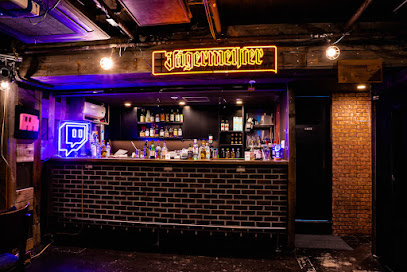
マベル Club Ma.Belle
0.8 km
Discover the vibrant nightlife of Tokyo at Club Ma.Belle, where captivating performances and a lively atmosphere await you.
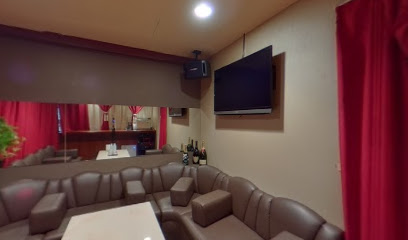
Club Platinum
0.8 km
Experience Tokyo's nightlife at Club Platinum, where vibrant cabaret performances meet exquisite hospitality in Akihabara.
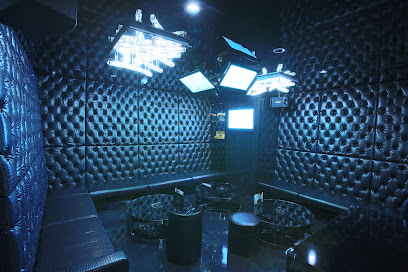
M kaupili club
0.8 km
Discover the vibrant nightlife of Tokyo at M kaupili Club - where spirited beats and electrifying dance create unforgettable moments.
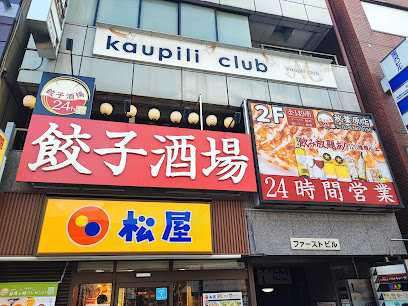
PRIME TOKYO
0.9 km
Dive into the heart of Tokyo's nightlife at PRIME TOKYO, a premier disco club where music, dance, and unforgettable memories await.
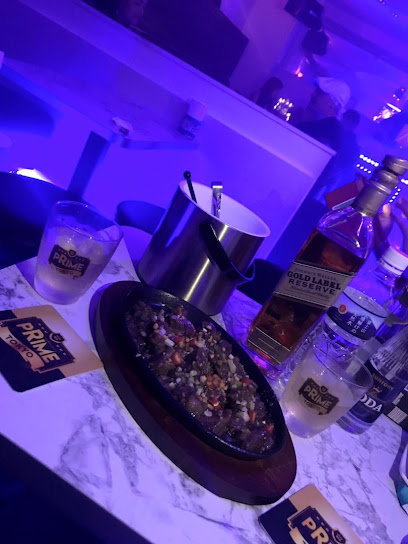
Chouchou Akihabara
0.9 km
Experience the enchanting world of cabaret at Chouchou Akihabara, where dazzling performances meet the heart of Tokyo's nightlife.
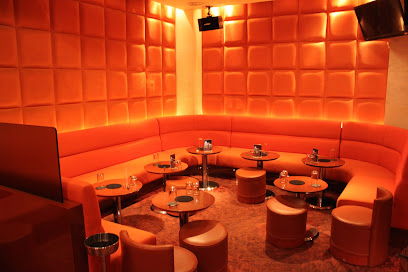
CLUB LEGACY(レガシー)
0.9 km
Discover the vibrant nightlife at CLUB LEGACY, Tokyo's premier cabaret club, where entertainment and excitement await every visitor.
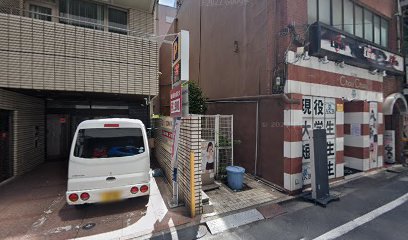
ガールズ バー ANY BAR 135 (エニー バー)
0.9 km
Discover the vibrant nightlife of Tokyo at ANY BAR 135, a charming girl bar in Bunkyo City, offering friendly service and a unique local experience.
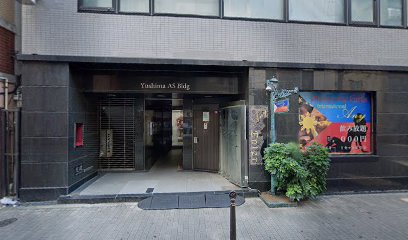
RGB TOKYO
0.9 km
Experience the vibrant nightlife of Tokyo at RGB Tokyo, a premier night club in Ueno offering electrifying music and innovative cocktails.
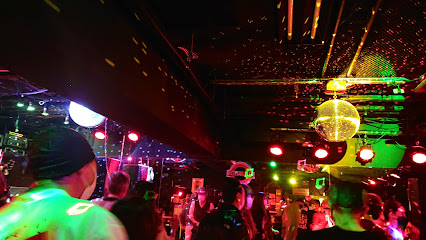
ホットレッグス(HOT LEGS)@上野インターナショナルクラブ
1.0 km
Dive into the vibrant nightlife of Tokyo at Hot Legs Cabaret Club, where captivating performances meet a lively atmosphere.
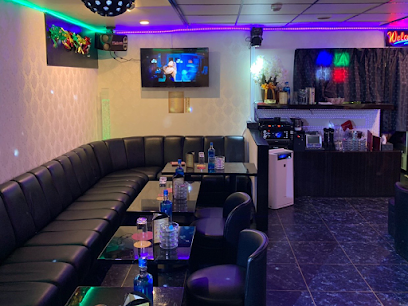
Club 8 Ueno
1.0 km
Discover the pulsating nightlife of Tokyo at Club 8 Ueno, where music, dancing, and vibrant energy come together for an unforgettable experience.
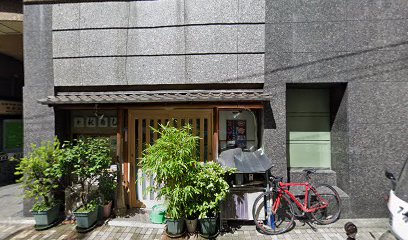
club圓
1.0 km
Discover the pulse of Tokyo's nightlife at Club 圓, a dynamic night club in Ueno offering unforgettable music and vibrant atmosphere.
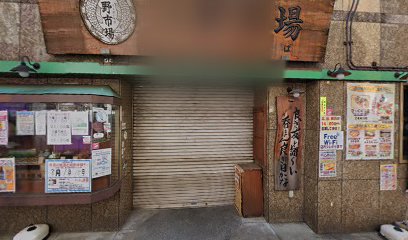
New Fantasy
1.1 km
Discover the electrifying nightlife at New Fantasy, a premier night club in Ueno, Tokyo, where every night is an unforgettable adventure.