

Free Tajima Travel Guide & Mobile App
Explore Tajima with free travel guides. Discover regional history, expert tips, proposed trips, and audio guides on web or mobile app.


Explore Tajima in northern Hyogo for Kinosaki’s hot springs, mountain castles, Sea of Japan coastlines, regional cuisine and rural landscapes.
Read more about Tajima
When is the best time to visit Tajima?
Best: April–May, October · 19–24°C| Month | High (°C) | Rainfall (mm) |
|---|---|---|
| January | 8 | 150 |
| February | 9 | 110 |
| March | 14 | 140 |
| April (best) | 19 | 130 |
| May (best) | 24 | 160 |
| June | 27 | 200 |
| July | 30 | 240 |
| August | 31 | 240 |
| September | 27 | 210 |
| October (best) | 22 | 160 |
| November | 16 | 120 |
| December | 10 | 140 |
Getting to and around Tajima
How to get there
Transportation
Destinations in Tajima
Resorts, valleys and scenic spots worth a trip of their own.

Swipe for more destinations
Best attractions in Tajima
Tajima’s attractions range from the bathhouses and traditional inns of Kinosaki Onsen to the castle-town streets of Izushi and the high stone walls of Takeda Castle in Asago. Toyooka provides museums, cultural facilities and access to the Hyogo Park of the Oriental White Stork, where conservation is linked to restored wetlands and rice-growing landscapes. Near Toyooka, the Genbudo caves expose striking columnar basalt and explain part of the region’s geological story. Along the Sea of Japan, the San’in Kaigan UNESCO Global Geopark encompasses cliffs, beaches, coves and unusual rock formations across a wider coastal area, with Tajima sections particularly suited to scenic drives, walking and boat-based viewing where available. Inland, hot-spring settlements, forested valleys, temple precincts and former mining communities offer a quieter sense of place. Outdoor possibilities include hiking, cycling, snow sports in suitable mountain areas and seasonal coastal activities, but facilities and transport vary considerably. Planning by district is more rewarding than treating every sight as a short trip from one base.
-
Theme park
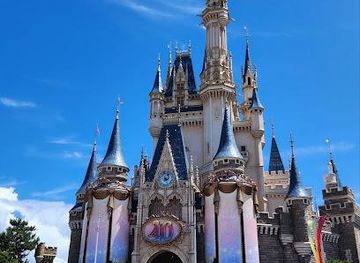
Tokyo Disneyland
Experience the magic of Disney with a Japanese twist at Tokyo Disneyland, a world-class theme park for all ages in Urayasu, Chiba.
-
Theme park
Tokyo DisneySea
Explore a world of nautical adventure and Disney magic at Tokyo DisneySea, the only sea-themed Disney park.
-
Buddhist temple
Kaminarimon
The iconic Thunder Gate: a vibrant gateway to Tokyo's oldest temple, Sensō-ji, in the heart of Asakusa. A must-see landmark!
-
Zoo
Ueno Zoological Gardens
Discover diverse wildlife in the heart of Tokyo at Japan's oldest zoo, home to pandas, tigers, and more, within the beautiful Ueno Park.


Best landmarks in Tajima
Kinosaki Onsen’s willow-lined Otani River, stone bridges, wooden ryokan and public bathhouses form Tajima’s most recognisable cultural townscape, although the buildings represent different periods of rebuilding and renewal. In Izushi, the Shinkoro clock tower stands beside the former castle area and has become a visual emblem of the town, while Eirakukan, a historic kabuki theatre, reflects the cultural life that grew around the castle settlement. Takeda Castle’s extensive dry-stone walls trace a mountain ridge above Asago and demonstrate the strategic importance of elevated fortifications in medieval Tajima. The Genbudo caves near Toyooka are a natural landmark of columnar basalt, created by volcanic activity and significant to the geological study of the Earth’s magnetic history. On the coast, the cliffs and irregular shoreline of the San’in Kaigan geopark provide a changing natural monument shaped by volcanic and marine processes. The stork wetlands around Toyooka are less monumental in form but highly significant as a landscape of conservation and agricultural adaptation.
-
Shinto shrine
Fushimi Inari Taisha
Explore the enchanting Fushimi Inari Taisha in Kyoto, home to thousands of iconic torii gates and a serene atmosphere steeped in tradition.
-
Observation deck
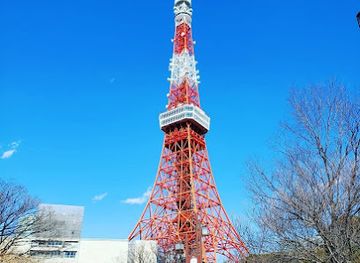
Tokyo Tower
Experience the breathtaking views and cultural richness of Tokyo Tower, an iconic landmark that captures the essence of Japan's vibrant spirit.
-
 Buddhist temple
Sensō-ji
Discover the spiritual heart of Tokyo at Sensō-ji, a historic Buddhist temple rich in culture and tradition.
-
Castle
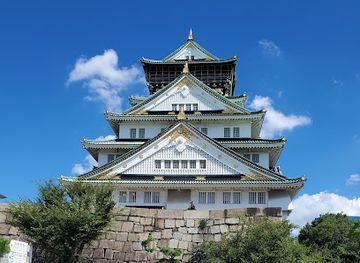
Osaka Castle
Discover the historical grandeur of Osaka Castle, a symbol of Japan's rich heritage surrounded by beautiful gardens and fascinating museums.

Explore Tajima on the map
Plan your trip on one map. See where the top cities, national parks and sights are, and book hotels and experiences in a few clicks.
Best hotels in Tajima
Best restaurants in Tajima
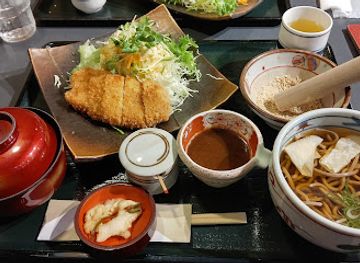
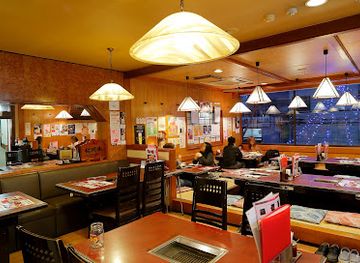
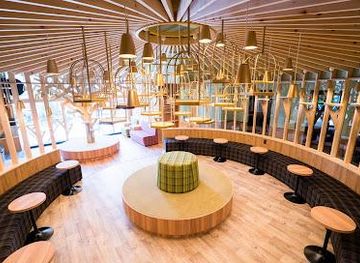
Tajima’s food culture is shaped by cold Sea of Japan waters, mountain agriculture and a strong tradition of carefully raised cattle. Winter matsuba crab, a regional name for male snow crab from the Sea of Japan, is served at ryokan and specialist restaurants during its seasonal period, while other seafood appears in fishing ports and coastal towns. Tajima cattle are prized livestock within the wider history of beef production associated with Hyogo, although menus and breeding claims should be read carefully rather than treated as interchangeable labels. In Izushi, sara soba is served in numerous small porcelain dishes, allowing diners to pace the meal and combine buckwheat noodles with local sauces and condiments. Kinosaki’s ryokan commonly offer elaborate seasonal kaiseki meals, while towns across the region have cafés, family restaurants, bakeries and izakaya. Rice, mountain vegetables, pickles and locally produced sake or other drinks often complement the menu. Booking is wise for ryokan dining and peak crab season.
-
Cafe
Owl Cafe Tokyo
Whisper among wise owls in Akihabara's tranquil haven: ethical interactions, majestic birds, and pure serenity in a reservation-only sanctuary.
-
Lunch
Roadside station Yoka Tajima-no-kura
Discover authentic Japanese cuisine at Roadside Station Yoka Tajima-no-kura—your gateway to local flavors and crafts in Hyogo Prefecture.
-
Yakiniku
Niku no Tajima
Experience premium Yakiniku dining at Niku no Tajima in Tokyo - where every bite is a celebration of exquisite flavors.
-
Cat cafe
Cat cafe MoCHA Akihabara Store
Discover feline bliss in Akihabara's cozy cat cafe, where playful cats, unlimited drinks, and manga create the ultimate urban oasis for relaxation and otaku charm.

Best bars in Tajima
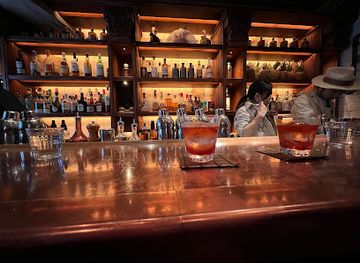
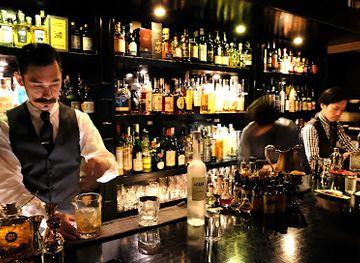
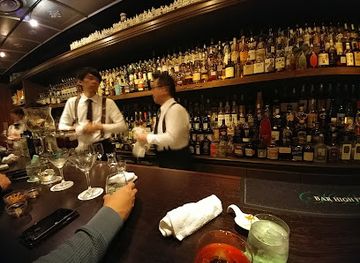
Evening life in Tajima is generally low-key and dispersed rather than centred on large nightclub districts. Kinosaki Onsen offers the most recognisable after-dinner atmosphere: visitors walk between ryokan, public bathhouses, small bars, cafés and traditional entertainment venues, with the streets often quieter outside peak periods. Toyooka has the region’s broadest selection of izakaya, restaurants and drinking places, while Izushi and the coastal communities have smaller local scenes. Traditional pubs, sake-focused establishments and casual restaurants are more typical than late-night clubs, and closing times vary by town and season. Some accommodation houses serve drinks to guests, but a ryokan stay is not necessarily an all-night social experience. In rural districts, evening transport is limited, so arrange a taxi or stay within walking distance rather than assuming that a late train or bus will be available. Respect neighbours when returning to traditional inns.
-
Bar
The SG Club
Discover the vibrant nightlife of Shibuya at The SG Club, where innovative cocktails and a lively atmosphere create unforgettable experiences.
-
Bar
Bar Benfiddich
Discover the art of cocktail making at Bar Benfiddich, Tokyo's prestigious bar known for its innovative drinks and cozy atmosphere.
-
Cocktail bar
Bar TRENCH
Experience the artistry of cocktails at Bar TRENCH, Tokyo's premier cocktail bar known for its innovative drinks and chic ambiance.
-
Bar
High Five
Experience the art of cocktail making at High Five, a premier bar in Ginza, Tokyo, known for its bespoke drinks and inviting ambiance.

Best nightclubs in Tajima
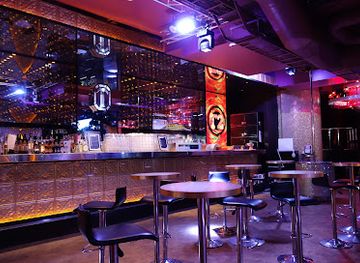
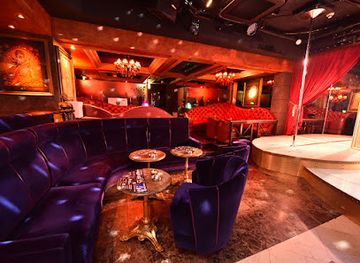
Evening life in Tajima is generally low-key and dispersed rather than centred on large nightclub districts. Kinosaki Onsen offers the most recognisable after-dinner atmosphere: visitors walk between ryokan, public bathhouses, small bars, cafés and traditional entertainment venues, with the streets often quieter outside peak periods. Toyooka has the region’s broadest selection of izakaya, restaurants and drinking places, while Izushi and the coastal communities have smaller local scenes. Traditional pubs, sake-focused establishments and casual restaurants are more typical than late-night clubs, and closing times vary by town and season. Some accommodation houses serve drinks to guests, but a ryokan stay is not necessarily an all-night social experience. In rural districts, evening transport is limited, so arrange a taxi or stay within walking distance rather than assuming that a late train or bus will be available. Respect neighbours when returning to traditional inns.
-
Night club
TK
Discover the electrifying nightlife of Tokyo at TK Nightclub, where music, dancing, and a vibrant atmosphere come together for an unforgettable experience.
-
Night club
Kujira Entertainment
Experience vibrant nightlife at Kujira Entertainment in Shinjuku, Tokyo, featuring live performances, exquisite cocktails, and a diverse menu.
-
Night club
WOMB
Discover Shibuya's iconic WOMB Night Club, where electrifying music, stunning visuals, and an unforgettable nightlife experience await you in Tokyo.
-
Night club
TANTRA TOKYO
Discover the vibrant nightlife of Tokyo at TANTRA TOKYO, where unforgettable performances and exquisite cocktails await in the heart of Roppongi.


Best shops in Tajima
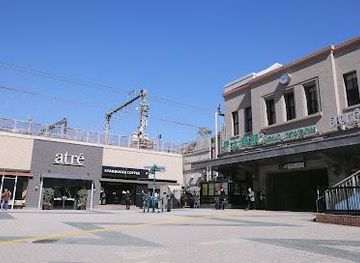
Shopping in Tajima is concentrated in town centres, station areas, traditional streets and specialist food outlets rather than large-scale retail districts. Izushi’s historic centre is a good place to look for soba-related gifts, ceramics, local food products and small craft shops, while Kinosaki Onsen has boutiques selling yukata, geta, confectionery, traditional snacks and souvenirs connected with the hot-spring town. Toyooka is nationally associated with bag-making and leather goods, and its shops and craft businesses reflect a longstanding manufacturing tradition; visitors should distinguish established products from generic souvenirs. Coastal communities offer seasonal seafood and processed foods, subject to transport and purchase restrictions, while rural areas sell rice, pickles, sake and other local produce through farm shops or roadside facilities. Small galleries and workshops may focus on pottery, textiles or woodwork, but opening arrangements vary. Carry cash for independent retailers and avoid buying food or natural products if they cannot be transported safely or legally into your next destination.
-
Department store
SEIBU Ikebukuro Main Store
Experience the essence of Tokyo shopping at SEIBU Ikebukuro Main Store – where luxury meets local charm in the heart of the city.
-
Shopping mall
DECKS
Explore DECKS, a vibrant shopping mall in Odaiba, Tokyo, featuring unique shops, dining options, and exciting entertainment for all ages.
-
Shopping mall
Futako-Tamagawa Rise Shopping Center
Discover Futako-Tamagawa Rise Shopping Center, Tokyo's ultimate retail destination with diverse shopping, dining, and entertainment experiences.
-
Shopping mall
atré Ueno
Explore atré Ueno, a bustling shopping mall in Tokyo, offering trendy stores, delightful cafes, and a taste of local culture in the heart of the city.



Get your free copy of our complete guide to Tajima, delivered straight to you.
Everything on this page, from attractions and restaurants to essentials and local phrases, in one PDF you can read offline, print or share.
Already have an account? Sign in
Your Tajima guide is ready.
We'll send it to · Not you? Sign out

Getting your guide ready…
We are putting together a fresh copy of the Tajima guide. This can take up to a minute.
This can take a few moments. If your browser asks, choose Allow so the download can start. You'll find the guide in your Downloads folder.
Nothing happened? Download it again
Sorry, the guide is taking longer than usual. Please try again in a minute, or get it by email instead.
Tajima essentials
Currency and Payment
Safety
Emergency Situations
Do's and Don'ts
Local Tips
From Eve
Local phrases worth knowing
You don't need to get them perfect. A few words go a long way, and locals appreciate the effort.
Basics
| English | Local | Say it |
|---|---|---|
| Hello | やあ | [Yā] |
| Goodbye | さようなら | [Sayōnara] |
| Yes | はい | [Hai] |
| No | いいえ | [Iie] |
| Please/You're welcome | どうぞ | [Dōzo] |
| Thank you | ありがとう | [Arigatō] |
| Excuse me/Sorry | すみません | [Sumimasen] |
| How are you? | お元気ですか? | [Ogenki desu ka?] |
| Fine. And you? | 元気です。あなたは? | [Genki desu. Anata wa?] |
| Do you speak English? | 英語を話せますか? | [Eigo o hanasemasu ka?] |
| I don't understand | わかりません | [Wakarimasen] |
Eating & Drinking
| English | Local | Say it |
|---|---|---|
| I'd like to see the menu, please | メニューを見せてください | [Menyū o misete kudasai] |
| I don't eat meat | 肉は食べません | [Niku wa tabemasen] |
| Cheers! | 乾杯! | [Kanpai!] |
| I would like to pay, please | お会計をお願いします | [Okaikei o onegaishimasu] |
Emergencies
| English | Local | Say it |
|---|---|---|
| Help! | 助けて! | [Tasukete!] |
| Go away! | どこか行って! | [Doko ka itte!] |
| Call the Police! | 警察を呼んで! | [Keisatsu o yonde!] |
| Call a doctor! | 医者を呼んで! | [Isha o yonde!] |
| I'm lost | 道に迷いました | [Michi ni mayoimashita] |
| I'm ill | 具合が悪いです | [Guai ga warui desu] |
Shopping
| English | Local | Say it |
|---|---|---|
| I'd like to buy... | 買いたいです... | [Kaitai desu...] |
| I'm just looking | 見ているだけです | [Mite iru dake desu] |
| How much is it? | これはいくらですか? | [Kore wa ikura desu ka?] |
| That's too expensive | それは高すぎます | [Sore wa takasugimasu] |
| Can you lower the price? | 値下げできますか? | [Nesage dekimasu ka?] |
Time & Numbers
| English | Local | Say it |
|---|---|---|
| What time is it? | 今何時ですか? | [Ima nanji desu ka?] |
| It's one o'clock | 1時です | [Ichi ji desu] |
| Half past (10) | 10時半です | [Jū ji han desu] |
| Morning | 朝 | [Asa] |
| Afternoon | 午後 | [Gogo] |
| Evening | 夕方 | [Yūgata] |
| Yesterday | 昨日 | [Kinō] |
| Today | 今日 | [Kyō] |
| Tomorrow | 明日 | [Ashita] |
| 1 | 1 | [Ichi] |
| 2 | 2 | [Ni] |
| 3 | 3 | [San] |
| 4 | 4 | [Shi] |
| 5 | 5 | [Go] |
| 6 | 6 | [Roku] |
| 7 | 7 | [Nana] |
| 8 | 8 | [Hachi] |
| 9 | 9 | [Kyū] |
| 10 | 10 | [Jū] |
Transport & Directions
| English | Local | Say it |
|---|---|---|
| Where's a/the...? | どこに...がありますか? | [Doko ni... ga arimasu ka?] |
| What's the address? | 住所は何ですか? | [Jūsho wa nan desu ka?] |
| Can you show me (on the map)? | 地図で見せてくれますか? | [Chizu de misete kuremasu ka?] |
| When's the next (bus)? | 次のバスはいつですか? | [Tsugi no basu wa itsu desu ka?] |
| A ticket (to ....) | (...行きの)チケット | [(... yuki no) chiketto] |
History of Tajima
Ancient Tajima Province
Tajima was one of the provinces of ancient Japan and broadly corresponded to northern Hyogo Prefecture. Its position between the Sea of Japan and the interior made it a corridor for coastal exchange, religious travel and political administration, while its mountains limited easy movement between settlements. The provincial name survives in the modern regional identity, in geographical expressions such as Tajima cattle, and in the names of local institutions and transport routes. Archaeological remains, old shrines and historic settlement patterns preserve evidence of communities that combined rice cultivation in river valleys with forestry, fishing and mountain resource use.
Medieval Castles and the Izushi Domain
During the medieval period, control of Tajima was contested among warrior families because the province connected the Sea of Japan coast with routes into central Japan. Izushi became an important political centre, and the Izushi Castle area later developed under the Sengoku and early modern order. The present town retains traces of that history in its street plan, temple precincts, former castle site and the Shinkoro clock tower. These remains are not simply decorative attractions: they reflect the role of castle towns as administrative, commercial and religious centres in Japan’s feudal domains.
Takeda Castle and the Mountain Stronghold Tradition
Takeda Castle, in present-day Asago, was established in the fifteenth century and expanded during the age of regional warfare. Its stone walls follow the contours of Mount Kojo, producing a high ridge-top fortress rather than a conventional flatland castle. The stronghold was abandoned in the early Edo period after Japan’s political reunification, but its masonry survived on the mountain. Today the ruins illustrate how military power in Tajima depended on controlling valleys and approaches through difficult terrain. Mist can gather below the walls in autumn mornings, but the so-called ‘castle in the sky’ effect is weather-dependent.
Ikuno Silver Mine and Industrial Change
Ikuno Silver Mine in Asago was worked for centuries and became one of Japan’s important mining enterprises after the Meiji government modernised it in the nineteenth century. Foreign engineering expertise and new machinery were introduced as Japan sought to develop modern industry, and the mine remained influential until its closure in the twentieth century. The surviving mining landscape, galleries and associated settlement history show how extraction reshaped inland Tajima, creating transport needs, employment and links between a mountainous district and national economic development.
Kinosaki Onsen and the Growth of Hot-Spring Travel
Kinosaki Onsen has a long hot-spring history traditionally associated with the discovery of its waters in the eighth century, although the town’s present form developed through many later periods. Ryokan, bathhouses and bridges around the Otani River created a concentrated spa settlement whose economy depended on hospitality, transport and seasonal visitors. Writers and artists helped reinforce Kinosaki’s cultural profile in modern Japan, while repeated rebuilding after fires and other disasters shaped its architectural character. The town’s public-bath tradition remains central to Tajima’s tourism identity.
Earthquakes, Fire and Modern Reconstruction
Tajima’s towns have repeatedly adapted to natural disasters, including earthquakes and fires. A major earthquake in the northern Tajima area in 1925 caused severe destruction in Toyooka and surrounding communities, followed by reconstruction and changes to urban buildings and infrastructure. Such events help explain why historic-looking districts should not automatically be assumed to contain untouched buildings from a single period. Modern Tajima combines surviving temples, townscapes and traditional houses with structures rebuilt using contemporary methods, reflecting the region’s continuing negotiation between heritage and resilience.
The Oriental Stork Reintroduction
The oriental stork became extinct in the wild in Japan in the early 1970s, after habitat loss, pollution and changes in agricultural practice had reduced its numbers. Conservation work centred on Toyooka, where captive breeding and habitat restoration eventually supported the release of birds into the wild in the early twenty-first century. Wetland management, pesticide reduction and collaboration with local farmers have made the stork a symbol of environmental recovery in Tajima. The Hyogo Park of the Oriental White Stork and surrounding rice-growing landscapes connect wildlife conservation with everyday regional agriculture.
Tajima in Photos
Browse through our photo collection highlighting the charm and character of the destination.
Neighbouring regions of Tajima
The closest regions to Tajima, if you have time for more than one.
-

-

-

-

-



Swipe for more regions
Explore more

Explore more of Japan
Discover the harmony of tradition and modernity in Japan, where ancient temples and cutting-edge technology coexist in perfect balance.
Explore Japan