
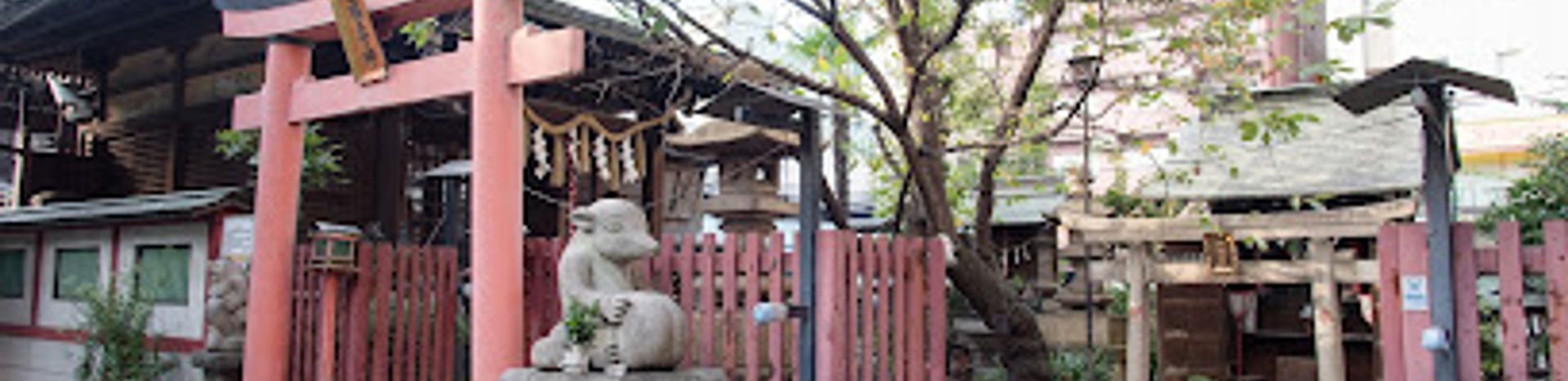
Yanagimori Shrine: A Tranquil Oasis in Akihabara
Discover a serene Shinto shrine near Akihabara, with a rich history and charming tanuki statues, offering a peaceful escape in bustling Tokyo.
Yanagimori Shrine, nestled in Tokyo's Chiyoda City near Akihabara, offers a serene escape from the surrounding electronic district. Founded in 1457, this Shinto shrine provides a glimpse into Japan's rich history and spiritual traditions.
A brief summary to Yanagimori Shrine
- 2 Chome-25-1 Kanda Sudacho, Chiyoda City, 2 Chome Kanda Sudacho, Tokyo, 101-0041, JP
- +813-3251-6422
- Visit website
- Monday 7 am-5 pm
- Tuesday 7 am-5 pm
- Wednesday 7 am-5 pm
- Thursday 7 am-5 pm
- Friday 7 am-5 pm
- Saturday 7 am-5 pm
- Sunday 7 am-5 pm
Local tips
- Visit early in the morning for a quieter experience and to enjoy the serene atmosphere.
- Check for seasonal festivals for traditional performances and local cuisine.
- Take time to explore the gardens, especially during cherry blossom season.
- Purify your hands at the water basin before entering the shrine as a sign of respect.

Getting There
-
Walking
Yanagimori Shrine is a short walk from Akihabara Station. Exit the station towards the Electric Town. Cross the Kanda River via the pedestrian bridge near the camera duty-free shop and Jonathan's restaurant. The shrine is a minute's walk from the bridge.
-
Public Transport
From Akihabara Station, take the Hibiya Line (Grey Line) to Kodemmacho Station. Take Exit 1 and walk straight for about 500 meters, then turn left onto Kanda Sudacho. The shrine will be on your right after another 200 meters. Subway fares in Tokyo typically range from ¥180-¥330 depending on the distance.
-
Taxi
Taxis are readily available in Tokyo. A short taxi ride from Akihabara Station to Yanagimori Shrine will cost approximately ¥730 for the first 1-2 kilometers, with an additional ¥280 for each 280 meters traveled. Taxi fare from Chiyoda to Tōkyō Station is between ¥1,700–¥2,100.


