

Abdoun (Amman) Travel Guide - Free
Explore Abdoun in Amman with Evendo's free guide. Find the best shops, historic streets, restaurants, and gems on web or mobile.


Abdoun in Amman blends leafy villa streets, cafés, Wakalat Street shopping, embassy avenues and views across Jordan’s modern capital near Abdoun Bridge.
A Modern Amman Neighbourhood
Abdoun occupies a broad, elevated area of western Amman, where residential streets, diplomatic compounds, contemporary apartment buildings and busy commercial corridors spread across limestone hills and the deep Wadi Abdoun. It is generally regarded as one of the capital’s more affluent neighbourhoods, although its character varies considerably between quiet villa lanes, apartment-lined roads and lively restaurant districts. The area is not an old-town quarter: its identity belongs largely to Amman’s modern westward expansion and the city’s transformation into Jordan’s administrative, diplomatic and commercial centre.Read more about Abdoun
Streets, Views and Architecture
Eating, Shopping and Evening Life
Best attractions in Abdoun
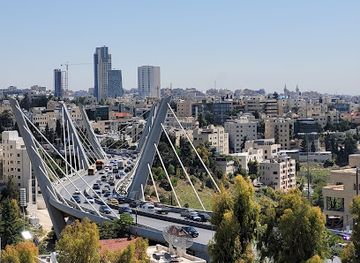
Abdoun’s attractions are primarily urban and contemporary rather than monumental. Al Wakalat Street is the neighbourhood’s most recognisable visitor-oriented space, combining pedestrian lanes, cafés, restaurants and shops in a setting that feels different from Amman’s traffic-heavy arterial roads. The Abdoun Bridge is another defining sight: its cable-stayed structure crosses Wadi Abdoun and creates a dramatic contrast with the surrounding limestone hills and apartment buildings, although traffic makes the bridge itself unsuitable as a relaxed promenade. Taj Lifestyle Center offers indoor shopping, dining and leisure in a modern setting, while the streets around Abdoun Circle reveal the area’s mix of villas, embassies, offices and cafés. Visitors interested in urban landscapes can explore the changing views between the higher residential roads and the wadi, observing how modern western Amman has been built across steep terrain.
-
Tourist attraction
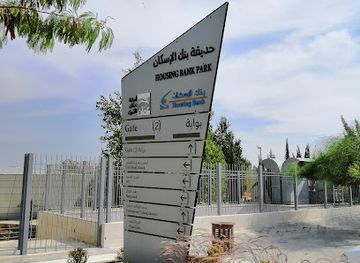
Housing Bank Garden
Explore the serene beauty and vibrant atmosphere of Housing Bank Garden in Amman, a perfect escape for tourists and locals alike.
15 min walk · 1.2 km from neighbourhood centre
-
Tourist attraction
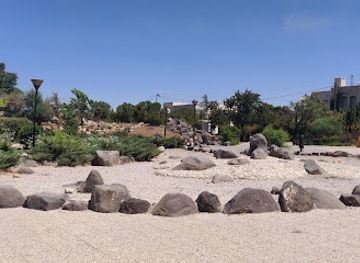
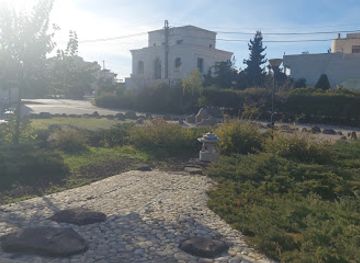
Japanese Park
Explore the tranquility and beauty of Japanese Park in Amman, offering a unique blend of nature and culture in a serene environment.
17 min walk · 1.4 km from neighbourhood centre
-
Haunted house
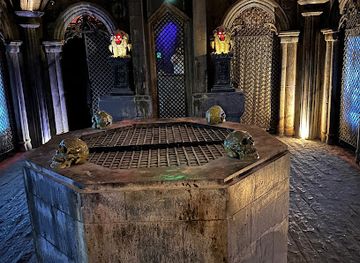
Phobia haunted house
Experience spine-tingling thrills at Phobia Haunted House in Amman—where fear meets excitement in an unforgettable haunted adventure.
18 min walk · 1.4 km from neighbourhood centre
-
Park
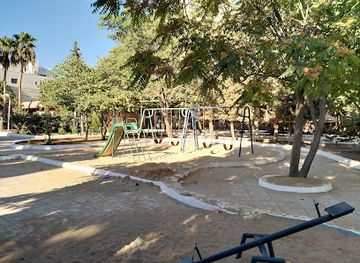
AlDiyar Park
Experience tranquility and natural beauty at AlDiyar Park, a serene urban retreat in the heart of Amman, perfect for relaxation and leisure activities.
17 min walk · 1.3 km from neighbourhood centre

Best landmarks in Abdoun
The Abdoun Bridge is the neighbourhood’s clearest architectural landmark, spanning Wadi Abdoun with a cable-stayed design that has become a familiar feature of Amman’s western skyline and road network. It expresses the engineering demands of a city built across deep valleys and steep limestone ridges. Abdoun Circle functions as another important local reference point, although its significance is primarily practical: it organises traffic and marks the centre of a busy commercial and residential area. Al Wakalat Street has a different kind of importance, representing the neighbourhood’s shift towards pedestrian-oriented retail and leisure. Across Abdoun, embassy compounds, enclosed villas and pale-stone apartment blocks provide a less formal but equally characteristic architectural record of modern west Amman, where private residential development and international institutions occupy the same hilly landscape.
-
Park
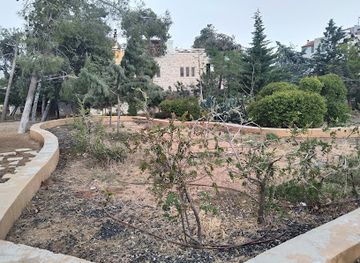
Zahran Park
Explore the lush landscapes and tranquil atmosphere of Zahran Park, a serene retreat in the heart of Amman, perfect for relaxation and recreation.
14 min walk · 1.1 km from neighbourhood centre
-
Park
Japanese Park
Discover the serene beauty of Japanese Park in Amman, where tranquility meets nature amidst stunning Japanese gardens and picturesque landscapes.
17 min walk · 1.4 km from neighbourhood centre
-
Bridge
Abdoun Bridge
Explore the iconic Abdoun Bridge in Amman, Jordan, where stunning views meet modern engineering, making it a must-see landmark.
4 min walk · 0.3 km from neighbourhood centre
-
Haunted house
Phobia haunted house
Experience fear like never before at Phobia Haunted House in Amman, a must-visit for thrill-seekers and horror fans alike.
18 min walk · 1.4 km from neighbourhood centre
Explore Abdoun on the map
A handpicked selection of must-see spots in Abdoun, mapped for you.
Best hotels in Abdoun
Best restaurants in Abdoun
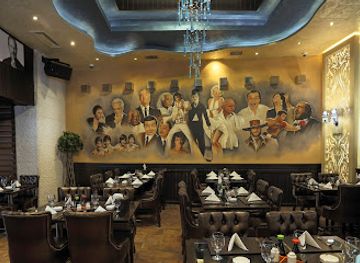
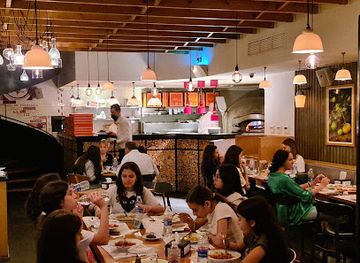
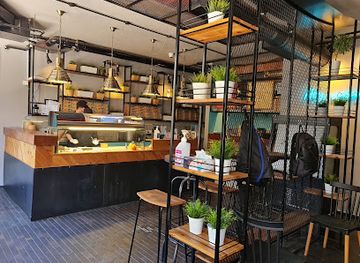
Abdoun is one of Amman’s strongest areas for contemporary dining, with restaurants and cafés spread around Abdoun Circle, the main commercial roads and Al Wakalat Street. The scene ranges from coffee houses, bakeries and casual international food to polished restaurants serving Jordanian and wider regional cuisine, alongside Asian, European and fusion influences. Dining is often as much a social activity as a meal, with outdoor terraces and late-evening café visits forming part of the neighbourhood’s modern urban rhythm. Al Wakalat Street provides a more concentrated setting for browsing menus and eating outdoors, while the area around Taj Lifestyle Center adds restaurants within a retail environment. Visitors should distinguish Abdoun’s restaurant culture from the traditional food stalls and historic cafés of downtown Amman: the neighbourhood’s emphasis is on contemporary interiors, broad culinary choice and informal socialising rather than an old-market atmosphere.
-
Italian
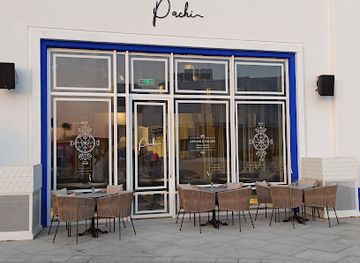
Pachi Pizza & Pasta
Experience authentic Italian flavors at Pachi Pizza & Pasta in Amman – where every bite transports you to Italy.
12 min walk · 0.9 km from neighbourhood centre
-
Restaurant
Fame Restaurant
Experience the fusion of traditional Middle Eastern flavors and modern sushi artistry at Fame Restaurant in Amman.
6 min drive · 2.0 km from neighbourhood centre
-
Italian
Little Italy Pizzeria
Experience authentic Italian cuisine at Little Italy Pizzeria in Amman - where every dish tells a story of tradition and flavor.
10 min walk · 0.8 km from neighbourhood centre
-
Sushi
Fish Face Abdoun
Experience exquisite sushi and seafood delicacies at Fish Face Abdoun - Amman's culinary gem for seafood lovers.
17 min walk · 1.4 km from neighbourhood centre
Best bars in Abdoun
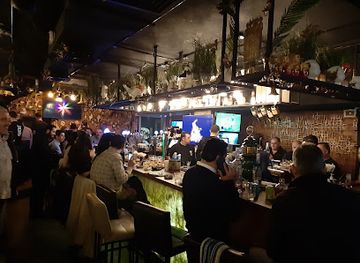
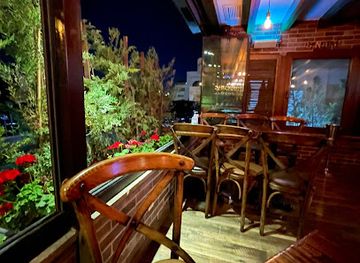
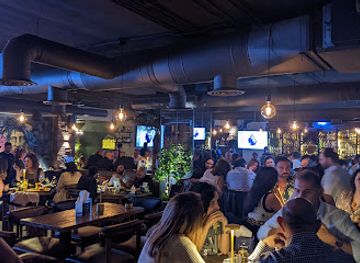
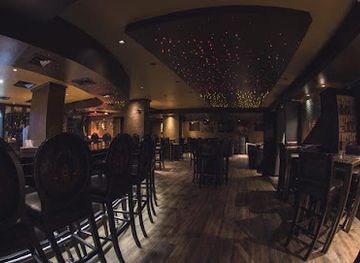
Abdoun’s evening life is centred more on restaurants, cafés and lounges than on a dense club district. After dark, the streets around Abdoun Circle, Al Wakalat Street and the larger commercial developments attract groups meeting for coffee, dinner and conversation, with some venues offering more polished lounge-style settings. Alcohol is available in some licensed establishments, but it should not be assumed that every restaurant or café serves it, and the atmosphere varies from quiet and family-oriented to more fashion-conscious. Nightlife is generally dispersed, so visitors may need a taxi between venues rather than moving through a single pedestrian bar strip. Residential streets remain comparatively subdued, and noise should be kept low near homes, diplomatic properties and apartment buildings.
-
Bar
Good Pub
Discover the vibrant atmosphere of The Good Pub in Amman, where drinks and good food meet a friendly vibe.
15 min walk · 1.2 km from neighbourhood centre
-
Restaurant
SNUG
Discover the lively SNUG in Amman, a perfect blend of delicious cuisine and vibrant pub atmosphere for an unforgettable dining experience.
1 min walk · 0.1 km from neighbourhood centre
-
Bar
Odyssey Bistro Pub
Discover the lively vibe of Odyssey Bistro Pub in Amman, where great food, refreshing drinks, and a warm atmosphere await.
10 min walk · 0.8 km from neighbourhood centre
-
Lounge
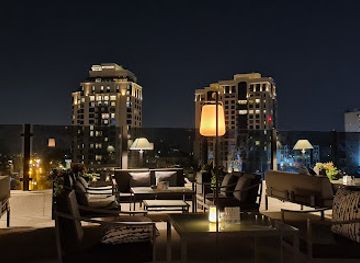
Nine O Nine Rooftop
Discover the vibrant nightlife of Amman at Nine O Nine Rooftop, where stunning views meet delightful culinary experiences.
1 min walk · 0.1 km from neighbourhood centre

Best nightclubs in Abdoun
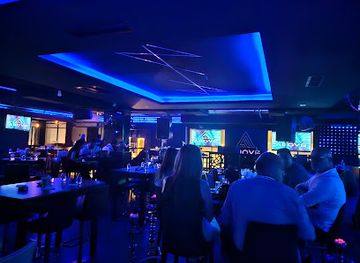
Abdoun’s evening life is centred more on restaurants, cafés and lounges than on a dense club district. After dark, the streets around Abdoun Circle, Al Wakalat Street and the larger commercial developments attract groups meeting for coffee, dinner and conversation, with some venues offering more polished lounge-style settings. Alcohol is available in some licensed establishments, but it should not be assumed that every restaurant or café serves it, and the atmosphere varies from quiet and family-oriented to more fashion-conscious. Nightlife is generally dispersed, so visitors may need a taxi between venues rather than moving through a single pedestrian bar strip. Residential streets remain comparatively subdued, and noise should be kept low near homes, diplomatic properties and apartment buildings.
-
Lounge
Above Amman
Experience the vibrant nightlife of Amman at Above Amman, a chic lounge offering stunning views, live music, and exquisite cocktails.
1 min walk · 0.1 km from neighbourhood centre
-
Night club
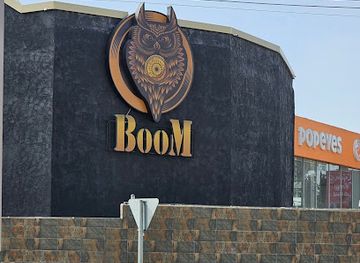
Boom Club Amman _ ديسكو بووم عمان
Boom Club Amman: A vibrant disco club experience in the heart of Jordan's capital, perfect for nightlife enthusiasts and travelers.
7 min drive · 2.4 km from neighbourhood centre
-
Restaurant
Club on Five Lounge
Experience luxury dining at Club on Five Lounge in Amman, where exquisite cuisine meets breathtaking views in a sophisticated atmosphere.
5 min drive · 1.8 km from neighbourhood centre
-
Night club
Hangover restaurant, pub and night club
Discover the electrifying nightlife of Amman at Hangover Restaurant, Pub, and Night Club—where great music and vibrant energy collide.
6 min drive · 2.0 km from neighbourhood centre
Best shops in Abdoun
Shopping in Abdoun combines contemporary retail centres with smaller businesses scattered along busy roads and around pedestrianised Al Wakalat Street. The street is associated with fashion, cafés, restaurants and a more leisurely browsing experience than the city’s traffic-heavy commercial corridors, while Taj Lifestyle Center provides a modern indoor setting for branded retail, dining and leisure. Independent cafés, beauty businesses, specialist stores and everyday services are also part of the neighbourhood’s commercial fabric, although Abdoun is not primarily a traditional craft or souq district. Shoppers looking for Jordanian handicrafts, spices or old-market atmosphere may find a broader selection in downtown Amman and other historic commercial areas. In Abdoun, the emphasis is on contemporary clothing, lifestyle goods, personal services and social shopping within an affluent western-Amman setting.
-
Shopping mall
Taj Lifestyle Center
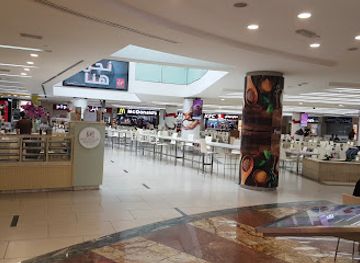
Discover the vibrant shopping and dining experience at Taj Lifestyle Center, the heart of Amman's modern attractions.
12 min walk · 0.9 km from neighbourhood centre
-
Clothing store
Jobedu
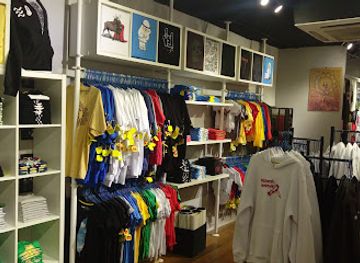
Discover unique Jordanian fashion and cultural creativity at Jobedu, a vibrant clothing store in Amman, perfect for fashion lovers and cultural enthusiasts.
11 min walk · 0.9 km from neighbourhood centre
-
Shopping mall
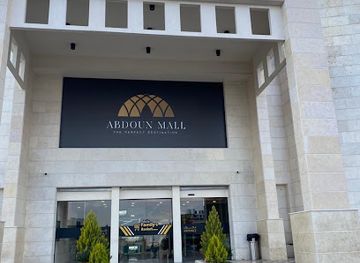
Abdoun Mall
Explore Abdoun Mall in Amman for an unforgettable shopping and dining experience that blends local culture with international flair.
18 min walk · 1.4 km from neighbourhood centre
-
Gift shop
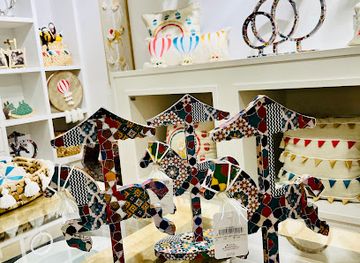
Jordan River Designs
Explore Jordan River Designs in Amman for exquisite handcrafted souvenirs and authentic Jordanian gifts that capture the essence of local culture.
5 min drive · 1.6 km from neighbourhood centre
Abdoun essentials
Getting There
Getting Around
Safety
Emergency Situations
Do's and Don'ts
Local Tips

From Eve
Local phrases worth knowing
You don't need to get them perfect. A few words go a long way, and locals appreciate the effort.
Basics
| English | Local | Say it |
|---|---|---|
| Hello | مرحبا | [marhaba] |
| Goodbye | وداعا | [wada'an] |
| Yes | نعم | [naam] |
| No | لا | [la] |
| Please/You're welcome | من فضلك | [min fadlik] |
| Thank you | شكرا | [shukran] |
| Excuse me/Sorry | عذرا | [athara] |
| How are you? | كيف حالك؟ | [kayf halik?] |
| Fine. And you? | بخير. وأنت؟ | [bukhayr. wa ant?] |
| Do you speak English? | هل تتكلم الإنجليزية؟ | [hal tatakallam al'inglizia?] |
| I don't understand | أنا لا أفهم | [ana la afham] |
Eating & Drinking
| English | Local | Say it |
|---|---|---|
| I'd like to see the menu, please | أريد أن أرى القائمة، من فضلك | [uriidu an ara alqaima, min fadlik] |
| I don't eat meat | أنا لا آكل اللحم | [ana la aakul allahm] |
| Cheers! | في صحتك! | [fi sahtik!] |
| I would like to pay, please | أريد أن أدفع، من فضلك | [uriidu an adfa', min fadlik] |
Emergencies
| English | Local | Say it |
|---|---|---|
| Help! | النجدة! | [alnajda!] |
| Go away! | ارحل! | [irhal!] |
| Call the Police! | اتصل بالشرطة! | [itassil bialshurta!] |
| Call a doctor! | اتصل بطبيب! | [itassil batabib!] |
| I'm lost | لقد ضللت الطريق | [laqad dalalt altariq] |
| I'm ill | أنا مريض | [ana mareed] |
Shopping
| English | Local | Say it |
|---|---|---|
| I'd like to buy... | أريد أن أشتري... | [uriidu an ashtari...] |
| I'm just looking | أنا فقط أتصفح | [ana faqat atasafah] |
| How much is it? | كم سعره؟ | [kam sayruh?] |
| That's too expensive | هذا غالي جدا | [hatha ghali jiddan] |
| Can you lower the price? | هل يمكنك تخفيض السعر؟ | [hal yumkinuk takhfid alsayr?] |
Time & Numbers
| English | Local | Say it |
|---|---|---|
| What time is it? | كم الساعة؟ | [kam alsaa'a?] |
| It's one o'clock | الساعة الواحدة | [alsaa'at alwahida] |
| Half past (10) | العاشرة والنصف | [al'ashirah walnisf] |
| Morning | الصباح | [assabah] |
| Afternoon | المساء | [almasa'] |
| Evening | المساء | [almasa'] |
| Yesterday | البارحة | [albariha] |
| Today | اليوم | [alyawm] |
| Tomorrow | غدا | [ghadan] |
| 1 | واحد | [wahid] |
| 2 | اثنان | [ithnan] |
| 3 | ثلاثة | [thalatha] |
| 4 | أربعة | [arba'a] |
| 5 | خمسة | [khamsa] |
| 6 | ستة | [sitta] |
| 7 | سبعة | [sab'a] |
| 8 | ثمانية | [thamaniya] |
| 9 | تسعة | [tis'a] |
| 10 | عشرة | [ashara] |
Transport & Directions
| English | Local | Say it |
|---|---|---|
| Where's a/the...? | أين... | [ayn...] |
| What's the address? | ما هو العنوان؟ | [ma hu al'awnan?] |
| Can you show me (on the map)? | هل يمكنك أن تريني (على الخريطة)؟ | [hal yumkinuk an tarini (ala alkhariata)?] |
| When's the next (bus)? | متى يأتي الحافلة القادمة؟ | [mata ya'ti alhafilat alqadima?] |
| A ticket (to ....) | تذكرة (إلى ...) | [tazkirat (ila ...)] |
History of Abdoun
From Wadi to Western Expansion
Abdoun developed as part of Amman’s modern expansion across the hills west of the older central districts. The area around Wadi Abdoun was historically less densely built than the established city, with open ground and routes connecting the valleys and uplands. As Amman grew rapidly during the twentieth century, especially after the arrival of new residents and institutions from across the region, development moved into western areas. Villas, apartment buildings and roads gradually replaced much of the former open landscape, giving Abdoun the suburban and residential character that still distinguishes several of its streets.
The Rise of Modern West Amman
During the later twentieth century, Abdoun became associated with the westward growth of Amman’s professional, diplomatic and commercial life. Larger homes and newer apartment blocks appeared alongside embassies, offices, schools and private businesses, while the neighbourhood’s elevated position offered a desirable setting away from the dense slopes of central Amman. This development did not produce a single uniform architectural style: local limestone construction, enclosed villas, mid-rise apartments and newer commercial façades reflect successive periods of urban growth. Abdoun’s social identity consequently became linked to affluent residential life and the international activity of the capital.
Bridging the Wadi
The construction of Abdoun Bridge, completed in the 2000s, marked a major change in the area’s transport landscape. The cable-stayed structure crosses Wadi Abdoun and links important roads on either side of the valley, improving movement through a part of the city where steep terrain had long shaped urban circulation. It also became a prominent modern landmark, visible from surrounding hills and frequently used as a visual reference when navigating western Amman. The bridge reinforced Abdoun’s role as a connector between residential, diplomatic and commercial areas rather than simply a self-contained suburb.
Retail Streets and Contemporary Identity
In the twenty-first century, Abdoun’s identity broadened through dining, cafés, specialist retail and pedestrian-oriented commercial projects. Al Wakalat Street became particularly associated with open-air shopping and socialising, offering a more walkable setting within a neighbourhood otherwise organised around vehicles and broad roads. Newer retail developments, including Taj Lifestyle Center, added contemporary brands, restaurants and leisure uses. At the same time, continuing construction and redevelopment have altered the balance between villas, apartments and commercial buildings. Abdoun now represents one of Amman’s clearest expressions of modern western urban life, with a built environment that continues to change.
Abdoun in Photos
Browse through our photo collection highlighting the charm and character of the destination.
Neighbourhoods near Abdoun
The closest neighbourhoods to Abdoun, if you have time for more than one stop.
-

-

-


Swipe for more neighbourhoods
Explore more

Explore more of Amman
Discover Amman, Jordan's vibrant capital, where ancient ruins meet modern life, offering a rich blend of history, culture, and culinary delights.
Explore Amman