Lao-Nippon Bridge, Champasak Travel Guide
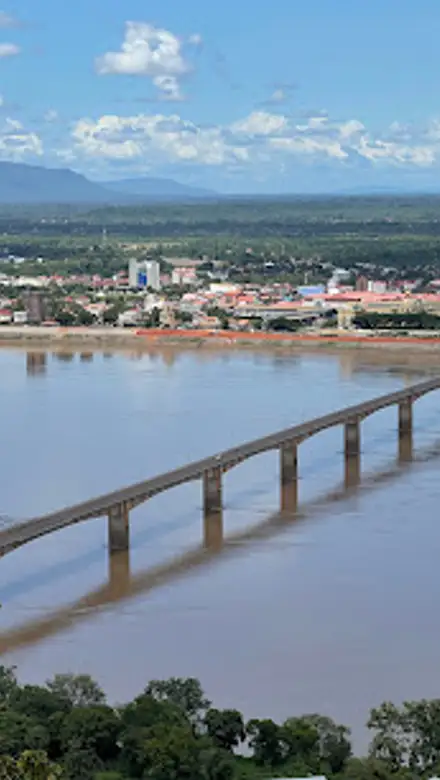
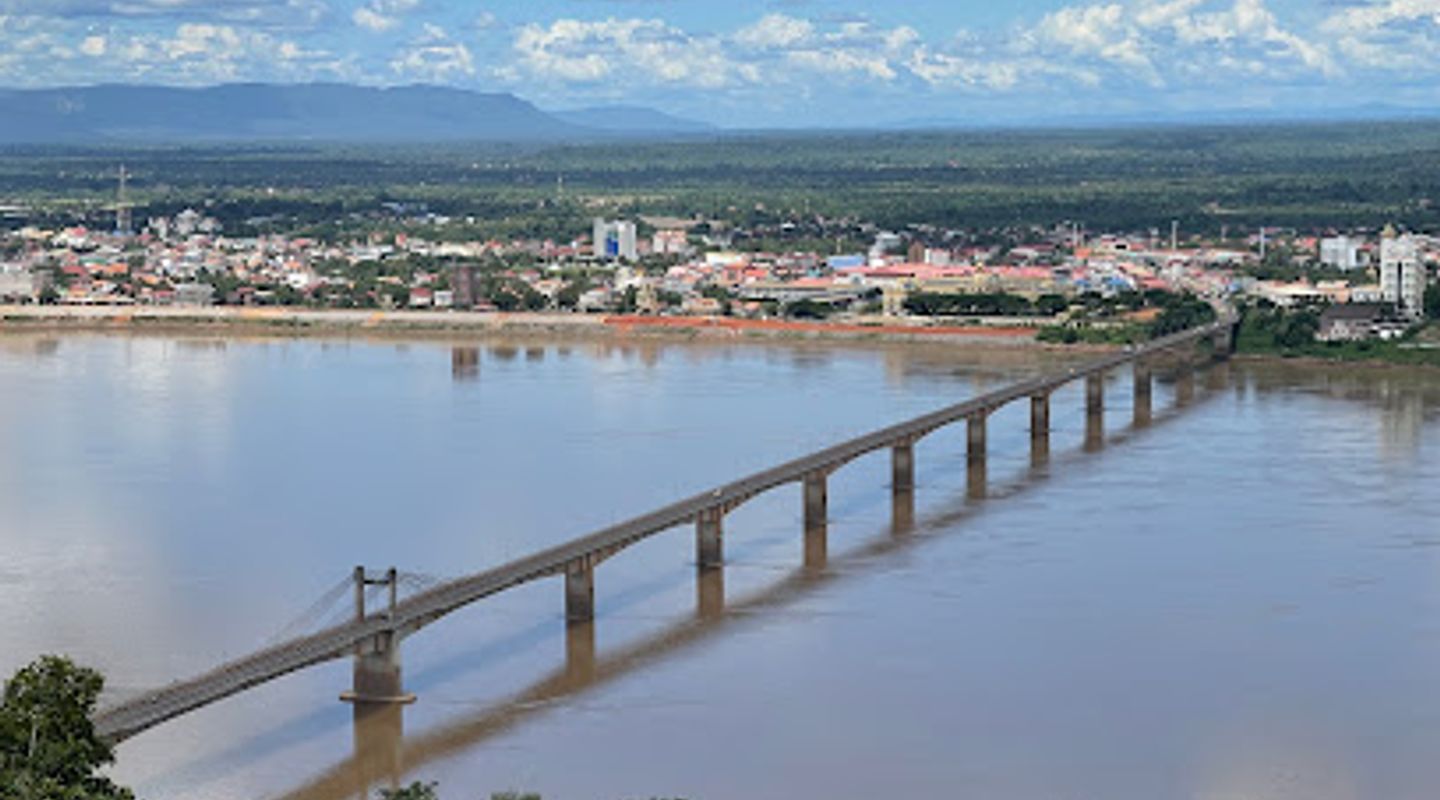
An iconic bridge in Pakse offering stunning Mekong River views, symbolizing Lao-Japanese cooperation and regional progress.
The Lao-Nippon Bridge, also known as the Pakse Bridge, is a vital transportation link and landmark in Pakse, Laos. Spanning the Mekong River, it offers panoramic views and represents the cooperation between Laos and Japan.
A brief summary to Lao-Nippon Bridge
- 4R37+RC7, 16W, Pakse, LA

Know before you go
Hi, I'm Eve. Here are a few practical things to know before exploring Lao-Nippon Bridge.
- Visit the bridge during sunrise or sunset for the most breathtaking views and photo opportunities.
- Take a leisurely walk across the bridge to soak in the atmosphere and observe the local river traffic.
- Explore the area surrounding the bridge to experience local culture and sample traditional Lao cuisine.
Do you manage this location?
Take control to get all the benefits, like improved information, better appearance, and stronger visibility across AI-powered discovery. Learn more about listing your business on Evendo
Activate your presenceOther nearby places you may find interesting
The closest places of the same kind, if this one is not quite what you had in mind.

Explore Lao-Nippon Bridge on the Map
A handpicked selection of must-see spots near Lao-Nippon Bridge, mapped for you.
Getting There
-
Walking
From the center of Pakse, the Lao-Nippon Bridge is accessible by foot. Head east towards the Mekong River. The bridge is a prominent landmark and easy to locate. The walk is approximately 1-2km from the city center.
-
Tuk-tuk
Tuk-tuks are readily available throughout Pakse. Negotiate a fare with the driver to reach the Lao-Nippon Bridge. A short trip from the city center should cost between 10,000 to 30,000 Kip, but be sure to agree on the price beforehand.
Discover more about Lao-Nippon Bridge













Your all‑in‑one travel companion app
Explore expert travel guides, compare and book tours, experiences, hotels, and more—all from the palm of your hand. Download now for seamless trip planning wherever your wanderlust takes you.


Explore More of Champasak
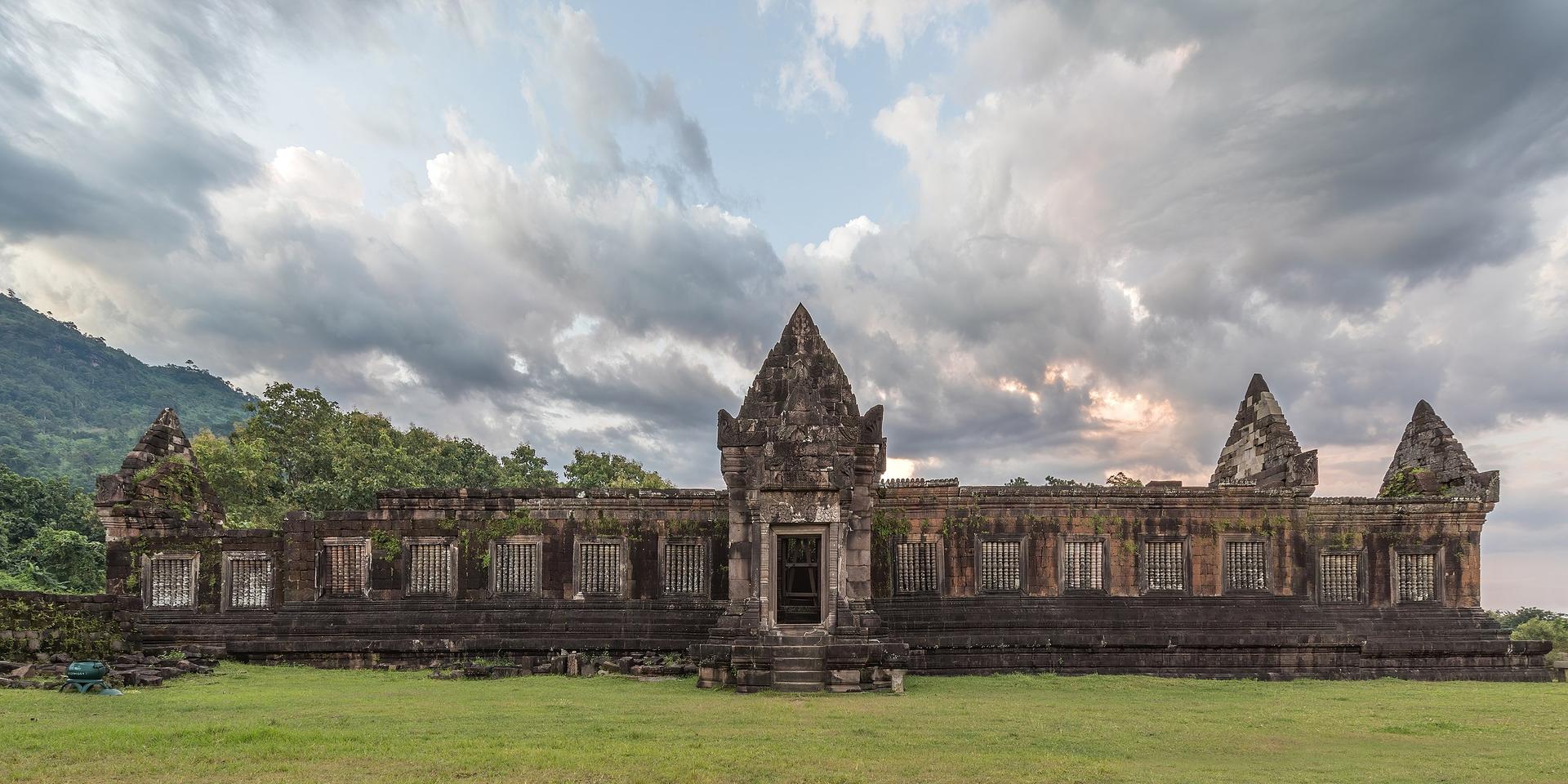
Looking beyond Lao-Nippon Bridge? Discover Champasak for broader travel guides, local hot-spots, and regional highlights.
Explore Champasak
Your trusted partner for car and motorbike rentals in Pakse, Laos. Explore the Bolaven Plateau and beyond with freedom and ease.

Experience comfort and convenience at Champasak Grand Hotel, your gateway to exploring southern Laos from the heart of Pakse.