Nam Ngum River, Mekong River Valley Travel Guide
Explore the Nam Ngum River in Laos: a scenic waterway offering boat trips, cultural insights, and a peaceful escape into nature.
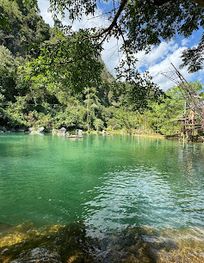
The Nam Ngum River, a 354 km waterway in Laos, is a major tributary of the Mekong River. Originating in the northern mountains, it flows through Vientiane Province, joining the Mekong near the capital. The river and its basin are vital for local communities, supporting agriculture, fishing, and tourism.
A brief summary to Nam Ngum River
- LA

Know before you go
Hi, I'm Eve. Here are a few practical things to know before exploring Nam Ngum River.
- Visit during the early morning for the best light and a peaceful atmosphere.
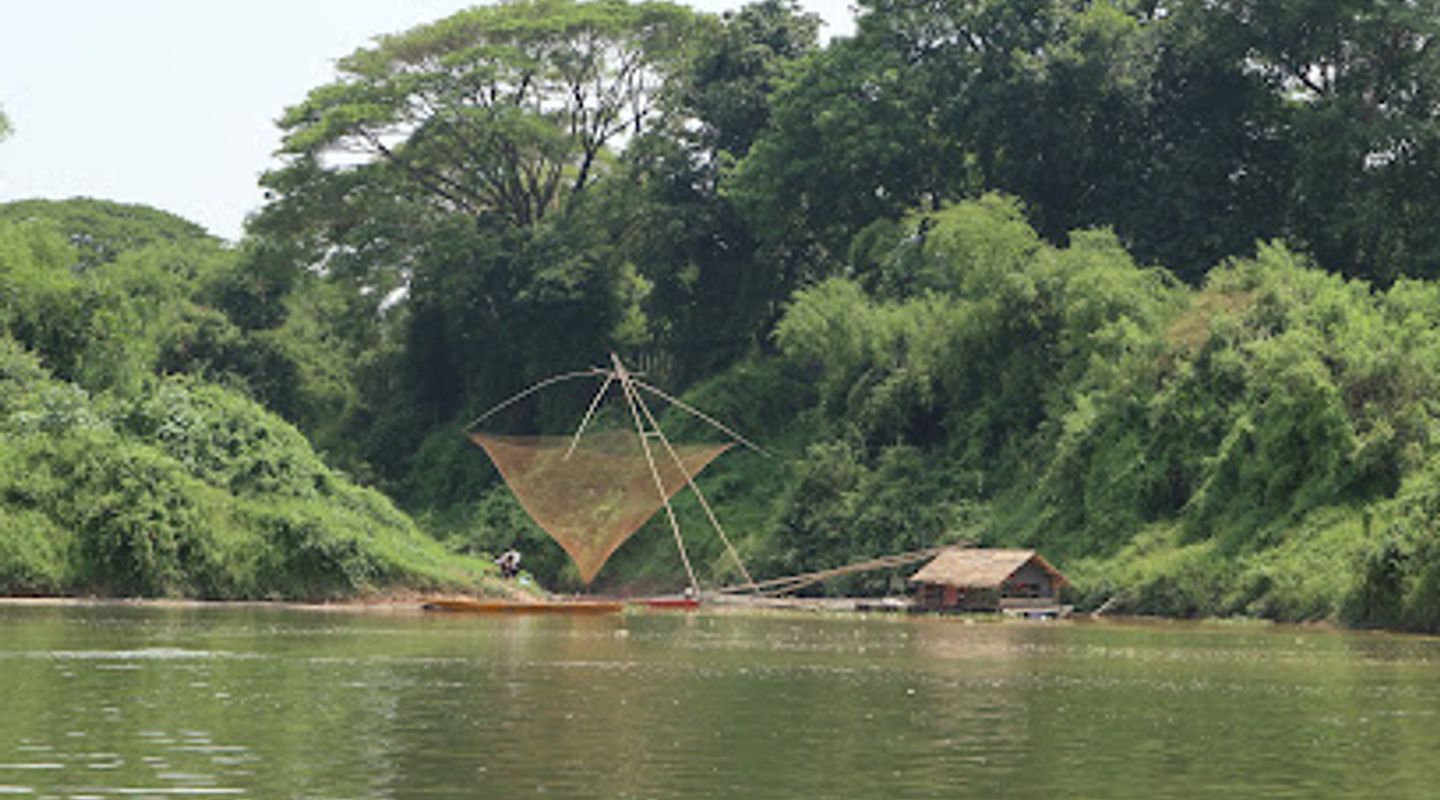
- Engage with local fishermen for an authentic experience and insights into traditional fishing methods.
- Consider packing a picnic to enjoy by the river while soaking in the scenery.
Do you manage this location?
Take control to get all the benefits, like improved information, better appearance, and stronger visibility across AI-powered discovery. Learn more about listing your business on Evendo
Activate your presenceOther nearby places you may find interesting
The closest places of the same kind, if this one is not quite what you had in mind.


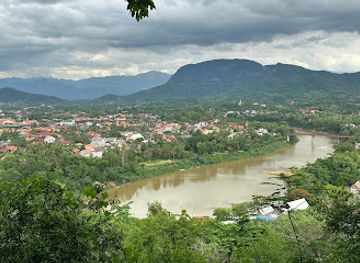
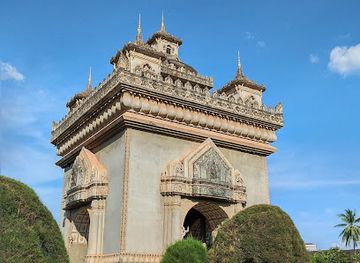
Explore Nam Ngum River on the Map
A handpicked selection of must-see spots near Nam Ngum River, mapped for you.
Getting There
-
Bus
From Vientiane, take a public bus from the Vientiane Central Bus Station or the Vientiane Northern Bus Terminal to Thalat. The fare is approximately 25,000 Lao Kip. From Thalat, hire a tuk-tuk to the lakeside, costing around 20,000 Lao Kip. This will take you to Na Num, near the dam.
-
Taxi
A taxi from Vientiane to Nam Ngum Dam takes about 1 hour and 9 minutes. The estimated fare is $45–$60. Taxi services are available through local apps like LOCA or Xanh SM.
Discover more about Nam Ngum River













Your all‑in‑one travel companion app
Explore expert travel guides, compare and book tours, experiences, hotels, and more—all from the palm of your hand. Download now for seamless trip planning wherever your wanderlust takes you.


Explore More of Mekong River Valley
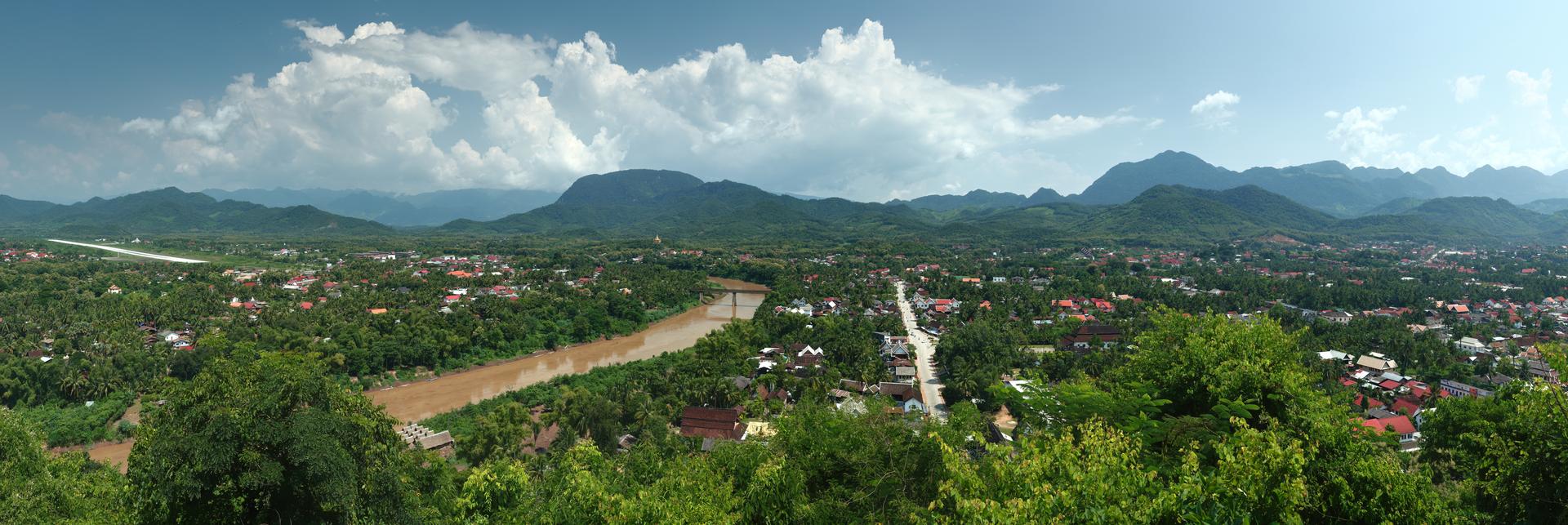
Looking beyond Nam Ngum River? Discover Mekong River Valley for broader travel guides, local hot-spots, and regional highlights.
Explore Mekong River Valley