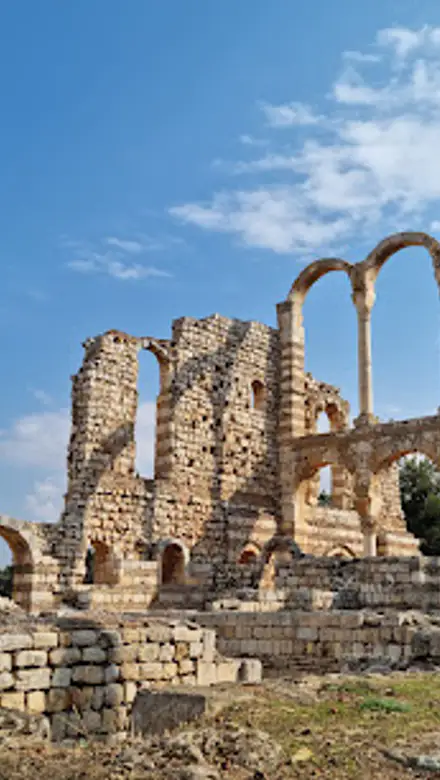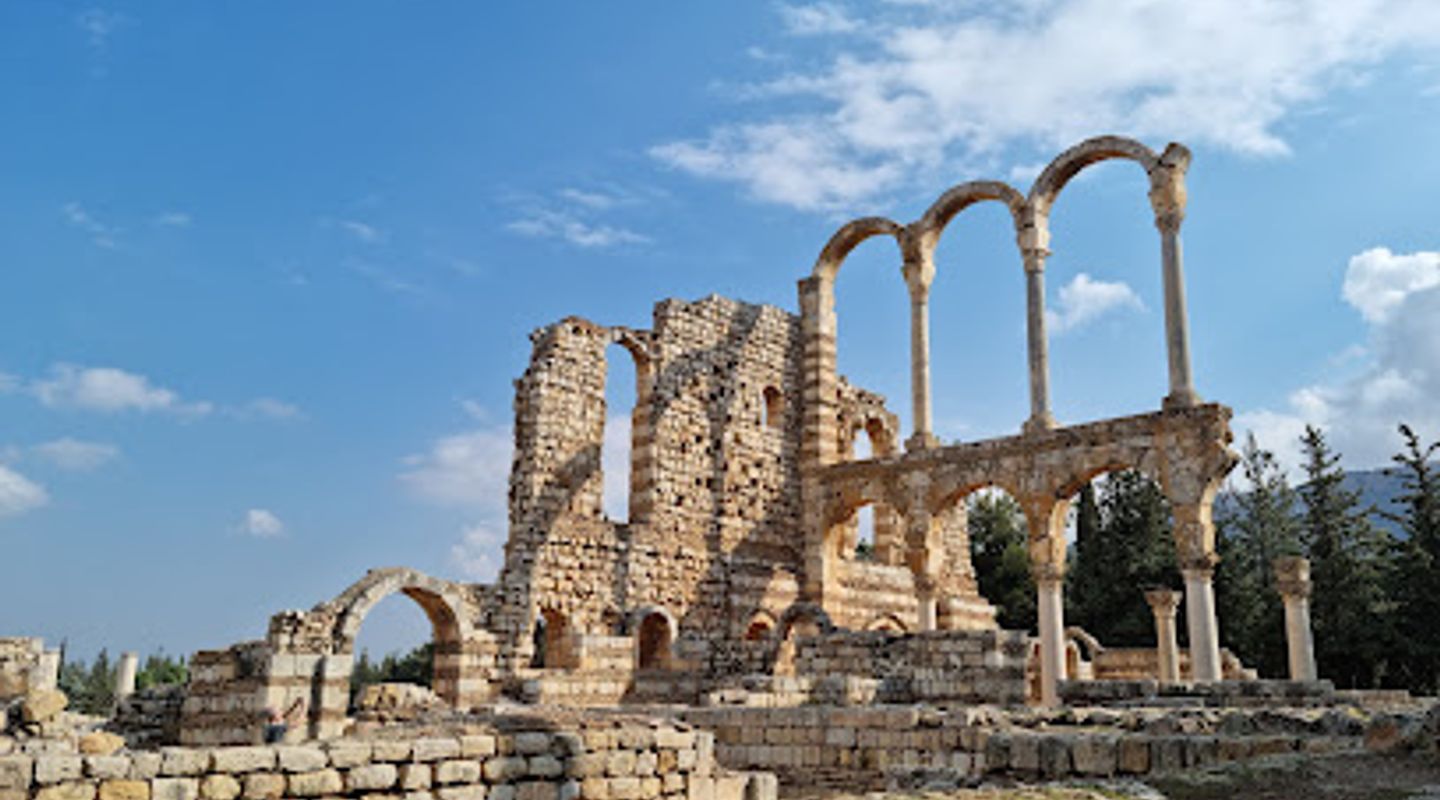
Anjar Citadel, Anjar Travel Guide
Discover Anjar Citadel: Explore the unique ruins of an 8th-century Umayyad city in Lebanon's Bekaa Valley, a UNESCO World Heritage Site.
Explore the remarkably well-preserved ruins of Anjar Citadel, a UNESCO World Heritage Site in Lebanon's Bekaa Valley. Founded in the 8th century by Caliph Walid I, this unique Umayyad city offers a glimpse into early Islamic urban planning and architecture, showcasing a blend of Roman, Byzantine, and Islamic influences.
A brief summary to Anjar Citadel
- PWMM+3C4, Aanjar, LB
- Monday 8 am-6 pm
- Tuesday 8 am-6 pm
- Wednesday 8 am-6 pm
- Thursday 8 am-6 pm
- Friday 8 am-6 pm
- Saturday 8 am-6 pm
- Sunday 8 am-6 pm

Know before you go
Hi, I'm Eve. Here are a few practical things to know before exploring Anjar Citadel.
- Visit early in the morning to avoid crowds and enjoy cooler temperatures, especially during the summer months.
- Wear comfortable shoes, as the terrain within the citadel can be uneven and requires some walking.
- Consider taking a guided tour to gain deeper insights into the history and significance of the site.
- Bring water and snacks, as amenities on-site are limited.
Do you manage this location?
Take control to get all the benefits, like improved information, better appearance, and stronger visibility across AI-powered discovery. Learn more about listing your business on Evendo
Activate your presenceOther nearby places you may find interesting
The closest places of the same kind, if this one is not quite what you had in mind.
Explore Anjar Citadel on the Map
A handpicked selection of must-see spots near Anjar Citadel, mapped for you.
Unlock the Best of Anjar Citadel
Buy tickets
-
No tickets available
Book tours with entry


Getting There
-
Driving
From Beirut, take the Beirut-Damascus International Road (Route 1) eastward towards the Bekaa Valley. Follow signs for Chtaura and continue east until you reach Anjar. The journey is approximately 1.5 hours, depending on traffic. Parking is available near the site. Be aware that traffic conditions in Lebanon can be challenging.
-
Public Transport
You can take a bus or shared taxi (service) from Beirut to Chtaura or Zahle. From there, arrange for local transportation to Anjar. Taxis are readily available in Chtaura and Zahle. The cost of a taxi from Chtaura to Anjar is approximately LBP 20,000 - 30,000, depending on the driver and your negotiation skills.
Discover more about Anjar Citadel













Your all‑in‑one travel companion app
Explore expert travel guides, compare and book tours, experiences, hotels, and more—all from the palm of your hand. Download now for seamless trip planning wherever your wanderlust takes you.


Explore More of Anjar
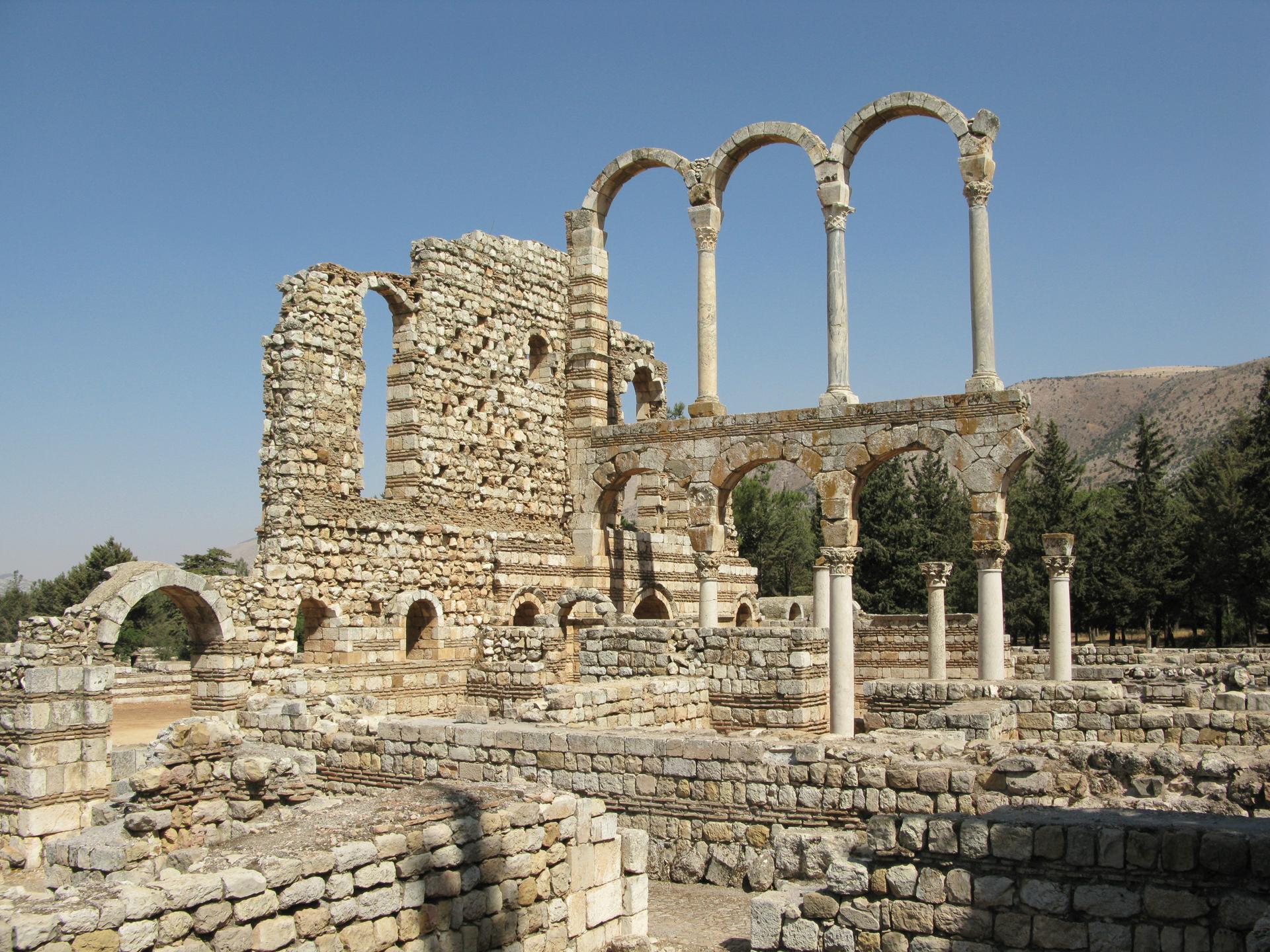
Looking beyond Anjar Citadel? Discover Anjar for broader travel guides, local hot-spots, and regional highlights.
Explore Anjar
Indulge in Zahlé's finest ice cream at Kayssar Ata, where traditional flavors meet local charm. Open daily!
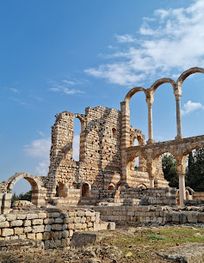
Explore the Umayyad City Ruins in Aanjar, Lebanon: A UNESCO World Heritage Site showcasing Islamic architecture and ancient history in the Beqaa Valley.