

Free Batroun Travel Guide & Mobile App
Plan your Batroun trip with Evendo. Get free guides to top attractions, restaurants, hotels, and bars. Web access or download the mobile app.


Batroun, Lebanon blends Phoenician history, a stone sea wall, old souks, beaches, seafood and lively coastal culture in a Mediterranean escape.
Ancient Harbour and Sea Walls
Batroun occupies a small, sunlit stretch of Lebanon’s Mediterranean coast north of Beirut, where an old fishing harbour, pale-stone lanes and a celebrated Phoenician sea wall give the town its distinctive character. Known in antiquity as Botrys, it is among the country’s oldest coastal settlements, yet its atmosphere is relatively relaxed: fishermen still work near the port, cafés occupy restored stone buildings and the waterfront comes alive during the warmer months. The town’s historic core is compact enough to explore on foot, linking the old souks with churches, remnants of ancient fortifications and the pebble-edged shore.Read more about Batroun
Stone Streets and Coastal Life
When is the best time to visit Batroun?
Best: May–June, November · 25–30°C| Month | High (°C) | Rainfall (mm) |
|---|---|---|
| January | 20 | 183 |
| February | 20 | 162 |
| March | 21 | 141 |
| April | 23 | 120 |
| May (best) | 27 | 99 |
| June (best) | 30 | 77 |
| July | 34 | 67 |
| August | 34 | 72 |
| September | 32 | 83 |
| October | 30 | 98 |
| November (best) | 25 | 118 |
| December | 21 | 139 |
Getting to and around Batroun
How to get there
Transportation
Best attractions in Batroun
Batroun’s main attractions are concentrated around its compact historic centre and seafront. The Phoenician sea wall runs beside the Mediterranean, offering a vivid connection with the town’s ancient maritime past, while the old harbour remains a working coastal space rather than a purely preserved monument. Walk through the narrow lanes of the old souks to discover stone houses, small shops and cafés, then visit Saint Stephen’s Cathedral and the nearby Church of Our Lady of the Sea. The shoreline north and south of the centre brings rocky coves, swimming spots and seasonal beach venues, with broad views across the water. Batroun is also known for its lemonade tradition and for its proximity to Lebanon’s northern wine country, making tastings and countryside excursions natural additions to city sightseeing. The town’s attractions are less about a single monumental complex than about the close relationship between ancient remains, religious heritage, fishing culture and contemporary seaside life.
-
Tourist attraction
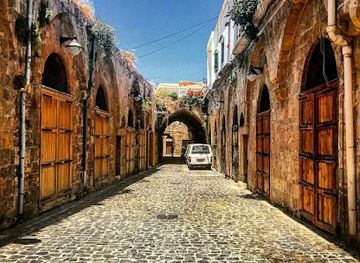
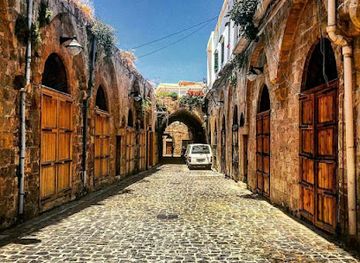
Batroun Old Souk
Discover the charm of Batroun Old Souk, a historical marketplace rich in culture, culinary delights, and vibrant local life along Lebanon's stunning coastline.
12 min walk · 1.0 km from city centre
-
Bar
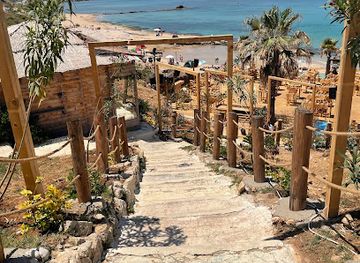
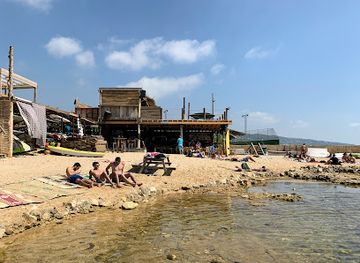
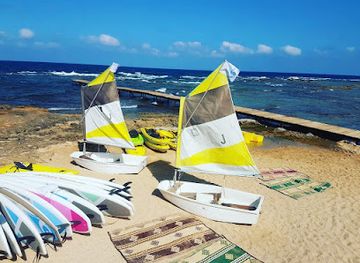
Blubay Beach Batroun
Discover the vibrant Blubay Beach Batroun, where stunning views, refreshing drinks, and lively atmosphere await every visitor along Lebanon's beautiful coast.
5 min walk · 0.4 km from city centre
-
SCUBA tour agency
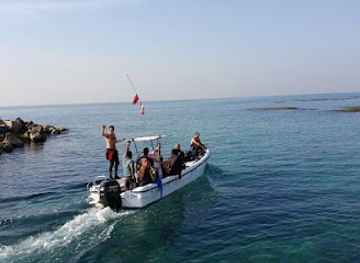
Dive The Med Club
Discover the vibrant underwater world of Batroun at Dive The Med Club, Lebanon's premier scuba diving destination with expert instructors and stunning dive sites.
5 min walk · 0.4 km from city centre
-
Tourist attraction
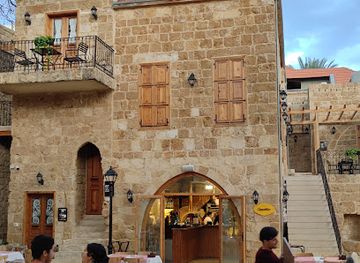
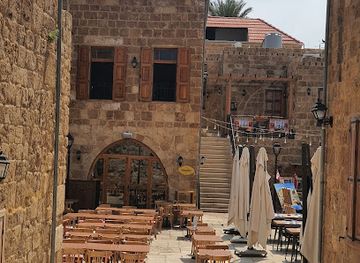
Lebanese Diaspora Village
Explore the Lebanese Diaspora Village in Batroun, where heritage and contemporary culture meet in a picturesque coastal setting.
11 min walk · 0.9 km from city centre
Best landmarks in Batroun
Batroun’s most important landmarks reflect its long history as a fortified Mediterranean settlement and Christian coastal town. The Phoenician sea wall, traditionally linked with the ancient city, is the defining structure along the waterfront and demonstrates how defence and maritime geography shaped Batroun. Saint Stephen’s Cathedral, with its prominent position in the old town, is a major religious and architectural reference point, while Our Lady of the Sea stands near the harbour and is closely connected with the town’s Christian identity. The old souks preserve a network of limestone lanes and traditional buildings rather than a single monumental square. Scattered ancient stones, harbour structures and surviving fragments of fortification reveal how later Batroun was built over earlier settlements, making the historic centre a layered record of Phoenician, Roman, Byzantine, medieval and Ottoman development.
-
Historical landmark
Batroun Old Souk
Explore the historic Batroun Old Souk: a vibrant marketplace with boutique shops, artisan crafts, and traditional Lebanese culture.
12 min walk · 1.0 km from city centre
-
Juice
Hilmi's House of Lemonade
Experience the refreshing taste of tradition at Hilmi's House of Lemonade, a Batroun landmark since 1888. A must-try for every visitor!
11 min walk · 0.8 km from city centre
-
Brewpub
Colonel Brewery And Distillery
Experience the essence of Lebanese brewing culture at Colonel Brewery and Distillery in Batroun, where craft beers and local cuisine come together.
7 min walk · 0.6 km from city centre
-
Indoor lodging
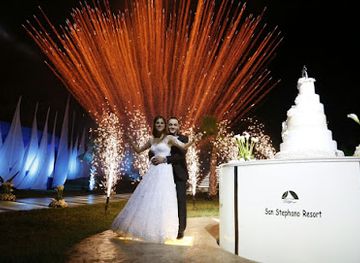
San Stephano Resort
Escape to San Stephano Resort in Batroun: A luxurious coastal haven with stunning views, private beach, diverse dining, and endless recreation.
5 min walk · 0.4 km from city centre
Explore Batroun on the map
Plan your Batroun trip on one map. See where the top attractions, landmarks, restaurants, bars and hotels are, find what's near where you're staying, and book hotels and experiences in a few clicks.
Best hotels in Batroun
Best restaurants in Batroun
Batroun’s dining scene combines the familiar foundations of Lebanese cooking with a strong coastal identity. Restaurants and casual eateries around the old town and harbour serve mezze, grilled fish, prawns, calamari, tabbouleh, kibbeh and freshly baked breads, while cafés offer coffee, pastries and the town’s characteristic lemon-based drinks. Seasonal produce from the surrounding countryside appears alongside olive oil, herbs, citrus and locally made pickles. Visitors may also encounter contemporary interpretations of Lebanese food, international dishes and menus shaped by the town’s growing wine culture. Long lunches often unfold at an unhurried pace, especially near the waterfront, while small bakeries and street-side counters provide simpler options. Batroun’s traditional lemonade is closely associated with its local identity and is worth trying alongside a meal, while regional wines and arak can provide an introduction to Lebanon’s wider agricultural and culinary traditions.
-
Restaurant
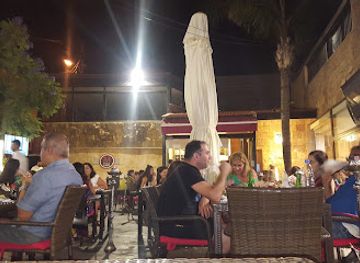
Merchak Cafe
Discover the vibrant flavors of Lebanon at Merchak Cafe in Batroun – a culinary gem offering authentic dishes and breathtaking views.
10 min walk · 0.8 km from city centre
-
Diner
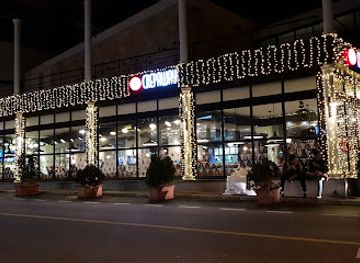
Crepaway Batroun
Experience delectable fast food delights at Crepaway Batroun while enjoying stunning Mediterranean views.
5 min walk · 0.4 km from city centre
-
Restaurant
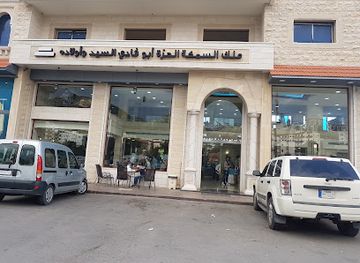
Abu Fadi's Fish Place
Experience the freshest seafood at Abu Fadi's Fish Place in Batroun - where every dish tells a story of Lebanon's rich coastal heritage.
8 min walk · 0.6 km from city centre
-
Restaurant
Bolero
Discover Bolero in Batroun - where traditional Lebanese cuisine meets contemporary flair in an unforgettable dining experience.
8 min walk · 0.6 km from city centre

Best bars in Batroun
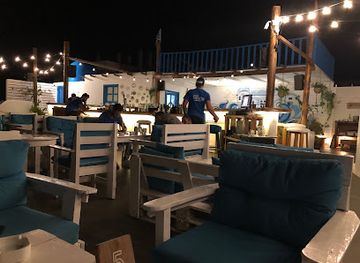
Batroun’s evening scene is concentrated around the old souks, harbour and coastal road, with cafés, pubs, wine bars and restaurants occupying restored stone spaces and waterfront terraces. Summer brings more activity to beach venues and seaside establishments, while the historic centre remains suitable for quieter evenings of conversation, Lebanese wine or arak. The town is not a major clubbing capital, but seasonal music events, live performances and late-night socialising give it an animated character during the warmer months. Entertainment can be more subdued outside the summer period, and opening patterns vary considerably. Local evening culture is generally social and communal rather than centred solely on large nightclubs, with visitors moving between the old town and the shore as the night progresses.
-
Brewpub
Colonel Brewery And Distillery
Explore the delightful blend of craft beer and local cuisine at Colonel Brewery And Distillery in Batroun, Lebanon.
7 min walk · 0.6 km from city centre
-
Bar
Blubay Beach Batroun
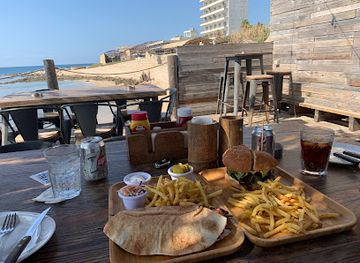
Experience the vibrant atmosphere and stunning sea views at Blubay Beach Batroun, the perfect beach bar for relaxation and socializing.
5 min walk · 0.4 km from city centre
-
Lounge
Titans Batroun
Experience the best of Batroun at Titans - a vibrant waterfront lounge offering exquisite drinks and stunning views of the Mediterranean.
8 min walk · 0.7 km from city centre
-
Bed & breakfast
Colonel Reef Beach
Experience the perfect blend of relaxation and adventure at Colonel Reef Beach, Batroun's premier destination for sun, sand, and local brews.
8 min walk · 0.6 km from city centre

Best nightclubs in Batroun
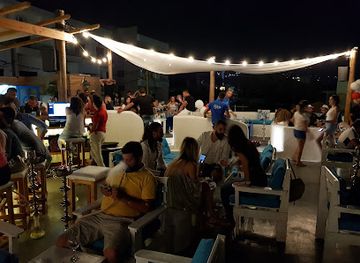
Batroun’s evening scene is concentrated around the old souks, harbour and coastal road, with cafés, pubs, wine bars and restaurants occupying restored stone spaces and waterfront terraces. Summer brings more activity to beach venues and seaside establishments, while the historic centre remains suitable for quieter evenings of conversation, Lebanese wine or arak. The town is not a major clubbing capital, but seasonal music events, live performances and late-night socialising give it an animated character during the warmer months. Entertainment can be more subdued outside the summer period, and opening patterns vary considerably. Local evening culture is generally social and communal rather than centred solely on large nightclubs, with visitors moving between the old town and the shore as the night progresses.
-
Lounge
Titans Batroun
Discover Titans Batroun: A chic lounge offering stunning rooftop views, exquisite cocktails, and a vibrant atmosphere for unforgettable nights.
8 min walk · 0.7 km from city centre
-
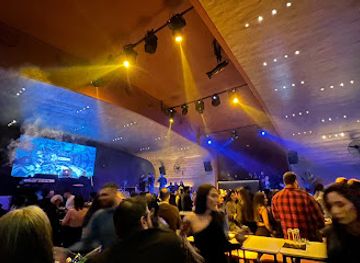
Night club
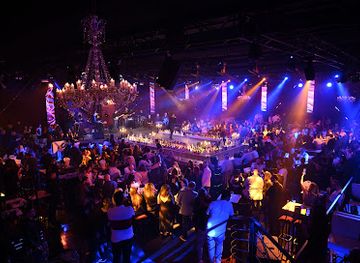
Léyl Music Venue
Discover the electrifying atmosphere of Léyl Music Venue, Lebanon's premier night club for live music and unforgettable nightlife experiences.
7 min walk · 0.6 km from city centre
-
Disco club
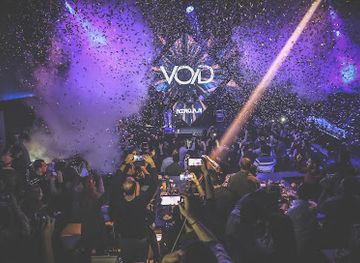
Void nightclub
Discover the electrifying nightlife at Void Nightclub in Batroun, where music, dancing, and vibrant atmosphere create an unforgettable experience.
7 min walk · 0.6 km from city centre
-
Disco club
X Lounge Batroun
Experience the vibrant nightlife at X Lounge Batroun, where lively music meets stunning sea views in a premier disco club setting.
6 min drive · 1.9 km from city centre
Best shops in Batroun
Shopping in Batroun is centred on the old souks, small independent shops and specialist producers rather than large commercial complexes. The historic lanes offer locally made crafts, ceramics, jewellery, decorative objects and gifts connected with Lebanon’s material culture, while food shops provide olive oil, preserves, spices, sweets and other products from the surrounding countryside. Bottles of Lebanese wine and arak may be available through specialist retailers, subject to current stock and transport considerations. Batroun’s citrus identity also appears in lemonade products and other lemon-based goods. The pleasure of shopping here lies in browsing stone-fronted premises and meeting small businesses rather than searching for uniform international brands. Visitors should distinguish handmade products from mass-produced souvenirs and ask about packaging requirements when buying liquids or food for an international journey.
-
Historical landmark
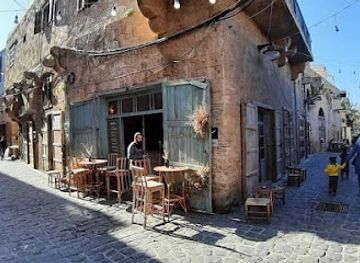
Batroun Old Souk
Explore the historic Batroun Old Souk, a vibrant marketplace brimming with local crafts, delicious cuisine, and rich cultural heritage.
12 min walk · 1.0 km from city centre
-
Supermarket
Khoury Shopping Center
Discover the vibrant Khoury Shopping Center in Batroun, Lebanon - your one-stop shop for local and international products.
6 min walk · 0.5 km from city centre
-
Supermarket
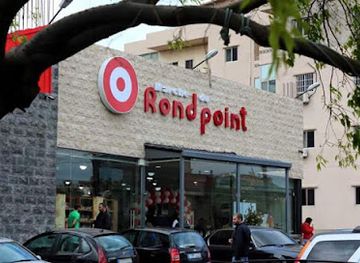
Marche Du Rond Point
Explore the vibrant flavors of Lebanon at Marche Du Rond Point, Batroun's premier supermarket for local produce and culinary delights.
3 min walk · 0.2 km from city centre
-
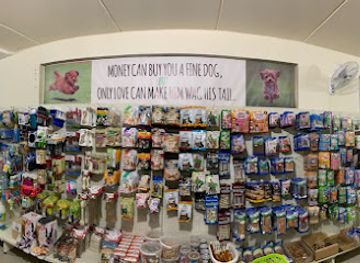
Pet store
Phoenix Pet Shop
Explore Phoenix Pet Shop for a delightful selection of pets and essential supplies in a welcoming atmosphere, perfect for animal lovers.
3 min walk · 0.3 km from city centre
Get your free copy of our complete guide to Batroun, delivered straight to you.
Everything on this page, from attractions and restaurants to essentials and local phrases, in one PDF you can read offline, print or share.
Already have an account? Sign in
Your Batroun guide is ready.
We'll send it to · Not you? Sign out

Getting your guide ready…
We are putting together a fresh copy of the Batroun guide. This can take up to a minute.
This can take a few moments. If your browser asks, choose Allow so the download can start. You'll find the guide in your Downloads folder.
Nothing happened? Download it again
Sorry, the guide is taking longer than usual. Please try again in a minute, or get it by email instead.
Batroun essentials
Currency and Payment
Safety
Emergency Situations
Do's and Don'ts
Local Tips
From Eve
Local phrases worth knowing
You don't need to get them perfect. A few words go a long way, and locals appreciate the effort.
Basics
| English | Local | Say it |
|---|---|---|
| Hello | Marhaba | [mar-ha-ba] |
| Goodbye | Ma'a as-salama | [ma-a as-sa-la-ma] |
| Yes | Na'am | [na-am] |
| No | La | [la] |
| Please/You're welcome | Min fadlik | [min fad-lik] |
| Thank you | Shukran | [shuk-ran] |
| Excuse me/Sorry | Aasef | [aa-sef] |
| How are you? | Kifak? | [ki-fak] |
| Fine. And you? | Mni7. W inta? | [mni-h. w in-ta] |
| Do you speak English? | Bte7ki englezi? | [bte-h-ki en-gle-zi] |
| I don't understand | Ana ma fahim | [a-na ma fa-him] |
Eating & Drinking
| English | Local | Say it |
|---|---|---|
| I'd like to see the menu, please | Baddi shuf il menu, min fadlik | [bad-di shuf il me-nu, min fad-lik] |
| I don't eat meat | Ma bakkol la7me | [ma bak-kol la-hme] |
| Cheers! | Sahtein! | [sa-h-tein] |
| I would like to pay, please | Baddi selle, min fadlik | [bad-di sel-le, min fad-lik] |
Emergencies
| English | Local | Say it |
|---|---|---|
| Help! | 3awni! | ['awni] |
| Go away! | Rou7! | [rouh] |
| Call the Police! | Ussil il harb! | [us-sil il har-b] |
| Call a doctor! | Ussil tabib! | [us-sil ta-bib] |
| I'm lost | Ana 7ateet | [a-na ha-teet] |
| I'm ill | Ana mareed | [a-na ma-reed] |
Shopping
| English | Local | Say it |
|---|---|---|
| I'd like to buy... | Baddi ashtar... | [bad-di ash-tar] |
| I'm just looking | Ana bas ba3rif | [a-na bas ba-arif] |
| How much is it? | Bi kam hadda? | [bi kam had-da] |
| That's too expensive | Hada ghali kteer | [ha-da gha-li ktee-r] |
| Can you lower the price? | Bi ta3i il siir? | [bi ta-i il seer] |
Time & Numbers
| English | Local | Say it |
|---|---|---|
| What time is it? | Shu sa3a? | [shu sa-a] |
| It's one o'clock | Sa3a wahda | [sa-a wah-da] |
| Half past (10) | Nisf bi 3aashra | [nisf bi aash-ra] |
| Morning | Saba7 | [sa-bah] |
| Afternoon | Duhur | [du-hur] |
| Evening | 3asha | [3a-sha] |
| Yesterday | Mbare7 | [m-ba-reh] |
| Today | Lyom | [lyom] |
| Tomorrow | Ghadan | [gha-dan] |
| 1 | Wahad | [wa-had] |
| 2 | Ithnayn | [ith-nayn] |
| 3 | Talata | [ta-la-ta] |
| 4 | Arba3a | [ar-ba-a] |
| 5 | Khamsa | [kham-sa] |
| 6 | Sitta | [sit-ta] |
| 7 | Saba3a | [sa-ba-a] |
| 8 | Thamania | [tha-ma-ne-a] |
| 9 | Tis3a | [tis-a] |
| 10 | 3ashra | [aash-ra] |
Transport & Directions
| English | Local | Say it |
|---|---|---|
| Where's a/the...? | Wayn il... | [wayn il] |
| What's the address? | Shu huwe il 3enwan? | [shu hu-we il 3en-wan] |
| Can you show me (on the map)? | Bi turiini (3al khareeta)? | [bi tu-rii-ni (3al kha-ree-ta)] |
| When's the next (bus)? | Emta il sayara il tayyibe? | [em-ta il sa-ya-ra il tay-yi-be] |
| A ticket (to ....) | Talat (ila ...) | [ta-lat (i-la)] |
History of Batroun
Phoenician Foundations at Botrys
Batroun’s ancient name, Botrys, reflects its place within the Phoenician coastal world. The settlement developed around a sheltered harbour and occupied a useful position between the larger ports of Byblos and Tripoli. Phoenician communities along this coast traded across the eastern Mediterranean, and Batroun’s maritime setting supported fishing, seafaring and the movement of agricultural goods. The town’s surviving sea wall, traditionally associated with Phoenician construction, is the clearest visible reminder of this early coastal settlement, although the structure has been altered and repaired over centuries. Ancient writers and later archaeological discoveries place Batroun within the long urban history of the Levant rather than treating it as a modern resort town.
Hellenistic and Roman Batroun
After Alexander the Great’s conquests, Batroun became part of the Hellenistic political and cultural sphere, before passing into the Roman world. Roman administration connected the settlement to wider systems of roads, taxation, trade and urban organisation along the Lebanese coast. Religious life also changed during late antiquity as Christianity spread through the region. Archaeological remains and reused stones in the old town reflect these successive periods, although much of the ancient city is now integrated into later buildings rather than preserved as a single archaeological park. Batroun’s coastal position continued to matter, linking local production with neighbouring ports and the wider Mediterranean.
Byzantine Christian Transformation
Under Byzantine rule, Batroun formed part of a Christianised eastern Mediterranean in which churches, monasteries and episcopal communities shaped urban and rural life. The town became an important local Christian centre, and traditions connected with its ecclesiastical history remain visible in the concentration of churches around the historic core. Earthquakes, political change and the gradual reorganisation of coastal settlements affected the appearance of the ancient town, but religious institutions helped preserve Batroun’s identity through periods of uncertainty. Later churches were built, rebuilt or expanded on ground that had already been occupied for many centuries.
Medieval Rule and Coastal Fortification
During the medieval period, Batroun was drawn into the changing political landscape of the Levant, including periods of Crusader and later Muslim rule. Its coastal position made defence important, while the harbour supported local maritime activity and communication along the shore. Medieval fortifications and later construction altered the older urban fabric, leaving fragments rather than a complete enclosed town. The stone lanes and defensive remains visible today should therefore be understood as a palimpsest: Phoenician, Roman, Byzantine, medieval and Ottoman-era elements were repeatedly repaired, reused and absorbed into the settlement.
Ottoman Town and Maritime Economy
Under Ottoman rule, Batroun remained a small coastal town whose economy depended on agriculture, fishing, maritime trade and links with the surrounding villages. Citrus cultivation became especially important, and the town’s lemons later contributed to its enduring reputation for fresh lemonade. Domestic architecture, churches and the arrangement of souks developed within the social and commercial framework of the Ottoman period. Rather than expanding into a large port city, Batroun retained a relatively intimate scale, with the harbour and historic streets continuing to organise daily life.
Modern Batroun and Coastal Renewal
Batroun entered the modern era as part of Lebanon’s changing political and economic landscape, experiencing the effects of independence, civil conflict and later reconstruction. Its historic buildings and waterfront gradually became central to a new tourism and hospitality economy, while fishing, local commerce and agriculture remained part of the town’s identity. Restaurants, cafés, guesthouses and seasonal coastal venues now occupy spaces around the old core, but the town’s appeal still rests on its inherited urban fabric: the sea wall, harbour, churches, souks and narrow lanes that preserve a sense of continuity between ancient settlement and contemporary coastal life.
Travel experiences inspired by this city
-
 14 Day Trip
Kadisha Valley Family Adventure: 14 Days of Trails, Monasteries, and Cedar Forests
Family escape to Lebanon’s Kadisha Valley with hikes, ancient monasteries, the Cedars of God, local flavors, and restful mountain nights at Le Tournant.
14 Day Trip
Kadisha Valley Family Adventure: 14 Days of Trails, Monasteries, and Cedar Forests
Family escape to Lebanon’s Kadisha Valley with hikes, ancient monasteries, the Cedars of God, local flavors, and restful mountain nights at Le Tournant.
 20 Jul 2026
By Fatima El Khoury -
 13 Day Trip
Solo Journey Through Lebanon's Bsharri District
Explore the rich culture and stunning landscapes of Lebanon's Bsharri District on a solo adventure, embracing history, nature, and authentic local experiences.
13 Day Trip
Solo Journey Through Lebanon's Bsharri District
Explore the rich culture and stunning landscapes of Lebanon's Bsharri District on a solo adventure, embracing history, nature, and authentic local experiences.
 10 Sep 2025
By Fatima Darwish
Swipe for more travel diaries
Batroun in Photos
Browse through our photo collection highlighting the charm and character of the destination.
Cities near Batroun
The closest cities to Batroun, if you have time for more than one stop.
-

-

-
-

-


Swipe for more cities

