

Free Broummana Travel Guide & Mobile App
Plan your Broummana trip with Evendo. Get free guides to top attractions, restaurants, hotels, and bars. Web access or download the mobile app.


Broummana, Lebanon offers pine-clad mountain air, historic churches, village cafés, cultural heritage and sweeping views above Beirut for a restorative escape.
A Mountain Retreat Above the Capital
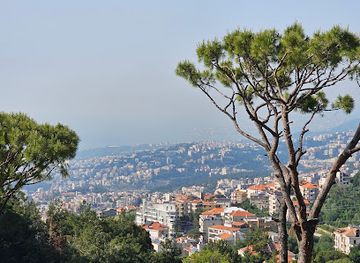
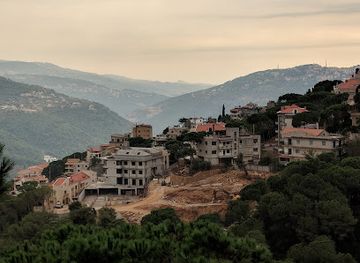
Broummana, also commonly written Brummana, stands in the Metn district of Mount Lebanon, around 15 kilometres east of Beirut. Set on a wooded mountain ridge, the town has long been valued for its cooler air, pine-covered slopes and broad views towards the capital and the Mediterranean. Its streets combine low-rise villas, hotels, cafés and restaurants with older stone houses, churches and shaded lanes, creating a distinctly Lebanese mountain-resort atmosphere.Read more about Broummana
Village Life and Cultural Heritage
Pines, Views and Nearby Valleys
When is the best time to visit Broummana?
Best: May–June, October · 27–34°C| Month | High (°C) | Rainfall (mm) |
|---|---|---|
| January | 12 | 140 |
| February | 12 | 123 |
| March | 15 | 101 |
| April | 20 | 66 |
| May (best) | 27 | 41 |
| June (best) | 34 | 16 |
| July | 37 | 0 |
| August | 37 | 2 |
| September | 35 | 13 |
| October (best) | 29 | 54 |
| November | 22 | 95 |
| December | 16 | 127 |
Getting to and around Broummana
How to get there
Transportation
Best attractions in Broummana
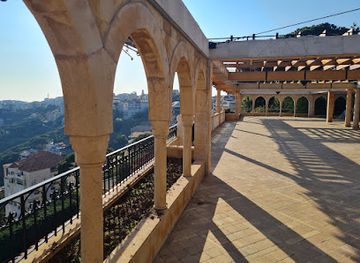
Broummana’s attractions are closely tied to its mountain setting and relaxed village scale. The central square and adjoining streets provide a natural starting point for observing local life, with cafés, restaurants and older buildings gathered along the ridge. Brummana High School, founded in 1878, is an important educational institution and an architectural presence in the town, although visitors should respect its status as a working campus. Pine-covered lanes and elevated viewpoints offer rewarding walks, particularly in the cooler months, while the town’s churches reveal the religious traditions of the surrounding communities. The area is also well placed for drives through the Metn highlands, where nearby villages, winding roads and terraced slopes provide a broader sense of Mount Lebanon’s landscape. Broummana is less a catalogue of enclosed attractions than a place to experience mountain air, local hospitality, seasonal terraces and the changing views towards Beirut.
-
Tourist attraction
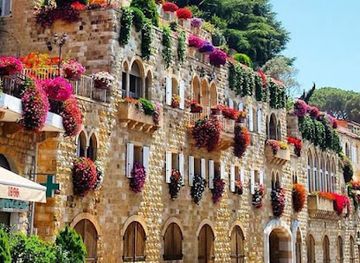
Broumana
Broumana: A picturesque mountain village in Lebanon with stunning views, cultural richness, and outdoor adventures waiting for you.
11 min walk · 0.9 km from city centre
-
Nature preserve
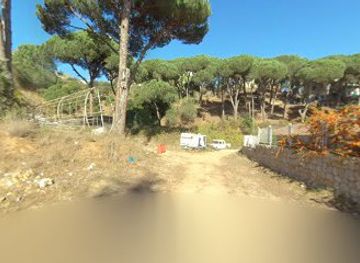
Pine Woods
Explore the serene beauty of Pine Woods in Broummana, a nature preserve offering tranquil trails and stunning views for all nature lovers.
4 min walk · 0.3 km from city centre
-
Hiking area
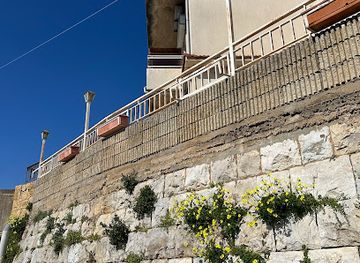
Broummana Trail Start
Discover the breathtaking beauty of Broummana Trail Start, a premier hiking destination in Lebanon offering stunning views and serene nature escapes.
4 min walk · 0.3 km from city centre
-
Hiking area
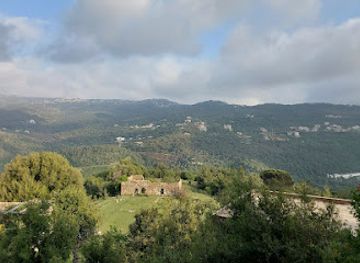
Brummana
Discover the breathtaking hiking trails of Brummana, Lebanon, where nature's beauty and adventure await every explorer.
13 min walk · 1.0 km from city centre
Best landmarks in Broummana
Brummana High School is Broummana’s most distinctive institutional landmark, founded in 1878 and associated with the town’s Quaker educational heritage and international outlook. The Church of Saint George represents the area’s Greek Orthodox presence, while Saint Joseph Maronite Church reflects another important strand of Mount Lebanon’s Christian history. Broummana’s central square and older stone buildings are less monumental but significant as a civic focus, where commercial streets, cafés and local movement converge on the ridge. Across the town, churches, villas and retaining walls show how settlement adapted to sloping mountain terrain and locally available stone. These landmarks are best understood together: religious buildings express the communities that shaped the district, the school reflects its educational connections, and the central streets record Broummana’s transformation from a mountain village into a recognised summer resort.
-
Lebanese
Mounir
Discover the authentic flavors of Lebanese cuisine at Mounir in Broumana, where tradition meets stunning views in a vibrant dining experience.
7 min drive · 2.2 km from city centre
-
Lebanese
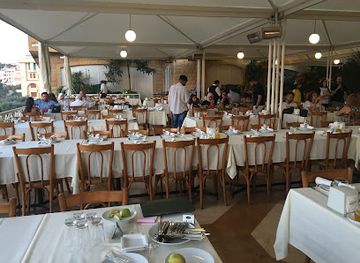
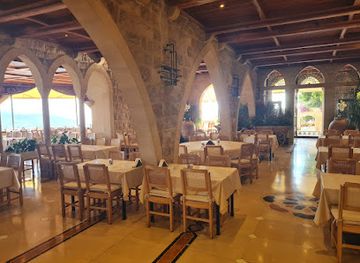
Kasr Fakhreddine - Restaurant
Discover the authentic taste of Lebanese cuisine at Kasr Fakhreddine, a culinary gem in Broummana with stunning views and warm hospitality.
11 min walk · 0.9 km from city centre
-
Restaurant
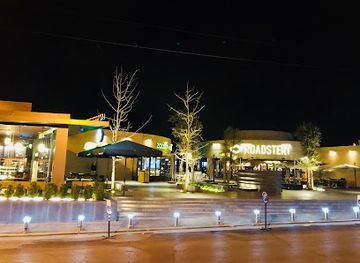
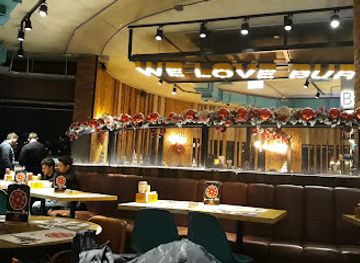
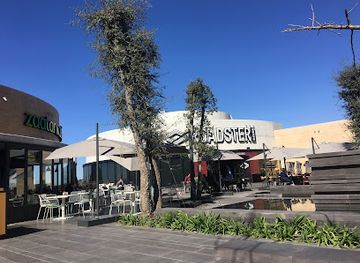
Roadster Diner’s
Experience diverse flavors and exceptional service at Roadster Diner in Broummana, where every meal is a celebration of taste and hospitality.
10 min walk · 0.8 km from city centre
-
Restaurant
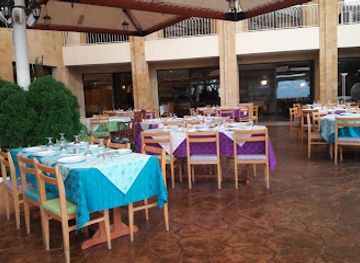
Burj Al Hamam - برج الحمام
Experience the essence of Lebanese cuisine at Burj Al Hamam in Broummana, where stunning mountain views meet exquisite flavors.
5 min drive · 1.6 km from city centre
Explore Broummana on the map
Plan your Broummana trip on one map. See where the top attractions, landmarks, restaurants, bars and hotels are, find what's near where you're staying, and book hotels and experiences in a few clicks.
Best hotels in Broummana
Best restaurants in Broummana
Broummana’s dining scene reflects the broad traditions of Lebanese home cooking and the town’s long history as a summer resort. Mezze, grilled meats, kibbeh, tabbouleh, fattoush, manakish and seasonal vegetable dishes appear alongside pastries, fruit juices and Lebanese coffee. Restaurants and cafés around the centre often make use of terraces and mountain views, while family-run establishments provide a more informal setting for shared meals. The wider Metn region is known for produce associated with Mount Lebanon, including olives, herbs, fruit and dairy products, although menus vary by season and establishment. Visitors can expect both traditional Lebanese cooking and contemporary interpretations, with some venues serving international dishes for the town’s diverse summer clientele. Clarifying prices and payment currency before ordering is sensible, particularly during periods of economic fluctuation.
-
Lebanese
Mounir
Discover authentic Lebanese cuisine at Mounir in Broumana—where every dish tells a story of tradition and flavor.
7 min drive · 2.2 km from city centre
-
Lebanese
Kasr Fakhreddine - Restaurant
Experience authentic Lebanese cuisine at Kasr Fakhreddine in Broummana – where tradition meets flavor in a stunning setting.
11 min walk · 0.9 km from city centre
-
Restaurant
Roadster Diner’s
Experience the vibrant flavors of Lebanon at Roadster Diner in Broummana – where culinary tradition meets modern comfort.
10 min walk · 0.8 km from city centre
-
Restaurant
Burj Al Hamam - برج الحمام
Experience authentic Lebanese cuisine amidst breathtaking views at Burj Al Hamam in Broummana.
5 min drive · 1.6 km from city centre
Best bars in Broummana
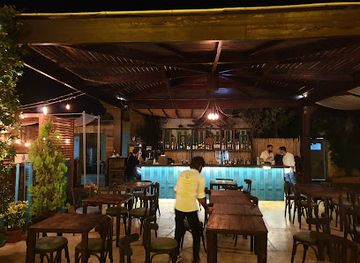
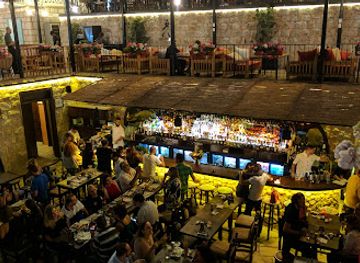
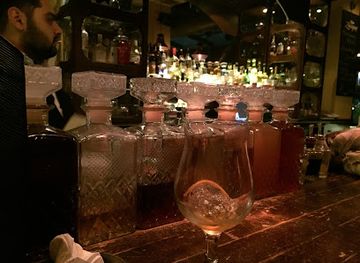
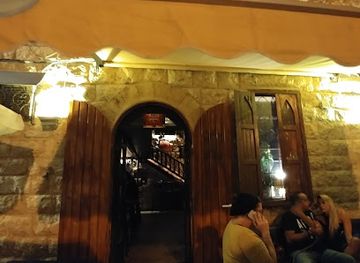
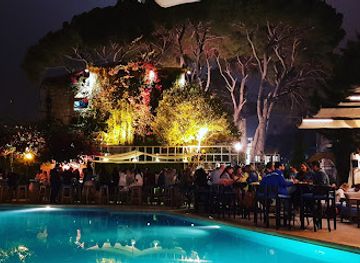
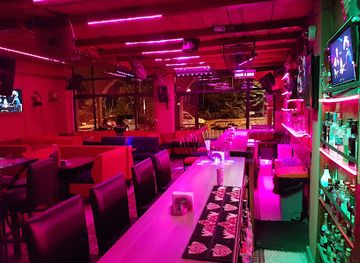
Evenings in Broummana are generally sociable rather than dominated by large clubs. In summer, the central streets and terraces become more active, with restaurants, cafés, pubs and lounges providing settings for conversation, Lebanese arak, wine, cocktails and coffee. Some venues offer music or a livelier late-night atmosphere, while quieter establishments focus on views and outdoor seating. Nightlife is seasonal and can be noticeably subdued outside the warmer months, so the choice of venues depends on the time of year and current local conditions. The town’s evening character is also shaped by families, visitors from Beirut and residents returning to mountain homes. After dark, care is advisable on steep roads and less-lit lanes, and transport should be arranged in advance when travelling between Broummana and neighbouring towns.
-
Lounge
Cinco Lounge
Experience the vibrant atmosphere of Cinco Lounge in Broummana, where exquisite drinks meet breathtaking views for an unforgettable night out.
7 min walk · 0.6 km from city centre
-
Bar
ESCO-BAR Broumana
Discover ESCO-BAR Broumana: A lively bar offering a unique mix of ambiance, crafted cocktails, and unforgettable nightlife experiences in the heart of Lebanon.
6 min walk · 0.5 km from city centre
-
Restaurant
Garcia's
Experience the best of Lebanese cuisine and cocktails at Garcia's, a must-visit restaurant in Broumana, Mount Lebanon, with stunning views and exquisite flavors.
9 min walk · 0.7 km from city centre
-
Bar
Mood's Pub
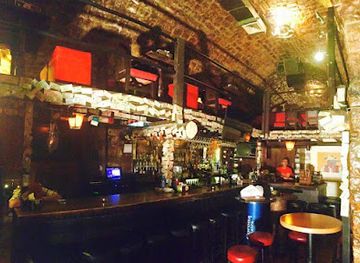
Discover the vibrant nightlife of Broummana at Mood's Pub, where great drinks and a welcoming atmosphere await every visitor.
11 min walk · 0.9 km from city centre
Best nightclubs in Broummana
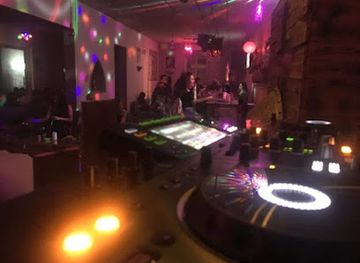
Evenings in Broummana are generally sociable rather than dominated by large clubs. In summer, the central streets and terraces become more active, with restaurants, cafés, pubs and lounges providing settings for conversation, Lebanese arak, wine, cocktails and coffee. Some venues offer music or a livelier late-night atmosphere, while quieter establishments focus on views and outdoor seating. Nightlife is seasonal and can be noticeably subdued outside the warmer months, so the choice of venues depends on the time of year and current local conditions. The town’s evening character is also shaped by families, visitors from Beirut and residents returning to mountain homes. After dark, care is advisable on steep roads and less-lit lanes, and transport should be arranged in advance when travelling between Broummana and neighbouring towns.
-
Lounge
Cinco Lounge
Discover the vibrant nightlife of Broummana at Cinco Lounge, where stylish ambiance and live music create an unforgettable experience.
7 min walk · 0.6 km from city centre
-
Karaoke bar
Drink and Sing Broumana
Discover the lively ambiance of Drink and Sing Broumana, where karaoke meets local charm for an unforgettable night out in Lebanon.
11 min walk · 0.9 km from city centre
-
Pub
My Way Pub
Experience the lively nightlife at My Way Pub in Broummana, where great drinks, karaoke, and shisha create unforgettable moments with friends.
4 min walk · 0.3 km from city centre
-
Bar
Wanted
Discover the lively ambiance of Wanted Bar in Broummana, where friendly vibes and entertaining nights await every traveler.
10 min walk · 0.8 km from city centre
Best shops in Broummana
Shopping in Broummana is concentrated around the central streets rather than a large enclosed retail district. Small food shops, bakeries, cafés and local businesses serve everyday needs, while seasonal visitors may find Lebanese sweets, olive oil, preserves, wine, arak, herbs and other regional products suitable for gifts. Independent boutiques and craft-oriented shops appear alongside practical retailers, with the selection changing according to the season and wider economic conditions. The town is not primarily a destination for major international brands; its appeal lies in browsing local products and combining shopping with a walk through the older lanes and main square. For a wider choice of commercial centres and specialist retailers, visitors generally look towards Beirut and the larger towns of the Metn, while Broummana offers a more intimate mountain-town shopping experience.
-
Coffee shop
Starbucks
Discover the perfect blend of comfort and flavor at Starbucks in Broummana, where every cup tells a story.
10 min walk · 0.8 km from city centre
-
Coffee shop
Unicorn Coffee House
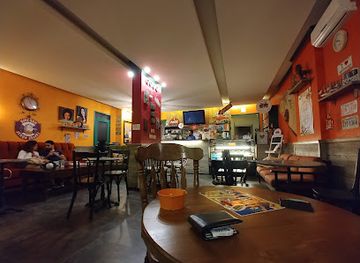
Discover Unicorn Coffee House in Brummana: a whimsical café offering delightful coffee and desserts in a cozy, vibrant atmosphere.
7 min walk · 0.6 km from city centre
-
Grocery store
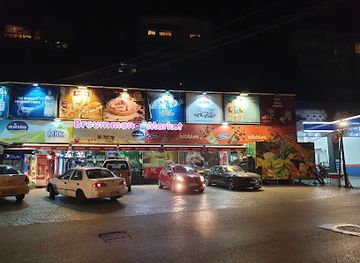
Broumana Market
Discover the essence of Lebanese culture at Broumana Market, a vibrant grocery store filled with fresh produce and local specialties.
11 min walk · 0.9 km from city centre
-
Bakery
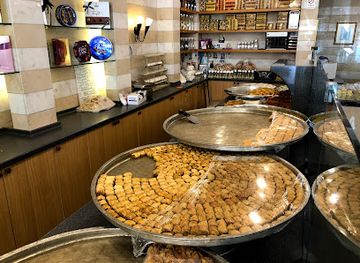
Chez Nassim - Pastry
Discover the sweet delights of Chez Nassim - Pastry in Broummana, a bakery known for exquisite pastries and a charming atmosphere.
12 min walk · 0.9 km from city centre
Get your free copy of our complete guide to Broummana, delivered straight to you.
Everything on this page, from attractions and restaurants to essentials and local phrases, in one PDF you can read offline, print or share.
Already have an account? Sign in
Your Broummana guide is ready.
We'll send it to · Not you? Sign out

Getting your guide ready…
We are putting together a fresh copy of the Broummana guide. This can take up to a minute.
This can take a few moments. If your browser asks, choose Allow so the download can start. You'll find the guide in your Downloads folder.
Nothing happened? Download it again
Sorry, the guide is taking longer than usual. Please try again in a minute, or get it by email instead.
Broummana essentials
Currency and Payment
Safety
Emergency Situations
Do's and Don'ts
Local Tips
From Eve
Local phrases worth knowing
You don't need to get them perfect. A few words go a long way, and locals appreciate the effort.
Basics
| English | Local | Say it |
|---|---|---|
| Hello | مرحبا | [marhaba] |
| Goodbye | مع السلامة | [maa assalama] |
| Yes | نعم | [naam] |
| No | لا | [laa] |
| Please/You're welcome | من فضلك | [min fadlik] |
| Thank you | شكرا | [shukran] |
| Excuse me/Sorry | عذرا | [aadhran] |
| How are you? | كيف حالك؟ | [kayf halik?] |
| Fine. And you? | بخير. وأنت؟ | [bkhayr. wa ant?] |
| Do you speak English? | هل تتحدث الإنجليزية؟ | [hal tatahadath al'injlizia?] |
| I don't understand | أنا لا أفهم | [ana la afham] |
Eating & Drinking
| English | Local | Say it |
|---|---|---|
| I'd like to see the menu, please | أريد أن أرى القائمة، من فضلك | [urid an ara alqayima, min fadlik] |
| I don't eat meat | أنا لا آكل اللحم | [ana la akl allahm] |
| Cheers! | في صحتك! | [fi sahtik!] |
| I would like to pay, please | أود أن أدفع، من فضلك | [awad an adfaa, min fadlik] |
Emergencies
| English | Local | Say it |
|---|---|---|
| Help! | النجدة! | [alnajda!] |
| Go away! | انصرف! | [ansarif!] |
| Call the Police! | اتصل بالشرطة! | [itassal bilshurta!] |
| Call a doctor! | اتصل بطبيب! | [itassal bitabib!] |
| I'm lost | لقد ضللت الطريق | [laqad dalalt altariq] |
| I'm ill | أنا مريض | [ana mareed] |
Shopping
| English | Local | Say it |
|---|---|---|
| I'd like to buy... | أريد أن أشتري... | [urid an ashtari...] |
| I'm just looking | أنا فقط أتفرج | [ana faqat atfarij] |
| How much is it? | بكم هذا؟ | [bikam hatha?] |
| That's too expensive | هذا غالي جدا | [hatha ghali jiddan] |
| Can you lower the price? | هل يمكنك خفض السعر؟ | [hal yumkinuk khafd alsar?] |
Time & Numbers
| English | Local | Say it |
|---|---|---|
| What time is it? | كم الساعة؟ | [kam alsaa'a?] |
| It's one o'clock | الساعة الواحدة | [alsaa'a alwahida] |
| Half past (10) | الساعة العاشرة والنصف | [alsaa'a al'ashira walnisf] |
| Morning | الصباح | [assabah] |
| Afternoon | المساء | [almasa] |
| Evening | المساء | [almasa] |
| Yesterday | البارحة | [albariha] |
| Today | اليوم | [alyawm] |
| Tomorrow | غدا | [ghadan] |
| 1 | واحد | [wahid] |
| 2 | اثنان | [ithnan] |
| 3 | ثلاثة | [thalatha] |
| 4 | أربعة | [arba'a] |
| 5 | خمسة | [khamsa] |
| 6 | ستة | [sitta] |
| 7 | سبعة | [sab'a] |
| 8 | ثمانية | [thamaneya] |
| 9 | تسعة | [tisa'a] |
| 10 | عشرة | [ashara] |
Transport & Directions
| English | Local | Say it |
|---|---|---|
| Where's a/the...? | أين... | [ayna...] |
| What's the address? | ما هو العنوان؟ | [ma huwa al'awnan?] |
| Can you show me (on the map)? | هل يمكنك أن تريني (على الخريطة)؟ | [hal yumkinuk an tureeni (ala alkhariita)?] |
| When's the next (bus)? | متى يأتي الحافلة القادمة؟ | [mata yati alhafilat alqadimat?] |
| A ticket (to ....) | تذكرة (إلى ...) | [tadhkira (ila ...)] |
History of Broummana
A Mountain Village in Mount Lebanon
Broummana developed as a mountain settlement in the wooded Metn highlands east of Beirut. Its early history belongs to the wider story of Mount Lebanon, where villages were shaped by terraced agriculture, religious communities, water sources and difficult connections across steep valleys. The surrounding landscape supported olive trees, fruit cultivation and woodland, while the elevated position provided a cooler environment than the coastal plain. Rather than emerging as a planned urban centre, Broummana grew through village expansion along the ridge and the gradual consolidation of homes, religious buildings and paths linking neighbouring settlements.
Ottoman Rule and Local Development
Under the Ottoman Empire, Broummana remained part of the social and administrative world of Mount Lebanon, a region in which local notables, village communities and religious institutions played important roles. The nineteenth century brought stronger links with Beirut and greater movement of people, goods and ideas through the mountain districts. Stone houses, churches and communal buildings reflected local materials and changing patterns of prosperity. As roads improved and Beirut expanded, elevated villages such as Broummana became increasingly attractive to residents and visitors seeking a healthier summer climate away from the coast.
The Founding of Brummana High School
A defining development came in 1878 with the establishment of Brummana High School by Theophilus Waldmeier, a Swiss missionary associated with the Society of Friends, commonly known as Quakers. The school introduced an educational tradition that was unusual in the region for its international outlook and emphasis on learning across religious and cultural boundaries. Its presence helped give Broummana a reputation extending beyond the local villages and connected the town to wider networks of education and mission activity. The institution remains an important part of Broummana’s identity and built heritage.
Mandate-Era Roads and Summer Tourism
During the French Mandate period and the decades that followed Lebanon’s independence in 1943, improved roads strengthened Broummana’s relationship with Beirut. The town’s cool climate, accessible mountain setting and wooded surroundings encouraged the growth of summer residences, hotels, restaurants and leisure facilities. Broummana became associated with seasonal visitors from Beirut and with a style of mountain hospitality that combined local village life with a more outward-looking, cosmopolitan character. This period helped establish the town as one of the better-known resorts of the Metn highlands.
War, Displacement and Renewal
Lebanon’s Civil War, from 1975 to 1990, disrupted travel, commerce and everyday life throughout Mount Lebanon, and Broummana was affected by the wider instability and displacement experienced across the country. The post-war period brought renewed investment in roads, homes, hospitality and public spaces, although recovery was uneven and later crises continued to affect local businesses. Broummana’s contemporary character therefore reflects both continuity and change: established schools, churches and family businesses remain alongside newer cafés, restaurants and seasonal venues serving residents, visitors and the Lebanese diaspora.
Broummana in Photos
Browse through our photo collection highlighting the charm and character of the destination.
Cities near Broummana
The closest cities to Broummana, if you have time for more than one stop.
-

-
-

-

-


Swipe for more cities
Explore more

Explore more of Lebanon
Discover Lebanon: A land of ancient history, vibrant culture, stunning landscapes, and delicious cuisine, nestled on the Mediterranean coast.
Explore Lebanon