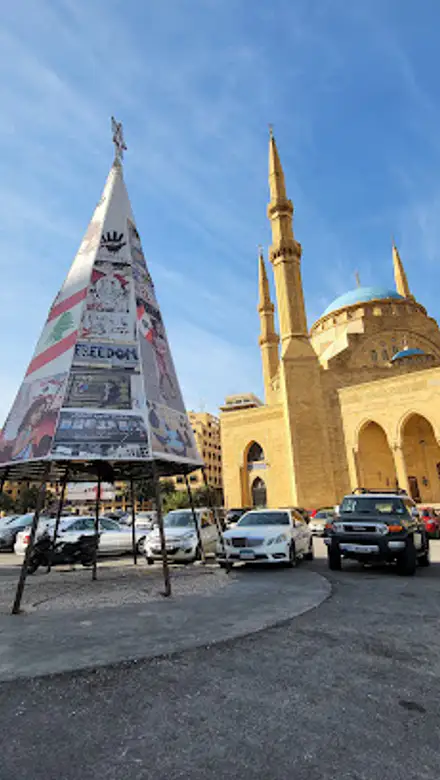
Martyrs' Square, Beirut Travel Guide
Free Guide: Explore Beirut's Martyrs' Square: a historic landmark, cultural hub, and symbol of Lebanese resilience in the heart of downtown Beirut.


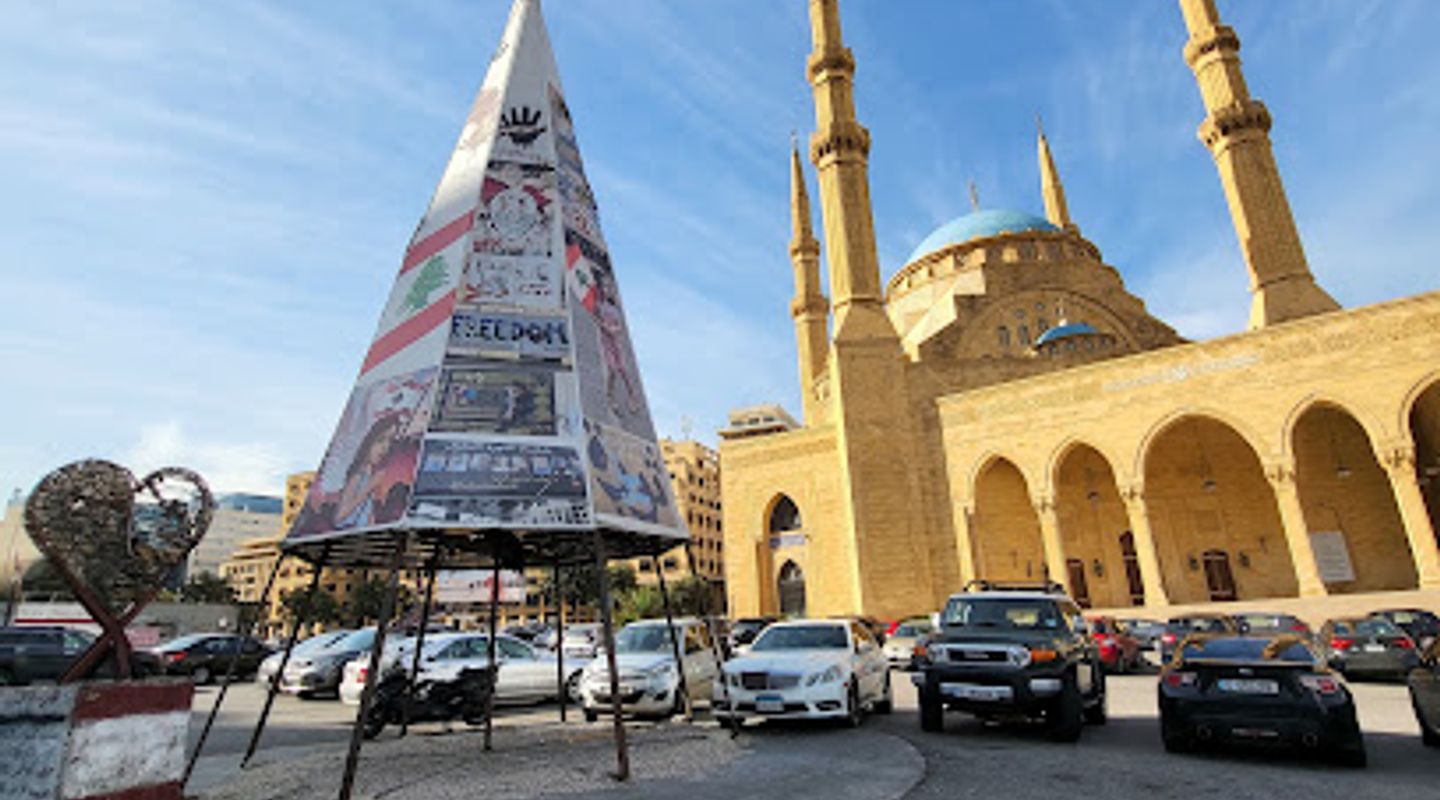
A brief summary of Martyrs' Square
Explore Beirut's Martyrs' Square: a historic landmark, cultural hub, and symbol of Lebanese resilience in the heart of downtown Beirut.
Martyrs' Square, located in downtown Beirut, is a central public square with a rich history. Originally known as Al Burj or Place des Cannons, it was renamed in 1931 to commemorate the Lebanese and Syrian nationalists executed there in 1916 under Ottoman rule. The square has been a site of significant events, from ancient times to modern-day struggles, and is a testament to Lebanon's resilience.
Opening hours
- Every dayOpen 24 hours
Opening hours as listed on the venue’s Google Business Profile. Hours can change for services and special events, so check with the venue before you go.
- Address
- VGW4+HV3, Beirut
Getting there
Walking
Public Transport
Taxi/Ride-sharing
Discover more about Martyrs' Square
Overview
Martyrs' Square, historically known as Al Burj or Place des Cannons, is Beirut's central public square steeped in history and significance. The square's origins trace back to an open space beyond the city walls, marked by the ancient watchtower of Burj al-Kashef. Over the centuries, it has been a bustling marketplace, a site for political gatherings, and a witness to the city's transformations.In 1916, during World War I, the square became a place of somber remembrance when Ottoman military leader Jamal Pasha ordered the public hanging of Lebanese and Syrian nationalists for alleged treason. In 1931, the square was officially renamed Martyrs' Square to honor those who were executed.Throughout its history, Martyrs' Square has undergone numerous changes. In the late 19th century, the Municipality of Beirut modernized the square, transforming it into the city's main meeting place with gardens, fountains, and public buildings. In the 1950s, it was a popular venue for cinemas and coffee houses. During the Lebanese Civil War (1975–1990), the square marked the demarcation line dividing the city.Today, Martyrs' Square stands as a symbol of Beirut's resilience and spirit. The Martyrs' Monument, a towering statue in the center of the square, commemorates the Lebanese soldiers who sacrificed their lives during the Civil War. The square is surrounded by government buildings, shops, restaurants, and cafes, making it a vibrant hub of activity. It continues to be a gathering place for protests and celebrations, reflecting the city's dynamic energy.
Evendo Review Centre
 Google
Guest reviews
Explore Martyrs' Square on the map
A handpicked selection of must-see spots near Martyrs' Square, mapped for you.
Get your free copy of our complete guide to Martyrs' Square, delivered straight to you.
Everything on this page, from opening hours and how to get there to Eve’s tips and the best time to go, in one PDF you can read offline, print or share.
Already have an account? Sign in
Your Martyrs' Square guide is ready.
We'll send it to · Not you? Sign out

Getting your guide ready…
We are putting together a fresh copy of the Martyrs' Square guide. This can take up to a minute.
This can take a few moments. If your browser asks, choose Allow so the download can start. You'll find the guide in your Downloads folder.
Nothing happened? Download it again
Sorry, the guide is taking longer than usual. Please try again in a minute, or get it by email instead.
Unlock the best of Martyrs' Square
Skip-the-line tickets, guided tours with entry, and walking tours of the area, booked in a few clicks.
 Tour with entry
Beirut Walking Tour - Discover Beirut by foot
from $71.25 Tour with entry
Half-Day Walking Tour of Beirut
from $71.25 Tour with entry
Beirut, Beiteddine Palace & Deir el Qamar Small-Group Tour
from $84.55 Tour with entry
Beirut, Beiteddine & Deir el Qamar Small-Group Tour | Lunch Incl.
from $84.55
Other nearby places you may find interesting
The closest places of the same kind, if this one is not quite what you had in mind.
-
-
-
-
-


Swipe for more places
More to explore near Martyrs' Square

 Best experiences near Martyrs' Square
 Best hotels near Martyrs' Square
 Best landmarks near Martyrs' Square
 Best attractions near Martyrs' Square
 Best shops near Martyrs' Square
 Best restaurants near Martyrs' Square
 Best bars near Martyrs' Square
Do you manage this location?
Take control to get all the benefits, like improved information, better appearance, and stronger visibility across AI-powered discovery.
Explore more
Explore more of Mar Mikhael
Discover Mar Mikhael: Beirut's vibrant neighborhood blending traditional charm with modern urban culture, bustling with shops, nightlife, and culinary delights.
Explore Mar Mikhael
Explore more of Beirut
Discover the enchanting blend of history, culture, and modernity in Beirut, Lebanon's vibrant capital, known for its scenic beauty, delicious cuisine, and bustling nightlife.
Explore Beirut