

Mar Mikhael (Beirut) Travel Guide - Free
Explore Mar Mikhael in Beirut with Evendo's free guide. Find the best shops, historic streets, restaurants, and gems on web or mobile.


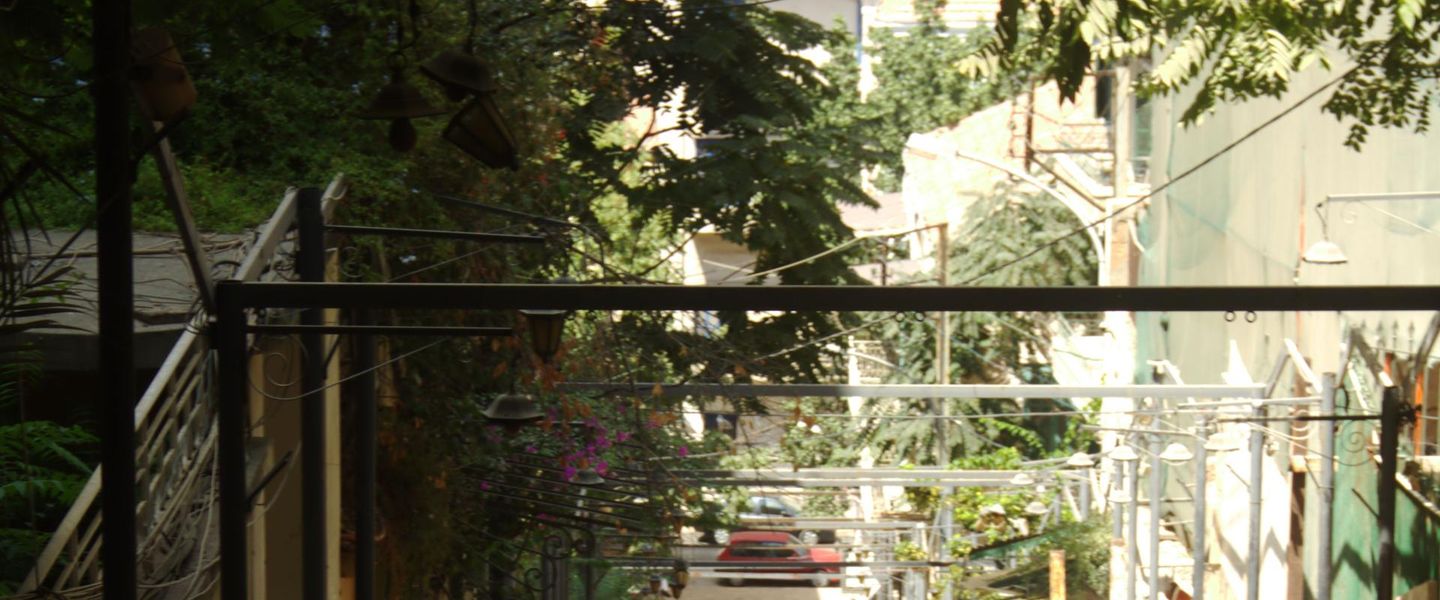


Mar Mikhael in Beirut blends Armenian heritage, railway history, street art, independent galleries, Lebanese dining and late-night bars along Armenia Street.
Armenia Street and the Railway Legacy
Mar Mikhael stretches north-east of central Beirut around Armenia Street, a long commercial artery that links the neighbourhood’s older residential lanes with the port-side edge of the city. Its name comes from the Church of Saint Michael, while its modern character was shaped by Beirut’s railway infrastructure and the Armenian community that established itself in this part of the capital during the twentieth century. Former railway buildings, workshops and warehouses remain part of the area’s visual memory, even where their original functions have disappeared.Read more about Mar Mikhael
Buildings, Galleries and Everyday Life
Food, Evening Streets and Local Character
Best attractions in Mar Mikhael
Mar Mikhael’s attractions are rooted in its streetscape and layered urban history rather than in a large collection of formal museums. Armenia Street provides the main walking route, with older stone buildings, workshops, cafés, design spaces and façades that reveal the neighbourhood’s changing creative identity. The Church of Saint Michael offers an important local reference point, while remnants of Beirut’s former railway landscape help explain the district’s industrial character. Independent galleries and cultural spaces have historically occupied adapted commercial and warehouse buildings, although some were damaged by the 2020 port explosion and others have changed location or status. Visitors can also explore the side lanes towards the former railway and port-side areas, observing repairs, surviving architectural details and everyday businesses. Nearby Gemmayzeh can be added to a walk, but it should be treated as a separate quarter rather than folded into Mar Mikhael.
-
Tourist attraction
Place de l'Étoile
Discover the charm of Place de l'Étoile, home to the iconic Arc de Triomphe, where history meets the vibrant life of Paris.
6 min drive · 1.9 km from neighbourhood centre
-
Tourist attraction
Beit Beirut - Museum and Urban Cultural Center
Explore Beit Beirut, a captivating museum and cultural center that unveils the rich history and vibrant culture of Lebanon's capital.
6 min drive · 1.9 km from neighbourhood centre
-
Tourist attraction
St. Nicolas Stairs
Explore the St. Nicolas Stairs in Beirut - a stunning blend of history, culture, and breathtaking views that showcase the heart of Lebanon.
12 min walk · 1.0 km from neighbourhood centre
-
Tourist attraction
Achrafieh Stairs
Experience the vibrant history and artistic beauty of Achrafieh Stairs, a must-visit tourist attraction in the heart of Beirut, Lebanon.
17 min walk · 1.4 km from neighbourhood centre


Best landmarks in Mar Mikhael
The Church of Saint Michael is Mar Mikhael’s defining local landmark, giving the neighbourhood its name and providing a religious anchor amid commercial streets and converted workshops. Armenia Street is itself a significant urban feature: its mixed façades, narrow side lanes and steady relationship with the port-facing side of Beirut reflect the district’s development as a transport-linked working quarter. Remnants of the former Beirut railway infrastructure, including old railway buildings and service spaces, preserve the memory of a rail system that once connected the capital with Lebanon’s interior and Damascus. Older stone houses and industrial buildings are equally important, even when they lack the fame of major city monuments. Many landmarks were damaged in the 2020 port explosion, making repaired façades, vacant shells and reconstruction sites part of the neighbourhood’s contemporary heritage story, though visitors should not enter unstable or restricted structures.
-
Plaza
Martyrs' Square
Explore Beirut's Martyrs' Square: a historic landmark, cultural hub, and symbol of Lebanese resilience in the heart of downtown Beirut.
5 min drive · 1.7 km from neighbourhood centre
-
Museum
Beit Beirut - Museum and Urban Cultural Center
Explore Beirut's history and resilience at Beit Beirut, a museum and cultural center in a restored Civil War landmark.
6 min drive · 1.9 km from neighbourhood centre
-
Italian
THE WOODEN CELLAR
Experience authentic Italian cuisine in Beirut's cozy Wooden Cellar, offering handmade pasta and an extensive wine selection for a memorable dining experience.
1 min walk · 0.1 km from neighbourhood centre
-
Tourist attraction
St. Nicolas Stairs
Experience Beirut's vibrant art scene and rich history on the iconic St. Nicolas Stairs, a cultural landmark connecting Gemmayzeh and Achrafieh.
12 min walk · 1.0 km from neighbourhood centre


Explore Mar Mikhael on the map
A handpicked selection of must-see spots in Mar Mikhael, mapped for you.
Best hotels in Mar Mikhael
Best restaurants in Mar Mikhael
Mar Mikhael’s dining scene grew around Armenia Street and its side roads, where Lebanese cooking, Armenian culinary influences, cafés and contemporary restaurant formats share space with long-established local businesses. Visitors may encounter mezze, grilled meats, seasonal vegetables, pastries and regional dishes alongside more modern interpretations of Lebanese food. Tawlet, associated with the Souk el Tayeb food movement, has helped draw attention to regional home cooking and producers, while venues in the wider neighbourhood have included restaurants with Armenian and Lebanese traditions. The scene is not confined to formal dining: coffee shops, bakeries, small take-away counters and bars with food contribute to the area’s social rhythm. Because the 2020 port explosion and Lebanon’s economic crisis affected many businesses, restaurant names, locations and opening patterns should be checked close to the time of a visit rather than assumed from older listings.
-
Restaurant
Swiss Butter - Gemmayze
Discover Swiss Butter - Gemmayze: A premier steakhouse in Beirut offering exquisite flavors and a vibrant atmosphere.
15 min walk · 1.2 km from neighbourhood centre
-
Italian
Tavolina
Experience authentic Italian cuisine at Tavolina in Mar Mikhael, Beirut - where tradition meets modern flair.
1 min walk · 0.1 km from neighbourhood centre
-
Restaurant
DIVVY
Experience exquisite Lebanese cuisine at DIVVY in Beirut – where tradition meets modern culinary artistry.
1 min walk · 0.1 km from neighbourhood centre
-
Restaurant
Das Küche
Discover authentic Lebanese flavors at Das Küche - where culinary tradition meets modern dining in the heart of Beirut.
1 min walk · 0.1 km from neighbourhood centre


Best bars in Mar Mikhael
Mar Mikhael became one of Beirut’s best-known evening districts through its concentration of bars, music-led venues, restaurants and informal gathering places along Armenia Street and nearby lanes. The atmosphere ranges from quiet drinks in converted workshops to louder late-night spaces, with design-conscious interiors and a strong connection to Beirut’s independent creative culture. Its nightlife has never been entirely separate from residential life, so noise and movement can change noticeably from one street to the next. The 2020 port explosion severely affected venues and buildings, and the economic crisis subsequently altered the scale and continuity of the scene. Visitors should check current listings and transport options before going out, while recognising that neighbouring Gemmayzeh has its own nightlife cluster and should not automatically be treated as part of Mar Mikhael.
-
Bar
Bar 35
Discover the lively ambiance and exquisite cocktails at Bar 35, one of Beirut’s top nightlife spots for an unforgettable evening.
2 min walk · 0.1 km from neighbourhood centre
-
Pub
Calibri
Experience the lively ambiance of Calibri Pub in Beirut, a perfect blend of sports bar and restaurant with delicious food and drinks.
1 min walk · 0.1 km from neighbourhood centre
-
Pub
Abbey Road
Discover Abbey Road in Beirut: A lively pub offering a unique blend of drinks, atmosphere, and unforgettable nightlife experiences.
1 min walk · 0.1 km from neighbourhood centre
-
Bar
Vyvyan's
Experience the vibrant nightlife of Beirut at Vyvyan's, a cozy bar in Armenia serving delightful drinks and unforgettable moments.
1 min walk · 0.1 km from neighbourhood centre


Best nightclubs in Mar Mikhael
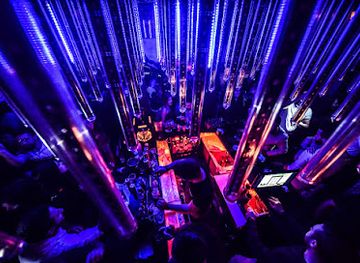
Mar Mikhael became one of Beirut’s best-known evening districts through its concentration of bars, music-led venues, restaurants and informal gathering places along Armenia Street and nearby lanes. The atmosphere ranges from quiet drinks in converted workshops to louder late-night spaces, with design-conscious interiors and a strong connection to Beirut’s independent creative culture. Its nightlife has never been entirely separate from residential life, so noise and movement can change noticeably from one street to the next. The 2020 port explosion severely affected venues and buildings, and the economic crisis subsequently altered the scale and continuity of the scene. Visitors should check current listings and transport options before going out, while recognising that neighbouring Gemmayzeh has its own nightlife cluster and should not automatically be treated as part of Mar Mikhael.
-
Lounge
FABRK
Experience the vibrant nightlife and chic ambiance at FABRK, Beirut's premier lounge for exquisite drinks and unforgettable evenings.
1 min walk · 0.1 km from neighbourhood centre
-
Night club
Karma Beirut
Experience the vibrant nightlife of Beirut at Karma Beirut, where music, dance, and unforgettable moments come together in a stylish setting.
4 min walk · 0.3 km from neighbourhood centre
-
Lounge
Parallel
Discover the vibrant nightlife at Parallel Lounge in Lebanon, offering a perfect blend of style, music, and unforgettable experiences.
3 min walk · 0.3 km from neighbourhood centre
-
Night club
Yukunkun
Experience the electrifying nightlife of Beirut at Yukunkun, a premier night club offering an unforgettable atmosphere and eclectic music.
16 min walk · 1.3 km from neighbourhood centre



Best shops in Mar Mikhael
Shopping in Mar Mikhael is concentrated along Armenia Street and the smaller commercial lanes branching from it, with independent design businesses, galleries, homeware specialists, clothing shops, book and gift outlets, workshops and food retailers appearing among cafés and restaurants. The area became known for creative and contemporary retail linked to Beirut’s designers and artists, while Armenian and Lebanese food traditions remain visible in specialist groceries, bakeries and small family-run businesses. This is not a conventional department-store district or a single enclosed market; its appeal lies in browsing mixed-use streets where retail, studio work and residential life overlap. Stock and business identities can change quickly, particularly after the port explosion and during Lebanon’s economic crisis, so visitors should treat older shopping guides cautiously. For a broader market experience, nearby parts of Beirut offer more extensive food and general retail choices outside the neighbourhood.
-
Vintage clothing store
Nouvelle Vague Vintage Store
Explore the enchanting world of vintage fashion at Nouvelle Vague Vintage Store, where unique style meets timeless elegance in the heart of Beirut.
15 min walk · 1.2 km from neighbourhood centre
-
Gift shop
oddfish concept store
Discover unique gifts and artistic treasures at Oddfish Concept Store, the ultimate shopping destination in Beirut's vibrant Port area.
14 min walk · 1.1 km from neighbourhood centre
-
Clothing store
Liwan Beirut
Explore Liwan Beirut for unique fashion and home goods that capture the essence of Lebanese artistry and culture.
1 min walk · 0.1 km from neighbourhood centre
-
Clothing store
Mellow Store
Explore the vibrant fashion scene at Mellow Store in Beirut, where local artistry meets contemporary style in a charming shopping experience.
1 min walk · 0.1 km from neighbourhood centre


Mar Mikhael essentials
Getting There
Getting Around
Safety
Emergency Situations
Do's and Don'ts
Local Tips

From Eve
Local phrases worth knowing
You don't need to get them perfect. A few words go a long way, and locals appreciate the effort.
Basics
| English | Local | Say it |
|---|---|---|
| Hello | مرحبا | [marhaba] |
| Goodbye | مع السلامة | [maa essalameh] |
| Yes | نعم | [naam] |
| No | لا | [laa] |
| Please/You're welcome | من فضلك / على الرحب والسعة | [min fadlik / ala elrahb wasaah] |
| Thank you | شكرا | [shukran] |
| Excuse me/Sorry | عذرا | [aathiraa] |
| How are you? | كيف حالك؟ | [kayf halak?] |
| Fine. And you? | بخير. وأنت؟ | [bikhair. want?] |
| Do you speak English? | هل تتحدث الإنجليزية؟ | [hal tatahadath al-ingliziyya?] |
| I don't understand | أنا لا أفهم | [ana la afham] |
Eating & Drinking
| English | Local | Say it |
|---|---|---|
| I'd like to see the menu, please | أريد أن أرى القائمة، من فضلك | [uriid an ara elqaimah, min fadlik] |
| I don't eat meat | أنا لا آكل اللحم | [ana la aakul allaham] |
| Cheers! | صحتين! | [sahhtain!] |
| I would like to pay, please | أريد أن أدفع، من فضلك | [uriid an adfaa, min fadlik] |
Emergencies
| English | Local | Say it |
|---|---|---|
| Help! | النجدة! | [annajdah!] |
| Go away! | ارحل! | [irhal!] |
| Call the Police! | اتصل بالشرطة! | [atsal balsurta!] |
| Call a doctor! | اتصل بالطبيب! | [atsal baltabib!] |
| I'm lost | لقد ضللت الطريق | [laqad dalalt altariq] |
| I'm ill | أنا مريض | [ana mareed] |
Shopping
| English | Local | Say it |
|---|---|---|
| I'd like to buy... | أريد أن أشتري... | [uriid an ashtari...] |
| I'm just looking | أنا فقط أتفرج | [ana faqat atfarrag] |
| How much is it? | كم ثمنه؟ | [kam thamanuh?] |
| That's too expensive | هذا غالي جدا | [hatha ghali jiddan] |
| Can you lower the price? | هل يمكنك خفض السعر؟ | [hal yumkinuk khaafd alsar?] |
Time & Numbers
| English | Local | Say it |
|---|---|---|
| What time is it? | كم الساعة؟ | [kam alsaaah?] |
| It's one o'clock | الساعة الواحدة | [alsaaah alwahidah] |
| Half past (10) | العاشرة والنصف | [alashirah walnusf] |
| Morning | صباح | [sabah] |
| Afternoon | مساء | [masaa] |
| Evening | مساء | [masaa] |
| Yesterday | البارحة | [albariha] |
| Today | اليوم | [alyawm] |
| Tomorrow | غدا | [ghadan] |
| 1 | واحد | [wahid] |
| 2 | اثنان | [ithnaan] |
| 3 | ثلاثة | [thalatha] |
| 4 | أربعة | [arbaah] |
| 5 | خمسة | [khamsah] |
| 6 | ستة | [sittah] |
| 7 | سبعة | [sabaa] |
| 8 | ثمانية | [thamaaniyah] |
| 9 | تسعة | [tisah] |
| 10 | عشرة | [asharah] |
Transport & Directions
| English | Local | Say it |
|---|---|---|
| Where's a/the...? | وين في...؟ | [wein fi...?] |
| What's the address? | شو العنوان؟ | [shu el'anaan?] |
| Can you show me (on the map)? | ممكن توريني (على الخريطة)؟ | [mumkin tourini (ala alkharitah)?] |
| When's the next (bus)? | متى الباص الجاي؟ | [mata albass aljay?] |
| A ticket (to ....) | تذكرة (إلى ....) | [tazkirah (ila ....)] |
History of Mar Mikhael
The Saint Michael Quarter
Mar Mikhael takes its name from the Church of Saint Michael, which helped give the area a recognisable religious and geographic identity as Beirut expanded beyond its older core. The district developed as a mixed urban quarter rather than as a purpose-built tourist area, combining houses, workshops, religious buildings and routes towards the port. Its position between central Beirut and the northern industrial and port-side zones later made it especially receptive to transport infrastructure and commercial activity.
Railways and Industrial Beirut
The arrival of the Beirut–Damascus railway in the late nineteenth century connected the capital to Lebanon’s interior and the wider Ottoman rail network. Railway workshops, sidings and associated land shaped the physical character of Mar Mikhael, leaving a legacy of utilitarian buildings and broad service spaces beside the more intimate residential lanes. Passenger rail services in Lebanon eventually declined and ceased, but the railway corridor remained an important reminder that this neighbourhood once formed part of a working transport and industrial landscape.
Armenian Community and Urban Change
Armenians who reached Lebanon, particularly after the massacres and deportations of the First World War, became an important part of Beirut’s social and economic life, with many families settling in or around the eastern quarters of the capital. In Mar Mikhael, Armenian cultural presence has been expressed through institutions, churches, businesses, food traditions and family networks, although the neighbourhood has never been culturally uniform. During the twentieth century, workshops, small commerce and apartment living continued alongside this community life.
From Workshops to Creative Venues
As traditional industry and railway activity receded, Mar Mikhael’s relatively adaptable warehouses and older commercial buildings attracted designers, galleries, restaurants and bars, especially in the early twenty-first century. Armenia Street became associated with Beirut’s contemporary creative and evening scene, while rising rents and redevelopment altered the balance between residents, workshops and hospitality businesses. This shift brought new visibility but also intensified pressure on the neighbourhood’s built fabric and established communities.
The 2020 Port Explosion and Recovery
The Beirut port explosion of 4 August 2020 caused extensive damage across Mar Mikhael, one of the neighbourhoods closest to the blast. Historic homes, churches, galleries, restaurants and apartment buildings were affected, and residents and organisations faced a prolonged repair and recovery process. The disaster made the preservation of the area’s older architecture an urgent public concern, while subsequent economic and political crises continued to influence which businesses reopened and how the neighbourhood’s identity developed.
Mar Mikhael in Photos
Browse through our photo collection highlighting the charm and character of the destination.
Neighbourhoods near Mar Mikhael
The closest neighbourhoods to Mar Mikhael, if you have time for more than one stop.
-
-
-


Swipe for more neighbourhoods
Explore more

Explore more of Beirut
Beirut blends Phoenician heritage, Ottoman and French architecture, sea views, art, cuisine and lively neighbourhoods for rich cultural city breaks in Lebanon.
Explore Beirut