

Bekaa Valley Travel Guide
Free Guide: Explore Lebanon's Bekaa Valley: Ancient ruins, fertile lands, world-renowned wineries, and stunning natural beauty await!


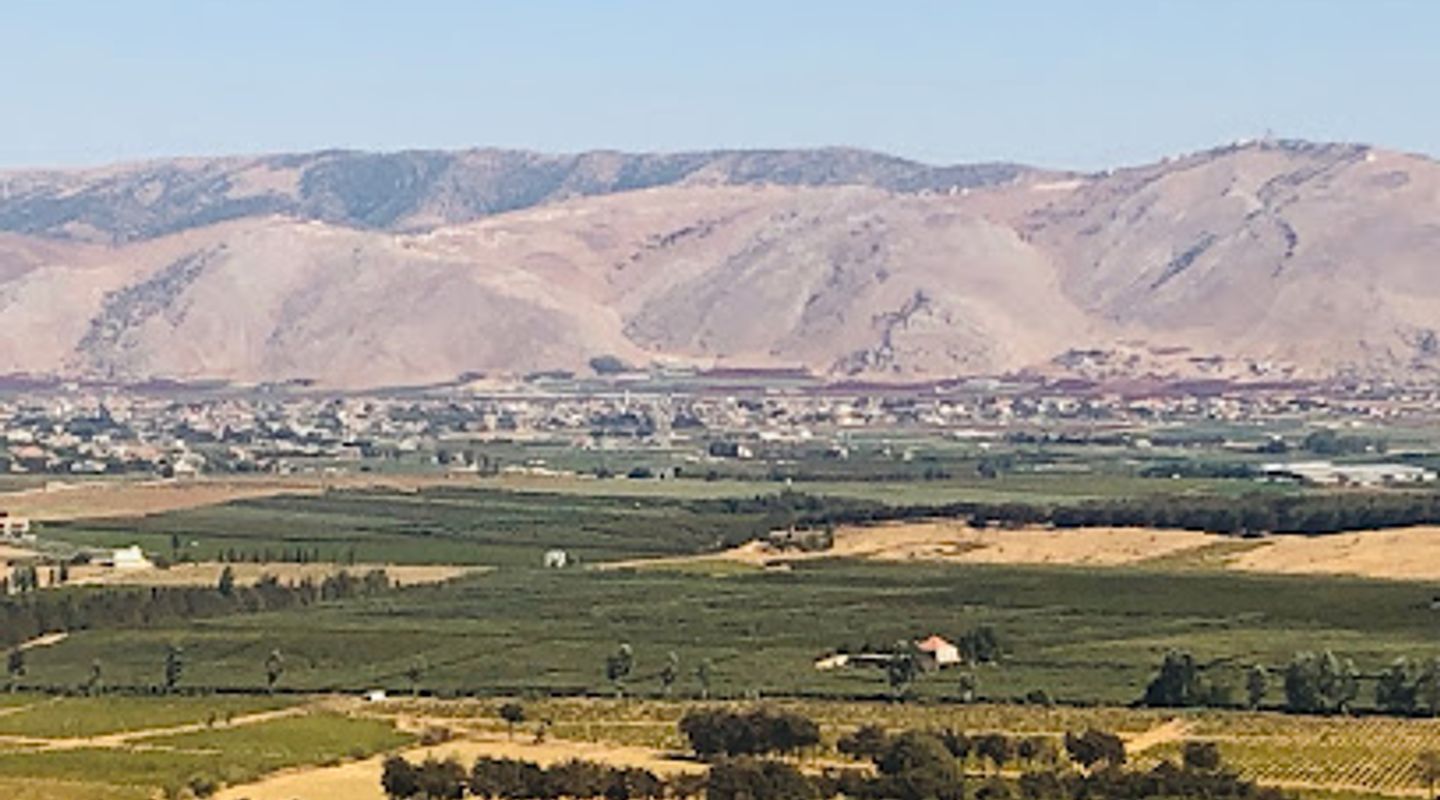
A brief summary of Bekaa Valley
Explore Lebanon's Bekaa Valley: Ancient ruins, fertile lands, world-renowned wineries, and stunning natural beauty await!
The Bekaa Valley, nestled between the Mount Lebanon and Anti-Lebanon ranges, is a tapestry of fertile lands, ancient ruins, and renowned wineries. Known as the 'breadbasket of Lebanon,' it offers a blend of historical exploration and gastronomic delights.
- Address
- Bekaa Valley
Getting there
Public Transport
Taxi
Driving
Discover more about Bekaa Valley
Overview
The Bekaa Valley, a vast and fertile expanse in eastern Lebanon, has been a vital agricultural region since ancient times. Situated between the Mount Lebanon and Anti-Lebanon mountain ranges, it's a tapestry of vineyards, orchards, and fields, earning its reputation as the 'breadbasket of Lebanon'. The valley's history is rich and layered, having been a crossroads of civilizations and a strategic corridor linking the Phoenician coast with the interior.Historically, the Bekaa Valley has witnessed the rise and fall of numerous empires, from the Phoenicians and Romans to the Umayyads, Ottomans, and French. This diverse cultural heritage is reflected in the valley's numerous archaeological sites, most notably the Temple Complex of Baalbek, a UNESCO World Heritage Site. These well-preserved Roman temples stand as testaments to the grandeur of the Roman Empire and are a must-see for history enthusiasts. Other historical sites include the Umayyad ruins of Anjar and the Roman temples of Niha.Beyond its historical significance, the Bekaa Valley is also renowned for its flourishing wine industry. The valley's fertile soil and favorable climate make it ideal for grape cultivation, and numerous wineries offer tours and tastings. Sample exquisite Lebanese wines while learning about the winemaking process and the unique terroir of the region. Some of the most famous wineries include Chateau Ksara, Chateau Kefraya and Chateau Musar.For nature lovers, the Bekaa Valley offers scenic landscapes and outdoor activities. Explore the picturesque Qaraoun Lake, hike through the Ammiq Wetland, or simply soak in the tranquil surroundings. The valley's natural beauty provides a peaceful escape from the hustle and bustle of city life.
Evendo Review Centre
 Google
Guest reviews
Explore Bekaa Valley on the map
A handpicked selection of must-see spots near Bekaa Valley, mapped for you.
Get your free copy of our complete guide to Bekaa Valley, delivered straight to you.
Everything on this page, from opening hours and how to get there to Eve’s tips and the best time to go, in one PDF you can read offline, print or share.
Already have an account? Sign in
Your Bekaa Valley guide is ready.
We'll send it to · Not you? Sign out

Getting your guide ready…
We are putting together a fresh copy of the Bekaa Valley guide. This can take up to a minute.
This can take a few moments. If your browser asks, choose Allow so the download can start. You'll find the guide in your Downloads folder.
Nothing happened? Download it again
Sorry, the guide is taking longer than usual. Please try again in a minute, or get it by email instead.
Other nearby places you may find interesting
The closest places of the same kind, if this one is not quite what you had in mind.
-
-
-
-
-


Swipe for more places
More to explore near Bekaa Valley

 Best experiences near Bekaa Valley
 Best hotels near Bekaa Valley
 Best landmarks near Bekaa Valley
 Best attractions near Bekaa Valley
 Best shops near Bekaa Valley
 Best restaurants near Bekaa Valley
 Best bars near Bekaa Valley
Do you manage this location?
Take control to get all the benefits, like improved information, better appearance, and stronger visibility across AI-powered discovery.
Explore more

Explore more of Bekaa
Discover the Bekaa Valley in Lebanon, a region of fertile landscapes, ancient ruins, exquisite wines, and thrilling outdoor adventures, perfect for every traveler.
Explore Bekaa
Explore more of Lebanon
Discover Lebanon: A land of ancient history, vibrant culture, stunning landscapes, and delicious cuisine, nestled on the Mediterranean coast.
Explore Lebanon
